How to Use Aldi Cold Brew Coffee Maker Easily at Home

Add coarse coffee to the Aldi cold brew coffee maker, fill it with water, and let it steep in the fridge. Then remove the basket, pour the brew, and dilute it to taste if needed.
If you want smooth cold brew at home, the Aldi cold brew coffee maker is easy to use. The basic idea is simple: add coarse coffee, add water, steep in the fridge, then pour and serve.
- Use coarse grind: It helps prevent grit and bitter flavor.
- Follow the ratio: More coffee makes a stronger, richer brew.
- Steep patiently: Cold brew needs hours, not minutes.
- Clean it well: Fresh washing helps taste and keeps parts in good shape.
What the Aldi Cold Brew Coffee Maker Is and How It Works
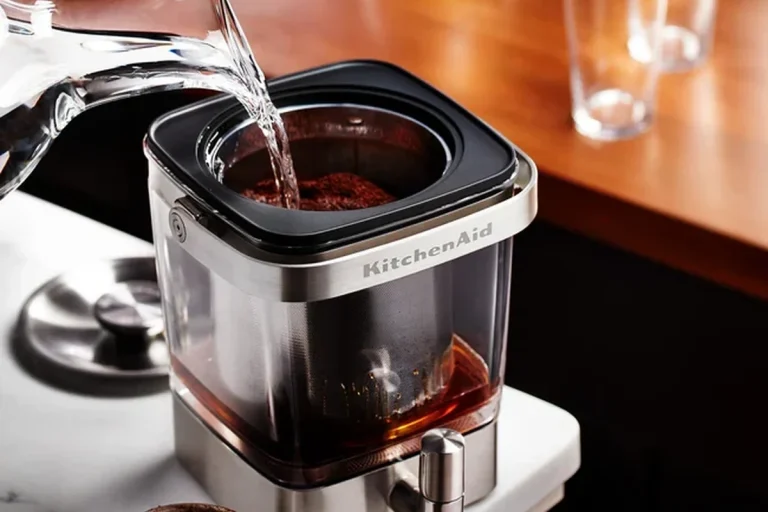
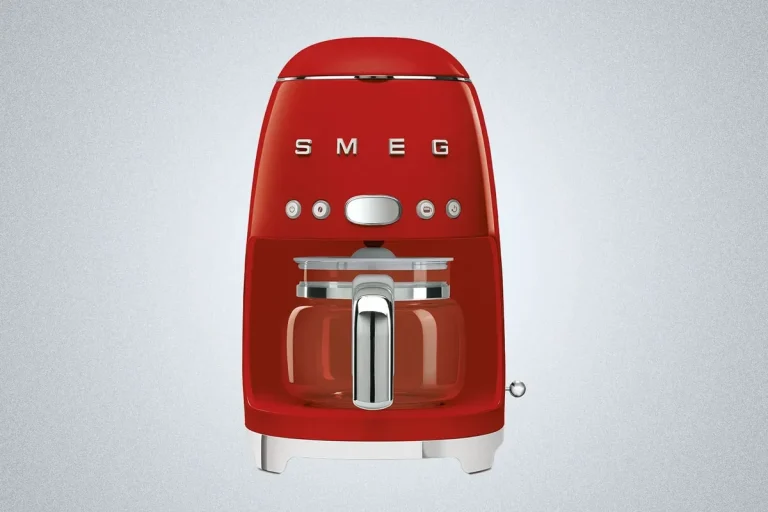
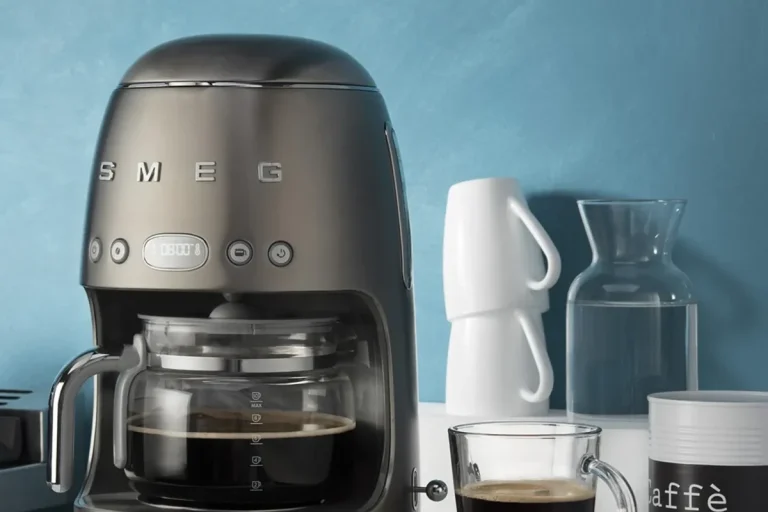
The Aldi cold brew coffee maker is a home brewer made for slow steeping. It usually includes a brew basket or filter area, a pitcher or jar, and a lid for storage.
Cold brew works by soaking coffee in cold or room-temperature water for many hours. That slow process pulls flavor from the grounds without heat.
Direct answer: the basic brewing steps
First, add coarse coffee grounds to the filter basket. Then add water to the brewer and let it steep in the fridge or a cool spot.
After the brew time ends, remove the basket and pour the coffee. Serve it over ice, or mix it with milk or water if it tastes too strong.
What parts the brewer includes
Most Aldi cold brew makers use a few simple parts. The exact design can vary by model, so check your manual.
Water
Filter basket
Pitcher or jar
Lid
Some models also include a fine filter or mesh screen. That helps keep grit out of the final drink.
How cold brew differs from iced coffee
Cold brew is not the same as iced coffee. Iced coffee starts with hot coffee, then gets cooled and poured over ice.
Cold brew steeps in cold water for a long time. That usually gives it a softer taste and less bite.
Cold brew often tastes less acidic than hot-brewed coffee. Many people find that easier on the stomach.
How to Use Aldi Cold Brew Coffee Maker Step by Step
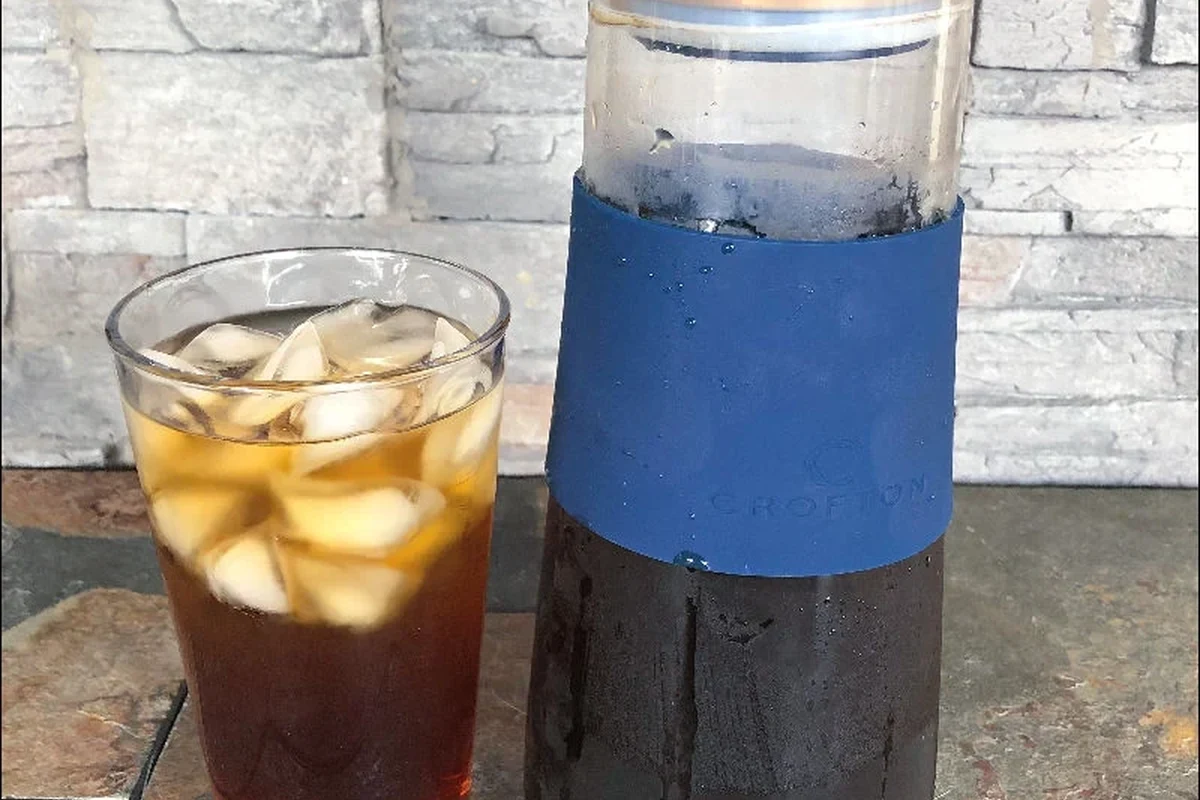
Once you know the parts, the process is very manageable. The main job is to keep the coffee, water, and steep time balanced.
Measure the coffee and water
Start with the amount your model recommends. If you do not have that guide, use a simple home ratio and adjust next time.
A stronger batch uses more coffee. A lighter batch uses less.
Your coffee-to-water ratio shapes the final taste more than anything else.
Add grounds to the filter basket
Put the coffee into the basket or mesh filter. Level the grounds gently so water can flow through them well.
Do not pack the coffee down hard. Tight packing can slow the steep and make the brew uneven.
Assemble the brewer the right way
Set the basket in place and close the brewer. Make sure every part sits where it should.
If the lid or seal feels off, stop and check it again. A poor fit can lead to spills or weak brew.
Follow the appliance manual and stop using damaged equipment.
Steep time and where to place it
Place the brewer in the fridge if the manual says to chill it. That helps keep the coffee safe and fresh.
Most cold brew needs several hours to steep. The exact time depends on the model, grind, and taste you want.
Steep time can vary by coffee type, grind size, and how strong you like your brew.
How to pour and serve the finished brew
When the brew time ends, remove the basket or filter parts. Let the coffee drain fully before you pour.
Serve it over ice or dilute it if needed. Cold brew concentrate often tastes best after a little water or milk is added.
- Chill your serving glass for a colder drink.
- Taste the first cup before diluting the whole batch.
- Write down your ratio for next time.
Best Coffee, Grind Size, and Water Ratio for Better Results
Good cold brew starts with the right beans and grind. Small changes here can make a big difference in taste.
Which coffee beans work best
Most medium or dark roasts work well for cold brew. They often give a smooth, rich cup with chocolate or nutty notes.
You can use light roast too. It may taste brighter and more sharp.
Why coarse grind matters
Coarse grind is best for cold brew. It helps water move through the grounds without making the drink muddy.
Fine grounds can slip through the filter and make the coffee bitter. They can also make cleanup harder.
Do not use espresso-fine grounds unless your brewer manual says they are safe. They can clog filters and create grit.
Simple ratio guide for strong or mild cold brew
Use a stronger ratio if you want concentrate. Use a lighter ratio if you want ready-to-drink coffee.
If the first batch feels too bold, add more water next time. If it tastes weak, use more coffee or longer steeping.
| Option | Best For | Key Consideration |
|---|---|---|
| Strong brew | Concentrate fans | Dilute before serving |
| Mild brew | Easy sipping | May need less steep time |
Water quality and taste tips
Clean water matters more than many people think. If your tap water tastes off, your cold brew may taste off too.
Filtered water often gives a cleaner cup. That small swap can help if your brew tastes flat or cloudy.
Benefits and Limits of the Aldi Cold Brew Coffee Maker
This kind of brewer has a lot going for it. It also has a few limits that matter if you make cold brew often.
What makes it a good value
A cold brew maker like this usually gives you a simple way to make coffee at home. You do not need a big machine or extra gear.
That can be a smart choice if you want low fuss and easy storage.
- Simple setup for home cold brew
- Less mess than loose jar brewing
- Easy to store in the fridge
Where it saves time and effort
The brewer does the work while you wait. You mix the batch once, then let time handle the rest.
That is helpful on busy mornings. You can prep coffee the night before and have it ready later.
Common limits to keep in mind
Cold brew still takes time. No brewer can skip the long steep step.
Also, some models make only a modest batch. That may not suit a large household.
Who this brewer fits best
This brewer fits people who want smooth coffee and simple cleanup. It also suits small kitchens well.
If you like to tweak strength and batch size, it can be a good match.
Best for limited counter space and fridge room.
Best for people who want easy home cold brew.
Common Mistakes to Avoid When Making Cold Brew
Most bad cold brew comes from a few simple mistakes. The good news is that each one is easy to fix.
Using coffee that is ground too fine
Fine grounds can make the brew cloudy and bitter. They can also clog the filter basket.
Choose a coarse grind instead. It gives a cleaner and smoother cup.
The coffee tastes gritty or harsh.
Use a coarser grind and check that the filter is seated well.
Brewing for too short or too long
Too short a steep can taste weak. Too long can make the drink overly strong or flat.
Start with the recommended time, then adjust in small steps next time.
Using the wrong coffee-to-water balance
If the ratio is off, the brew may taste thin or too intense. That is one of the easiest issues to miss.
Keep notes on what you used. It makes the next batch much easier to improve.
Skipping a proper strain or filter check
Always check that the filter is doing its job. Loose grounds in the pitcher can ruin the texture.
If you see sediment, pour more slowly or inspect the filter fit before the next batch.
- Use coarse coffee grounds
- Follow the manual’s steep time
- Check the filter before pouring
- Using espresso-fine coffee
- Leaving the brew too long
- Ignoring gritty residue in the cup
Cleaning, Safety, and Maintenance Tips
Cleaning matters if you want better taste and a longer-lasting brewer. It also helps reduce stale buildup.
How to clean each part after use
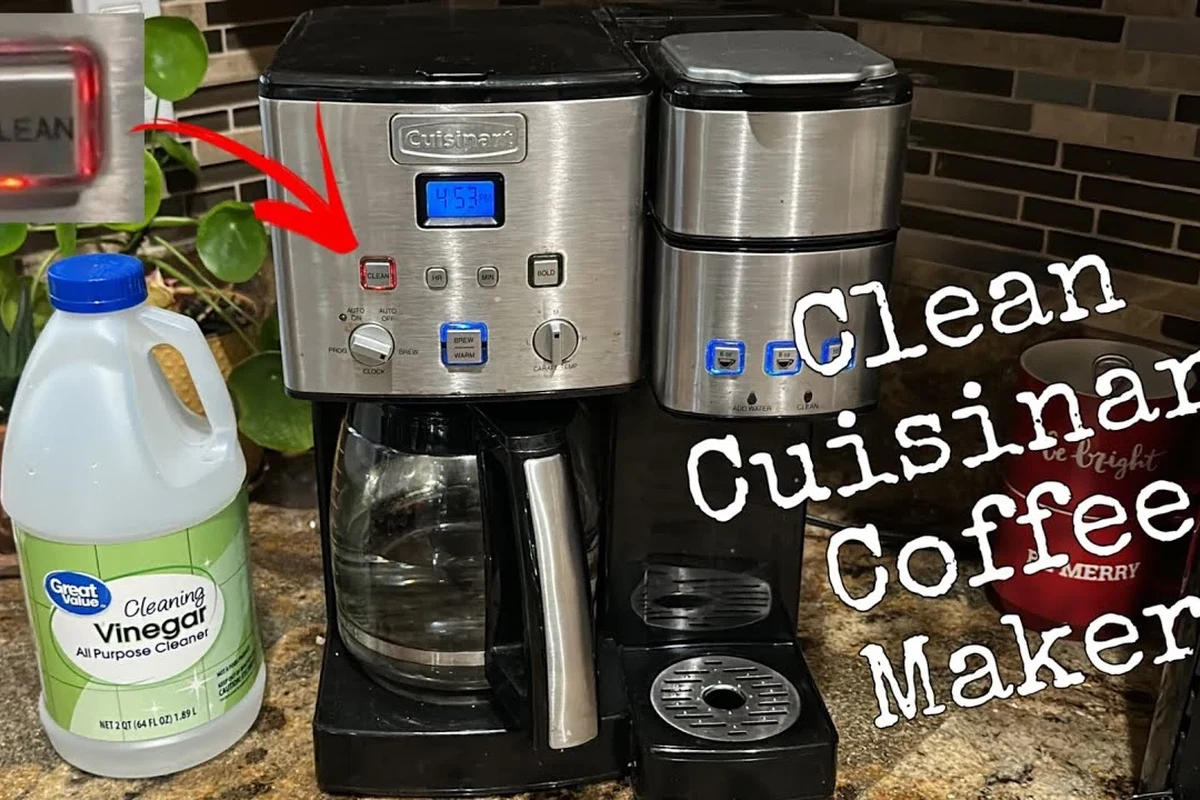
Empty the grounds first. Then wash the removable parts with warm water and mild soap, unless the manual says otherwise.
Rinse well so no soap smell stays behind. Let the parts dry fully before you store them.
Dump grounds, wash removable parts, and let everything dry.
Check the filter, lid, and seals for buildup or wear.
What to avoid when washing the brewer
Do not use harsh scrubbers if they can scratch the plastic or mesh. Scratches can hold odor and residue.
Also avoid any cleaning step that the manual forbids. Some parts may not be dishwasher safe.
How to store cold brew safely in the fridge
Store the finished coffee in a clean, closed container. Keep it chilled until you use it.
If the brew smells sour, looks odd, or tastes off, throw it out. When in doubt, it is safer to make a fresh batch.
Signs the brewer needs a deeper clean
If the coffee starts tasting stale or bitter, the brewer may need more care. Visible film or odor are also warning signs.
Soak removable parts if the manual allows it. Then rinse and dry them well.
- Clean parts soon after each batch.
- Store finished cold brew in the fridge.
- Replace worn parts if they no longer fit well.
Cost, Value, and Final Recommendation
The Aldi cold brew coffee maker can be a solid budget-friendly pick for simple home brewing. The real value depends on how often you use it and how much coffee you make.
Price range and what you get for the money
Exact pricing changes by store, season, and model. In general, you are paying for convenience, not fancy controls.
That makes sense if you want a basic brewer that does one job well.
Best users for this type of brewer
This brewer is best for people who want smooth cold brew without a big setup. It also works well for small kitchens and simple routines.
If you like to prep coffee ahead of time, it can fit your day nicely.
When to choose a different cold brew maker
Choose another brewer if you need large batches, extra durability, or more control. That can matter for heavy coffee drinkers.
You may also want a different model if cleanup speed is your top concern.
Final verdict for Red Kitchen Project readers
For most home users, the Aldi cold brew coffee maker is an easy, practical way to make cold brew. It is simple, space-friendly, and good for learning the method.
If you want the best fit, check the manual, confirm the capacity, and make sure the filter design suits your routine.
The Aldi cold brew coffee maker is a smart pick for simple home brewing, especially if you want easy cleanup and a small footprint. If you need bigger batches or more control, a different cold brew system may suit you better.
Frequently Asked Questions
Steep time depends on the model, grind, and taste you want. Start with the manual’s guide, then adjust in small steps next time.
A coarse grind works best for cold brew. Fine grounds can make the drink bitter and can clog the filter.
Use a stronger ratio for concentrate and a lighter ratio for ready-to-drink coffee. If the first batch tastes off, change one part at a time next batch.
Empty the grounds, wash removable parts with mild soap and warm water, and dry them fully. Check the manual before using a dishwasher or soak method.
The grind may be too fine, the filter may not be seated well, or the brew may have steeped too long. Use coarser coffee and recheck the assembly.
Stop using it if parts are cracked, warped, or no longer fit correctly. Follow the manual and replace damaged pieces instead of forcing them.