Which Cold Brew Is the Best for Smooth Bold Flavor

An immersion brewer is the best cold brew choice for most people. It gives smooth, bold coffee with the best mix of taste, ease, and value.
If you want the smoothest, boldest cold brew at home, an immersion brewer is the best place to start. For most people, the best cold brew is the one that balances rich taste, easy cleanup, and the right batch size for the fridge.
- Best overall: Immersion brewers usually make the smoothest bold cold brew.
- Best for ease: Pitcher-style brewers are simple for daily fridge use.
- Best for clarity: Filter-and-drip systems can reduce grit in the cup.
- Best for strength: Concentrate brewers work well for iced lattes and mixing.
Which Cold Brew Is the Best? Start With the Short Answer
The best cold brew setup for most home coffee drinkers is a simple immersion brewer with a good filter. It makes a rich cup, keeps the process easy, and works well for daily use.
That said, the “best” choice depends on what you care about most. Some people want the boldest flavor. Others want the easiest cleanup or the smallest footprint.
What “best” means for smooth taste, strength, and ease
When people ask which cold brew is the best, they usually mean three things. They want smooth taste, strong coffee, and low effort.
Those goals do not always line up. A brewer that makes the boldest concentrate may need more cleanup. A super simple pitcher may make a lighter cup.
The quick verdict for most home coffee drinkers
For most homes, a quality immersion brewer is the best all-around pick. It gives you strong flavor without much fuss.
If you want the easiest daily routine, a pitcher-style brewer is a close second. If you want cleaner coffee with less sediment, look at filter-and-drip systems.
Best Cold Brew Style for Most Homes
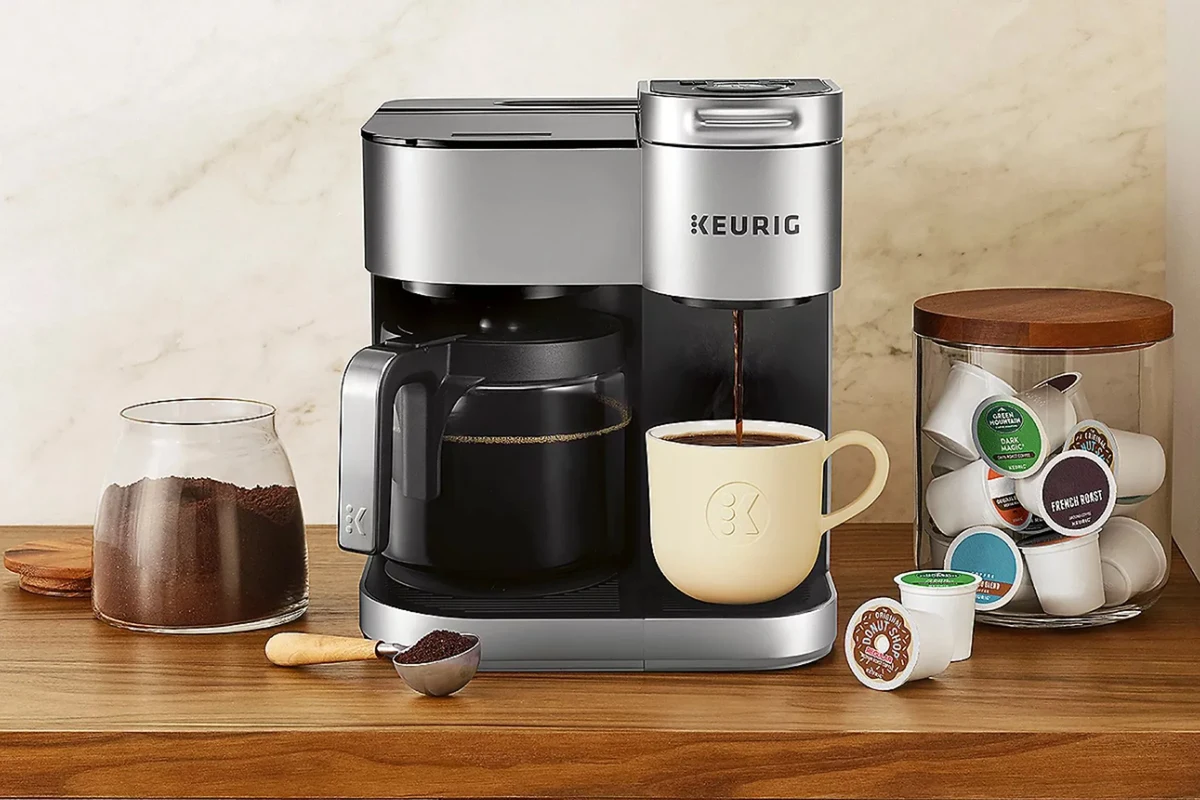
Use this guide to match your brewer type with your taste, space, and cleanup needs.
How Cold Brew Works and Why It Tastes Different
Cold brew uses cold or room-temp water and a long steep time. That slow process pulls flavor from the grounds in a gentler way than hot brewing.
The result often tastes smoother and less sharp. Still, the final cup depends on the beans, grind, water, and steep time.
The basic brewing method in simple terms
You add coffee grounds to water and let them sit. Then you strain out the grounds.
That sounds simple, and it is. But the details matter a lot. Small changes can shift the cup from rich and sweet to thin or muddy.
How time, grind size, and water shape flavor
Coarse grounds usually work best. They help keep the brew clean and slow the extraction.
Steep time also matters. Too short, and the coffee can taste weak. Too long, and it can get harsh or flat.
Cold brew often tastes sweeter because lower heat pulls fewer bitter compounds from coffee.
Why cold brew often tastes less bitter than hot coffee
Hot water pulls flavor fast. It also pulls more bitter notes.
Cold water works more slowly. That slower process often gives cold brew a softer edge and a rounder taste.
Top Cold Brew Maker Types Compared
Not all cold brew makers work the same way. The right type depends on how much you drink and how much cleanup you want.
Immersion brewers for rich, bold flavor
Immersion brewers soak the grounds in water for hours. This style often makes the boldest, fullest cup.
They are a strong choice if you like concentrate or want to mix coffee with milk and ice.
- Rich, bold flavor
- Simple brewing steps
- Good for concentrate
- Needs straining
- Can take fridge space
- Cleanup varies by design
Pitcher-style brewers for easy daily use
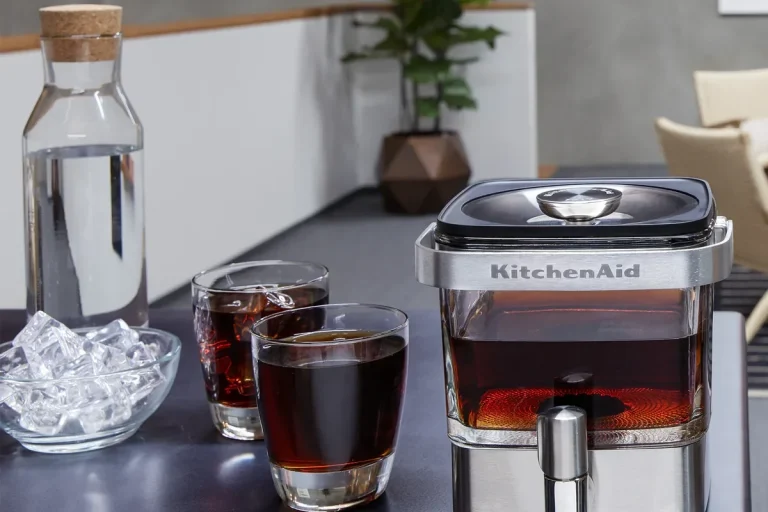
Pitcher-style brewers are made for simple home use. You load the grounds, add water, and let the brewer sit in the fridge.
These are great if you want a familiar shape and easy pouring. They also fit many households well.
Filter-and-drip systems for cleaner cups
Filter-and-drip cold brew makers let water move through coffee more slowly. This can help reduce grit in the cup.
They are a good fit if you dislike sediment. Just keep in mind that filter quality matters a lot.
Concentrate systems for stronger drinks and iced lattes
Some cold brew makers aim for a strong concentrate. That gives you more control when you add water, milk, or ice.
This style works well for iced lattes and coffee drinks. It is less ideal if you want a ready-to-drink brew right away.
| Option | Best For | Key Consideration |
|---|---|---|
| Immersion brewer | Bold flavor | Needs straining and storage space |
| Pitcher-style brewer | Easy daily use | Check fit, lid seal, and filter design |
| Filter-and-drip system | Cleaner cups | Filter quality affects taste and cleanup |
| Concentrate system | Iced lattes and mixed drinks | May need dilution to taste |
What to Look for Before You Buy
The best cold brew maker is not always the fanciest one. It is the one that fits your kitchen and your routine.
Brew size and batch amount
Think about how much coffee you drink in a week. A solo drinker may want a compact brewer.
A family or heavy coffee user may need a larger batch size. Too small, and you will brew too often.
- Check batch size for your weekly use
- Make sure it fits your fridge
- Look for easy cleaning and spare parts
Filter quality and ease of cleaning
A good filter helps keep grounds out of your cup. It can also make pouring less messy.
Cleaning matters just as much. If the brewer has many small parts, daily use can get annoying fast.
Glass, plastic, or stainless steel build
Glass can feel sturdy and clean-tasting, but it may be heavier and more breakable. Plastic is lighter and often easier to handle.
Stainless steel can help with durability and light control. The best choice depends on your kitchen habits and storage needs.
Follow the maker’s care guide for glass, plastic, and metal parts. Avoid cracked or damaged containers.
Storage fit, fridge space, and pour control
Measure your fridge shelf before you buy. Some brewers look compact on the counter but feel bulky in the fridge.
Also check the spout or lid. A poor pour can make a simple task messy.
Cost, value, and replacement parts
Value is more than the sticker price. A brewer with a better filter, easier cleaning, and replacement parts may last longer in real life.
If the brand sells seals, filters, or lids separately, that can help over time.
Best Cold Brew Options by User Type
Here is the easiest way to narrow the field. Match the brewer type to how you actually drink coffee.
Best for beginners
A pitcher-style immersion brewer is usually best for beginners. It keeps the process simple and forgiving.
You do not need many steps or special skills. That makes it easier to get a decent cup on the first try.
Best for strong coffee fans
Choose a concentrate-style immersion brewer if you like bold coffee. It gives you more control over strength.
You can dilute it with water or milk. That makes it useful for both black coffee and iced drinks.
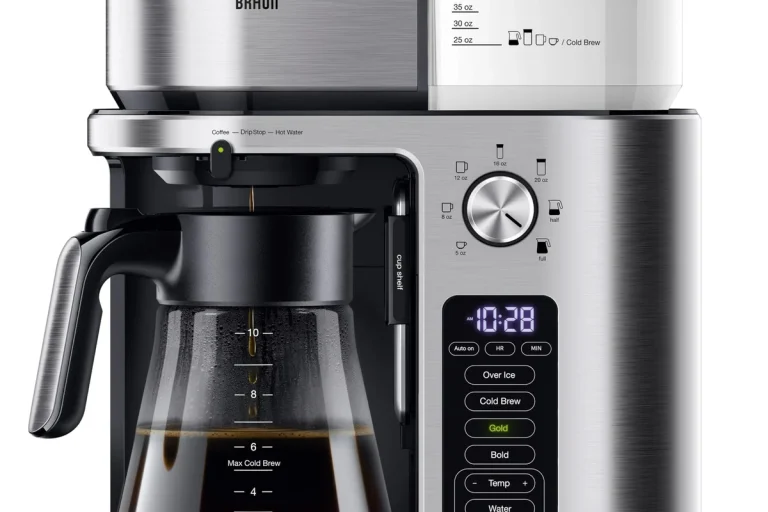
Immersion Cold Brew Brewer
This style is the most balanced choice for smooth, bold flavor. It usually gives the richest result with the least guesswork, though cleanup and fridge fit still matter.
Best for small kitchens
Look for a compact brewer with a slim shape and secure lid. A smaller footprint matters more than people expect.
If fridge space is tight, avoid oversized pitchers. A slim model is easier to store and pour.
Best for budget shoppers
A basic immersion brewer often gives the best value. It keeps the design simple and usually does the job well.
Just make sure the filter and lid feel solid. Cheap parts can become a hassle later.
Best for low-maintenance cleanup
Filter-and-drip systems can be attractive here, but cleanup still depends on the design. Removable parts help a lot.
Look for parts that rinse quickly and do not trap grounds in corners.
- Use coarse grounds for a cleaner cup.
- Rinse parts right after pouring.
- Keep a backup filter if the model uses one.
How to Make Better Cold Brew at Home
Good cold brew is mostly about balance. A few small tweaks can improve taste fast.
Best coffee-to-water ratios for smooth flavor
A common starting point is a stronger ratio for concentrate and a lighter one for ready-to-drink coffee. Exact numbers vary by taste and brewer style.
If your brew tastes too strong, dilute it. If it tastes thin, use more coffee next time.
Recommended grind size and steep time
Use a coarse grind when possible. Fine grounds can make the brew cloudy and hard to strain.
Steep time often lands somewhere around overnight brewing, but the right time depends on the recipe and brewer. Follow the manual first.
How to avoid weak, muddy, or sour brew
Weak coffee often means too little coffee or too much water. Muddy coffee often points to a grind that is too fine.
Sour coffee can happen when the brew is under-extracted. A longer steep or slightly more coffee may help.
Your cold brew tastes flat or watery.
Use a little more coffee, a coarse grind, and a longer steep next time.
Simple serving ideas with milk, water, or ice
Cold brew is easy to customize. Add water if it tastes too strong.
Add milk or a milk alt if you want a softer cup. Ice helps, but too much can water it down fast.
Cleaning, Safety, and Common Mistakes
Cold brew is simple, but it still needs care. Clean parts and safe storage make a big difference in taste.
How often to clean each part
Rinse the brewer after each use. Wash removable parts with warm, soapy water as directed by the manual.
Do a deeper clean on a regular schedule if the maker has seals, filters, or tight corners.
Rinse grounds away and wash removable parts.
Check seals, filters, and lids for wear or buildup.
Safe storage times in the fridge
Cold brew should stay refrigerated. Do not leave brewed coffee out too long.
Storage time can vary by recipe and ingredients, so follow the brewer guide and your food-safety judgment. When in doubt, make smaller batches more often.
Common errors that ruin taste or freshness
Using fine grounds is a common mistake. It can make the brew gritty and bitter.
Another mistake is forgetting the fridge space. A brewer that does not fit well gets used less often.
When to replace filters, seals, or worn parts
Replace worn parts when they no longer fit well or start to leak. A bad seal can hurt both taste and cleanup.
If a filter tears or a lid warps, stop using it until you replace the part.
Stop using any brewer with cracks, leaks, or damaged seals. Follow the manual and replace worn parts.
Final Verdict: Which Cold Brew Is the Best for Most People?
For most home coffee drinkers, the best cold brew is a simple immersion brewer. It gives you smooth, bold flavor with a low learning curve.
If you want cleaner cups, go with a filter-based model. If you want the easiest daily routine, a pitcher-style brewer is still a smart choice.
The best overall pick for smooth bold flavor
The best overall style is an immersion brewer with a solid filter and easy-pour design. That mix usually gives the best balance of taste and convenience.
It is the safest recommendation for most kitchens because it fits many routines without much fuss.
The best value pick and the best premium pick
The best value pick is usually a basic immersion brewer with few parts. It keeps things simple and still makes strong coffee.
The best premium pick is often a well-made stainless steel or glass brewer with a strong seal and reusable filter. That can improve durability and long-term comfort.
Final recommendation based on taste, ease, and budget
If you want the short answer to which cold brew is the best, choose the brewer that makes rich coffee and cleans up fast. For most people, that means an immersion brewer.
Then narrow by space, budget, and cleanup. That way, you end up with a brewer you will actually use.
The best cold brew for most people is a simple immersion brewer with a good filter and easy cleanup. Choose a pitcher-style model if you want the simplest daily routine, or a filter-and-drip system if you care most about a cleaner cup.
Frequently Asked Questions
An immersion brewer is usually the best all-around choice. It makes rich coffee, keeps the process simple, and works well for daily use.
Use a coarse grind when possible. Fine grounds can make the brew muddy and harder to strain.
Steep time varies by brewer and recipe, but overnight brewing is common. Follow the manual and adjust based on taste.
Use more coffee, a coarser grind, or a longer steep next time. You can also reduce added water when serving.
Rinse it after each use and wash removable parts with warm, soapy water. Check seals and filters often for buildup or wear.
Check batch size, fridge fit, filter quality, cleanup, and replacement parts. Also review the manual and warranty before you buy.