How to Make Pizza Sauce from Tomato Paste Fast and Easy

Tomato paste makes fast pizza sauce when you thin it with a little water and season it well. Start small, taste as you go, and you’ll have a simple sauce in minutes.
If you need pizza sauce fast, tomato paste is the easiest shortcut. Mix it with water, oil, and a few seasonings, and you’ve got a rich sauce in minutes.
- Fast base: Tomato paste gives you thick sauce without long cooking.
- Easy ratio: Start with equal parts paste and water, then adjust.
- Best flavor: Use salt, oregano, garlic powder, and a little olive oil.
- Fixes matter: Add water slowly or more paste if texture feels off.
- Storage tip: Chill leftovers in a sealed container and freeze extra sauce.
How to Make Pizza Sauce from Tomato Paste Fast and Easy
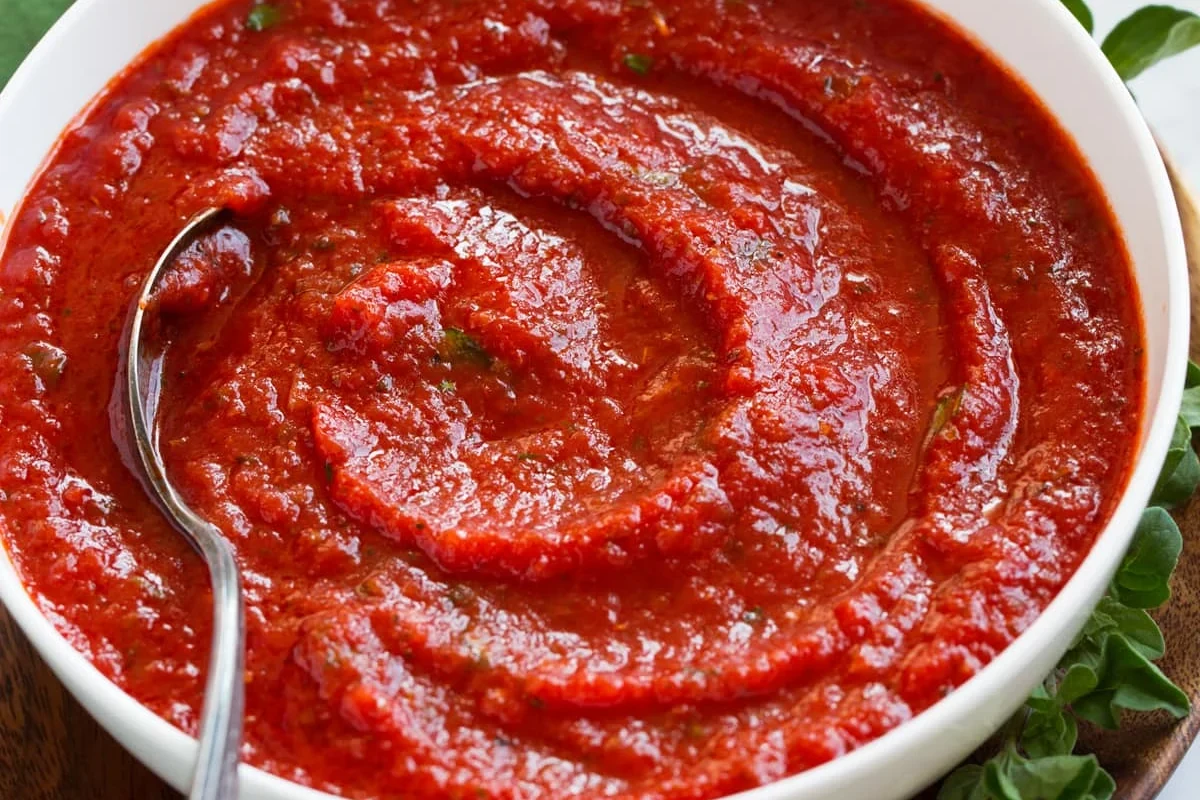
This method works well when you want homemade pizza without a long simmer. It gives you a thick, bold sauce that spreads easily and tastes close to classic pizzeria sauce.
In short: tomato paste makes a quick pizza sauce that is simple, cheap, and flexible.
The quick answer for busy home cooks
Start with tomato paste and thin it with a little water. Then add olive oil, garlic powder, onion powder, salt, and dried herbs.
A basic mix is easy to remember. Use 1 part tomato paste to about 1 part water, then season to taste.
In short: stir, taste, and adjust until the sauce feels right for your pizza.
Why tomato paste works so well for pizza sauce
Tomato paste is already thick and packed with tomato flavor. That means you do not need to cook it down for a long time.
It also gives you control. You can make the sauce sweeter, sharper, saltier, or more herby based on your taste.
For busy nights, that control matters. You can match the sauce to thin crust, deep dish, or even a quick flatbread.
In short: tomato paste saves time because the hard part is already done.
What You Need for a Simple Pizza Sauce
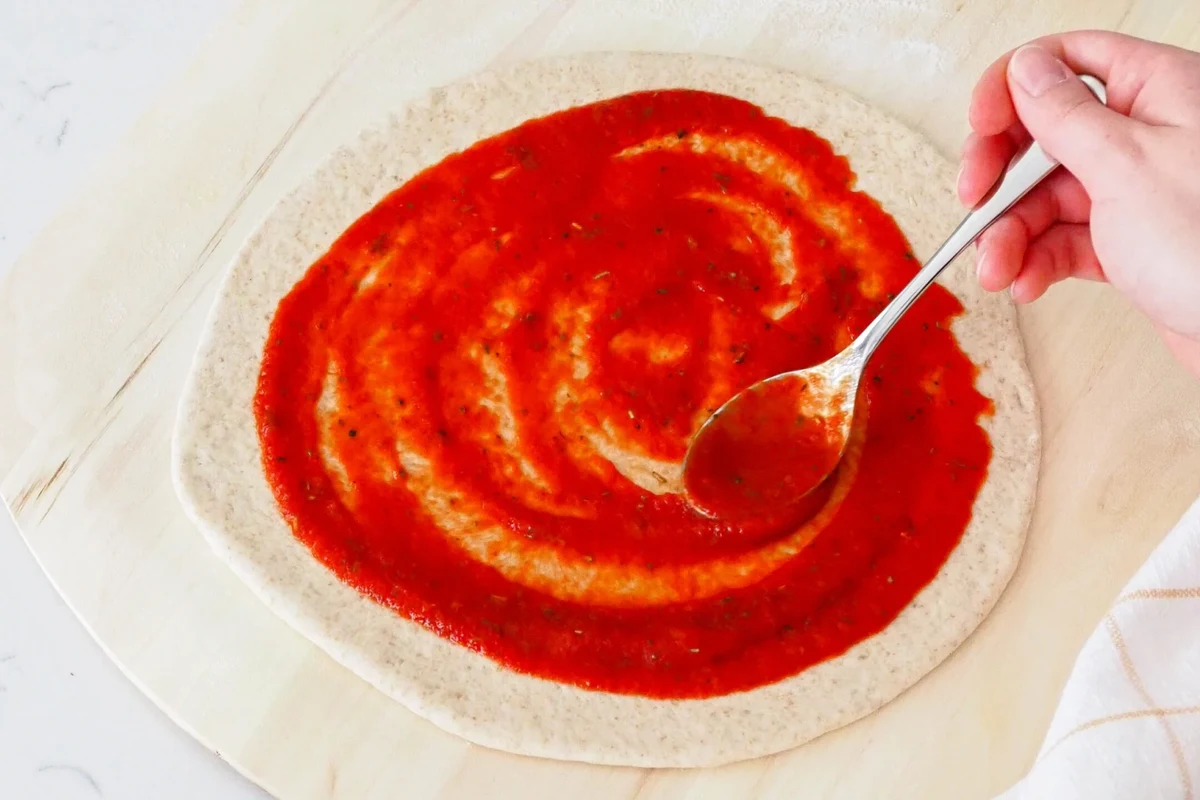
You do not need a long list of items. Most kitchens already have what it takes.
Water
Olive oil
Salt
Garlic powder
Dried oregano
Core ingredients and their job in the sauce
Each ingredient has a clear job. Tomato paste gives body and deep tomato taste. Water loosens the paste so it spreads well.
Olive oil adds a smoother feel and helps the sauce taste richer. Salt wakes up the flavor. Garlic and oregano give it that pizza shop smell and taste.
In short: each part helps the sauce taste fuller, not just more tomato-like.
Best tomato paste types to buy
Most tomato paste works fine. Look for plain paste with no extra seasoning if you want full control.
Canned paste, tube paste, and boxed paste can all work. Tube paste is handy if you use small amounts often, since you can close it again.
Ingredients and salt levels can vary by brand. Check the label if you want a low-salt or no-added-sugar option.
In short: choose the plainest paste you can find if you want the most flexible sauce.
Optional add-ins for more flavor
You can keep the sauce simple, or you can build more flavor. A small pinch of sugar can soften sharp tomato taste.
Red pepper flakes add heat. Basil gives a sweeter herb note. A little grated Parmesan can make the sauce taste richer, but it is optional.
Try small amounts first. It is easier to add flavor than to take it away.
In short: optional add-ins help, but the basic sauce should already taste good.
Step-by-Step: Turning Tomato Paste into Pizza Sauce
This part is quick. You can make the sauce in one bowl with a spoon or small whisk.
Add tomato paste to a bowl. Stir in a little water and olive oil until smooth.
Mix in salt, garlic powder, oregano, and onion powder. Taste before adding more.
Let the sauce sit for a few minutes. This helps the dried herbs bloom and soften.
Mixing the base the right way
Start with the tomato paste in a bowl. Add water slowly, not all at once. Stir well after each splash.
This helps you avoid a thin, watery sauce. It also keeps little lumps from forming.
In short: slow mixing gives you better control over texture.
How much water to add for the best texture
The right amount depends on how thick you like your sauce. A thicker sauce is good for thin crust pizza. A slightly looser sauce spreads more easily on thicker dough.
Start with a small amount of water. Add more only if the sauce feels too stiff to spread.
Add water slowly so the sauce stays thick enough for pizza.
In short: you want spreadable, not runny.
Seasoning for classic pizzeria taste
The classic pizza flavor usually comes from simple dried herbs and garlic. Oregano is the main note. Basil and onion powder help round it out.
Salt matters more than many cooks expect. If the sauce tastes flat, it may just need a little more salt.
For a more balanced sauce, add a tiny pinch of sugar. That can soften the sharp edge of tomato paste.
In short: simple seasoning often tastes more like pizza than fancy extras do.
Flavor Tips, Ratios, and Texture Fixes
Small changes make a big difference here. A spoonful more water or a pinch more salt can change the whole sauce.
How to make the sauce thicker or thinner
If the sauce is too thick, stir in water one teaspoon at a time. If it gets too thin, add a little more tomato paste.
Do not rush this step. Tomato paste can seem stiff at first, then loosen quickly.
- Use small spoonfuls when adjusting texture.
- Test the sauce on a spoon before spreading it on dough.
- Keep extra paste nearby in case you thin it too much.
In short: tiny changes are safer than big ones.
How to balance sweet, salty, and tangy notes
Tomato paste can taste sharp on its own. A little sugar can soften that edge. A little salt can make the sauce taste fuller.
If the sauce still feels harsh, add a few drops of olive oil. That can smooth the flavor and mouthfeel.
In short: balance comes from small tweaks, not heavy seasoning.
How long the sauce should sit before using
Even five to ten minutes helps. That short rest gives the dried herbs time to soften and blend.
If you have more time, let it sit longer in the fridge. The flavor usually gets better after a short rest.
In short: a brief wait can make a simple sauce taste more finished.
Common Mistakes to Avoid
Most pizza sauce problems come from rushing the mix. The good news is that they are easy to fix.
Using too much water or too little seasoning
Too much water makes the sauce weak and runny. Too little seasoning leaves it flat and dull.
Start small with both water and spices. Then taste and adjust.
The sauce looks pale or tastes bland.
Add more tomato paste, a pinch of salt, and a little oregano.
In short: weak sauce usually needs less water or more seasoning.
Skipping taste tests before spreading the sauce
Always taste the sauce before it goes on the dough. Once it is on the pizza, fixing it gets much harder.
A quick taste tells you if it needs salt, sweetness, or more herbs. This step takes seconds and saves the whole pizza.
In short: taste first, then spread.
Overcooking a sauce that should stay fresh
This shortcut sauce does not need long cooking. In fact, cooking it too much can dull the bright tomato taste.
If you want a fresh, fast pizza sauce, mix and rest it. That is usually enough.
In short: this is a no-fuss sauce, not a long simmer sauce.
Storage, Safety, and Clean-Up Tips
Leftover sauce stores well, but only if you handle it the right way. Keep food safety simple and practical.
Refrigerate leftover sauce promptly. Do not leave it out at room temperature for long periods.
How to store leftover sauce safely
Put leftover sauce in a clean, sealed container. A small jar or food-safe box works well.
Let the sauce cool first if you made it warm. Then place it in the fridge.
In short: seal it, chill it, and use clean utensils each time.
How long it keeps in the fridge or freezer
Storage time depends on the ingredients and how clean the container is. In general, homemade sauce keeps longer in the freezer than in the fridge.
If you freeze it, use a small container or ice cube tray for easy portions. Thaw it in the fridge before use.
In short: freeze extra sauce if you do not plan to use it soon.
Easy cleanup for bowls, spoons, and jars
Tomato paste stains easily, so rinse tools soon after use. Warm water helps loosen the sauce before it dries.
A quick wash saves scrubbing later. This matters even more with plastic containers and light-colored bowls.
Rinse bowls and spoons right away, then wash with warm soapy water.
Check jars and lids for stains, odors, or cracks before reuse.
In short: clean up fast so tomato stains do not set.
Cost, Value, and When This Shortcut Makes Sense
Tomato paste is one of the easiest budget ingredients in the pantry. You only need a small amount to make a useful sauce.
Why tomato paste is budget-friendly
A single can or tube can make several pizzas, depending on how much sauce you use. That makes it a smart choice for simple home cooking.
It also cuts waste. You do not need to open a full jar of sauce if you only want a small batch.
In short: tomato paste gives you more control over cost and portion size.
Best times to use this fast sauce instead of jarred sauce
This shortcut makes sense when you want speed, small portions, or more control over flavor. It is also useful when your pantry is low.
If you like a stronger tomato taste, this method can work better than many store-bought sauces. You season it exactly how you want.
Tomato paste is made by cooking tomatoes down into a thick concentrate, so it starts with a bold flavor.
In short: use this when quick control matters more than opening a jar.
When a from-scratch sauce may be worth the extra time
From-scratch sauce can be worth it when you want a fresher, softer tomato taste. It may also suit recipes that need a more layered flavor.
That said, it takes more time and more ingredients. For a weeknight pizza, the paste method often wins.
In short: make sauce from scratch when flavor depth matters more than speed.
Final Recommendation from Red Kitchen Project
For most home cooks, this is the fastest reliable way to make pizza sauce. It is simple, flexible, and easy to adjust after a quick taste.
Who should use this method
This method is best for busy cooks, beginners, and anyone making one or two pizzas. It also works well if you want to use pantry staples.
If you like full control over salt, herbs, and thickness, you will probably enjoy this shortcut. It keeps the process easy without feeling bland.
In short: this is a great everyday pizza sauce method.
Simple takeaways for the best homemade pizza night
Start with tomato paste, add water slowly, and season with simple herbs. Taste before you spread the sauce, and adjust as needed.
Keep leftovers in a sealed container and clean your tools soon after use. That way, the next pizza night starts even easier.
Tomato paste is a smart shortcut for quick pizza sauce, especially when you want speed and control. If you have more time and want deeper flavor, a slow from-scratch sauce may still be worth it.
In short: for fast, easy homemade pizza, tomato paste sauce is hard to beat.
Frequently Asked Questions
A simple starting point is one part tomato paste to about one part water. Then add salt, olive oil, and dried herbs to taste.
You can, but it will be too thick for most pizzas. Mixing in a little water makes it spread more evenly.
Add a small pinch of sugar and a little olive oil. Taste again before adding more.
Let it sit for at least five to ten minutes if you can. That gives the herbs time to blend into the sauce.
Store it in a sealed container in the fridge and use it soon. For longer storage, freeze small portions and thaw them in the fridge.
Yes, this shortcut sauce is meant to be mixed and used fresh. Cooking it longer is usually not needed.