Are French Press Coffee Makers Worth It for Daily Use

Yes, a French press is worth it if you want bold coffee and simple gear. It is less worth it if you want the fastest brew or the cleanest cup.
Yes, a French press can be worth it for daily use if you want bold flavor, low cost, and a simple brew method. It’s less ideal if you want the cleanest cup, the fastest routine, or the least cleanup.
- Best for flavor: French press coffee tastes rich and full-bodied.
- Main trade-off: You get more sediment and more cleanup.
- Good value: It needs few parts and no paper filters.
- Buying tip: Check size, filter fit, and heat retention first.
- Daily use tip: Coarse grind and careful cleaning improve results.
Are French Press Coffee Makers Worth It for Daily Use?
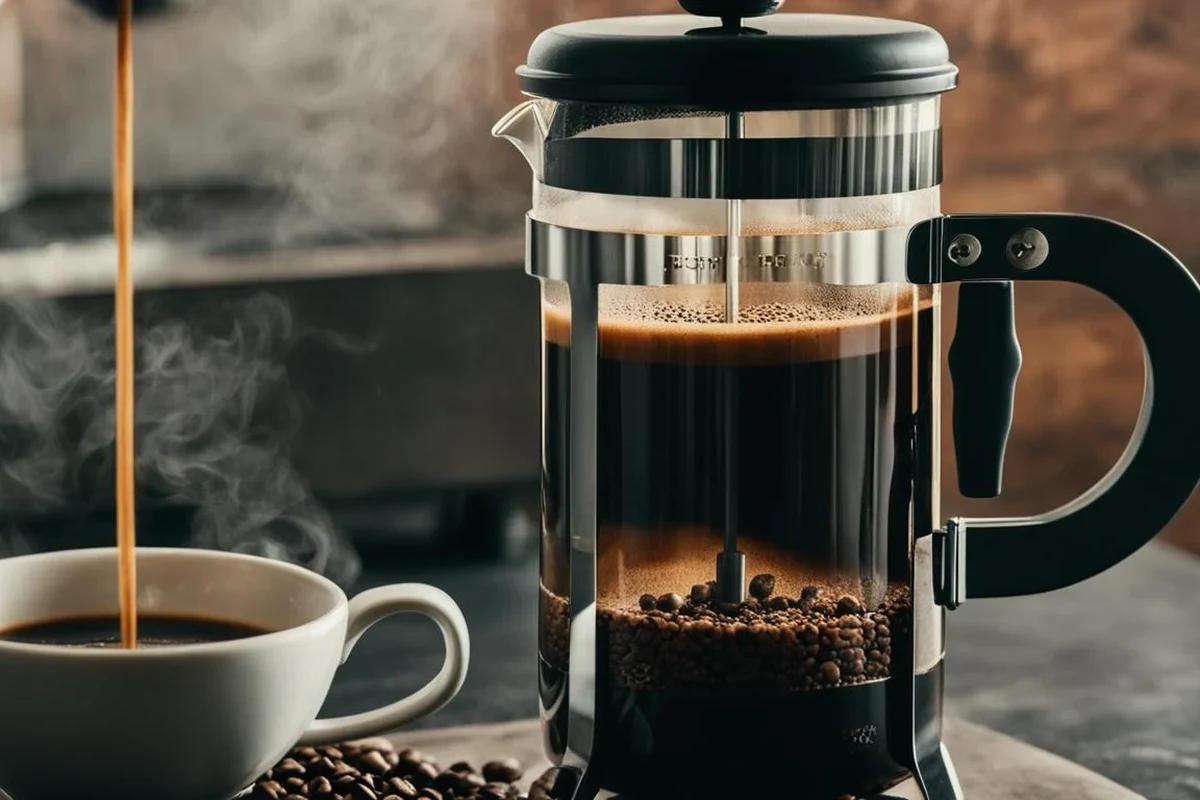
For many home coffee drinkers, the French press hits a sweet spot. It gives you strong taste, simple setup, and very little gear.
However, it also asks for a little more hands-on work than drip coffee. If you care most about speed and a spotless cup, another brewer may fit better.
Quick answer: who should and should not buy one
A French press is a good buy for people who like rich, full coffee and don’t mind a few extra steps. It also works well if you want a low-cost brewer with no paper filters.
It may not be the best pick for busy mornings, light coffee fans, or people who hate sediment. In short, it rewards a little effort with a lot of flavor.
What “worth it” means for taste, time, and cost
“Worth it” depends on what you value most. Some people want the best taste for the least money. Others want the fastest path from bean to cup.
A French press scores well on taste and value. It scores lower on cleanup and convenience. That trade-off is the real question.
How a French Press Works and Why It Tastes Different
A French press uses immersion brewing. That means the coffee grounds steep in hot water instead of dripping through a filter.
This method changes both flavor and texture. The result often feels heavier, richer, and more full-bodied.
The basic brewing process in simple steps
Use a coarse grind so the filter can work well.
Let the grounds soak evenly for the best flavor.
Press the filter down slowly and pour right away.
The process is easy to learn. Still, small changes in grind, water, and time can change the cup a lot.
How immersion brewing changes flavor and body
Because the grounds stay in contact with water, more oils and fine particles stay in the drink. That often creates a fuller mouthfeel.
Many people describe French press coffee as bold and round. On the other hand, it can taste heavier than drip coffee.
French press coffee often keeps more natural coffee oils because it usually skips paper filters.
Why grind size, water temp, and steep time matter
French press coffee depends on balance. If the grind is too fine, the cup can turn muddy and hard to press.
If the water is too hot, the coffee can taste bitter. If steep time runs too long, the brew can also get harsh.
Fresh hot water
French press brewer
Stirring spoon
Main Benefits of Using a French Press Every Day
The French press keeps its appeal because it does a few things very well. It gives strong coffee, costs less than many machines, and stays simple.
Rich flavor and full body
This is the biggest reason people keep using it. The brew often tastes deep, smooth, and satisfying.
If you like dark roast coffee or a cup with more weight, a French press can be a great fit. It can make everyday coffee feel more special.
Low cost and no paper filters
A French press usually costs less than many electric coffee makers. You also don’t need paper filters for each brew.
That can make it a smart long-term choice. For a lot of households, the low running cost is a real plus.
Simple design with few parts to replace
Most French presses have a carafe, plunger, and filter screen. That simple setup makes them easy to understand.
There are fewer moving parts than in many electric brewers. In many cases, that means fewer things to break.
Good choice for home, travel, and small kitchens
A French press can work in a small apartment, a dorm, or a travel bag. It doesn’t need a big base or a power cord.
That makes it handy for tight counters and simple setups. It also helps if you want one brewer for home and trips.
- Bold, full coffee flavor
- No paper filters to buy
- Simple design with few parts
- Works well in small spaces
Limits and Drawbacks to Know Before You Buy
A French press is not perfect. The same traits that help flavor can also create a few daily annoyances.
Sediment and less clean cups
French press coffee often has more fine grounds in the cup. Some people enjoy that body, but others find it gritty.
If you want a very clean, bright cup, this style may disappoint you. A paper-filter brewer usually makes a clearer drink.
More cleanup than drip coffee
You must empty the grounds and rinse the parts after use. That takes more effort than pushing a button on a drip machine.
It isn’t hard, but it does add a small chore to your routine. If you brew every day, that matters.
Heat loss during brewing
Some French presses lose heat faster than insulated brewers. That can affect taste, especially in cooler rooms.
Stainless steel models often hold heat better than glass. Still, results vary by model and room temperature.
Not ideal for people who want fast, hands-off coffee
If you want coffee while you get ready, a French press may feel slow. It needs steeping time and a little attention.
It works best when you can pause for a few minutes. If not, a drip machine or pod brewer may suit you better.
- Bold flavor and rich body
- Low-cost, simple design
- No paper filters needed
- More sediment in the cup
- More cleanup than drip coffee
- Less convenient for rushed mornings
What to Look for in a French Press Coffee Maker
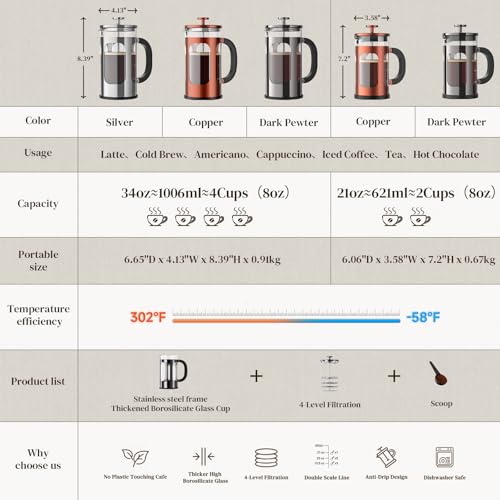
Not all French presses feel the same in daily use. The body material, filter, and size can change your experience a lot.
Glass, stainless steel, or plastic body
Glass gives you a classic look, but it can break more easily. Stainless steel usually holds heat better and feels sturdier.
Plastic models can be lighter and more travel-friendly. The best choice depends on how you plan to use it.
Filter quality and plunger fit
A better filter helps keep grounds out of the cup. A snug plunger also makes pressing smoother.
If the fit feels loose, you may get more grit. That can hurt the final cup and make cleanup messier.
Size options for one person or a family
Think about how much coffee you make at once. A small press can suit one person or two cups.
A larger model makes more sense for families or guests. Buying too big can waste coffee if you rarely fill it.
Heat retention and build quality
If you brew often, heat retention matters. Better insulation can help keep coffee at a better serving temperature.
Build quality also affects how long the press lasts. Check the lid, handle, and screen fit before buying.
Easy-to-clean design and spare parts
Some presses are easier to take apart and rinse. That can make daily use much less annoying.
It also helps if replacement screens or seals are available. Model-specific parts can vary, so check before you buy.
- Pick the right size for your daily cups
- Check the filter fit and handle comfort
- Review cleaning needs and spare part access
- Read the manual and warranty details
Common Mistakes That Hurt Daily Results
Most French press problems come from a few avoidable habits. Once you fix them, the coffee usually gets much better.
Using the wrong grind size
Too fine a grind can clog the filter and make the cup muddy. Too coarse can leave the brew weak.
Coarse, even grounds usually work best. If your coffee tastes off, grind size is one of the first things to check.
Brewing too long or too short
Under-steeping can leave the coffee thin and sour. Over-steeping can make it bitter and rough.
Steep time varies by bean and taste, but consistency matters most. Start with a simple routine and adjust from there.
Using water that is too hot
Boiling water can scorch the grounds and flatten the flavor. Very cool water can under-extract the coffee.
Use hot water, but don’t rush in with a hard boil. Let it settle a bit if needed.
Skipping a proper rinse and clean
Old grounds and oils can build up fast. That can make the next cup taste stale.
A quick rinse after each use helps a lot. A deeper clean now and then keeps the press working well.
The coffee tastes gritty, bitter, or weak.
Check grind size first, then adjust steep time and water temperature.
Cleaning, Safety, and Maintenance Tips
French press care is simple, but it matters. Clean parts help flavor, and safe handling helps prevent breaks and burns.
How to clean the press after each use
Let the press cool a bit before cleaning. Then discard the grounds and rinse the parts well.
Use warm water and mild soap if needed. Dry the parts fully so moisture doesn’t linger.
How to deep clean the filter and plunger
Fine oils and grounds can build up in the screen. Take the filter apart when your model allows it.
Rinse each piece carefully and check for trapped residue. Follow the manual for any model-specific cleaning steps.
Empty grounds, rinse all parts, and dry the press well.
Inspect the screen, plunger fit, and seals for wear or buildup.
Glass break risk and safe handling tips
Glass presses can crack or break if dropped or hit hard. Handle them with care, especially when hot.
Important: If the carafe is chipped, cracked, or loose in the frame, stop using it. Follow the manufacturer’s safety guidance.
Hot glass, steam, and metal parts can cause burns. Let the brewer cool before washing or moving it.
How to keep seals and screens working well
Check the seal and mesh screen for wear. A damaged seal can affect pressing and let more grounds through.
If parts warp or no longer fit well, replace them if the maker offers spares. If not, it may be time for a new press.
Follow the appliance manual and stop using damaged equipment.
Final Verdict: Is a French Press Worth It for You?
For the right person, yes, a French press is worth it. It gives strong flavor, low running cost, and a simple routine.
It is best for coffee lovers who enjoy a fuller cup and don’t mind a little cleanup. If you want speed, a cleaner brew, or less hands-on work, a drip machine or another brewer may be a better fit.
Best for coffee lovers who want flavor and control
Choose a French press if you like to tweak grind, time, and strength. That control makes it fun for people who enjoy coffee as a daily ritual.
It also suits small kitchens and simple setups. You don’t need much space or many accessories.
Better alternatives for speed or low cleanup
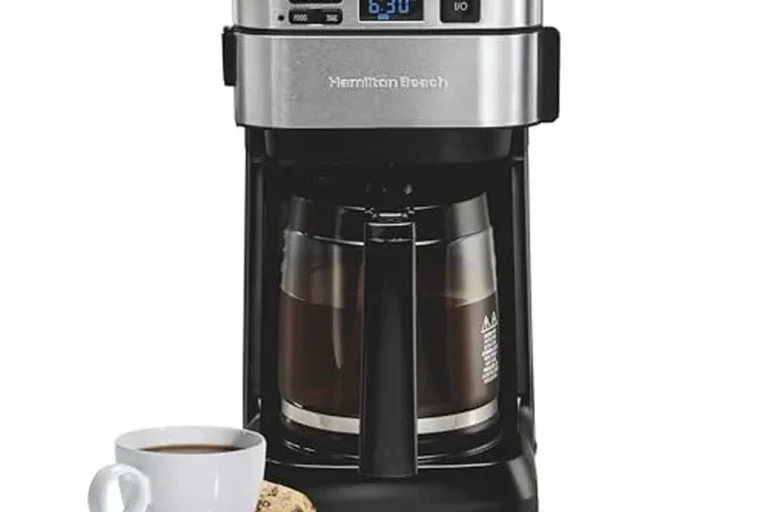
If you want fast, push-button brewing, a drip coffee maker may be easier. If you want very clean cups with less sediment, a paper-filter brewer can help.
Those options trade some body for convenience. That’s often the right trade for busy homes.
Clear buying recommendation for 2026 readers
In 2026, the French press still makes sense for value-focused coffee drinkers. It remains one of the easiest ways to brew rich coffee at home.
Before buying, check the size, filter quality, body material, and cleaning needs. Also review the manual, warranty, and any safety notes from the maker.
A French press is worth it if you want bold coffee and a simple, low-cost brewer. Skip it if you care more about speed, low cleanup, or a very clean cup.
- Great flavor and low cost make the French press appealing.
- Sediment, cleanup, and heat loss are the main trade-offs.
- Choose the right size and build for your daily routine.
- Good technique and cleaning improve results a lot.
Frequently Asked Questions
A coarse, even grind usually works best. Fine grounds can clog the filter and make the coffee muddy.
Steep time varies by bean and taste, but consistency matters most. Start with a simple routine and adjust if the cup tastes weak or bitter.
Use hot water, but don’t rush in with a hard boil. Very hot water can scorch the grounds and hurt flavor.
Let it cool, discard the grounds, and rinse the parts well. Use warm water and mild soap if needed, then dry it fully.
Check size, filter quality, body material, cleaning needs, and spare parts. Also review the manual, warranty, and safety notes from the maker.
It depends on what you value most. A French press gives richer flavor, while drip coffee usually wins on speed and cleanup.