What Is the Best Nitro Cold Brew Coffee Maker for You

The best nitro cold brew coffee maker depends on your space, budget, and how often you drink it. For most homes, a compact canister system is the easiest value pick, while keg systems give the closest cafe-style result.
If you want the best nitro cold brew coffee maker, the right choice depends on how you brew, serve, and clean at home. For most people, a simple whipper canister or a compact keg system gives the best mix of taste, ease, and value.
- Best overall: A compact canister system works well for many home users.
- Best premium: Keg-style systems give the closest cafe-like nitro pour.
- Best for small kitchens: Manual or canister setups save space and cleanup time.
- Key factor: A strong cold brew base matters as much as the maker.
What Is the Best Nitro Cold Brew Coffee Maker for You?
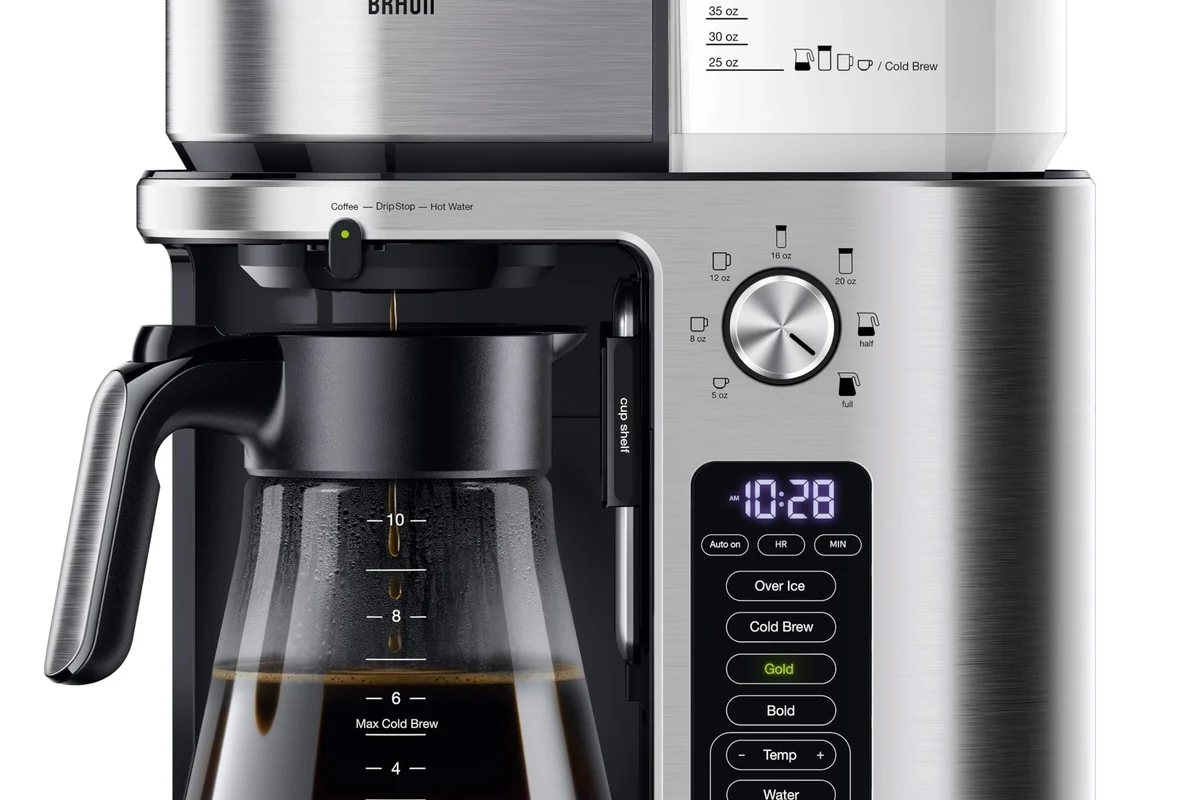
Nitro cold brew is one of those drinks that feels fancy but can fit into a home routine. The best maker is the one that matches your space, your budget, and how often you drink it.
Some people want a near cafe-style pour. Others just want smooth coffee on tap without a lot of fuss. That difference matters more than brand hype.
Direct answer: the best choice depends on your home setup, budget, and serving style
If you want the closest match to cafe nitro, a keg-style system is usually the top pick. It gives you more control and often better pour quality.
If you want a lower-cost, smaller setup, a whipper canister can be a smart choice. It works well for small batches and casual use.
If you want easy daily use and don’t mind a larger footprint, a countertop nitro machine may suit you best. It trades space and cost for convenience.
Quick verdict: who should buy a home keg system, a whipper canister, or a tap machine
Best for people who want the most cafe-like result.
Best for small batches, tight budgets, and simple storage.
Best for frequent use and a quick, easy pour.
In short: the best maker is the one you’ll actually use often.
How Nitro Cold Brew Works at Home
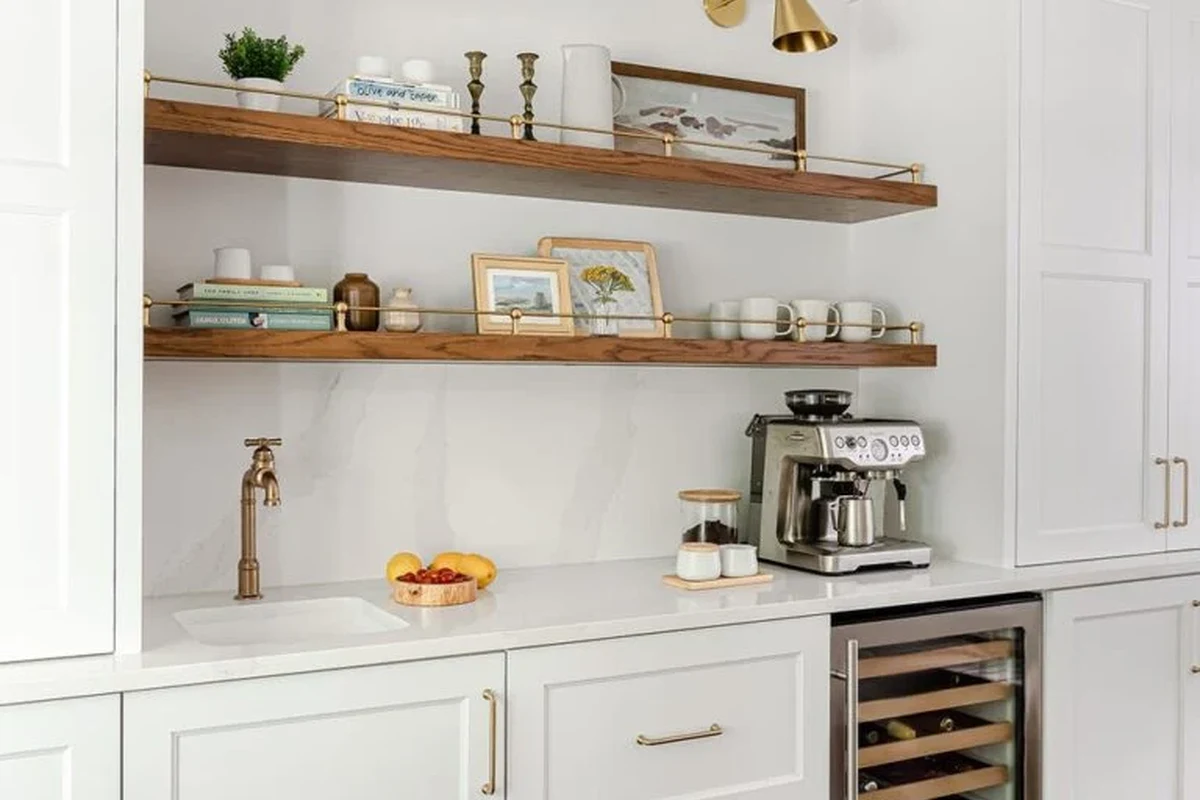
Nitro cold brew starts with cold brew coffee. Then nitrogen gets added under pressure, which changes the drink’s feel.
That process makes the coffee look creamy even when it contains no milk. It also gives the drink a soft, foamy head.
What nitro cold brew is and why it tastes so smooth
Nitro cold brew is cold brew coffee infused with nitrogen gas. The gas makes the drink feel lighter and smoother on the tongue.
Because the coffee starts cold, it often tastes less sharp than hot-brewed coffee. That smooth feel is a big part of the appeal.
Nitrogen creates tiny bubbles, which helps give nitro coffee its creamy look and silky texture.
How nitrogen changes texture, foam, and flavor
Nitrogen makes very small bubbles. Those bubbles give the drink its thick, smooth mouthfeel.
It also creates a foamy top when you pour the coffee. That foam is part of the classic nitro look.
The flavor can seem sweeter, even without sugar. That happens because the texture softens bitterness.
Why cold brew base matters more than many buyers expect
The maker can only do so much. The cold brew base still sets the flavor.
If the base tastes weak, the nitro drink will taste weak too. If the base is over-steeped, the drink may turn bitter or muddy.
Results vary by coffee beans, grind size, steep time, water quality, and the maker’s gas setup.
Types of Nitro Cold Brew Coffee Makers
There are a few main styles. Each one has a different balance of cost, size, and ease.
Keg-style systems for the closest cafe-style pour
Keg-style systems use a pressurized keg or growler setup. They often give the most polished pour at home.
They can hold more coffee and serve several drinks in a row. That makes them a strong fit for frequent drinkers.
Keg-style nitro system
This style is often the best choice for people who want strong control and a cafe-like result. The trade-off is more cleanup, more parts, and more space use.
Whipped cream canister systems for small batches and low cost
These systems use a canister and gas charger. They are usually simpler and cheaper than keg setups.
They work well for one or two servings. They are also easier to store in a small kitchen.
Countertop nitro machines for easy daily use
Countertop machines aim to make the process simple. Many are designed for quick pouring and less manual setup.
They can be a good fit if you want convenience more than tinkering. The downside is that they may take up more room.
Manual infusion tools and why they fit some users better
Manual tools are for people who want the smallest, simplest setup. They often rely on a charger and a container you already own.
They can be a good entry point. Still, they may not match the foam or control of larger systems.
- Low cost and simple storage
- Good for small households
- Smaller batch size
- Less control over texture
Key Features to Compare Before You Buy
Before you choose a maker, compare the parts that shape daily use. That includes gas, size, cleanup, and what kind of coffee base it accepts.
Nitrogen source and pressure control
Some makers use nitrogen cartridges. Others use built-in systems or larger gas setups.
Pressure control matters because it affects foam and flow. Better control often means better results, but it can also raise cost.
Capacity, batch size, and serving speed
Think about how many drinks you make at once. A single-serve setup may be fine for one person.
If you host guests, a larger system may save time. Small systems can feel slow if you need several pours in a row.
Material quality, cleaning ease, and durability
Look for parts that resist stains and rinse cleanly. Stainless steel and other sturdy materials often hold up better over time.
Easy cleanup matters more than many shoppers expect. If cleaning feels annoying, the machine may sit unused.
- Check capacity and counter space
- Review cleaning steps in the manual
- Confirm gas type and refill needs
- Read the warranty and return terms
Size, storage needs, and kitchen space
Some nitro makers stay on the counter. Others need fridge space or cabinet storage.
Measure before you buy. A good machine that does not fit your kitchen is still a bad buy.
Compatibility with cold brew concentrate and filters
Not every maker works the same way with every brew base. Some need a concentrate. Others work best with a specific steeping method.
Check the manual or product page for filter needs and brew strength guidance. That step can save a lot of frustration.
Best Nitro Cold Brew Coffee Maker Options by User Type
The best option changes with your routine. Here is a simple way to narrow it down.
Best for beginners who want simple setup
Choose a whipper canister or a basic starter system. These are usually easier to learn and store.
You may give up some foam control, but the trade-off can be worth it.
Best for serious coffee fans who want cafe-style results
A keg-style system is often the best fit here. It gives you more room to fine-tune the drink.
If you care about pour feel and texture, this style is often the most satisfying.
Best for small kitchens and occasional use
A compact manual tool or canister system usually makes the most sense. It takes less space and costs less to keep around.
For occasional treats, that can be all you need.
Best for families, hosts, or heavy coffee drinkers
A larger keg or countertop machine is usually better for repeated use. It handles more servings without constant refilling.
That can matter a lot during brunch, weekends, or busy mornings.
Best budget-friendly option and what you give up
The budget-friendly choice is often a canister-based system. It lowers the entry cost and keeps the setup simple.
What you give up is usually batch size, pressure control, and sometimes foam quality.
Benefits, Limits, and Common Mistakes
Nitro cold brew has real appeal. Still, home systems have limits, and many problems come from setup mistakes.
Why nitro cold brew is smoother, less acidic, and more fun to drink
Cold brew already tastes softer than hot coffee for many people. Nitrogen makes it feel even smoother.
The foam and cascading pour also make the drink more fun. That’s part of why people enjoy making it at home.
Where home systems fall short compared with coffee shops
Some home systems do not match cafe pressure, flow, or foam quality. That does not mean they are bad.
It just means the result may be a little different. For many homes, that difference is small enough to live with.
Common mistakes with grind size, brew time, gas pressure, and storage
Too fine a grind can make the brew bitter or hard to filter. Too coarse can make it taste weak.
Oversteeping can also hurt flavor. So can using the wrong gas setup or storing the coffee too long.
How to avoid weak flavor, flat foam, and clogged parts
Start with a strong cold brew base. Then follow the maker’s fill lines and gas instructions closely.
Clean filters, valves, and pour parts on schedule. Small clogs can quickly turn into bigger problems.
The coffee tastes flat or watery.
Use a stronger cold brew base and check that the gas source is installed correctly.
Safety, Cleaning, and Maintenance Tips
Nitro systems are not hard to manage, but they do need care. Pressurized parts and food-contact parts both matter.
Safe handling of nitrogen cartridges and pressurized parts
Follow the manual every time you load or remove cartridges. Never force parts that do not fit.
Keep damaged seals, cracked parts, and leaking components out of use. If something looks wrong, stop and replace it.
Follow the appliance manual and stop using damaged equipment.
How often to clean each type of maker
Clean after each use when the design allows it. That helps prevent stale flavor and buildup.
Do a deeper clean on the schedule listed by the maker. Some systems need more care than others.
Rinse food-contact parts and dry them fully.
Check seals, lines, filters, and pour parts for buildup.
Simple maintenance steps that keep flavor fresh
Use fresh cold brew. Old coffee can taste dull fast.
Dry parts fully before storage. Moisture can lead to off flavors or residue.
Replace worn seals and filters when the maker calls for it.
Signs your maker needs a deep clean or replacement parts
Watch for weak foam, strange smells, slow pouring, or visible buildup. These are common signs that the system needs attention.
If cleaning does not fix the issue, check the manual for replacement parts. Do not open sealed electrical parts yourself.
- Rinse parts soon after use to reduce buildup.
- Keep a spare filter or seal if the maker supports it.
- Store cold brew in a sealed container.
Final Recommendation: Which Nitro Cold Brew Maker Is Worth It in 2026?
In 2026, the best nitro cold brew coffee maker for most home users is the one that keeps cleanup simple while still giving a good pour. That usually means a compact canister system for casual drinkers or a keg-style system for serious fans.
Best overall pick based on value, ease, and drink quality
A compact whipper canister system is often the best overall value. It is easier to store, simpler to learn, and good enough for many homes.
Best premium choice for the closest cafe experience
A keg-style system is the premium pick. It is the better choice if you want more control and a more polished result.
Best value choice for most home users
The best value choice is usually the one that balances batch size and cleanup. For many people, that means a simple system with few parts.
Bottom line: how to choose the right maker for your routine
If you drink nitro often, buy for comfort and consistency. If you drink it once in a while, keep the setup small.
That’s the real answer to what is the best nitro cold brew coffee maker. The best one is the one that fits your kitchen, your habits, and your patience for cleanup.
For most people, a compact canister system is the best balance of price, ease, and drink quality. Choose a keg-style system if you want the closest cafe-style nitro, and pick a countertop machine only if daily convenience matters most.
Frequently Asked Questions
A whipper canister or simple starter system is usually easiest. It has fewer parts and is easier to store.
That depends on the maker’s capacity and your serving needs. Check the manual so you do not overfill the container.
The cold brew base may be too weak, or the gas setup may not be right. Try a stronger brew and confirm the maker is assembled correctly.
Rinse food-contact parts after use and deep clean on the schedule in the manual. Dry everything fully before storage.
Not always. Some systems work best with a specific strength or filter setup, so check the product instructions first.
Check capacity, counter space, cleaning steps, gas type, and warranty terms. Those details matter more than flashy features.