How to Use Starbucks Cold Brew Coffee Maker at Home

Use coarse coffee, cold water, and a long steep to make smooth cold brew at home. Clean the brewer after each batch and store the finished coffee in the fridge.
If you want smooth cold brew at home, the Starbucks Cold Brew Coffee Maker is easy to use. The basic idea is simple. Add coarse coffee, pour in cold water, steep it, then strain and chill.
- Use coarse grounds: They brew cleaner and strain more easily.
- Follow the ratio: Coffee strength depends mostly on your mix.
- Chill after brewing: Store finished cold brew in the fridge.
- Clean every batch: Fresh parts keep flavor and cleanup simple.
What the Starbucks Cold Brew Coffee Maker Is and How It Works
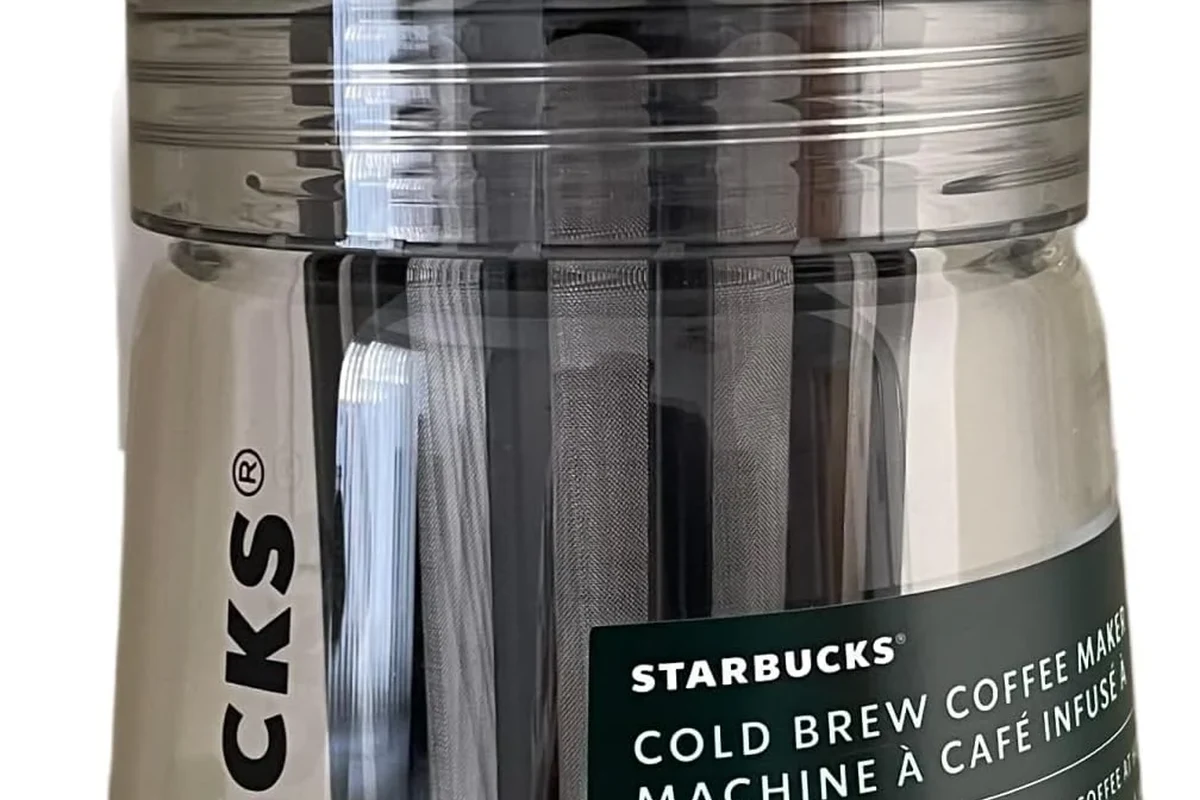
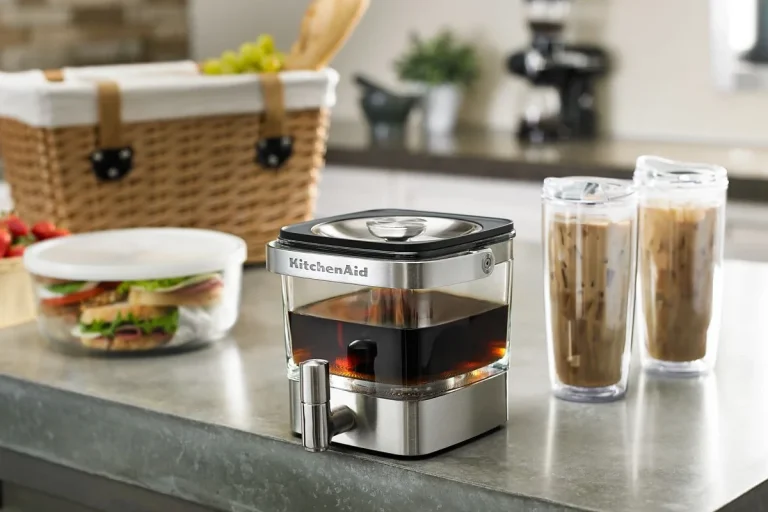
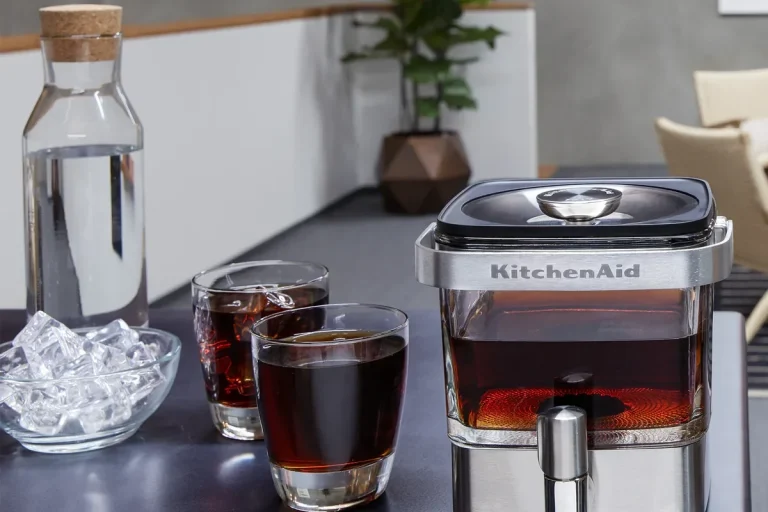
The Starbucks Cold Brew Coffee Maker is a home brewer made for slow steeping. It is not like a drip coffee machine. It does not use hot water or fast brewing.
Instead, it lets coffee grounds sit in cold or room-temp water for many hours. That slow soak pulls out flavor in a gentle way. The result is usually less acidic and smoother than hot coffee.
What makes it different from a regular coffee maker
A regular coffee maker pushes hot water through grounds in minutes. A cold brew maker works much more slowly. That changes both the taste and the routine.
It makes coffee over hours, not minutes.
It skips heat, which gives a smoother taste.
You measure, steep, strain, and store.
In short: it fits people who want a batch brew they can keep in the fridge.
The basic cold brew process in simple terms
Cold brew works by time, not heat. The coffee grounds and water stay in contact for a long steep. Then you remove the grounds and keep the liquid.
That is why grind size matters so much. Fine grounds can make the brew bitter and muddy. Coarse grounds usually give a cleaner cup.
What you need before you start
Before you brew, gather a few basics. You do not need much.
Cold or room-temp water
The Starbucks Cold Brew Coffee Maker
A pitcher or cup for serving
A fridge for chilling
Check the manual for your exact model before the first use. Parts and brew basket design can vary by version.
Some cold brew makers use a fine mesh filter. Others use a different basket or carafe shape. Always follow the model guide that came with your brewer.
How to Use Starbucks Cold Brew Coffee Maker at Home
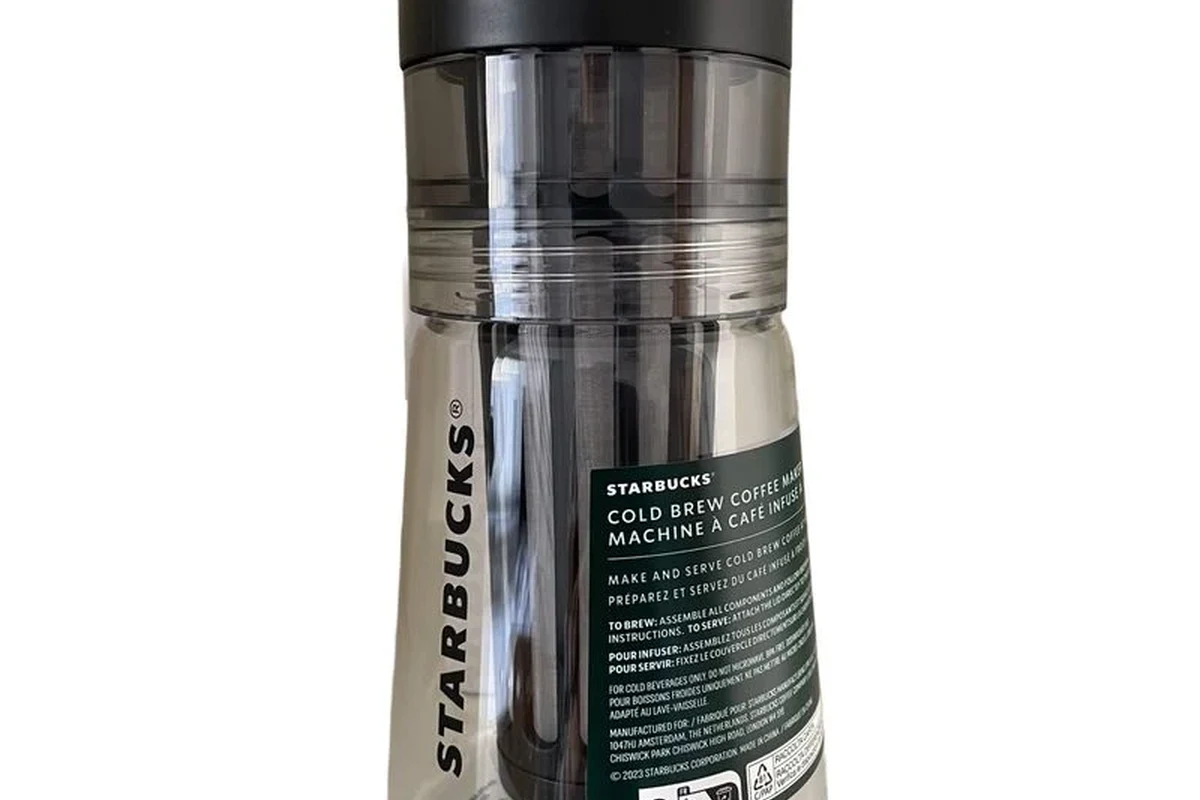
The process is easy once you know the order. Measure, steep, strain, and store. If you keep the grind and ratio steady, the taste gets more consistent.
Step 1: Measure your coffee and water
Start with the ratio your brewer manual suggests. If you do not have that guide, use a simple cold brew starting point. A common home ratio is one part coffee to four or five parts water by volume.
For a stronger cup, use more coffee. For a lighter cup, use less. Small changes make a big difference in cold brew.
- Use the same scoop each time for better repeat results.
- Write down your ratio if you like a certain taste.
- Start mild. You can always make it stronger next time.
Step 2: Add the grounds and start the steep
Add the coffee grounds to the filter or brew basket. Pour the water slowly so the grounds get evenly wet. Try not to flood the basket too fast.
Once the brewer is set up, place it in the fridge or a cool spot if the manual allows that. Cold brew usually tastes best when it steeps undisturbed.
- Wet all the grounds evenly.
- Keep the brewer level in the fridge.
- Use clean, fresh water.
- Stirring too much during steeping.
- Using hot water unless the manual says so.
- Leaving loose grounds in the liquid.
Step 3: Let it brew for the right amount of time
Most cold brew batches need many hours. The exact time depends on the brewer, the grind, and how strong you want it. A shorter steep gives a lighter taste. A longer steep gives a bolder cup.
Do not guess if your manual gives a time range. Follow the maker’s guide first. If it tastes weak, adjust the next batch instead of pushing one batch too far.
Do not leave brewed coffee at room temperature for too long. Chill it soon after brewing and follow safe food storage habits.
Step 4: Strain, serve, and store the cold brew
When steeping ends, remove the grounds and strain the coffee if needed. Some makers do most of this for you. Others need one extra pour through a filter or fine mesh sieve.
Serve it over ice or mix it with milk or water. Store the rest in a sealed container in the fridge.
If the coffee tastes too strong, dilute it after brewing. That is easier than fixing an over-steeped batch.
Best Coffee, Water, and Ratios for Better Cold Brew
The brewer matters, but your ingredients matter too. Better coffee and clean water usually make a better cup. Small choices can change the taste more than you expect.
Which coffee grind works best
Coarse grind is the safest bet for cold brew. It helps the water move through the grounds more evenly. It also makes straining easier.
Very fine coffee can clog filters and make the drink gritty. It can also pull out harsh flavors. If you grind at home, aim for a texture like rough sand.
How water quality changes the taste
Water is a big part of the drink. If your tap water tastes flat or strong, the cold brew may taste that way too. Clean, good-tasting water usually gives a cleaner cup.
If your local water has a strong mineral taste, try filtered water. That small change can help the coffee taste smoother and less dull.
Easy ratio tips for strong or mild brew
Ratios help you control the final cup. Cold brew can be flexible, but you still want a clear starting point.
Your coffee-to-water ratio controls strength more than almost anything else.
Use these simple ideas:
- Use more coffee for a concentrate-style brew.
- Use more water for a ready-to-drink batch.
- Keep notes so you can repeat your favorite mix.
In short: one good batch is nice, but repeatable batches are better.
Benefits and Limits of Using the Starbucks Cold Brew Coffee Maker
This brewer can be a smart fit for many homes. It also has limits. Knowing both helps you decide with less guesswork.
Why home cold brew can save time and money
Home cold brew can cut down on coffee shop runs. You make one batch and use it over several days. That can feel easier than making one cup at a time.
It also gives you control over taste. You choose the beans, the strength, and the add-ins. That kind of control is a big plus for many home cooks.
Flavor benefits you can expect
Cold brew often tastes smooth and mellow. It can feel less sharp than hot-brewed coffee. Many people like that on hot mornings.
The flavor can also be more forgiving if you drink it with milk or sweetener. That said, the final taste still depends on your beans, grind, and steep time.
Common limits and when it may not fit your needs
Cold brew takes planning. You cannot make it in a few minutes. If you want coffee right away, this style may not suit you.
It also needs fridge space and cleanup time. If your kitchen is very small, that matters. If you only drink coffee once in a while, a batch brewer may feel like too much.
Common Mistakes to Avoid When Making Cold Brew
Most bad batches come from a few easy mistakes. The good news is that they are simple to fix.
Using the wrong grind size
Fine grounds are a common problem. They can make the coffee cloudy and bitter. They can also clog the filter.
Stick with coarse grounds unless your manual says otherwise. If your brew keeps tasting muddy, the grind is a good place to start.
Brewing for too long or too short
Too short, and the coffee may taste thin. Too long, and it may taste flat or harsh. The sweet spot depends on the brewer and your taste.
If you are not sure, follow the manual first. Then change one thing at a time. That makes it easier to learn what affects the flavor.
Skipping the filter or straining step
Loose grounds in the drink can ruin the texture. They also make cleanup harder later. A proper strain gives you a cleaner cup.
Some brewers handle this step built in. If yours does not, use a fine mesh sieve or filter that fits the coffee well.
Storing it the wrong way
Cold brew should go into the fridge after brewing. Store it in a clean, sealed container. Do not leave it sitting out on the counter.
Also, do not pour old coffee back into the brewer. Make fresh batches and keep the parts clean between uses.
Safety, Cleaning, and Maintenance Tips
Cold brew is simple, but you still need basic care. Clean parts help the coffee taste better and help the brewer last longer.
How to clean the maker after each batch
Empty the grounds right away. Rinse the basket, filter, and carafe with warm water. Use mild soap if the manual allows it.
Let the parts dry fully before you store them. Damp parts can hold smells and make the next batch taste off.
Dump grounds, rinse parts, and wash with mild soap if allowed.
Check for buildup, odors, stains, or worn filter parts.
How often to deep clean the parts
Deep clean timing depends on use. If you brew often, check the parts more often. Coffee oils can build up and change the flavor.
Follow the manual for any safe soak or wash steps. Some parts may be top-rack dishwasher safe, but that varies by model.
Storage tips to help it last longer
Store the brewer in a dry place with the parts apart if possible. That helps air move around the pieces. It also lowers the chance of trapped smells.
Keep the filter and small parts together so nothing gets lost. If a part cracks, warps, or smells strange after cleaning, replace it if the maker offers a spare.
Stop using the brewer if you see cracks, leaks, or damaged parts. Check the manual and contact the maker for support.
Cost, Value, and Final Recommendation
The real value of this brewer depends on how often you drink cold brew. It makes the most sense for people who want an easy home batch and do not mind waiting.
Who this coffee maker is best for
This brewer is a good fit for cold brew fans, busy households, and anyone who likes make-ahead drinks. It can also work well for new coffee drinkers who want a smoother taste.
It may be less useful for people who want fast coffee, tiny cleanup, or very small single servings.
What to expect for the price in 2026
Price can vary by retailer, model version, and included parts. In 2026, the best way to judge value is to compare build quality, ease of cleaning, and how much coffee it makes per batch.
Do not focus on price alone. A cheaper brewer can be a poor value if it is hard to clean or does not fit your routine.
Final verdict on whether it’s worth buying
If you enjoy cold brew and want a simple home setup, this style of brewer is worth considering. It keeps the process easy and helps you make coffee ahead of time.
If you want fast morning coffee or very small batches, you may be happier with another coffee maker. For most cold brew drinkers, though, the Starbucks Cold Brew Coffee Maker makes the job feel straightforward and practical.
Choose this brewer if you want smooth cold brew, easy batch prep, and simple storage. Skip it if you need instant coffee or you do not have fridge space.
- Use coarse coffee and cold water for the best results.
- Follow the manual for brew time and cleaning steps.
- Strain well and store the coffee in the fridge.
- It works best for people who like batch-made cold brew.
Frequently Asked Questions
Use a coarse grind for the best results. Fine grounds can make the brew bitter and hard to strain.
A simple starting point is one part coffee to four or five parts water by volume. Adjust stronger or lighter based on taste.
The exact time depends on the model and your taste. Follow the manual first, then adjust future batches if you want a stronger or milder cup.
Empty the grounds, rinse the parts, and wash them with mild soap if the manual allows it. Dry everything fully before storing.
Weak coffee usually needs more grounds or more steep time. Bitter coffee often comes from a too-fine grind or over-steeping.
It is a good choice if you like make-ahead cold brew and want a simple home setup. It is less useful if you need fast coffee or very small servings.