Where Did French Press Coffee Originate History Explained

French press coffee originated in Europe, with early plunger designs from French and Italian inventors. It became popular because it is simple, affordable, and makes a rich, full-bodied cup.
French press coffee did not start in France, even though the name suggests it did. The first useful plunger-style coffee makers came from French and Italian inventors in the 1800s and early 1900s, and the modern version grew from several patents over time.
So, if you’re asking where did french press coffee originate, the short answer is this. It came from Europe, especially France and Italy, and the design kept improving until it became the familiar brewer we know today.
- Origin: Early French press ideas came from France and Italy.
- Why it spread: It was simple, cheap, and easy to use.
- Best grind: Coarse grounds usually give the best results.
- Flavor: The mesh filter keeps more oils in the cup.
- Main trade-off: You may get some sediment and extra cleanup.
Where Did French Press Coffee Originate? The Short Answer
The French press has a mixed origin story. Its name points to France, but early versions of the plunger brewer appeared in both France and Italy.
The first designs were simple. They used a metal screen or mesh to hold back coffee grounds while a plunger pushed them down.
That basic idea made the brewer easy to use. It also made it portable, cheap, and practical for home coffee drinkers.
The name “French press” became more common in English-speaking markets much later than the first patents.
The Early History of the French Press and Its First Designs
The story starts in the 1800s, when inventors were looking for better ways to brew coffee. At that time, many people used cloth filters, boiling pots, or basic strainers.
Those older methods worked, but they were messy or slow. A plunger brewer promised a cleaner cup with less fuss.
Key inventors and early patents
Several early patents helped shape the French press. French and Italian inventors both filed designs that used a rod, a filter, and a container.
One important early step came from France in the mid-1800s. Later, Italian inventors improved the filter and plunger idea.
These early versions did not all look the same. Some were more like simple filter devices than the glass carafe many people use now.
Different countries and patent records use different names and drawings. The core idea stayed the same, even as the shape changed.
How the basic plunger idea evolved
The plunger concept became more useful as materials improved. Better glass, metal mesh, and tighter seals helped the brewer work more reliably.
Over time, makers refined the parts people now expect. That includes the carafe, lid, plunger rod, and filter screen.
By the 20th century, the design had become familiar across Europe. It then spread into homes, cafés, and kitchen shops around the world.
Why the French Press Became Popular Around the World
The French press won people over because it was simple. You did not need paper filters, electricity, or a fancy machine.
It also gave users more control. You could change grind size, steep time, and coffee strength with small adjustments.
What made it different from older coffee methods
Older brewing methods often used cloth, boiling, or drip setups that were less flexible. The French press used immersion brewing, which means the grounds soak in hot water.
That soak gives the coffee a fuller body. It also helps bring out oils that paper filters often catch.
Why the French Press Stuck Around
Its rise came from a mix of low cost, simple use, and a rich cup style.
How style, price, and ease helped it spread
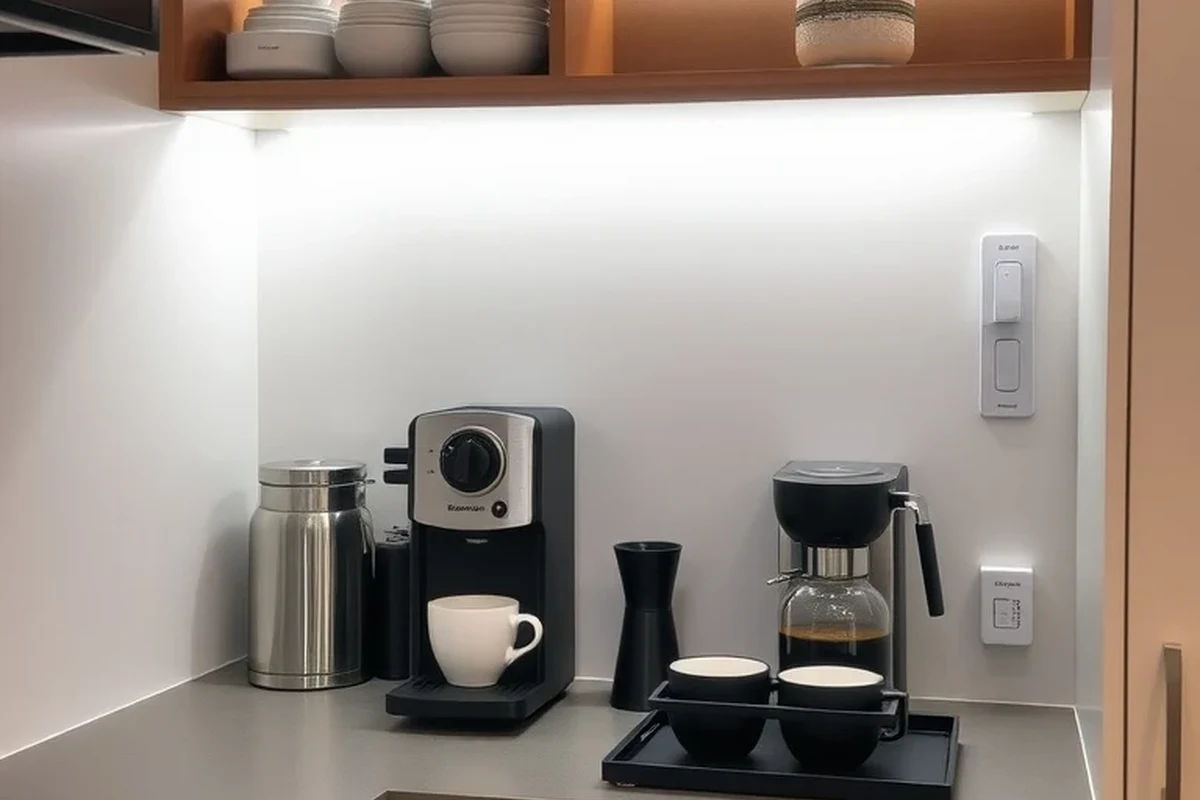
The French press also looked good on a counter. Its glass and metal design felt modern and elegant, even in a small kitchen.
It stayed affordable for many households. And since it had few moving parts, it was easy to understand fast.
Most people can learn it in a few minutes.
You only need coffee, water, and the brewer.
The brew keeps more oils and fine texture.
How a French Press Works and Why the Brew Tastes Different
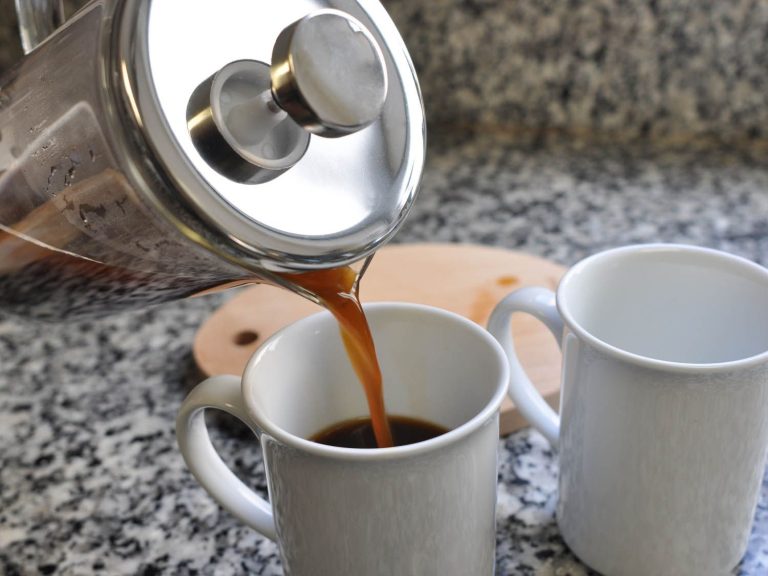
A French press works by steeping coffee grounds in hot water. Then you press a mesh filter down to separate the grounds from the liquid.
That sounds basic, but the result is very different from drip coffee. The brew usually tastes richer and feels heavier on the tongue.
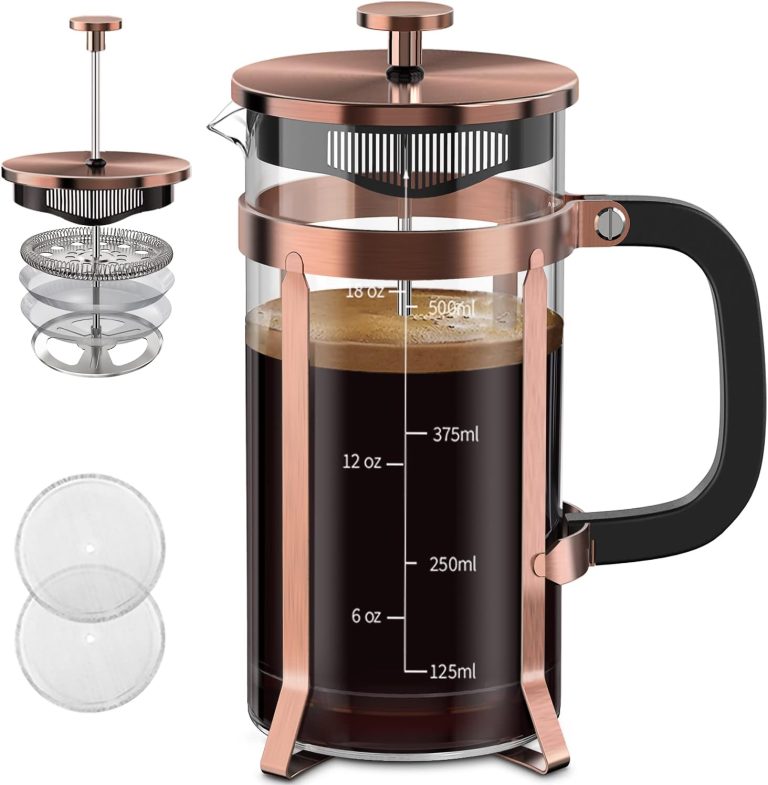
Main parts of a French press
Most French presses have a few key parts. The exact shape may vary by brand.
- Carafe or pot that holds the water and grounds
- Lid that helps retain heat during steeping
- Plunger rod that moves the filter down
- Mesh filter that separates grounds from coffee
Simple brew process step by step
Put coarse coffee grounds into the empty press.
Add water that is hot, but not boiling hard.
Let the coffee sit before pressing the plunger down slowly.
Pour the coffee out so it does not over-brew.
Flavor, body, and sediment explained
French press coffee often has a fuller body because the mesh filter lets more natural oils through. Those oils add richness and a deeper mouthfeel.
You may also notice a little sediment at the bottom of the cup. That is normal with many French presses, especially if the grind is too fine.
If you want a cleaner cup, use a coarser grind and pour slowly after pressing.
Best Coffee Specs, Grind Size, and Water Tips for French Press
Good French press coffee depends on three things. You need the right grind, the right ratio, and the right water temperature.
Small changes can make a big difference. That’s why this brewer rewards a little practice.
Ideal grind size and coffee-to-water ratio
A coarse grind usually works best. Think of something close to sea salt, not powder.
The coffee-to-water ratio varies by taste and cup size. Many home brewers start with a balanced ratio and adjust from there.
- Use a coarse grind for less sludge
- Start with a balanced coffee-to-water ratio
- Adjust strength after your first cup
Water temperature and steep time basics
Very hot water can make coffee taste harsh. Water that is too cool can make it taste weak.
Most people aim for hot water just off the boil, then steep for a few minutes. Exact timing can vary by bean, grind, and taste.
Benefits and Limits of French Press Coffee
The French press is loved for good reasons. Still, it is not the best choice for every coffee drinker.
Knowing both sides helps you decide if it fits your routine.
What it does well
- Makes rich, full-bodied coffee
- Uses simple parts and no paper filters
- Works well in small kitchens
- Gives you more control over brew strength
Where it falls short
The French press can leave some grit in the cup. It can also be less forgiving if you use the wrong grind or steep too long.
Cleanup takes a little effort too. You need to empty and rinse the grounds after each use.
- Rich flavor and fuller body
- Low cost and simple design
- No paper filters needed
- Some sediment may remain
- Needs careful timing
- Requires manual cleaning
Common French Press Mistakes, Safety Tips, and Cleaning Advice
Most French press problems come from small brewing mistakes. The good news is that they are easy to fix.
Safety matters too, especially if your press uses glass.
Brewing mistakes that hurt taste
The coffee tastes bitter or muddy.
Use a coarser grind, shorten steep time, and pour the coffee out soon after pressing.
The coffee tastes weak.
Check the ratio, use fresh grounds, and make sure the water is hot enough.
Safe use and glass care
Hot water and glass can both cause injury. Handle the carafe carefully, and stop using it if it cracks or chips.
Follow the maker’s manual for heat limits and cleaning rules. Some presses tolerate more heat than others, especially if they use borosilicate glass or metal parts.
If the plunger feels stuck, do not force it hard. Press slowly and check for overfilled grounds or a filter issue.
Cleaning and maintenance for better results
French presses need regular cleaning because coffee oils can build up fast. That buildup can make later cups taste stale.
Discard grounds, rinse the parts, and wash them with warm soapy water.
Check the mesh, plunger fit, and lid for wear or buildup.
Follow the appliance manual and stop using damaged equipment.
Final Verdict: Is the French Press Still Worth Using in 2026?
Yes, the French press is still worth using in 2026 for many home coffee drinkers. It remains one of the easiest ways to make rich coffee without a machine.
It is especially useful if you want control, low cost, and a classic brewing style.
Who should buy one now
A French press is a smart pick if you like bold coffee and simple gear. It also fits well in small kitchens, dorms, and travel setups.
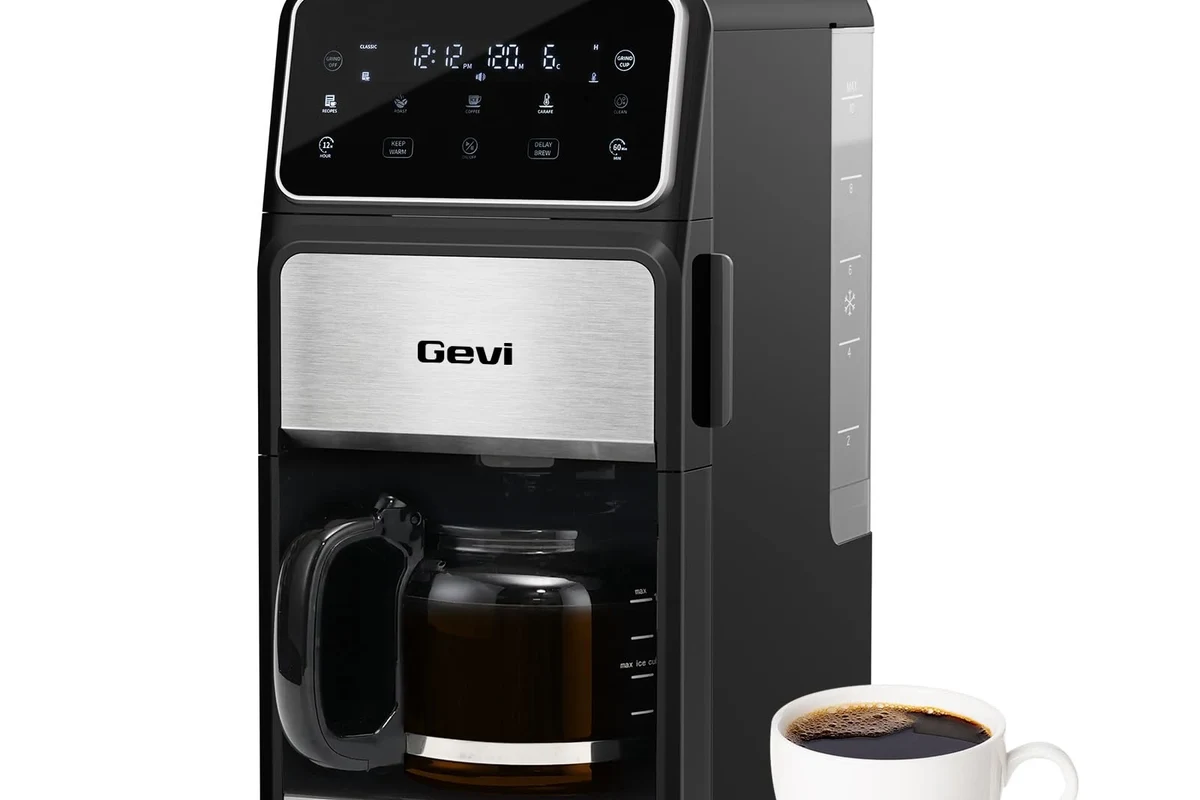
If you want a very clean cup with no sediment, you may prefer another brewer. A drip machine or pour-over setup may suit you better.
Best for small counters and simple daily brewing.
Best for drinkers who want a rich, full cup.
Best value and final recommendation
The best value is usually a well-made French press with a sturdy carafe, a good mesh filter, and easy cleaning. You do not need a fancy model to get good coffee.
If you want to know where did french press coffee originate, the answer is a European story shaped by French and Italian inventors. If you want to know whether it still belongs in your kitchen, the answer is also yes.
The French press began as a European plunger coffee idea and grew into a simple, lasting brewer. It is still a great choice for rich coffee, as long as you accept a little sediment and basic cleanup.
Frequently Asked Questions
Not exactly. The name points to France, but early plunger coffee designs came from both French and Italian inventors.
A coarse grind usually works best. It helps reduce sediment and keeps the cup from tasting muddy.
Use hot water just off the boil rather than a hard boil. Very hot water can make the coffee taste harsh.
French press uses immersion brewing and a mesh filter. That lets more oils and fine particles stay in the cup, which gives it a fuller body.
Empty the grounds right after brewing, then rinse and wash the parts with warm soapy water. Check the mesh and plunger often for buildup.
Yes, if you want simple gear and rich coffee. It may not be the best choice if you want a very clean cup with no sediment.