When Was the French Press Coffee Maker Invented and Why

The French press coffee maker was invented in the 1800s, with the modern version taking shape in the early 1900s. It evolved through several patents, so no single person gets all the credit.
The French press coffee maker was invented in the 1800s, and the design took shape through several patents. The short answer is that the version most people know today came from French and Italian inventors, with the modern form emerging in the early 1900s.
- Origin: Early French press designs appeared in the mid-1800s.
- Credit: Several inventors improved the brewer over time.
- Use: Coarse grounds and hot water make the best cup.
- Cleanup: Rinse right after use to avoid oily buildup.
- Value: It still offers strong flavor and simple use in 2026.
When Was the French Press Coffee Maker Invented? The Short Answer
If you want the quick answer, the French press dates back to the mid-19th century. Early versions appeared in France around 1850, but the familiar plunger-style brewer was refined later.
Most coffee history sources point to a chain of inventions, not one single moment. That means the French press was not born all at once. It evolved.
The French press is known by different names in different countries, including cafetière and coffee plunger.
The French Press Origin Story and Who Gets Credit
The French press has a messy but interesting origin story. Several inventors improved the idea over time, and that is why credit gets shared.
Early designs came from France, but later patents from Italy helped shape the brewer we use now. So, when people ask who invented it, the honest answer is that no single person owns the whole story.
Early Patents and the First Designs
One early version dates to France in the 1850s. It used a simple metal screen and a plunger to separate grounds from coffee.
Later, Italian inventors added more useful details. These updates made the brewer easier to use and better at keeping grounds out of the cup.
Patent records and product history can differ by country. That is why you may see slightly different dates in different sources.
How the Design Changed Over Time
Early coffee presses were not as polished as today’s models. Many had weak seals, loose filters, or awkward handles.
Over time, makers improved the mesh, the plunger fit, and the carafe shape. Those small changes made a big difference in daily use.
By the early 1900s, the French press had become much closer to the version we know today. That modern form helped it spread across homes and cafes.
How a French Press Works
A French press works by steeping coffee grounds in hot water. Then you press a mesh filter down through the liquid.
That simple method gives you control over brew strength and taste. It also keeps the process easy, which is a big reason people still love it.
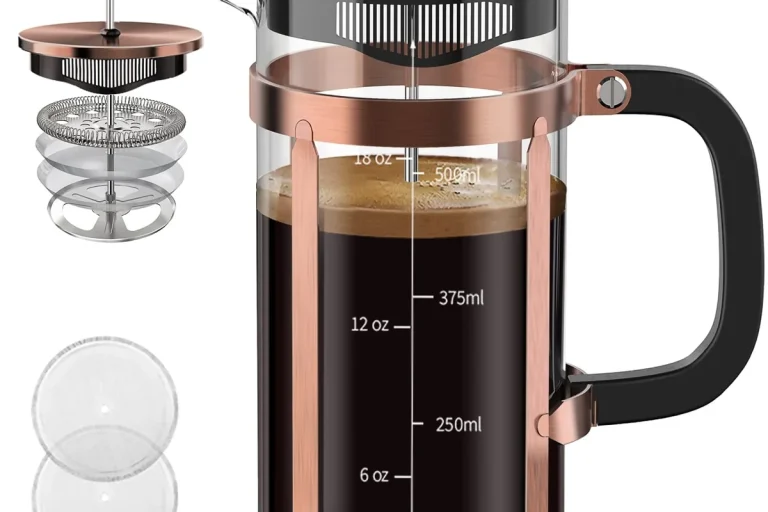
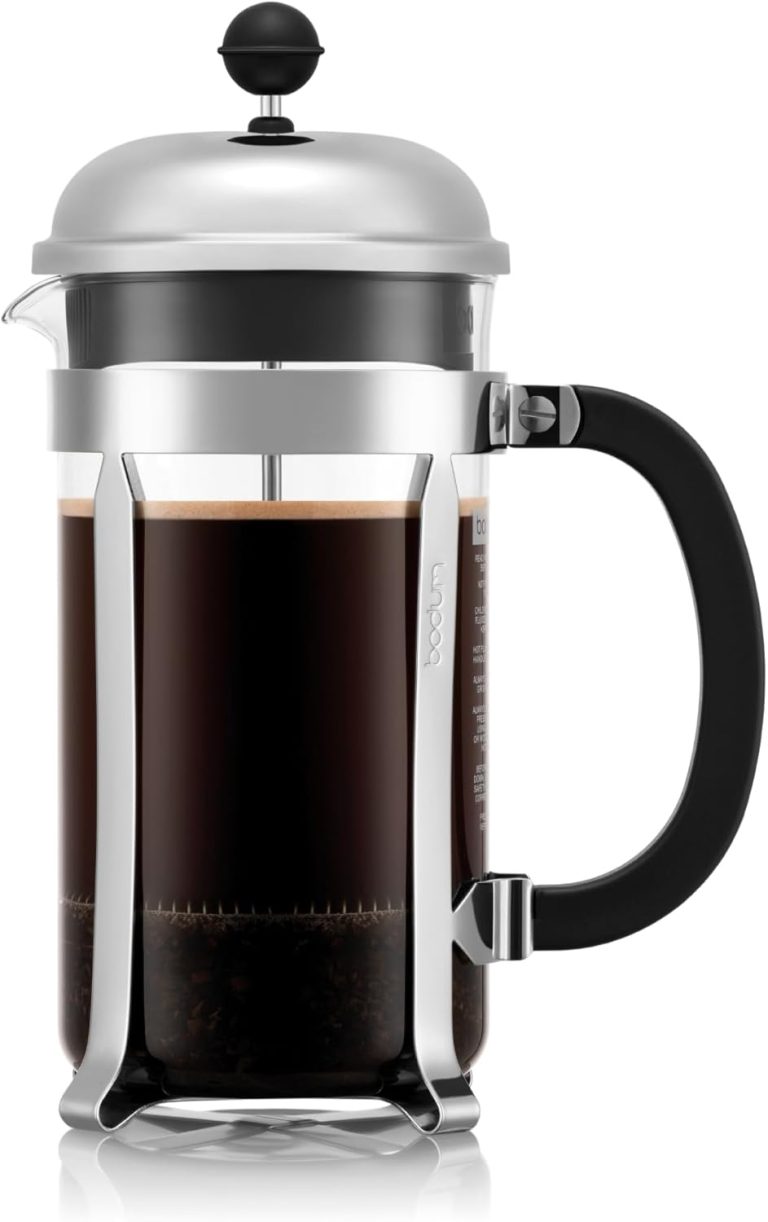
Main Parts of the Coffee Maker
Holds the water and coffee during brewing.
Pushes the filter through the brew after steeping.
Separates most grounds from the finished coffee.
Helps hold heat and supports the plunger.
Most French presses use glass, stainless steel, or a mix of both. The material can affect durability, heat hold, and cleanup.
Brewing Steps in Simple Terms
Put coarse coffee grounds into the empty carafe.
Add water that is hot, but not boiling hard.
Let the coffee sit for a few minutes.
Push the plunger down with steady pressure.
That is the whole idea. No paper filter, no drip basket, and no fancy machine needed.
Why the French Press Became So Popular
The French press grew popular because it feels simple and gives strong flavor. It also fits small kitchens well.
For many coffee drinkers, it strikes a nice balance. It is easy to learn, but it still feels a little hands-on.
Flavor, Control, and Ease of Use
The French press lets oils stay in the cup. That often gives coffee a fuller body than paper-filter drip methods.
You also control the brew time, grind size, and water amount. That makes it easier to adjust taste to your liking.
- Use fresh beans for better aroma and taste.
- Stir gently if your brew tastes weak.
- Shorten steep time if the coffee tastes too bitter.
What Makes It Different From Drip Coffee
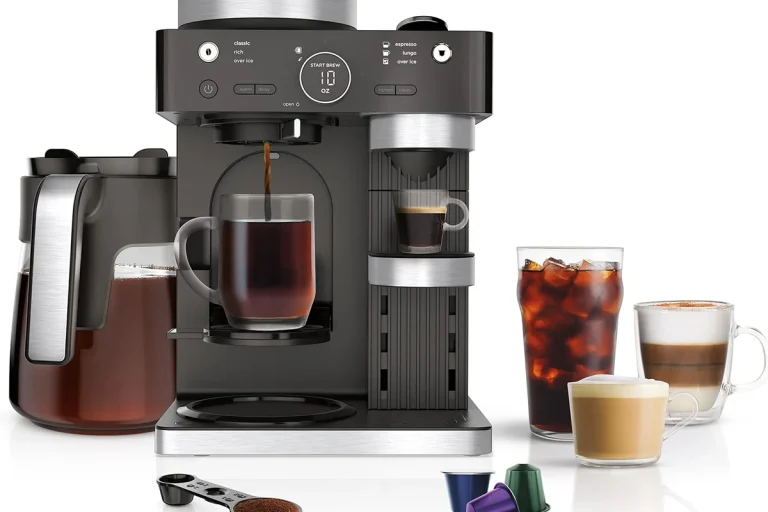
Drip coffee uses a paper or metal filter and lets water pass through ground coffee. A French press soaks the coffee first, then filters it at the end.
That difference changes the taste. Drip coffee often tastes cleaner, while French press coffee can taste richer and heavier.
The best choice depends on taste, cleanup preference, and how much control you want over brewing.
How to Use a French Press the Right Way
Good French press coffee depends on a few basics. Grind size, water temperature, and brew time matter most.
If one of those is off, the cup can taste weak, muddy, or bitter. The good news is that the fix is usually simple.
Best Coffee Grind, Water Temp, and Brew Time
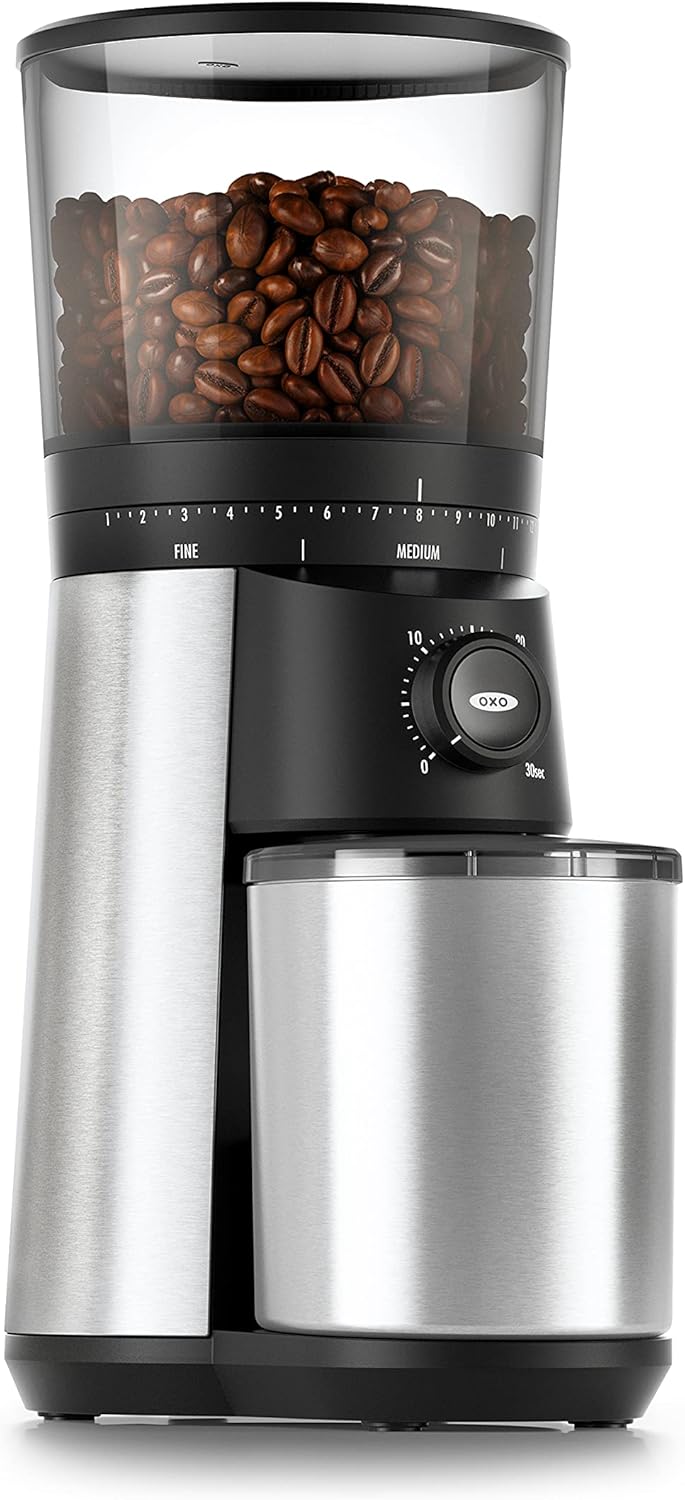
Coarse grind is the safest place to start. Fine grounds can slip through the mesh and make the cup gritty.
Water that is just off the boil usually works well. Many coffee drinkers aim for about 200°F, but exact results can vary by kettle and altitude.
Most brews taste good after about four minutes. You can adjust from there if you want a stronger or softer cup.
Common Brewing Mistakes to Avoid
- Measure coffee and water for repeatable results.
- Press the plunger slowly and steadily.
- Serve soon after brewing for the best taste.
- Do not use very fine espresso grind.
- Do not leave coffee sitting in the press too long.
- Do not force the plunger if it feels stuck.
Over-steeping can make coffee taste harsh. Pressing too hard can also disturb the grounds and send more sediment into the cup.
Cleaning, Safety, and Maintenance Tips
French presses are easy to clean, but they still need care. Grounds can hide in the filter, and glass parts can break if handled carelessly.
Regular cleaning also helps your coffee taste better. Old oils can turn stale fast.
How to Clean the Mesh Filter and Glass Carafe
Empty the grounds, rinse the parts, and wash with warm soapy water.
Take apart the filter if the model allows it and clean trapped residue.
Check for wear, loose parts, cloudiness, or lingering coffee oils.
Some models are dishwasher safe, but not all are. Check the manual before you put any part in the dishwasher.
Safety Tips for Hot Water and Fragile Parts
Hot water and glass can cause burns or cuts. Handle the carafe with care, and stop using any press with cracks, chips, or a loose filter.
Always keep the press on a stable surface while brewing. If the handle feels loose or the plunger jams badly, replace the damaged part if the maker offers one.
Follow the appliance manual and stop using damaged equipment.
Is a French Press Worth It in 2026?
For many people, yes. A French press still offers strong value in 2026 because it is simple, low-tech, and flexible.
It does not take much counter space, and it does not need electricity. That makes it a smart pick for apartments, offices, and travel setups.
Cost, Value, and Who It Suits Best
French presses usually come in a wide range of materials and styles. Value depends on build quality, size, and how easy the parts are to clean.
It suits people who like bold coffee and do not mind a little manual brewing. It also works well for anyone who wants a backup method.
Final Recommendation for New and Experienced Coffee Drinkers
If you want a simple, flavorful brew method, the French press is still a great choice. It is especially good if you like control and do not want a big machine.
If you prefer very clean coffee with almost no sediment, drip or pour-over may suit you better. But for many homes, the French press remains one of the most practical coffee makers around.
The French press was invented through several steps in the 1800s and early 1900s, not by one person at one moment. Today, it remains a strong pick for people who want rich coffee, simple use, and easy cleanup.
Frequently Asked Questions
The French press traces back to the mid-1800s, with early versions appearing in France around 1850. The modern form came later through design changes and patents in the early 1900s.
There is no single inventor to credit for the French press. Early French designs and later Italian patents both helped shape the brewer people use today.
A coarse grind usually works best because it helps reduce grit and makes pressing easier. Fine grounds can slip through the mesh and make the cup muddy.
Use hot water that is just off the boil. Many coffee drinkers aim for about 200°F, but results can vary by kettle, altitude, and taste.
Empty the grounds, rinse the parts, and wash with warm soapy water after use. Check the manual before using a dishwasher, and inspect glass or filter parts for damage.
Yes, if you want rich coffee, simple brewing, and a low-tech setup. It may not be ideal if you want very clean coffee with little sediment.