Is French Press Coffee Bad For You: Health Facts

French press coffee is not inherently bad; effects depend on brew method, dose, and heart risk.
I have brewed French press coffee for years and tested different routines. I will explain how French press works, what the real health risks are, and how to enjoy it safely. This article covers science-backed facts, practical tips from my experience, and clear answers so you can decide whether is french press coffee bad for you.
How French Press Coffee Works
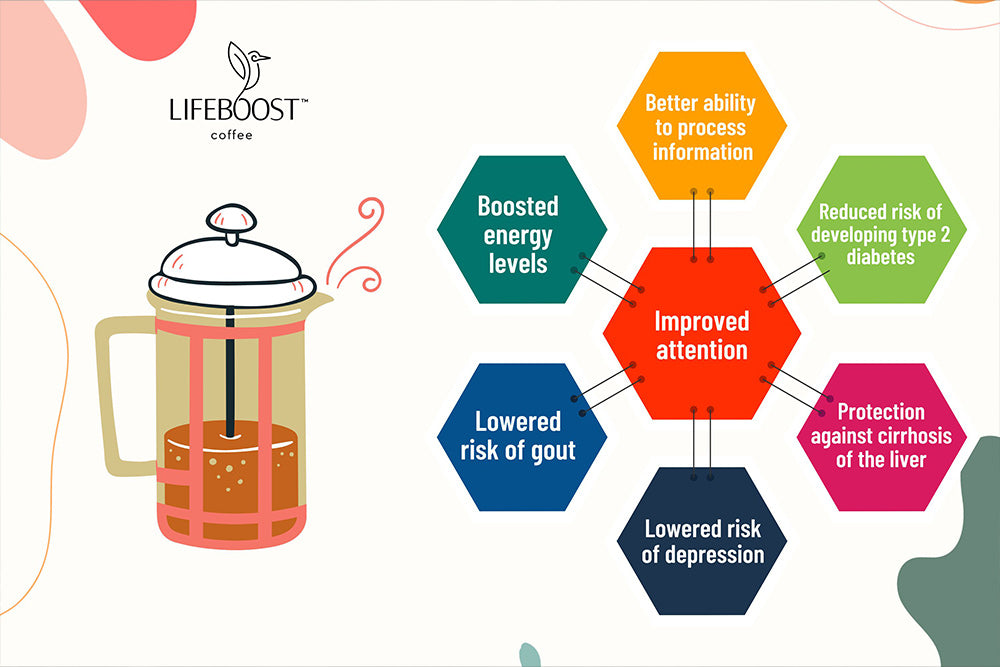
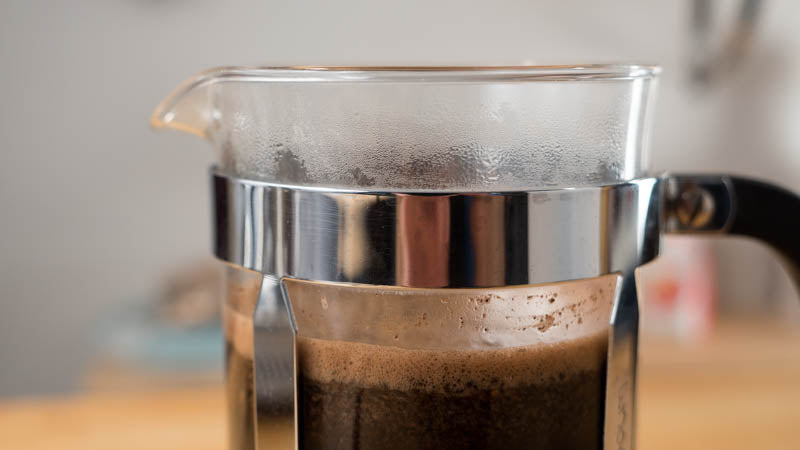
French press coffee is made by steeping coarse coffee grounds in hot water and pressing a metal mesh filter down. The metal mesh lets oils and tiny solids pass into the cup. That texture gives a full flavor and body.
When people ask is french press coffee bad for you, they often mean two things: heart health and digestion. Understanding how the brewing method changes compounds in coffee helps answer both questions.
Common Health Concerns
Many concerns about is french press coffee bad for you focus on a compound called cafestol. Cafestol is a coffee oil that can raise LDL cholesterol if consumed often and in large amounts. French press brewing leaves more cafestol in the cup than paper-filtered coffee.
Other common concerns include:
- Acrylamide exposure. Acrylamide forms when beans are roasted. Brewing method changes little about acrylamide levels.
- Acidity and stomach upset. French press can taste fuller and sometimes feels less acidic, but sensitivity varies by person.
- Sediment and gastric discomfort. The fine particles in the cup can irritate some stomachs, especially if you drink it fast on an empty stomach.
Overall risk depends on how much you drink and your baseline health. For most people, moderate intake (about 1–4 small cups daily) is safe. For people with high cholesterol, cafestol is worth watching.

Health Benefits of French Press Coffee
French press coffee is not just about risk. It also offers benefits:
- Higher antioxidants. Coffee contains antioxidants that help fight oxidative stress. A French press retains many of these compounds.
- Flavor and satisfaction. The full body and rich taste can lead you to drink less sugar and fewer flavored additions.
- Control over brewing. You choose bean quality, roast level, and brew time, so you can reduce unwanted compounds.
When asking is french press coffee bad for you, balance the risks against these benefits. Good beans and careful brewing tilt the scale toward a positive outcome.
How to Brew French Press Safely
Small changes reduce potential harm and keep flavor high. Try these steps:
- Use fresh, high-quality beans. Lower pesticide and defect levels mean fewer unwanted compounds.
- Grind coarsely. Coarse grounds reduce over-extraction and excessive sediment.
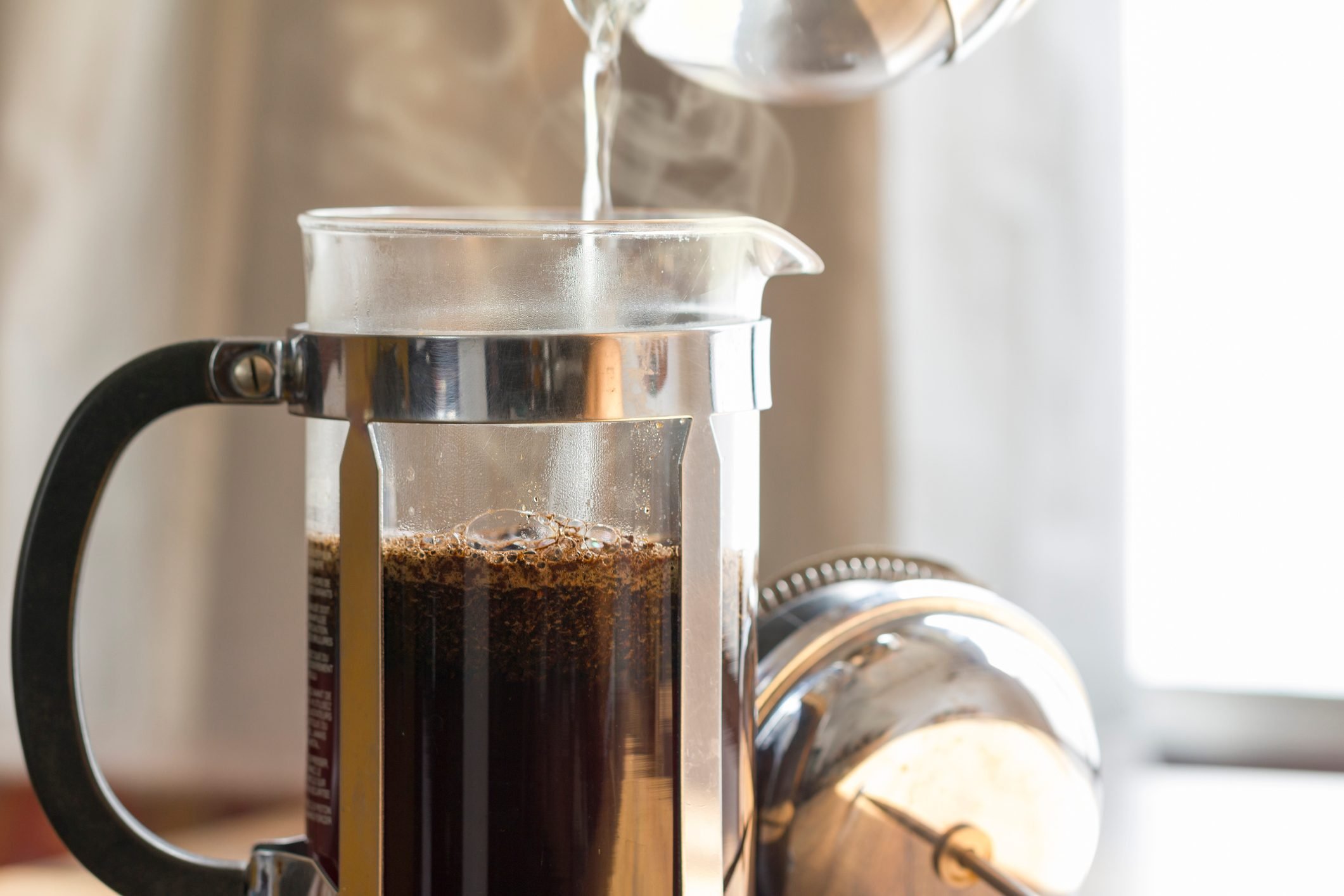
- Use water at about 195–205°F and steep for 3–4 minutes. Longer steeping can extract more cafestol and bitter compounds.
- Pour carefully and let grounds settle. Pour slowly to avoid stirring up sediment.
- Consider a paper filter hack. Placing a paper filter in the lid or decanting through a paper filter reduces oils and cafestol.
If you worry about cholesterol, use a paper filter for part of your cup or limit intake. These small steps help answer is french press coffee bad for you with a practical plan.

Personal Experience and Practical Tips
I drink French press most mornings. Early on I brewed too long and had a bitter cup. I changed the grind and the steep time. My digestion improved and my coffee tasted cleaner.
Lessons I learned:
- Clean the press fully. Old oils build up and taste rancid.
- Try single-origin beans. They reveal subtle flavors and need less sugar.
- If you have high LDL cholesterol, talk to a clinician about limiting unfiltered coffee.
These tips are simple and work well for home brewers. They help you enjoy flavor while reducing risks associated with is french press coffee bad for you.
Quick Questions (PAA-style)
Is French press coffee worse for cholesterol?
French press can raise LDL because it lets through cafestol. Limit intake or use filters if you have high cholesterol.
Does French press coffee have more caffeine?
Caffeine depends on bean type and dose more than method. French press can be slightly stronger if you use more coffee by weight.
Can I make French press less oily?
Yes. Use a paper filter after brewing or shorter steep time to cut oils.

Frequently Asked Questions
Is French press coffee bad for you if I have high cholesterol?
French press can raise LDL cholesterol due to cafestol. Speak with a doctor and consider limiting unfiltered coffee.
How much French press coffee is safe per day?
Moderate intake, roughly 1–4 small cups a day, is generally safe for most people. Personal tolerance and health conditions change that.
Will French press coffee cause stomach problems?
Some people feel stomach upset from oils or sediment. Try coarser grind, shorter brew, or decanting through a paper filter.
Can I filter French press to make it healthier?
Yes. Pouring brewed coffee through a paper filter reduces cafestol and oils while keeping much of the flavor.
Does brewing time affect health risks?
Longer steep times can extract more oils and cafestol. Stick to 3–4 minutes for a balanced cup and lower extraction of unwanted compounds.
Conclusion
French press coffee is not automatically bad for you. The main concern is cafestol, which can raise LDL cholesterol, but simple changes in brewing and intake level cut most risk. For many people, the rich flavor and antioxidant benefits make French press a fine daily choice when enjoyed in moderation.
Try small adjustments: cleaner routine, coarser grind, shorter brew, or a paper filter if needed. Share your experience below, subscribe for more coffee tips, or leave a comment with your favorite French press trick.