Are Electric Milk Frothers Worth It for Coffee Lovers

Yes, electric milk frothers are worth it for many coffee lovers. They are best for people who make milk drinks often and want easy cleanup.
Yes, electric milk frothers are worth it for many coffee lovers. They save time, make foam more consistent, and help home drinks feel more polished with very little effort.
- Best value: Frequent latte and cappuccino drinkers get the most use.
- Main benefit: They save time and make foam more consistent.
- Biggest trade-off: Not every model makes café-style texture.
- Buy smart: Check capacity, controls, cleanup, and fill lines first.
- Skip it: If you rarely use milk, a simpler tool may be enough.
Are Electric Milk Frothers Worth It? The Short Answer for Coffee Lovers
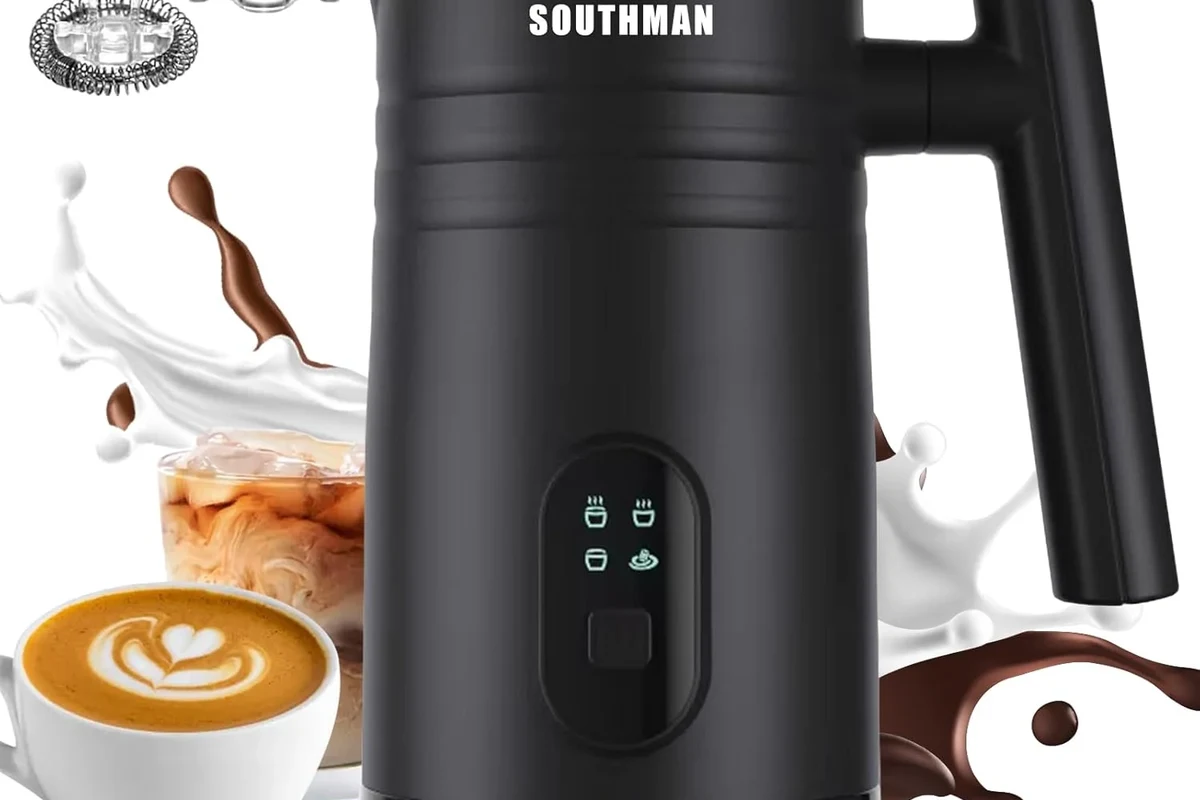
The real answer depends on how you drink coffee at home. If you like lattes, cappuccinos, hot chocolate, or cold foam drinks, a frother can be a smart buy.
If you only drink plain drip coffee, it may not add much value. In that case, your money may go further on better beans, a grinder, or a good coffee maker.
What “worth it” really means for home coffee drinkers
“Worth it” is not just about price. It also means time saved, better texture, less mess, and how often you will use it.
For one person who drinks a foamy drink a few times a week, even a simple frother can feel handy. For a family that makes several drinks each morning, the value can be even higher.
Who gets the most value from an electric milk frother
Electric frothers make the most sense for people who want café-style drinks without much work. They also help if you are new to milk foam and want easy results.
They are a strong fit for:
- Busy people who want faster drink prep
- Beginners who want simple one-touch controls
- Home baristas who make lattes or cappuccinos often
- Households that use both dairy and non-dairy milk
When a frother may not be worth the money
A frother may not be the best buy if you rarely make milk drinks. It can also feel unnecessary if you already own an espresso machine with a steam wand.
Some people also find that a handheld frother meets their needs at a lower cost. That option can be enough if you only want a little foam now and then.
How Electric Milk Frothers Work and What They Do Best
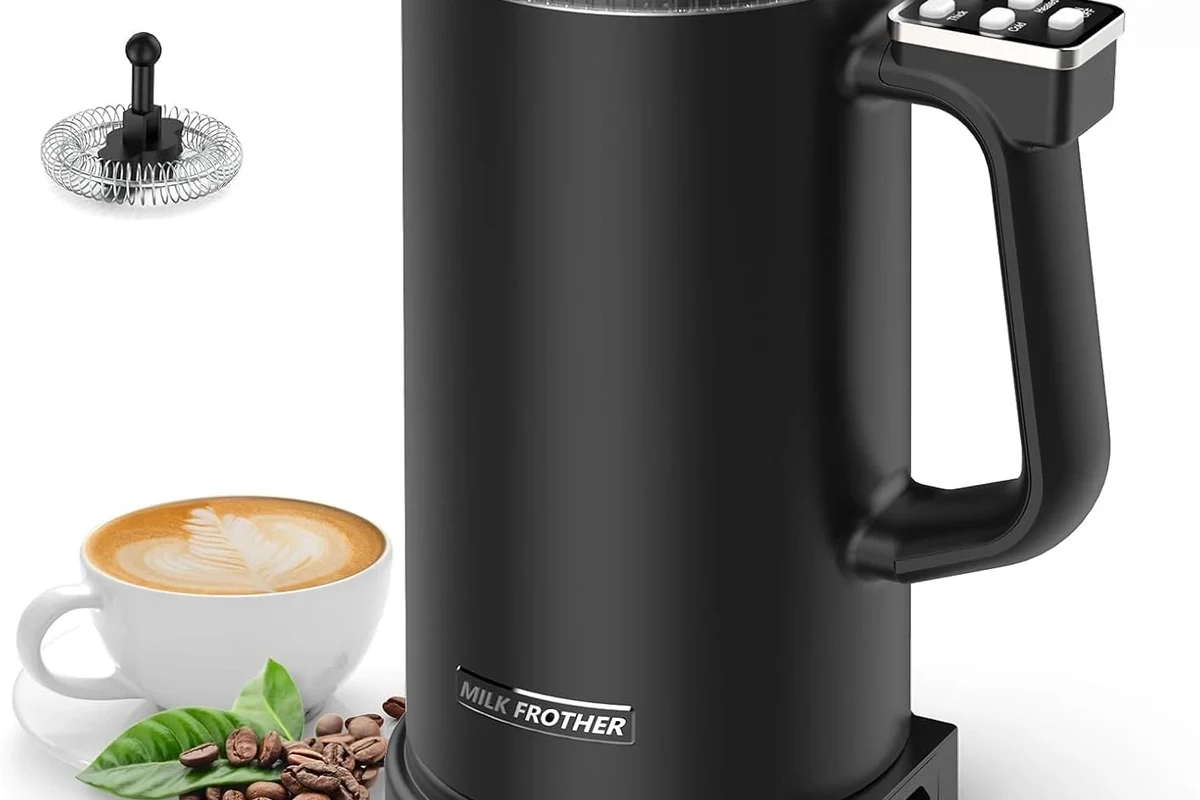
Electric milk frothers use a whisk, spinner, or small heating base to move milk quickly. That motion adds air and changes the milk’s texture.
Some models also heat the milk. Others only froth cold milk or work as simple whisks.
Foam, heat, and whisk action explained in simple terms
Foam forms when air mixes into milk. The whisk does this job for you, so you do not need to pump or shake anything by hand.
If the frother heats milk too, it can save another step. That is nice when you want a warm latte or cocoa on a cold morning.
Cold foam vs hot foam vs warmed milk
Cold foam stays light and airy. It works well on iced coffee and cold brew drinks.
Hot foam is usually softer and better for cappuccinos or warm lattes. Warmed milk without much foam works for drinks where you want a smooth, creamy feel.
Results vary by milk type, fill level, and the frother’s design. Always check the manual for the right settings and fill line.
What drinks they help make at home
Electric frothers can help you make more than just foam. They also support simple drinks that need warm milk or a creamy top layer.
Common uses include:
- Lattes with a smoother milk texture
- Cappuccinos with thicker foam
- Macchiato-style drinks with a foamy top
- Hot chocolate with a richer finish
- Iced coffee with cold foam
Key Features to Compare Before You Buy
Not all frothers work the same way. A good choice depends on how much milk you use, how much control you want, and how easy it is to clean.
- Capacity and batch size
- Heating settings and foam modes
- Cleanup, coating, and durability
- Noise, speed, and storage space
Capacity and batch size for one cup or more
Capacity matters more than many shoppers expect. A small frother may be fine for one drink, but it can be frustrating for two.
If you often make coffee for more than one person, check the usable fill line. The listed size is not always the same as the amount you can froth safely.
Heating settings, foam levels, and one-touch controls
Some frothers offer simple buttons. Others give you more control over foam level or temperature.
One-touch controls are easy for beginners. More settings may help if you like different drinks, but only if you will actually use them.
Build quality, nonstick coating, and ease of use
Build quality affects how long the frother feels solid in daily use. A sturdy lid, stable base, and easy-to-hold jug can make a big difference.
Many frothers use a nonstick coating inside the jug. That can help with cleanup, but you should still avoid metal tools that may scratch it.
What to look for in a frother
Focus on the features that match your drink habits, counter space, and cleanup routine.
Noise, speed, and cleanup time
Most electric frothers are quicker than manual tools. Still, some are louder than others, especially while the whisk spins.
Cleanup matters too. If a frother takes too long to wash, you may stop using it as often.
- Choose a model with a clear fill line.
- Look for removable parts when possible.
- Check whether the jug is easy to rinse.
Benefits of Electric Milk Frothers for Everyday Coffee
The biggest benefit is convenience. You get better milk texture with less effort and less guesswork.
Better texture for lattes, cappuccinos, and hot chocolate
A good frother can make milk feel smoother and more pleasant. That can improve the drink even if you use a basic coffee maker.
For hot chocolate, a frother can help mix milk and cocoa into a creamier cup. It can also make the drink feel more finished.
- Fast foam with little effort
- More polished home drinks
- Useful for both hot and cold drinks
- Easy for beginners to learn
Faster than manual frothing tools
Manual frothers need more work. You may need to pump, shake, or whisk by hand.
An electric model does the mixing for you. That helps on rushed mornings when every minute counts.
More consistent results for beginners
Electric frothers reduce a lot of the guesswork. That makes them friendly for new users who do not want to learn steam wand tricks.
They also help if you want the same result day after day. Consistency is a big part of what makes them feel worth it.
Helpful for dairy and non-dairy milk options
Many milk types can froth, but results vary. Dairy milk often makes richer foam, while some non-dairy milks need the right formula to work well.
Oat and barista-style plant milks often perform better than basic versions. Still, you should expect some trial and error.
Limits, Drawbacks, and Common Mistakes
Electric frothers are useful, but they are not magic. If your expectations are too high, you may end up disappointed.
Why some frothers make weak or airy foam
Some models create foam that looks big but feels thin. That can happen when the whisk is too fast or the milk is not suited to frothing.
Drink style matters too. Cappuccino foam and latte foam are not the same thing.
The foam looks light but disappears fast.
Try the right milk type, fill level, and setting for your drink style.
Milk type issues, fill-line mistakes, and overfilling
Overfilling is one of the most common mistakes. Milk expands when it froths, so too much milk can spill or make a mess.
Using the wrong milk can also lead to weak foam. If a model struggles, check the manual and try a different milk brand or fat level.
When a steam wand or handheld frother may be better
A steam wand can give you more control if you already own an espresso machine. It can also help create café-style milk texture when used well.
A handheld frother may be better if you want a cheap, simple tool with no jug to clean. It also stores easily in a drawer.
Why expectations matter for café-style drinks
Home frothers can make good drinks, but they do not always match a busy coffee shop. Steam pressure, milk skill, and machine design all play a part.
If you want a close café feel, think of a frother as a helper, not a full café replacement.
Follow the manual for milk type, fill limits, and heat settings. Stop using the appliance if you smell burning, see damage, or notice loose parts.
Safety, Cleaning, and Maintenance Tips
Electric frothers are usually simple to use, but they still need care. Heat, steam, and electrical parts deserve respect.
Safe use around heat, steam, and electric parts
Keep the base dry and away from splashes. Never submerge electrical parts unless the manual says a part is safe to wash that way.
Let hot milk cool a bit before handling the jug. That lowers the chance of burns.
Follow the appliance manual and stop using damaged equipment.
How to clean the jug, whisk, and lid properly
Clean the frother soon after use. Milk residue gets harder to remove once it dries.
Use the cleaning method in the manual. Some parts may be dishwasher safe, while others need gentle hand washing.
Rinse or wash the jug, whisk, and lid right away.
Check for wear, buildup, and any coating damage.
What to avoid to protect the coating and motor
Do not scrape the inside with sharp tools. That can damage nonstick surfaces and shorten the life of the jug.
Avoid running the motor when the jug is empty, unless the manual allows it. Also avoid using thick mixes that the frother was not made for.
Simple care habits that help it last longer
Small habits go a long way. Dry the parts well, store the base safely, and keep the whisk area clear.
If a part starts to wobble, stick, or smell odd, stop using the unit and check the manual first.
Value for Money: Cost, Features, and Long-Term Use
The best value comes from a frother you will use often. A cheap model that sits in a cabinet is not a good deal.
What budget models can do well
Budget frothers often do the basics well. They can heat milk, make simple foam, and keep the process easy.
They may have fewer settings and smaller capacity. Still, they can be a smart pick for casual use.
When mid-range or premium models make sense
Mid-range or premium models can make sense if you use a frother often. Better controls, stronger build quality, and easier cleanup may save time later.
They may also suit people who care about drink variety. If you switch between hot foam, cold foam, and warmed milk, more settings can help.
How often you need to use it to justify the cost
If you will use it several times a week, the value is easier to justify. The convenience adds up fast.
If you only want foam once in a while, a handheld frother or manual tool may be enough.
Best fit for casual drinkers vs daily coffee fans
Casual drinkers usually need simple, low-hassle features. Daily coffee fans often care more about cleanup, durability, and consistent results.
That is why the “best” frother is not the same for everyone.
- Frequent milk drinkers get the most value.
- Capacity and cleanup matter as much as foam quality.
- Simple models fit casual use.
- Better build and controls help daily users.
Final Verdict: Are Electric Milk Frothers Worth It in 2026?
For most home coffee lovers, yes, electric milk frothers are worth it. They make milk drinks easier, faster, and more consistent.
Their real value comes from convenience, not perfection. If you want better lattes, cappuccinos, or cold foam at home, they are a practical buy.
Best recommendation for most home coffee lovers
A basic electric frother is usually the best starting point. It gives you the biggest jump in convenience without much learning.
If you make drinks often, a model with easy cleanup and a clear fill line is a smart choice.
Who should buy one, and who should skip it
Buy one if you enjoy milk drinks and want a simple upgrade. Skip it if you rarely use milk or already have a better frothing setup.
If you are unsure, think about your weekly routine. That usually tells you the answer fast.
Simple conclusion based on convenience, quality, and value
Electric milk frothers are worth it when they match your habits. They are less useful as a novelty and more useful as a daily helper.
In short, the best frother is the one you will reach for often and clean without dreading it.
Electric milk frothers are a solid value for coffee lovers who want easy foam, faster drink prep, and better consistency at home. If you only make milk drinks once in a while, a handheld frother may be the better fit.
Frequently Asked Questions
Yes, they are worth it for people who make milk drinks often. They save time and make foam more consistent with little effort.
Check capacity, foam settings, cleaning, build quality, and safety features. Also confirm the fill line and care steps in the manual.
Often, yes, but results vary by brand and recipe. Barista-style oat or plant milks usually froth better than basic versions.
Weak foam can happen from the wrong milk, overfilling, or the wrong setting. Try the manual’s guidance and stay within the fill line.
Clean it soon after use and follow the manual for each part. Keep electrical parts dry unless the manufacturer says they are washable.
Choose a frother for easy use and simple cleanup. Choose a steam wand if you already own an espresso machine and want more control.