What Coffee Maker Makes Cold Brew Best for Easy Brewing

A dedicated cold brew maker is usually the easiest and best choice for most home brewers. A French press or jar can still work well if you want a cheaper, simpler setup.
If you want cold brew with less fuss, the best choice is usually a dedicated cold brew maker. A French press or a jar can also work well, and some drip coffee makers with a cold brew setting can help too.
- Best overall: Dedicated cold brew makers are easiest for regular use.
- Budget option: French press and jar methods work with extra straining.
- Key factor: Good filtration matters more than fancy features.
- Flavor fix: Adjust grind, ratio, and steep time one step at a time.
What Coffee Maker Makes Cold Brew Best for Easy Brewing?
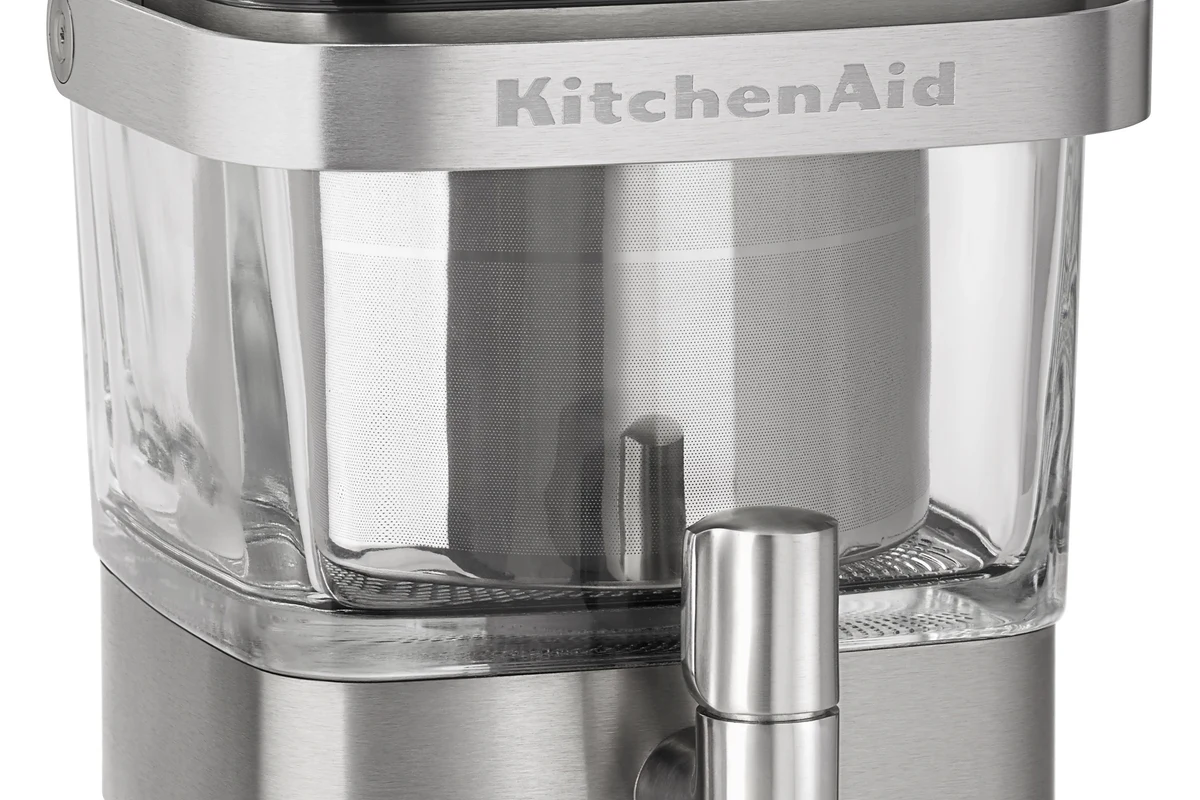
The short answer is this. A dedicated cold brew maker makes cold brew best for easy brewing because it keeps the process simple and tidy.
That said, you do not need a special machine to make good cold brew. You can use a French press, a mason jar, or even a drip coffee maker with a cold brew mode.
For most home kitchens, the best answer depends on how often you drink cold brew. If you make it every week, a purpose-built brewer saves time. If you make it now and then, a simple jar method may be enough.
How Cold Brew Coffee Makers Work
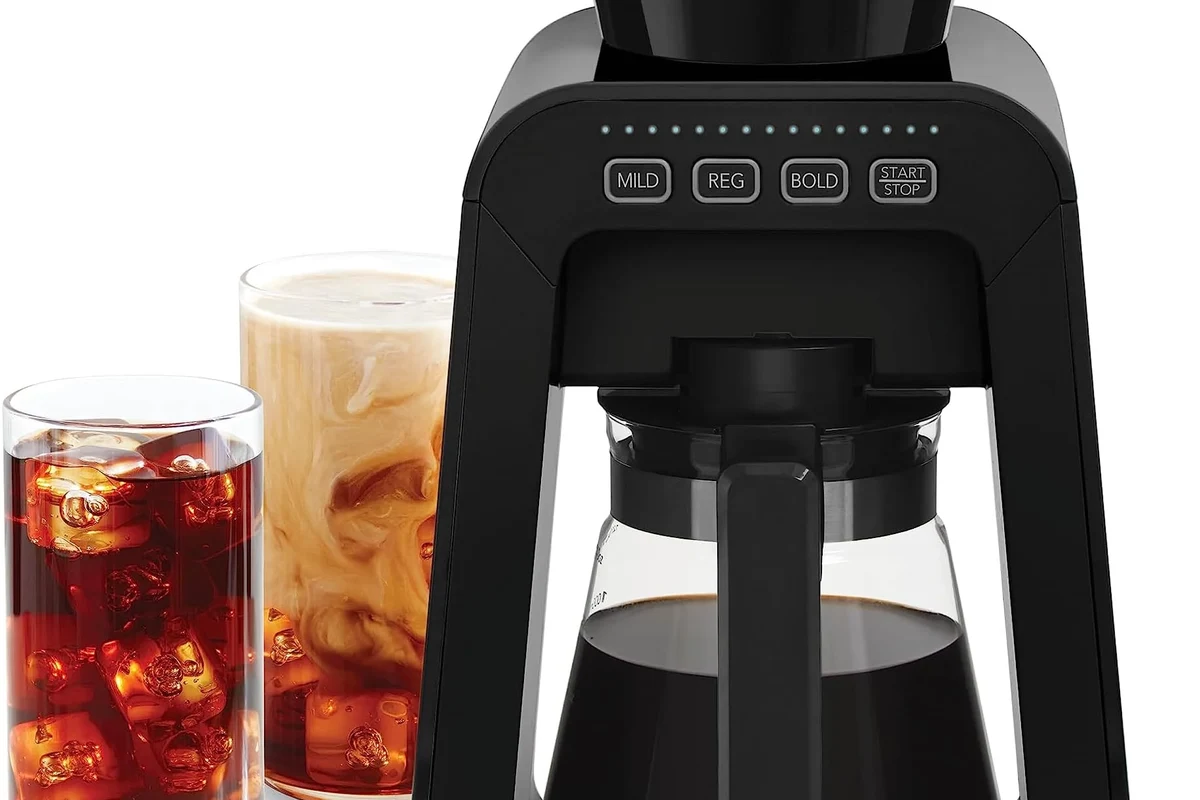
Cold brew coffee makers steep coffee grounds in cool or room-temperature water for many hours. The long soak pulls flavor from the grounds without heat.
This makes cold brew taste smoother and less sharp than hot-brewed coffee served cold. It also changes how you choose a maker, since filter design and steeping space matter a lot.
Immersion Brewing vs. Drip Style Cold Brew
Most cold brew makers use immersion brewing. That means the grounds sit in water for the full steep time.
Drip style cold brew works differently. Water drips slowly over the grounds, much like a very slow pour-over.
| Option | Best For | Key Consideration |
|---|---|---|
| Immersion brewer | Simple home use | Easy setup and steady flavor |
| Drip style brewer | Hands-on coffee fans | More control, but more effort |
Immersion is usually easier for beginners. Drip style can be fun, but it often needs more setup and more attention.
What Makes a Coffee Maker Good for Cold Brew
A good cold brew maker should do a few things well. It should hold the grounds safely, filter them cleanly, and be easy to wash.
Helps reduce grit in the finished brew.
Makes filling, steeping, and cleaning easier.
Helps protect the brew during long steep times.
Matters if you keep the brewer in the fridge.
In short, the best brewer is the one you will actually use. Fancy features help less than a design that fits your routine.
Best Types of Coffee Makers for Cold Brew in 2026
In 2026, the cold brew market still breaks into three useful groups. Each one has a different balance of ease, cost, and cleanup.
Dedicated Cold Brew Makers
Dedicated cold brew makers are built for this exact job. They often include a brew basket, a fine filter, and a pitcher or carafe.
Dedicated Cold Brew Maker
This is the easiest path for steady home use. It keeps the process neat and usually cuts down on mess, but the exact design varies by model.
- Built for cold brew from the start
- Usually easy to fill and strain
- Often stores brew in the same container
- Can take more cabinet space
- May cost more than a jar
- Some models have small parts to clean
If you want the least hassle, this is often the best choice. It works well for people who like repeatable results.
French Press and Jar Methods
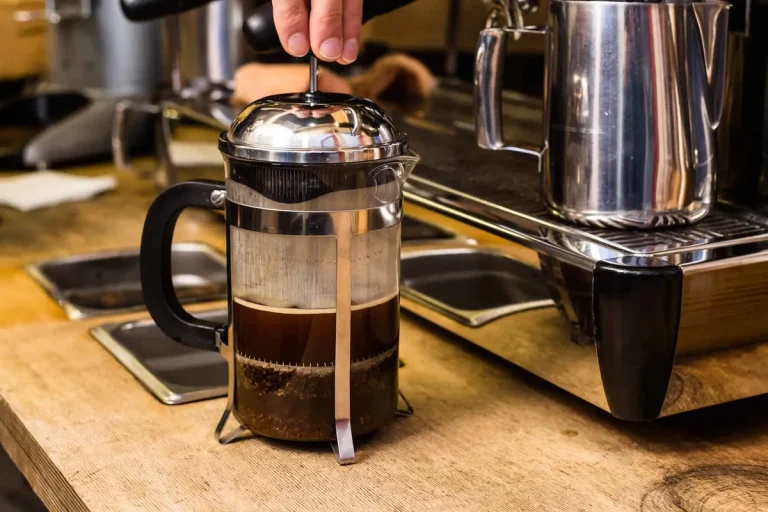
A French press can make cold brew with almost no extra gear. A simple jar or pitcher works too, as long as you strain the grounds later.
This method is cheap and flexible. It also works well if you already own the tools.
Coffee filter or fine strainer
Large spoon
Storage container
Cold brew often tastes less acidic than hot coffee because heat changes how compounds move into water.
The trade-off is cleanup. Grounds can be messy, and straining may take extra time.
Drip Coffee Makers with Cold Brew Settings
Some drip coffee makers now include a cold brew setting. These machines usually aim to speed up extraction with a special brew cycle.
That can be handy, but results vary a lot by model. Some make a decent chilled coffee drink, while others work more like a quick brew than true long-steep cold brew.
Always check the manual. Some machines make a cold coffee concentrate, while others only offer a chilled brew mode.
If you want convenience and already need a drip machine, this can be a nice bonus. If you want classic cold brew flavor, a dedicated brewer is usually a better fit.
How to Choose the Right Coffee Maker
The best coffee maker for cold brew depends on more than the label. Think about size, filter quality, cleanup, and how often you will use it.
Capacity and Batch Size
Start with how much cold brew you drink in a week. A single person may only need a small batch.
A family or a busy office kitchen may need a larger pitcher. Bigger is not always better if the brewer takes up too much fridge space.
Filter Quality and Brew Time
Good filtration matters because cold brew can leave fine grit behind. A tight mesh or a quality paper filter can help.
Brew time also matters. Most cold brew methods need many hours, so the maker should hold up well during a long soak.
- Use a fine filter if you dislike sediment.
- Choose a brewer with a secure lid.
- Look for a design that removes grounds cleanly.
Ease of Cleaning and Storage
Cleaning matters more than many buyers expect. A brewer with too many small parts can turn a simple drink into a chore.
Look for removable parts that rinse easily. Dishwasher-safe parts can help, but always confirm the manual first.
Follow the appliance manual and stop using damaged equipment.
Price, Value, and Daily Use
Value is about more than the sticker price. A cheaper brewer may cost less now, but it can frustrate you later if it is hard to clean.
A better-value model is one that fits your routine, stores well, and makes a drink you enjoy often.
- Capacity and dimensions
- Controls, cleaning, warranty, and safety
- Filter design and storage fit
Cold Brew Recipe Basics for Better Results
Even the best brewer needs the right setup. A few simple choices make a big difference in taste.
Grind Size, Coffee Ratio, and Water Choice
Use a coarse grind for most cold brew methods. Fine grounds can slip through filters and make the drink muddy.
The coffee-to-water ratio varies by taste and brewer. A stronger concentrate uses more coffee, while a lighter brew uses less.
- Use fresh coffee beans or grounds
- Start with a coarse grind
- Measure your coffee and water
- Using espresso-fine grounds
- Guessing the ratio every time
- Using a weak filter setup
Steep Time and Serving Tips
Most cold brew needs a long steep. The exact time depends on the brewer, grind, and how strong you like it.
Start by tasting near the end of the steep. If it tastes too weak, let it sit a bit longer next time.
Varies by method and recipe
Serve cold brew over ice, or dilute concentrate with water or milk. That makes it easier to adjust strength in the cup.
Common Cold Brew Mistakes and How to Fix Them
Cold brew is simple, but a few small mistakes can hurt the result. Most of them are easy to fix.
Weak Flavor, Bitter Taste, and Cloudy Brew
Weak flavor usually means the ratio was too light or the steep time was too short. Bitter flavor often points to too much fine grit or over-steeping.
The brew tastes thin, harsh, or muddy.
Adjust the grind, steep time, and filter quality one step at a time.
Cloudy brew often comes from poor filtering. A better filter or a second strain can help.
Over-Extraction and Poor Filter Use
Over-extraction can happen when grounds sit too long or when the grind is too fine. Poor filter use can also leave sediment in the cup.
Try a coarser grind and a cleaner filter path. That usually gives a smoother cup.
- Too weak means more coffee or more steep time.
- Too bitter means less fine grit or less steep time.
- Cloudiness often means the filter needs improvement.
Safety, Cleaning, and Maintenance Tips
Cold brew is low heat, but food safety still matters. Clean tools and safe storage are part of good coffee making.
Food Safety and Storage Time
Cold brew should go into a clean container and into the fridge after steeping. Do not leave it out for long periods.
Storage time depends on the recipe and refrigerator conditions. When in doubt, follow the brewer manual and use common food-safety sense.
How to Clean Parts Without Damage
Rinse parts soon after use so coffee oils do not build up. Wash removable pieces with warm soapy water unless the manual says otherwise.
Empty grounds, rinse parts, and wash the filter basket.
Check seals, screens, and lids for buildup or wear.
Avoid harsh scrubbing on delicate mesh or plastic parts. If a part cracks, warps, or smells off, replace it if the maker offers one.
Final Verdict: Which Coffee Maker Is Best for Cold Brew?
The best coffee maker for cold brew is usually a dedicated cold brew maker. It gives you the easiest setup, the cleanest process, and the most repeatable results.
Best Choice for Most Home Brewers
Choose a dedicated cold brew maker if you want simple weekly brewing. It is the best mix of ease, cleanup, and steady flavor for most people.
If you already own a French press or jar, that can still be a smart option. It is especially good for occasional use or tight budgets.
Best Budget Pick and Best Upgrade Pick
For the budget pick, use a French press or a jar method. It keeps costs low and works well if you do not mind extra straining.
For the upgrade pick, choose a dedicated cold brew brewer with a good filter and easy cleaning. That is the best path if cold brew is part of your routine.
For most people, a dedicated cold brew maker is the best answer to what coffee maker makes cold brew. If you want the lowest cost, a French press or jar still gets the job done, but cleanup takes more effort.
Frequently Asked Questions
A dedicated cold brew maker is usually the easiest choice. It keeps the grounds contained, the brew tidy, and the cleanup simple.
Yes, a French press can make cold brew well. It is a good low-cost option, but you may need extra filtering for a cleaner cup.
Some do a decent job, but results vary by model. Check the manual, since some machines make a quick chilled brew instead of a long-steep cold brew.
Use a coarse grind for most cold brew methods. Fine grounds can make the drink muddy and harder to filter.
Weak cold brew usually needs more coffee or more steep time. Bitter brew often means the grind is too fine, the filter is poor, or the steep time is too long.
Rinse parts soon after use and wash removable pieces with warm soapy water unless the manual says otherwise. Check filters, lids, and seals often, and replace damaged parts.