Can Coffee Mugs Be Microwaved Safely What to Know

Yes, many coffee mugs are microwave safe, but only if the mug has no metal and no damage. Always check the label first, then heat in short bursts to stay safe.
Yes, many coffee mugs can be microwaved safely. The key is to check the mug material, look for a microwave-safe mark, and avoid damaged or decorative mugs with metal.
- Plain mugs: Ceramic and glass mugs are often the safest choice.
- Metal warning: Gold, silver, and shiny trim can spark in microwaves.
- Damage check: Cracks and chips can get worse during heating.
- Short bursts: Heat drinks in short cycles and stir often.
Can Coffee Mugs Be Microwaved Safely? The Short Answer

Most plain ceramic, glass, and some stoneware mugs are fine in the microwave. But not every mug is safe, and the bottom label often tells you more than the design does.
What “microwave safe” really means
“Microwave safe” means the mug should not spark, crack, melt, or release harmful substances during normal microwave use. It does not always mean the mug stays cool, and it does not mean every model can handle long heating times.
A mug can still get very hot if the material absorbs heat well. That is normal, but it can still burn your hand.
Microwave-safe claims can vary by brand, glaze, and production batch. When in doubt, check the mug and the maker’s care guide.
When a mug is safe, risky, or not safe at all
A mug is usually safe when it has a clear microwave-safe label and no metal parts. It becomes risky when it has cracks, chips, unknown finishes, or heavy decoration.
It is not safe when it has metallic trim, foil, hidden metal, or a finish that the maker says to keep out of the microwave. If you are unsure, use a plain glass container instead.
How Microwave Heating Affects Coffee Mugs
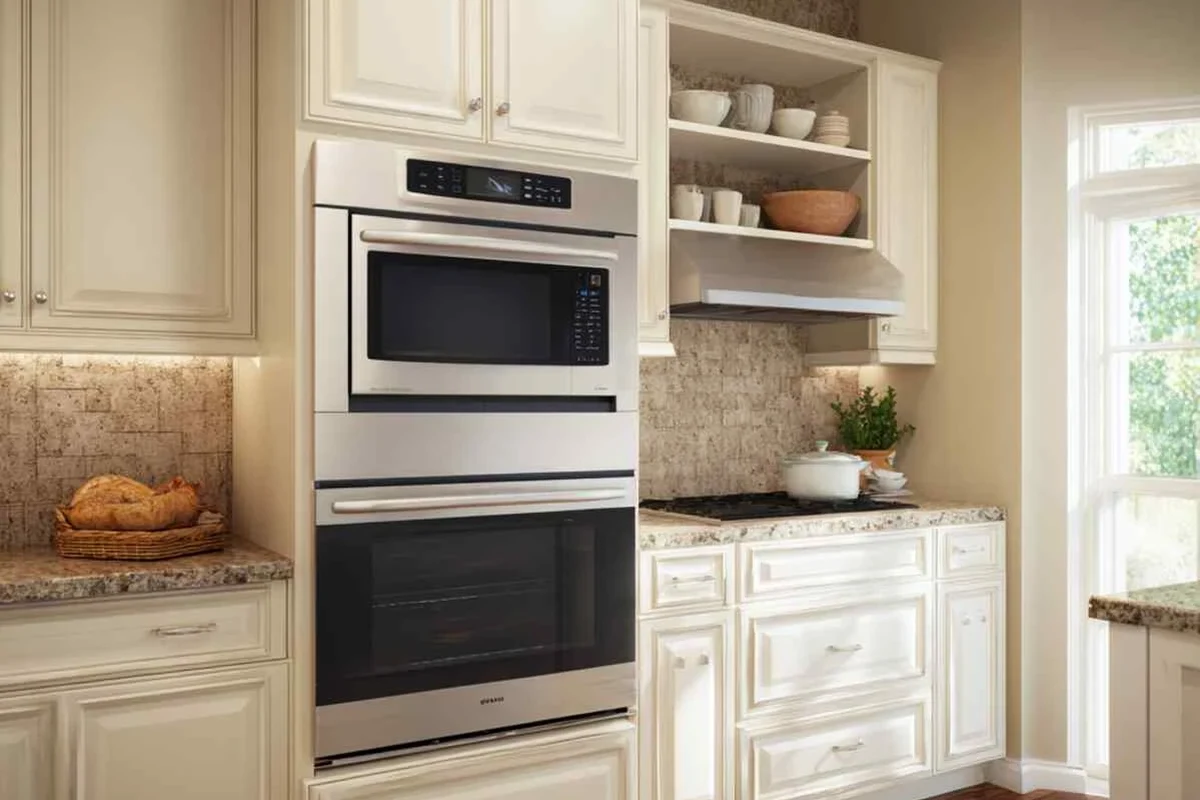
Microwaves heat the water, milk, or coffee inside the mug. The mug itself heats too, but often for different reasons than the drink.
What happens to ceramic, glass, and plastic mugs
Ceramic and stoneware mugs can absorb some heat from the drink and the microwave field. Glass mugs usually heat less from the waves, but they can still become hot from the liquid.
Plastic mugs are a mixed case. Some are made for microwave use, while others can warp or stain more easily.
Why some mugs get hot while the drink stays cooler
Some mug materials absorb energy better than the liquid. That can make the handle or rim hot before the drink feels fully warmed.
This is one reason people think the mug is “too hot” even when the coffee still needs more time. It’s also why short heating bursts work better.
Water can overheat in a microwave without looking very active. Stirring helps spread the heat more evenly.
How glaze, paint, and metal details change safety
Glaze can affect how much heat a mug absorbs. Poorly made or worn glaze may also show more wear over time.
Paint, decals, and metallic trim can create trouble fast. Gold, silver, and shiny accents are the biggest red flags.
What to Check Before You Microwave a Mug
A quick check takes less than a minute and can save you from a cracked mug or a burned hand. It also helps you avoid ruining a favorite cup.
Look for microwave-safe labels and symbols
Check the bottom of the mug first. Many makers print a microwave-safe symbol or care note there.
If you cannot find one, look at the brand’s care page or product listing. When the mug came from a set, each piece still deserves a look.
Check for cracks, chips, and worn glaze
Small cracks and chips can grow when the mug heats up. That can lead to sudden breakage.
Worn glaze can also signal age or damage. If the mug feels rough, stained deep in the surface, or unstable, retire it.
Do not microwave a mug with visible damage. Heat can make small flaws worse and may cause the mug to fail.
Watch for metallic trim, foil, or hidden metal parts
Any metal can spark in a microwave. That includes thin trim, shiny paint, and hidden rings near the base.
Some travel mugs also have metal parts under lids or inside walls. If you are not sure, keep it out of the microwave.
Know which mug materials are usually the safest
Plain glass and plain ceramic mugs are usually the safest bets. Simple designs without decoration are best for everyday use.
Choose mugs made for food use, not display. Decorative pieces often look fine but do not handle heat well.
Common Mug Materials Compared
Material matters more than style. A plain mug can be safer than a fancy one, even if the fancy one looks sturdier.
Ceramic mugs
Ceramic mugs are often microwave safe, but not always. The glaze and any decoration matter just as much as the clay body.
They are a good choice for daily coffee. Still, older mugs and handmade pieces need extra care.
Glass mugs
Glass mugs are often easy to trust if they are labeled for microwave use. They usually do not have hidden decoration issues like painted ceramics.
However, thin glass can still crack from sudden temperature changes. Avoid moving a hot glass mug onto a cold, wet counter.
Plastic and travel mugs
Only microwave plastic mugs that are clearly labeled for it. Some plastics soften, warp, or hold odors after repeated heating.
Travel mugs are trickier. Many are not microwave safe because of lids, seals, or metal liners.
Stoneware and handmade mugs
Stoneware often feels thick and sturdy, but that does not guarantee microwave safety. Handmade mugs may also have uneven glaze or hidden weak spots.
If a handmade mug has no clear care note, treat it as uncertain. Use it with caution or skip the microwave.
Benefits and Limits of Microwaving Coffee Mugs
Microwaving a mug is quick and simple. That is why so many people use it for coffee, tea, and hot milk drinks.
Why people microwave mugs in the first place
People want speed. A microwave can warm a cold drink in minutes without needing a pot or kettle.
It also helps when you forget your coffee on the counter. We’ve all been there.
When microwaving is convenient and useful
It works well for reheating a single cup. It also helps when you want to warm milk before mixing cocoa or tea.
For busy mornings, it can be the easiest option. That said, it works best with simple mugs and short bursts.
When it can affect taste, safety, or mug life
Long heating can make coffee taste stale or bitter. It can also overheat milk and create a skin on top.
Repeated high heat can wear down glaze, stain plastic, or loosen decorative finishes. A mug may still look fine while slowly aging out.
Common Mistakes People Make
Most mug problems come from rushing. A few small habits can make microwaving much safer.
Using decorative mugs without checking the bottom
Pretty mugs often hide the biggest problems. Gold trim, hand paint, and special finishes can all be unsafe.
Always check the base first. If the maker gives care notes, follow those over the look of the mug.
Heating an empty mug
An empty mug can heat unevenly and get very hot. In some cases, it can crack from the stress.
Always add liquid before heating. Even a small amount helps spread the heat.
Ignoring uneven heating and hot spots
Microwaves can heat one side more than another. That means the handle, rim, or center may surprise you.
Stir the drink and let it sit for a moment. This helps the heat spread out.
Using mugs with gold, silver, or metallic accents
Metal and microwaves do not mix. Even tiny accents can cause sparks or damage.
If the mug has a shiny edge or image, leave it out of the microwave. It is not worth the risk.
Stop using any mug that sparks, smells odd, or changes shape in the microwave.
How to Use Coffee Mugs Safely in the Microwave
Safe use is mostly about checking the mug, using short heating times, and watching the drink as it warms. That simple routine covers most problems.
Simple step-by-step safety checks before heating
Look for cracks, chips, loose paint, and metal trim.
Use mugs marked microwave safe or approved by the maker.
Never microwave an empty mug.
Pause to stir and check the temperature often.
Best practices for water, coffee, and milk drinks
Water heats fast and can become super hot, so use extra care. Coffee and tea usually need less time if they are already warm.
Milk drinks need gentle heating. Too much heat can change the taste and make cleanup harder if the milk boils over.
- Use a spoon to stir between short heating bursts.
- Leave space at the top to prevent spills.
- Use a potholder if the mug feels hot.
How long to heat without risking damage
Heating time depends on the microwave, the mug, and the amount of liquid. There is no single safe time for every kitchen.
Start with a short burst, then add more time if needed. That approach lowers the chance of overheating the mug or drink.
What to do if a mug gets too hot
Stop the microwave and let the mug rest. Use an oven mitt or towel before touching it.
If the mug stays hot for a long time or shows new cracks, stop using it. A damaged mug is not worth keeping around.
Cleaning, Care, and When to Replace a Mug
Good care helps a mug last longer and stay safer in the microwave. It also keeps coffee from picking up old stains or smells.
How to clean mugs without damaging safe coatings
Use mild soap and a soft sponge for daily cleaning. Harsh scrubbers can wear down glaze or decorative coatings over time.
For stains, soak the mug before scrubbing. That works better than scraping hard at the surface.
Wash and dry the mug well before storing it.
Check for chips, hairline cracks, and worn decoration.
Signs a mug should be retired
Retire a mug if it has cracks, chips, or a rough base. Also replace it if it sparks, warps, or smells strange when heated.
Loose handles and flaking glaze are other warning signs. A mug should feel solid every time you pick it up.
How proper care affects long-term value
A well-cared-for mug lasts longer and stays nicer to use. That matters if you have a favorite cup you reach for every day.
Simple habits like gentle washing and careful microwave use protect both safety and appearance. In short, a little care goes a long way.
- Plain ceramic, glass, and some stoneware mugs are often safe.
- Metal trim, damage, and unknown finishes are the biggest risks.
- Short heating bursts are safer than long, high heat cycles.
- When in doubt, follow the mug label or skip the microwave.
Final Recommendation
If you want the safest simple answer, use a plain mug with a clear microwave-safe label. If the mug has metal, damage, or no care note, don’t microwave it.
For everyday use, plain ceramic or glass usually gives the best mix of convenience and safety. Handmade, decorative, and travel mugs need more caution, so check them carefully before each use.
Frequently Asked Questions
Look for a microwave-safe label or symbol on the bottom of the mug. If you do not see one, check the maker’s care guide before heating it.
No, metal trim can spark and damage the microwave. Even small shiny accents can be risky, so it’s best to skip those mugs.
Some mug materials absorb heat faster than the liquid. That can make the mug hot even when the coffee still feels only warm.
Sometimes, but not always. Handmade mugs can have uneven glaze or hidden weak spots, so use them only if the maker says they are microwave safe.
Stop using it right away and let it cool before handling. A cracked mug should be retired because more heat can make the damage worse.
Use a microwave-safe mug, add liquid first, and heat in short bursts. Stir between bursts and use a potholder if the mug gets too hot.