Is pasta healthy for pregnancy A simple guide

Yes, pasta can be healthy for pregnancy when you keep portions sensible and add protein and vegetables. The safest, best-balanced pasta meals are simple, filling, and fully cooked.
Yes, pasta can be healthy for pregnancy when you eat it in a balanced way. The best choice is a pasta meal with fiber, protein, and vegetables, not a huge bowl of plain refined pasta.
- Yes, usually: Pasta can fit well into a healthy pregnancy diet.
- Balance matters: Add protein, vegetables, and a sensible sauce.
- Portion size counts: Too much refined pasta can raise blood sugar.
- Food safety counts: Store, chill, and reheat leftovers carefully.
Is pasta healthy for pregnancy? The short answer
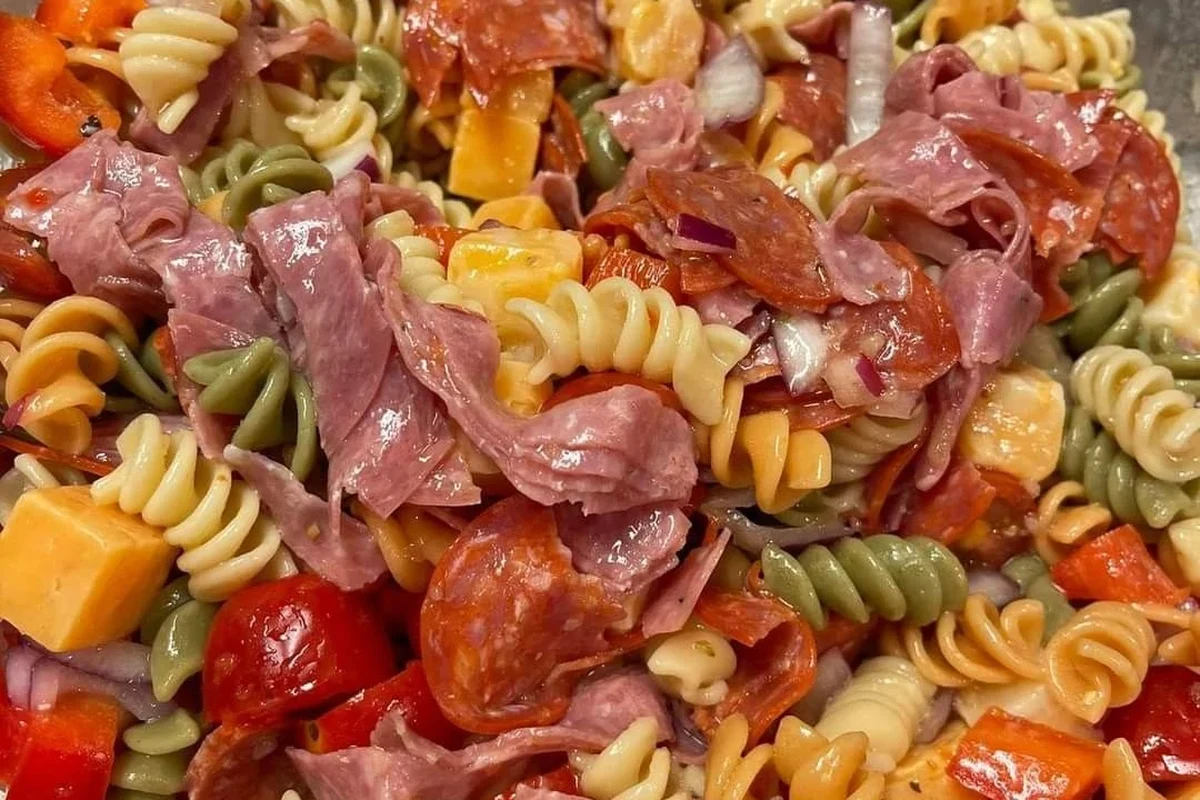
Pasta can fit well into a pregnancy diet. It gives you energy, and it can be easy to digest on days when food feels tricky.
The key is what kind of pasta you choose and what you put on it. A simple bowl of pasta with sauce, beans, chicken, or vegetables can be a solid meal.
What most pregnant readers want to know first
Most people want a clear yes or no. The honest answer is yes, pasta is usually fine during pregnancy.
It is not a superfood. But it is also not something you need to fear.
Can I eat pasta every day while pregnant?
Usually yes, if the rest of your meals are varied and balanced. Still, it helps to rotate in other grains, proteins, and vegetables.
When pasta can fit into a healthy pregnancy diet
Pasta works best as part of a mixed meal. That means adding protein, color, and some healthy fats.
For example, whole wheat pasta with tomato sauce, spinach, and chicken gives more nutrition than plain noodles with butter.
Build pasta meals like a bowl, not a side dish. Add protein and vegetables first.
How pasta works in pregnancy nutrition
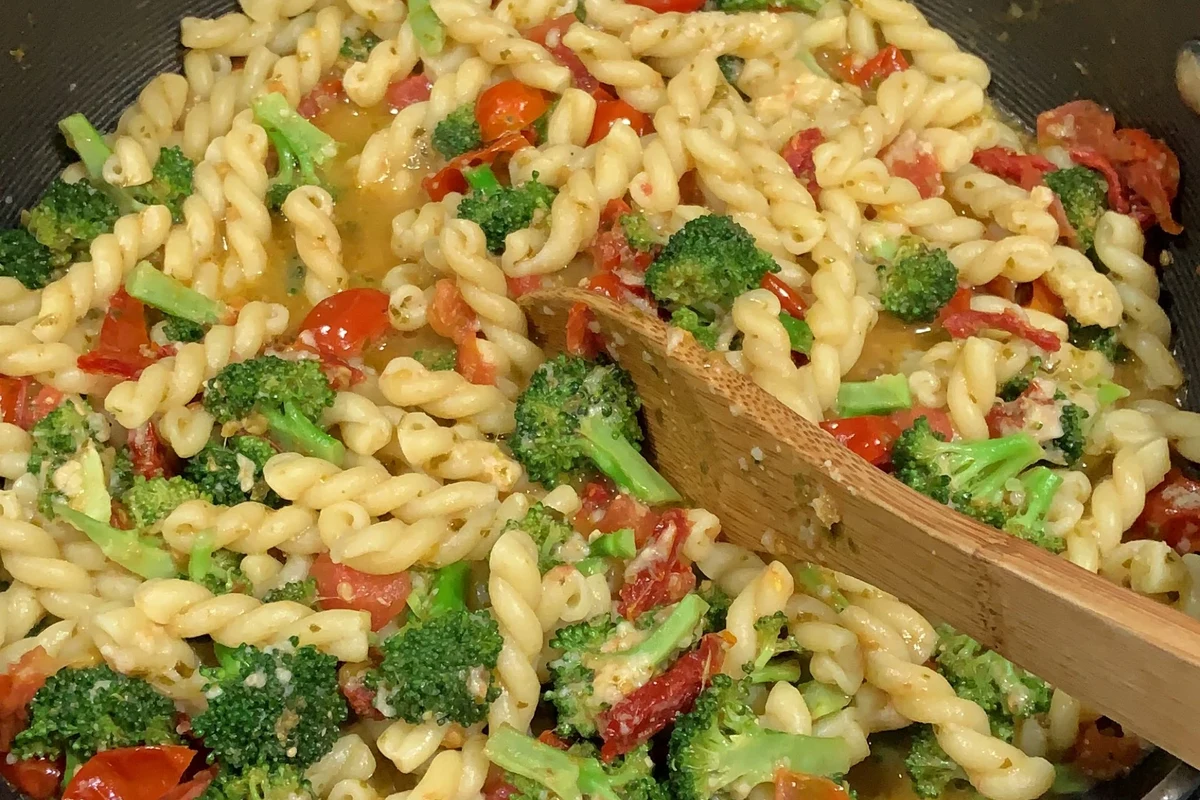
Pasta is mostly a carbohydrate food. That makes it useful for energy, but it also means portion size matters.
Pregnancy changes hunger, blood sugar, and digestion. So the same bowl of pasta may feel great one day and too heavy the next.
Carbs, energy, and steady meals
Carbs help fuel your body. During pregnancy, that can matter a lot when you feel tired or need a quick meal.
Pasta can help keep meals simple. It also pairs well with foods that slow digestion, like beans, meat, cheese, or vegetables.
Why portion size matters more than pasta itself
Pasta is not the problem by itself. The issue is often how much you eat at once.
A very large portion can push up blood sugar and leave you feeling sluggish. A moderate serving with other foods is usually a better fit.
How pasta compares with other common carbs
Pasta is similar to rice, bread, potatoes, and oats in one main way. It gives your body energy.
Whole grain versions often offer more fiber than white pasta. That can help with fullness and digestion.
Best pasta choices for pregnancy
Not all pasta choices are equal. Some offer more fiber or nutrients, while others are easier to digest.
The best pick depends on your needs, your stomach, and what you can keep down.
Whole wheat pasta and added fiber
Whole wheat pasta usually gives more fiber than white pasta. That can help with constipation, which is common in pregnancy.
It also tends to be more filling. That may help if you want to stay satisfied between meals.
Enriched pasta and key nutrients
Many regular pastas are enriched. That means makers add back some nutrients lost during processing.
This does not make it a perfect food. But it can still be a useful part of a balanced meal.
Gluten free pasta options and who may prefer them
Gluten free pasta can be a good choice if you have celiac disease or gluten sensitivity. It also gives variety if wheat pasta bothers your stomach.
Some gluten free pastas cook softer or break apart more easily. So check the package directions and taste as you go.
Fresh pasta versus dried pasta
Fresh pasta often tastes softer and cooks fast. Dried pasta usually keeps longer and is easier to store.
Neither one is automatically healthier. The rest of the meal matters more.
Nutrition can vary by brand and recipe. Always check the label if you need more fiber, less sodium, or gluten free ingredients.
What to look for in a pregnancy friendly pasta meal
A good pasta meal should do more than fill your stomach. It should also give steady energy and useful nutrients.
Think of pasta as the base. Then add the parts that make it more complete.
Protein add ins like chicken, beans, eggs, or cheese
Protein helps a meal feel more balanced. It also supports growth and keeps you full longer.
Good add-ins include chicken, turkey, beans, lentils, eggs, tofu, and cheese.
Veggie toppings for more fiber and vitamins
Vegetables add fiber, color, and helpful vitamins. They also make pasta feel less heavy.
Try spinach, peas, broccoli, zucchini, mushrooms, peppers, or tomatoes.
Safe sauces and lower risk flavor choices
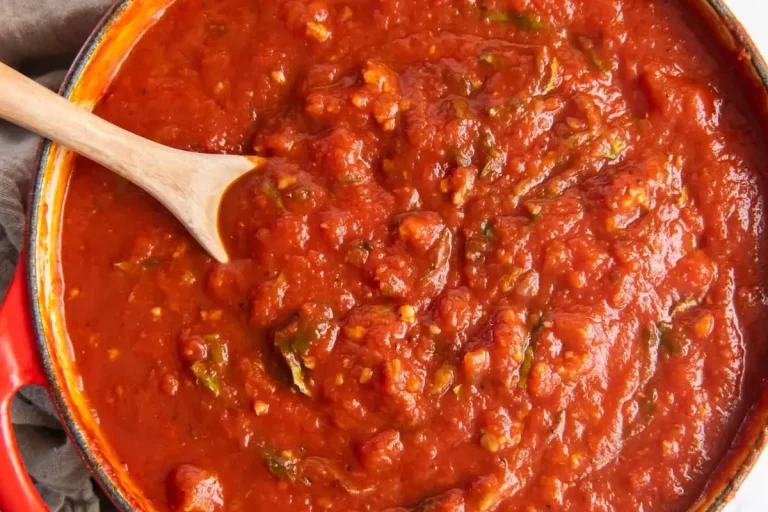
Simple sauces are often the easiest choice. Tomato sauce, olive oil, pesto made with safe ingredients, or broth-based sauces can work well.
If you use cream sauce, make sure it is hot and fully cooked. That helps reduce food safety concerns.
Ingredients to limit, like very salty or very creamy sauces
Very salty sauces can add up fast. That matters if you already eat a lot of packaged foods.
Very rich cream sauces can feel too heavy, especially if you have nausea or heartburn.
- Add vegetables before adding extra cheese.
- Choose sauces with short ingredient lists when you can.
- Keep a few frozen vegetables ready for fast meals.
Benefits and limits of eating pasta while pregnant
Pasta has some real benefits during pregnancy. It is also easy to overdo.
Knowing both sides helps you make better choices without stress.
Easy to digest and simple to prepare
Many pregnant people find pasta gentle on the stomach. That can be helpful when smells or strong foods feel hard to handle.
It also cooks fast. That matters on long days when you need dinner now, not later.
Helpful for nausea, low appetite, or busy days
Plain or lightly sauced pasta can work well when you feel sick. It is often easier to tolerate than greasy or spicy food.
It also helps on busy nights when you need something quick and filling.
Pairing carbs with protein can help a meal feel more satisfying than carbs alone.
Limits to watch, including blood sugar and weight gain
Large servings of refined pasta can raise blood sugar faster than higher fiber meals. That may matter more if you have gestational diabetes or a higher risk of it.
Weight gain is also about overall diet, not one food. Still, it helps to keep pasta portions reasonable.
Common mistakes pregnant people make with pasta
Pasta is easy to make, but a few habits can make it less healthy. The good news is that these mistakes are simple to fix.
Eating too much refined pasta too often
White pasta is fine sometimes. The problem comes when it crowds out other foods.
Try to mix in whole grain pasta now and then. You can also use smaller portions.
Skipping protein and vegetables
A plain bowl of noodles may not hold you for long. It can leave you hungry again soon.
Add at least one protein and one vegetable when you can.
Using unsafe leftovers or undercooked ingredients
Pregnancy is a time to be careful with food safety. Leftovers need proper cooling, storage, and reheating.
Also, make sure eggs, meat, and seafood in pasta dishes are fully cooked.
If a pasta dish sat out too long, smells off, or looks questionable, skip it. When in doubt, throw it out.
Choosing sauces with too much salt or sugar
Jarred sauces can be convenient, but some are very salty or sweet. That can make a meal less balanced.
Check the label when you can, or stretch sauce with tomatoes, vegetables, or a little broth.
Safety tips, storage, and reheating
Food safety matters during pregnancy. Cooked pasta is usually safe, but leftovers need care.
A few simple habits can lower risk and keep meals tasting good.
How to keep cooked pasta safe in the fridge
Cool pasta soon after cooking. Put it in a shallow container and get it into the fridge promptly.
Do not leave it out for hours. Warm food sitting at room temperature can become unsafe.
How long leftovers usually last
Leftover pasta usually keeps for a few days in the fridge, but timing can vary by food and storage conditions.
Use the safest guidance from your local food safety source or your refrigerator manual if needed.
Reheating pasta the safe way
Reheat pasta until it is steaming hot. Stir it so the heat spreads through the dish.
If it looks dry, add a little sauce or water before heating. That helps it warm more evenly.
Follow the manual for your microwave, toaster oven, or air fryer if you reheat leftovers in one.
When to skip a pasta dish during pregnancy
Skip it if the pasta smells strange, feels slimy, or has been left out too long. Also skip any dish with undercooked eggs or meat.
If you are unsure, choose a fresh meal instead. That is the safer call.
Final recommendation: how to enjoy pasta the smart way
So, is pasta healthy for pregnancy? Yes, it can be. The smartest approach is to treat pasta as one part of a balanced plate.
When you add protein, vegetables, and a sensible portion, pasta can be a comforting and useful meal.
Best overall approach for most pregnant readers
Choose whole wheat or enriched pasta when possible. Then build around it with lean protein, vegetables, and a sauce that is not too salty.
That gives you a meal that feels good and supports your needs better than plain noodles alone.
- Pasta is usually fine during pregnancy.
- Balance matters more than the pasta type alone.
- Watch portions, sauce, and food safety.
- Add protein and vegetables for a better meal.
Simple meal formula for a balanced pasta plate
Use this easy rule. Start with pasta, add protein, add vegetables, then finish with a simple sauce.
For example, whole wheat pasta with beans, spinach, and tomato sauce is a strong everyday choice.
When to ask a doctor or dietitian for personal advice
Talk to a doctor or dietitian if you have gestational diabetes, strong nausea, food restrictions, or trouble eating enough.
Personal advice can help you match pasta meals to your own needs. That is especially useful if your pregnancy has special nutrition goals.
Frequently Asked Questions
Usually yes, if the rest of your meals are varied and balanced. It helps to mix in other grains, proteins, and vegetables too.
Whole wheat pasta often gives more fiber, which can help with fullness and constipation. It is a good choice, but regular enriched pasta can also fit well.
Add protein like chicken, beans, eggs, or cheese, plus vegetables like spinach, peas, or broccoli. A simple sauce usually works better than a very salty or creamy one.
Yes, gluten free pasta is generally safe if it fits your diet and you cook it properly. It is a good option for people who need to avoid gluten.
Cool it soon after cooking and keep it in the fridge in a covered container. If it smells off, sat out too long, or looks questionable, throw it away.
Large portions of refined pasta can raise blood sugar faster, so portion size matters. If you have gestational diabetes or a higher risk, ask your doctor or dietitian for personal advice.