Is Soybean Paste the Same as Miso A Clear Guide

No, soybean paste is not always the same as miso. Miso is one specific kind of soybean paste, but other soybean pastes can taste stronger and work better in different recipes.
Short answer: no, soybean paste is not always the same as miso. They can look alike and both use fermented soybeans, but they are different ingredients with different flavors, salt levels, and cooking jobs.
- Main difference: Miso is specific. Soybean paste is a wider category.
- Flavor: Miso is often milder. Other pastes can taste bolder.
- Best use: Match the paste to the recipe style and salt level.
- Swapping: You can swap sometimes, but taste and adjust slowly.
What Soybean Paste and Miso Actually Are
If you’ve ever stood in front of a grocery shelf and felt stuck, you’re not alone. Soybean paste and miso both belong to the same broad family of fermented bean pastes, but they come from different food traditions.
That means they share some traits, yet they are not true twins.
Simple definitions for each ingredient
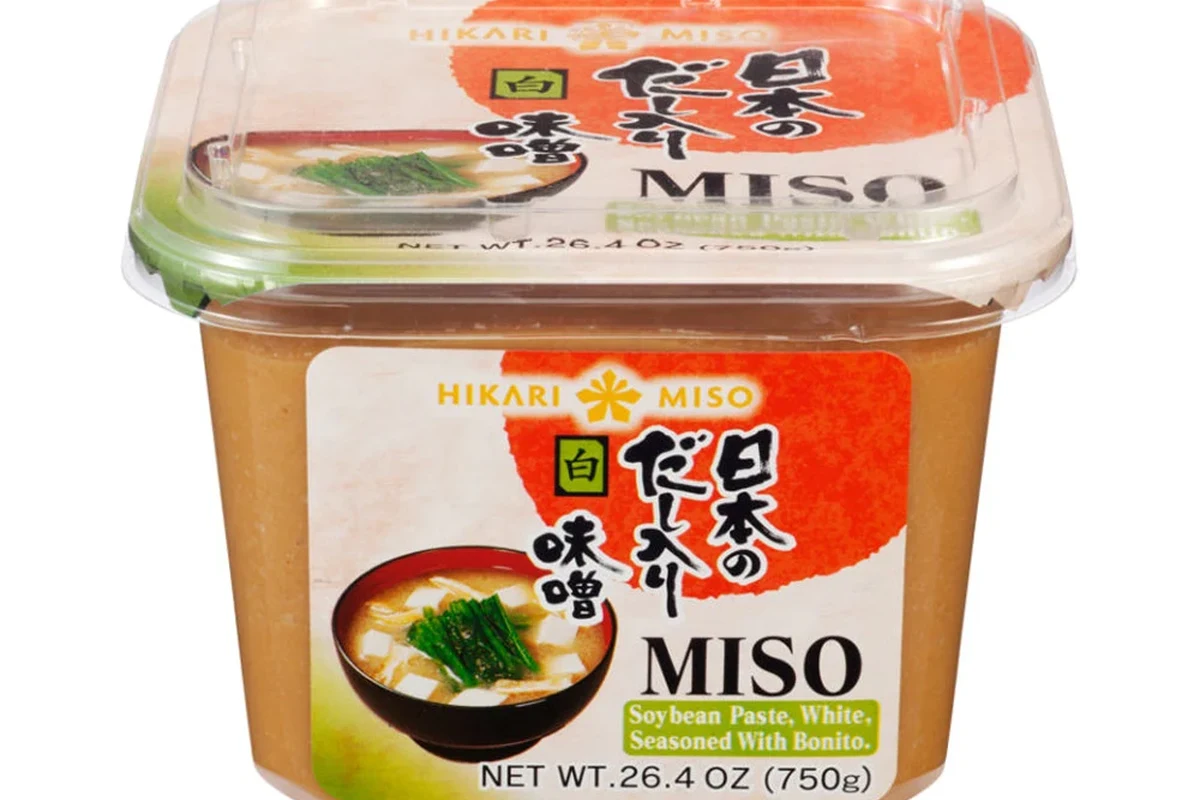
Miso is a Japanese fermented paste made from soybeans, salt, and a mold starter called koji. Some miso also includes rice or barley.
Soybean paste is a broader name. It can mean several pastes made from fermented soybeans in Chinese, Korean, and other Asian cooking styles.
In short: miso is one type of soybean paste, but not every soybean paste is miso.
How both are made through fermentation
Both ingredients rely on fermentation. That process breaks down the beans and grain over time and creates deep savory flavor.
Salt helps control the process. The starter culture and the length of aging shape the final taste, smell, and color.
Milder fermentation usually gives a lighter, sweeter paste. Longer fermentation usually makes a darker, stronger one.
Why people often confuse them
They both look thick, brown, and salty. They also both bring umami, which is that rich, mouth-filling savory taste.
Many recipes use them in soups, sauces, and marinades. So it’s easy to think they are the same thing.
However, the flavor can shift a lot from one paste to another. That’s why the label matters.
Miso often includes koji, while many other soybean pastes use different starters or methods.
Is Soybean Paste the Same as Miso
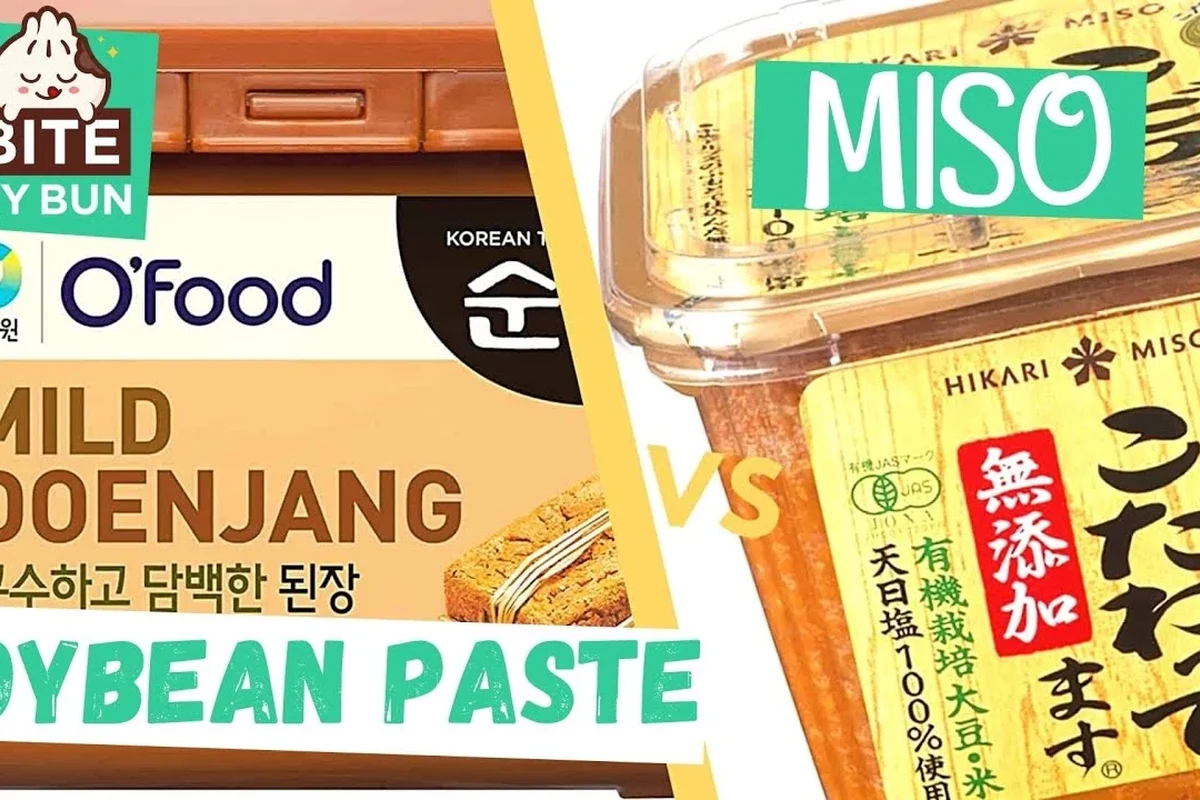
The short answer is no. Miso is a specific Japanese soybean paste, while “soybean paste” can point to several different products.
They may overlap in use, but they don’t always taste or behave the same in a dish.
The short answer and the key differences
The biggest difference is origin. Miso comes from Japanese cooking, while soybean paste may come from Japan, Korea, China, or other places.
The second big difference is flavor. Miso often tastes smoother and more balanced. Other soybean pastes can taste sharper, earthier, or more pungent.
The third difference is how you use them. Some are best for soups. Others work better in stews, dipping sauces, or braises.
Ingredients, flavor, color, and texture compared
Miso usually starts with soybeans, salt, and koji. It may also include rice or barley, depending on the type.
Chinese soybean pastes and Korean doenjang may use different grains, starters, and aging styles. That changes the final taste a lot.
Color can range from pale beige to deep brown. Texture can be smooth, thick, or coarse.
| Option | Best For | Key Consideration |
|---|---|---|
| Miso | Japanese soups, glazes, and light sauces | Usually milder and sweeter |
| Other soybean pastes | Stews, braises, and stronger savory dishes | Can be saltier or more intense |
When the names are used loosely in cooking
Some cooks use “soybean paste” as a loose umbrella term. In casual talk, they may say miso when they mean any fermented bean paste.
That can work in conversation, but it can cause trouble in recipes. The final dish may taste too mild, too salty, or just different from what you expected.
How Soybean Paste and Miso Work in Recipes
These pastes do more than add salt. They build body, depth, and a long finish that plain salt cannot give.
That’s why a small spoonful can change a whole pot of food.
Flavor role in soups, sauces, and marinades
Miso is common in soup broth, noodle soup, salad dressing, and fish or vegetable marinades. It adds a round, gentle savory note.
Other soybean pastes can bring a stronger base flavor to stews, dipping sauces, and slow-cooked dishes. They often stand up well to garlic, chili, and meat.
In sauces, both can help thicken the mix and make it taste fuller.
Salt level, umami, and fermentation strength
Salt level varies by type, not just by name. Some miso is mild. Some is quite salty.
The longer a paste ferments, the deeper and stronger its flavor often becomes. That can be great in a stew, but it can overwhelm a light soup.
Always taste before adding more. A little goes a long way.
Stir paste into a small amount of warm liquid first. It blends better and helps prevent clumps.
Best uses for each ingredient in everyday cooking
Use miso when you want a clean, balanced savory taste. It fits well in ramen broth, miso soup, roasted vegetables, and quick sauces.
Use a stronger soybean paste when you want a deeper, bolder flavor. It suits hearty soups, braised dishes, and rich dipping sauces.
If you cook often, keep the style that matches your most common recipes.
How to Choose the Right One for Your Dish
The right choice depends on the cuisine, the flavor you want, and how salty the rest of the dish already is.
When in doubt, start with less paste than the recipe calls for. You can always add more.
Which one works best for Japanese recipes
For Japanese dishes, miso is usually the safest pick. It matches the flavor profile that many recipes expect.
White miso works well in mild soups and dressings. Red or mixed miso works better in richer dishes.
If a recipe says miso, use miso first unless the recipe says otherwise.
Which one fits Korean or Chinese cooking better
Korean doenjang and Chinese soybean pastes often fit those cuisines better. They bring the stronger, earthier taste those dishes often need.
For Korean stews or dipping sauces, doenjang is usually the better match. For many Chinese sauces and braises, a Chinese-style soybean paste may be the right fit.
Flavor matters more than the word on the jar.
How to swap one for the other safely
You can swap them in some recipes, but do it carefully. Start with less and taste as you go.
If you swap miso for a stronger paste, the dish may turn milder and sweeter. If you swap the other way, it may turn saltier and more intense.
For a light soup, that can be a big change. For a stew, it may be easier to adjust.
Recipe results vary by brand, salt level, and how long the paste has aged.
Important Ingredients, Types, and Labels to Check
Package labels matter a lot here. The name alone does not tell you the full story.
Check the ingredients, the country style, and the color before you buy.
White miso, red miso, and mixed miso
White miso is usually milder, softer, and a little sweeter. It works well in light soups and dressings.
Red miso ages longer and tastes stronger. It adds more depth to hearty dishes.
Mixed miso sits between the two. It gives a balanced flavor that many home cooks like.
Chinese soybean paste and Korean doenjang
Chinese soybean paste can vary a lot by region and brand. Some versions are thick, dark, and very savory.
Korean doenjang is a fermented soybean paste with a deep, earthy taste. It often shows up in soups and stews.
These are not just different names for miso. They are separate ingredients with their own cooking roles.
What to look for on the package before buying
Read the ingredient list first. Look for soybeans, salt, and the grain or starter used.
Check whether the jar says white, red, mixed, doenjang, or Chinese-style paste. That gives you a better clue than the word “paste” alone.
If you need a specific recipe result, match the style as closely as you can.
- Check the style, not just the word “paste”
- Match the flavor to your recipe
- Look at salt level and ingredients
- Choose a jar size you can use up
Benefits, Limits, and Common Mistakes
Both ingredients can make home cooking easier. But they also have limits.
The trick is knowing when they help and when they take over.
Strong flavor and easy seasoning benefits
A small amount adds a lot of taste. That makes both pastes useful for quick weeknight meals.
They also help build umami without long simmering. That’s handy when you want a fuller taste fast.
They can work in soups, stir sauces, glazes, and even some dips.
Too much salt and overpowering taste limits
The biggest downside is salt. It’s easy to add too much before you notice.
Some pastes can also overpower delicate foods like mild fish, soft tofu, or light vegetables.
Use them as seasoning, not as the whole flavor plan.
Because paste salt levels vary, taste the dish before adding more. Too much can be hard to fix.
Common mix-up mistakes home cooks make
One common mistake is using a strong soybean paste where a mild miso was needed. That can make the dish taste heavy.
Another mistake is using too much paste at once. It’s better to start small and adjust.
People also forget that some pastes are thicker than others. A thicker paste may need more whisking or a little warm liquid.
Safety, Storage, and Handling Tips
These are fermented foods, so they often keep well. Still, storage and clean handling matter.
Good habits help protect flavor and reduce spoilage risk.
How to store soybean paste and miso after opening
After opening, seal the container tightly. Store it in the fridge unless the package says something different.
Keep the lid clean and closed. That helps slow drying and keeps out stray food bits.
If the paste came in a tub or jar, use a clean spoon every time.
Signs the paste has gone bad
Watch for mold that looks fuzzy or unusual. Also watch for a bad smell that seems rotten, sour in the wrong way, or sharp enough to seem off.
Some color change can happen with age, and that does not always mean spoilage. But when the smell, look, or texture seems wrong, it’s safer to throw it out.
If the package gives storage guidance, follow that first.
Clean spoon habits and kitchen safety tips
Use a dry, clean spoon each time you scoop. Do not dip a spoon that has touched raw meat or other food.
Keep paste away from splashes, crumbs, and wet fingers. That lowers the chance of contamination.
If the container is swollen, leaking, or damaged, don’t use it.
Follow the package storage guide and stop using any paste that shows clear spoilage signs.
Final Verdict: Which One Should You Use
Use miso when you want a Japanese-style flavor that feels smooth, balanced, and a little sweet. Use another soybean paste when you want a stronger, earthier, or more regional flavor.
If you’re cooking a specific recipe, the safest move is to match the ingredient named in the recipe. If you’re improvising, choose the paste that fits the taste you want most.
Best choice by recipe and taste goal
For light soups, dressings, and simple glazes, miso is usually the better choice. For stews, braises, and bold sauces, a stronger soybean paste may work better.
If you want less risk, start with white or mild miso. If you want more punch, choose a darker, more aged paste.
Value, availability, and final recommendation
Pick the paste that matches your cooking style and local store options. Availability varies a lot by region, so the best choice may be the one you can buy again easily.
Our simple recommendation is this: treat miso as one specific kind of soybean paste, not as a full substitute for every paste on the shelf. That small distinction can save a recipe.
- Miso is a specific type of fermented soybean paste.
- Other soybean pastes can taste stronger, saltier, or earthier.
- Use the paste that fits the recipe style and flavor goal.
- Check labels closely before swapping ingredients.
Frequently Asked Questions
No. Miso is one type of fermented soybean paste, but soybean paste can mean several different ingredients from different cuisines.
Sometimes, yes. It works best when you want a milder savory taste, but the final flavor may change.
The biggest difference is style and taste. Miso is usually Japanese and often smoother, while other soybean pastes can be earthier or stronger.
White miso is often the easiest starting point. It tastes milder and sweeter than red miso.
Seal it tightly and keep it in the fridge unless the package says otherwise. Use a clean spoon each time.
Look for fuzzy mold, a bad smell, or a texture that seems off. If the container is swollen or leaking, throw it out.