Can I Take Dried Pasta in My Hand Luggage Guide

Yes, you can usually take dried pasta in your hand luggage. Keep it sealed, plain, and easy to identify, and check local airport rules before you fly.
Yes, you can usually take dried pasta in your hand luggage. It is a dry food, so airport security often allows it without trouble.
That said, the final call can depend on the airport, the country, and how the pasta is packed. If it looks odd on X-ray, security may ask to inspect it.
- Usually allowed: Plain dried pasta is normally fine in cabin baggage.
- Packaging matters: Sealed, labeled packs are easiest to screen.
- Sauce changes things: Wet or mixed pasta can face stricter checks.
- Rules vary: Airport and country guidance can differ by route.
Can I Take Dried Pasta in My Hand Luggage? The Short Answer

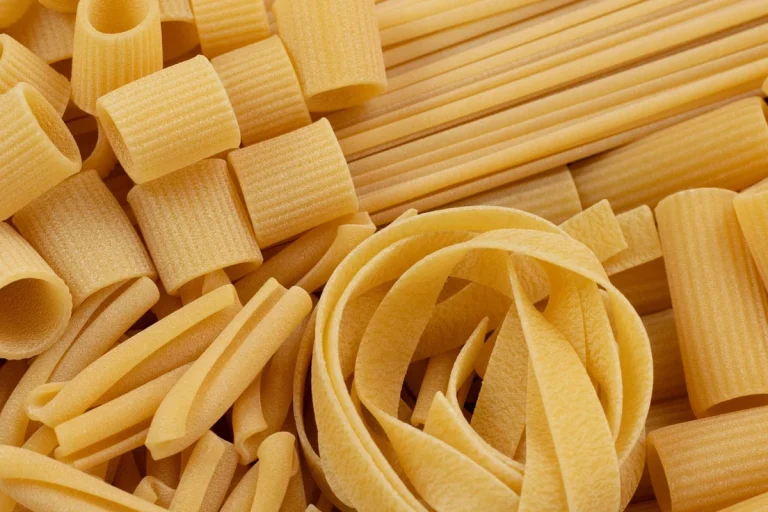
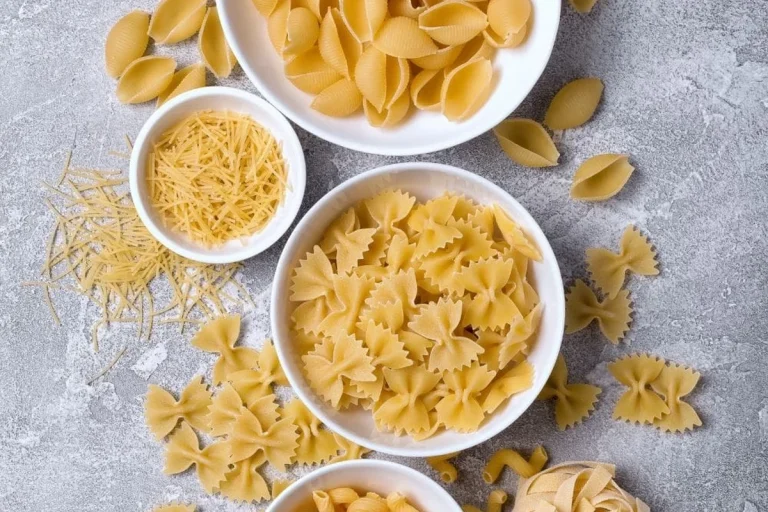
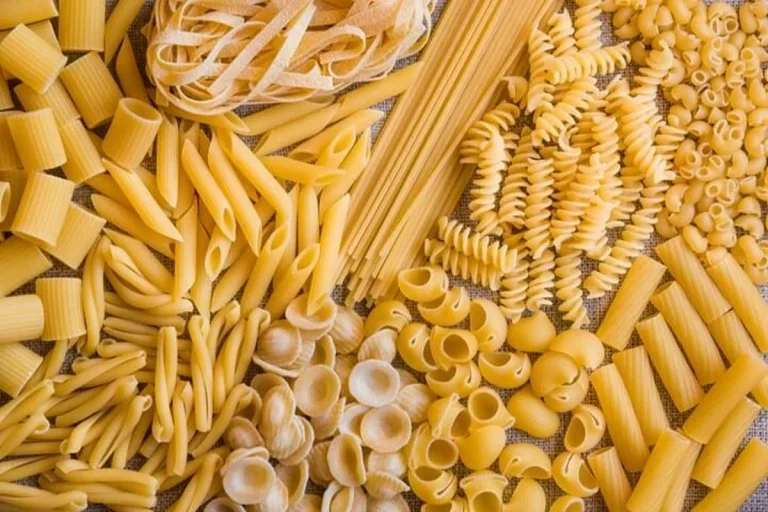
In most cases, dried pasta is fine in cabin baggage. Plain pasta shapes like penne, spaghetti, or fusilli usually pass through security.
The main issue is not the pasta itself. It is the way it is packed and whether it looks like a powder, paste, or mixed food item.
How Airline Security Usually Treats Dried Pasta

Security teams usually treat dried pasta as a normal solid food. It is not a liquid, gel, or cream, so it rarely triggers the same rules as sauces or spreads.
Still, screeners may inspect food if the bag is crowded or the item is hard to identify. A clear, tidy pack helps a lot.
Why dried pasta is usually allowed
Dried pasta is stable, dry, and easy to identify in most cases. It does not contain the kind of moisture that creates liquid limits.
That makes it much simpler than items like soup, pesto, or fresh filled pasta. Those foods can fall under stricter rules.
Dry foods often pass security more easily when they stay sealed and easy to inspect.
When security staff may want a closer look
Staff may check the bag if the pasta is loose, mixed with other foods, or packed in a large amount. They may also look more closely if the shape is dense and hard to read on X-ray.
If that happens, stay calm and open the bag if asked. A quick look usually solves the issue fast.
What Affects Whether Pasta Passes Security
Three things matter most. The type of pasta, the country rules, and what else is in the bag.
That is why one traveler may breeze through while another gets a manual check. The pasta itself may be the same.
Loose pasta, boxed pasta, and sealed packs
Sealed packs are usually the easiest option. A branded box or closed bag is simple to spot and explain.
Loose pasta can still be allowed, but it may look less clear on X-ray. That can lead to extra questions.
Rules can vary by airport and security team. What passes in one place may get checked in another.
Country rules and airport differences
Airport screening rules can differ from one country to the next. Some places are stricter about all food items in cabin bags.
If you are unsure, check the airport security website and your airline’s baggage page before you fly. That small step can save time at the checkpoint.
Powder, sauce, and mixed pasta products
Plain dried pasta is one thing. Pasta mixes with seasoning packets, cheese powder, or sauce are another.
Anything that looks like a powder, paste, or liquid can face tighter checks. Wet pasta dishes are much more likely to be a problem.
Do not assume a pasta dish counts as a dry food if it has sauce, oil, or liquid seasoning.
Best Ways to Pack Dried Pasta in Cabin Baggage
Good packing makes security easier and helps stop breakage. It also keeps your bag neat if you are carrying food for a trip or gift.
Keep it sealed and easy to identify
Leave pasta in its original pack if you can. A clear label helps security staff see what it is right away.
If you repackage it, use a clean, resealable bag or container. Labeling can help, especially for less common shapes.
Use hard containers for fragile shapes
Delicate pasta shapes can crush in a soft bag. A hard container gives better protection.
This matters most for shaped pasta, filled shapes without sauce, or decorative pasta meant as a gift.
Pack smart to save space and prevent breakage
Place the pasta near the top of your bag if you may need to remove it at screening. That makes the process faster.
Try not to bury it under chargers, toiletries, or snacks. A cluttered bag can slow down inspection.
Keep food items together in one clear pouch. It makes security checks much smoother.
Common Mistakes Travelers Make
Most pasta travel problems come from confusion, not from the pasta itself. A few simple mistakes can turn an easy item into a delay.
Confusing dried pasta with fresh or filled pasta
Dried pasta is firm and shelf stable. Fresh pasta often contains moisture and may need more care.
Filled pasta, like ravioli or tortellini, can also raise questions if it comes with sauce or soft filling. Check the full food item, not just the pasta shape.
Bringing pasta with wet sauce or liquid ingredients
Once sauce enters the picture, the rules can change. Tomato sauce, cream sauce, pesto, and oily dressings may count as liquids or gels.
If you want to avoid trouble, keep sauce separate and pack only the dry pasta in your hand luggage.
Overpacking food that looks suspicious on X-ray
A bag stuffed with food can look messy on the scanner. That can lead to more checks.
Spread items out when you pack. It helps security staff read the bag more quickly.
Follow the airline and airport rules for all food items. Stop and ask staff if you are unsure.
What to Check Before You Fly
A quick check before travel can prevent a lot of hassle. The best source is the airport or security authority for your route.
Airline rules versus airport security rules
Your airline may allow the pasta, but airport security makes the final screening decision. Those are not always the same thing.
Read both sets of rules if you are carrying food in cabin baggage. That is especially useful for international trips.
International travel and connecting flights
Connecting flights can be tricky. A food item that is fine in one country may face different rules at the next stop.
If you have a layover, check the rules for every airport on your route. That matters even more if you leave the secure area.
Special cases for school trips, gifts, and bulk food
Small packs for a trip are usually simple. Large quantities for gifts or group meals may draw more attention.
If you are carrying bulk food, checked luggage may be easier. It gives you more room and less stress at security.
Is It Worth Taking Dried Pasta in Hand Luggage?
Sometimes yes, sometimes no. It depends on how much you are carrying and how much room you have left.
For a small amount, cabin baggage can be the easiest choice. For bigger amounts, checked luggage is often the safer bet.
When cabin packing makes sense
Carry dried pasta in hand luggage if you need it for a short trip or a gift. It also works well for a small, sealed pack.
It makes sense when the rest of your bag is light and the pasta is easy to inspect.
When checked luggage is the better choice
Choose checked luggage if you are bringing a lot of pasta. It is also better if the pasta is part of a larger food haul.
Checked bags give you more space, and you do not have to worry as much about extra screening at the gate.
Simple Packing Advice for Food Travelers
If you want the smoothest trip, keep dry pasta sealed, labeled, and easy to spot in your bag.
- Check airport and airline food rules
- Keep pasta dry, sealed, and clearly packed
- Avoid sauce, oil, or other liquids in cabin baggage
- Use checked luggage for bigger food amounts
Final Recommendation for Travelers
Dried pasta is usually safe to take in hand luggage. The best approach is to keep it plain, sealed, and easy to identify.
If your pasta includes sauce, liquid ingredients, or a large quantity, checked luggage is the better choice. When in doubt, check the airport rules before you leave home.
- Plain dried pasta is usually allowed in cabin baggage.
- Sealed packs and clear labels help at security.
- Sauce, oil, and mixed foods can face stricter checks.
- Airport and country rules can differ, so always verify first.
Frequently Asked Questions
Yes, dried pasta is usually allowed in hand luggage. It is a dry solid food, so it rarely causes the same issues as liquids or gels.
Yes, packaging can make a big difference. Sealed, labeled packs are easier to inspect than loose pasta or mixed food items.
Sauce can change the rules because it may count as a liquid or gel. If possible, pack sauce separately or place it in checked luggage.
Security may check it if the bag is crowded, the pasta is loose, or the scanner image is unclear. A quick inspection usually solves the issue.
Hand luggage works well for small, sealed amounts. Checked luggage is better for larger quantities or pasta with liquids and sauces.
Yes, rules can vary by airport and country. Always check the airport security and airline guidance before you fly.