Is Gnocchi Healthier Than Pasta What You Should Know

Gnocchi is not usually healthier than pasta by default. The better choice depends on the type, portion size, and sauce.
Is gnocchi healthier than pasta? Usually, not by a wide margin. In many cases, the healthier choice depends more on the sauce, portion size, and what you serve with it.
That said, gnocchi can fit a balanced meal very well. Pasta can do the same. If you want the short answer, choose the one you enjoy most, then build a lighter plate around it.
- Calories: Gnocchi can be lower, but servings vary a lot.
- Fiber: Whole wheat or legume pasta often wins here.
- Protein: Both need help from toppings to feel filling.
- Sauce: Light sauces matter more than the noodle choice.
Is Gnocchi Healthier Than Pasta? The Short Answer

Gnocchi is not always healthier than pasta. Traditional potato gnocchi can be a little lower in calories than some pasta servings, but it often has less fiber and less protein.
Regular wheat pasta, whole wheat pasta, and legume pasta each change the picture. So the real answer is simple. The healthier option is the one that fits your meal goals and your toppings.
What Gnocchi Is Made Of and How It Compares to Pasta
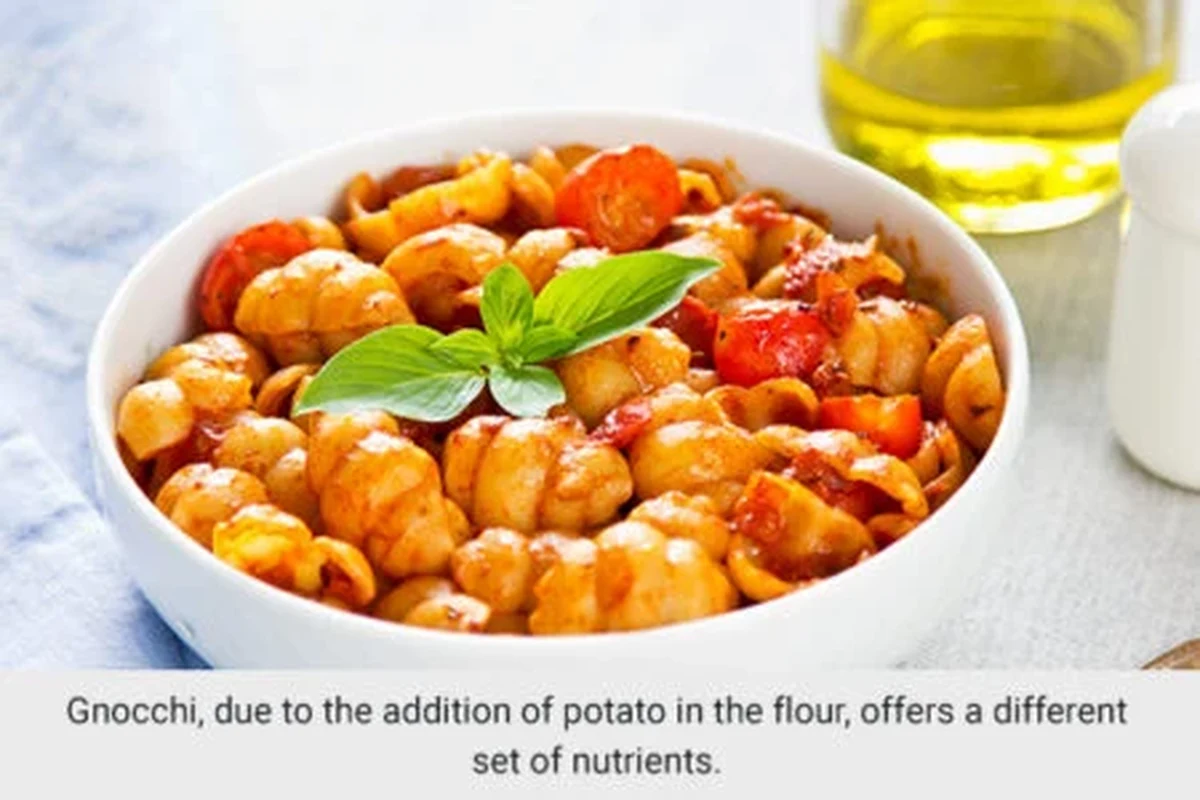
Gnocchi and pasta may look similar at dinner, but they start from different ingredients. That changes taste, texture, and nutrition.
Gnocchi ingredients and common types
Classic gnocchi usually uses potatoes, flour, and sometimes egg. Some versions use ricotta, pumpkin, spinach, or cauliflower.
Potato gnocchi is soft and filling. Ricotta gnocchi is often lighter in texture. Gluten-free versions may use rice flour, corn flour, or potato starch.
Ingredients vary by brand and recipe. Always check the package or recipe if you need gluten-free or dairy-free options.
Standard pasta ingredients and common shapes
Most pasta starts with wheat flour and water. Many dried pastas also use semolina, which comes from durum wheat. Fresh pasta may include eggs.
Pasta comes in many shapes, like spaghetti, penne, fusilli, and farfalle. The shape changes how it holds sauce, but not always the nutrition in a big way.
Whole wheat pasta usually has more fiber than regular white pasta. That can help you feel full longer.
Nutrition Breakdown: Calories, Carbs, Protein, and Fiber
Nutrition depends on the exact product and serving size. Still, some general patterns show up again and again.
How potato gnocchi compares with wheat pasta
Potato gnocchi and regular pasta both give you carbs. That makes them both useful for energy, especially in active households.
Gnocchi often has fewer calories per serving than some pasta servings. But it usually has less protein and less fiber too. That means it may not keep you full as long unless you add other foods.
| Option | Best For | Key Consideration |
|---|---|---|
| Potato gnocchi | Soft texture and quick comfort meals | Often lower in fiber and protein |
| Regular wheat pasta | Simple pantry meals | Nutrition varies by shape and portion |
| Whole wheat pasta | Higher-fiber meals | Denser taste and firmer bite |
For many people, pasta wins on fiber if it is whole wheat or legume-based. Gnocchi can still be lighter if you keep the serving modest and the sauce simple.
How gluten-free and whole grain options change the picture
Gluten-free gnocchi and gluten-free pasta can be good choices for people who avoid gluten. But they do not automatically count as healthier.
Whole grain pasta often gives more fiber and more nutrients than refined white pasta. Some gluten-free products also add fiber, but that depends on the brand. Read the label if nutrition matters to you.
- Check fiber and protein, not just calories.
- Compare serving sizes before judging the label.
- Look for whole grain or legume-based options when possible.
Health Benefits and Limits of Gnocchi
Gnocchi has a few real strengths. It is easy to cook, comforting, and easy to pair with vegetables or lean protein.
When gnocchi can fit a balanced meal
Gnocchi works well when you want a small, satisfying base for a meal. It can be a smart pick with tomato sauce, greens, beans, or grilled chicken.
It also helps when you need a fast dinner. Many store-bought gnocchi cook in minutes, which can make weeknight meals easier to manage.
- Quick to cook on busy nights
- Soft texture many people enjoy
- Pairs well with vegetables and lean protein
When pasta may be the better pick
Pasta may be better if you want more fiber, more protein, or a more filling base. Whole wheat pasta often does a better job here than standard potato gnocchi.
Pasta also gives you more room to choose shapes for different sauces. That can help with texture and portion control. For example, a small pasta shape can stretch with vegetables in a soup or bake.
- Whole grain and legume versions can boost fiber
- Easy to pair with filling add-ins
- Many shapes work for different meals
- Refined pasta can be low in fiber
- Large portions add up fast
- Creamy sauces can make it heavy
What Matters Most When Choosing Between Gnocchi and Pasta
The best choice is not just about the noodle. It is about the whole plate.
Portion size and sauce choice
A small serving of either food can fit a healthy meal. A huge bowl with rich sauce can turn either one into a heavy dinner.
Tomato-based sauces usually keep the meal lighter. Cream sauces, butter sauces, and extra oil can raise calories fast. That does not make them bad. It just means the portion matters more.
If you have food allergies or need a special diet, check every ingredient. Recipes and packaged products can change without much notice.
Protein, vegetables, and added fats
Protein and vegetables help balance both gnocchi and pasta. Think chicken, shrimp, tofu, beans, peas, broccoli, spinach, or mushrooms.
Added fats matter too. A little olive oil can add flavor. Too much butter, cream, or cheese can crowd out the other parts of the meal.
- Check the fiber and protein on the label
- Think about your sauce first
- Plan a vegetable or protein side
Common Mistakes That Make Either Dish Less Healthy
People often blame the pasta or gnocchi itself. In real life, the bigger issue is usually how it gets served.
Oversized portions and heavy sauces
Big portions are the fastest way to make a simple dish feel too rich. This happens with both gnocchi and pasta.
Heavy Alfredo-style sauces, lots of cheese, and extra oil can add up fast. If you want a lighter meal, start with less sauce and add more only if needed.
The meal feels too heavy or leaves you sluggish.
Cut the portion, use more vegetables, and choose a simpler sauce.
Low-fiber add-ons and too much cheese
White bread on the side, extra cheese, and creamy extras can make the meal less balanced. You may also feel hungry again sooner.
Try to build more texture into the dish. Vegetables, beans, and lean protein help a lot. They make the meal more filling without needing a giant serving.
Best Ways to Eat Gnocchi for Better Nutrition in 2026
If you love gnocchi, you do not need to give it up. You just need a smarter plate.
Simple topping ideas that keep meals lighter
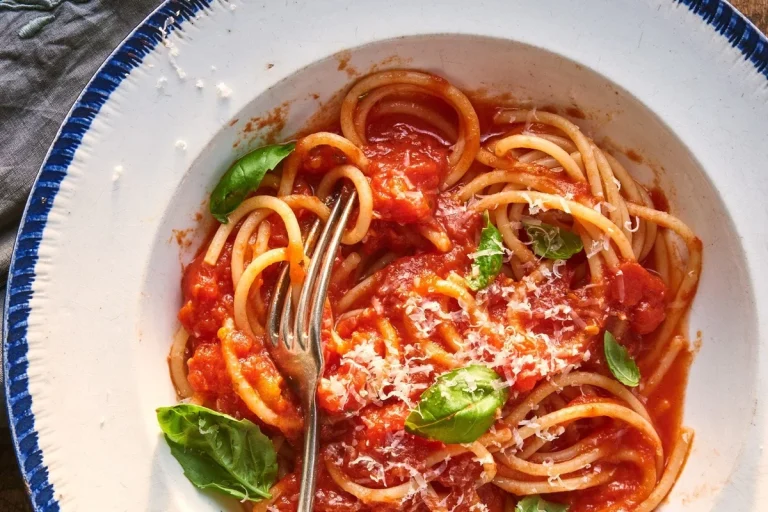
Tomato sauce with basil is a good start. Add spinach, zucchini, peas, or roasted broccoli for more volume and better balance.
Browned mushrooms, garlic, and a small amount of olive oil can also work well. These toppings add flavor without making the dish too heavy.
Usually lighter than cream sauces and easy to pair with vegetables.
Add color, volume, and a better balance on the plate.
Smart swaps for more fiber and protein
You can make gnocchi meals more filling with a few easy swaps. Add beans instead of extra cheese. Use chicken or tofu instead of a heavy sauce.
If you want more fiber, choose whole grain pasta on some nights and gnocchi on others. That gives you variety and better balance over the week.
- Use smaller portions of gnocchi or pasta
- Add vegetables to most meals
- Choose tomato or broth-based sauces often
- Rely on cream sauce for every serving
- Skip protein and fiber entirely
- Assume gluten-free always means healthier
Final Verdict: Which One Should You Choose?
If you want the most balanced answer, pasta has a small edge when you choose whole grain or legume-based versions. It often brings more fiber and protein than standard potato gnocchi.
Still, gnocchi is not a bad choice. It can absolutely be part of a healthy meal, especially with vegetables, lean protein, and a lighter sauce. If you enjoy gnocchi more, that matters too, because the best healthy meal is one you will actually eat.
Pasta is often the better pick for fiber and fullness, but gnocchi can be just as smart in a balanced meal. Choose gnocchi for comfort and quick dinners, and choose whole grain pasta when nutrition is your top goal.
In short, is gnocchi healthier than pasta? Sometimes, but not usually by much. The better choice depends on the type you buy and how you build the meal.
Frequently Asked Questions
Not always. Portion size and sauce matter more than the shape, and whole grain pasta often has more fiber.
It can, but it depends on the brand and serving size. Some gnocchi is lower in calories, while others are close to pasta.
Whole wheat or legume pasta usually has more fiber than potato gnocchi. That can help you feel full longer.
Yes. Pair it with vegetables, lean protein, and a lighter sauce for a more balanced meal.
Tomato-based or broth-based sauces are usually lighter than cream sauces. They can help keep the meal more balanced.
Not automatically. Gluten-free can help if you avoid gluten, but whole grain or high-fiber options may be more filling.