What Is the Difference Between Tomato Paste and Sauce

Tomato paste is thick, concentrated, and best for deep flavor. Tomato sauce is thinner, milder, and best for fast, easy cooking.
Tomato paste and tomato sauce are both made from tomatoes, but they do very different jobs in the kitchen. Tomato paste is thick, bold, and concentrated. Tomato sauce is thinner, smoother, and ready to pour.
If you want the short answer, use tomato paste when you need deep flavor. Use tomato sauce when you need moisture and an easy base for pasta, pizza, or casseroles.
- Paste: Thick, concentrated, and strong in flavor.
- Sauce: Thinner, smoother, and ready to use.
- Best use: Paste builds depth. Sauce adds moisture and speed.
- Swapping: You can thin paste or reduce sauce in a pinch.
What Is the Difference Between Tomato Paste and Tomato Sauce?
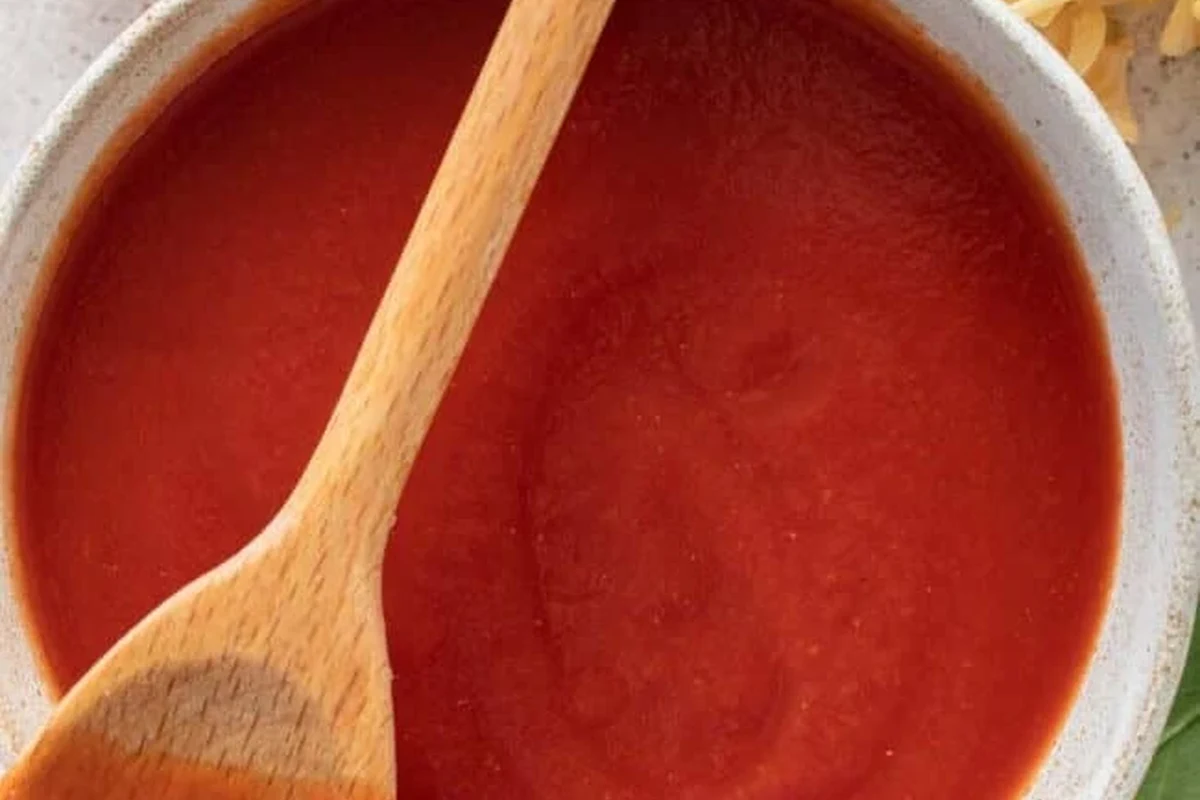
The main difference is concentration. Tomato paste is cooked down until most of the water is gone. Tomato sauce keeps more liquid, so it stays looser and lighter.
That change affects taste, texture, and how you use each one. Paste gives a rich tomato punch. Sauce gives you a quick, pourable base.
Quick answer for busy cooks
Tomato paste is thick and strong. Tomato sauce is thinner and milder.
Paste works best when you want to build flavor. Sauce works best when you want a ready-to-use tomato base.
Can I use tomato paste instead of tomato sauce?
Yes, but you usually need to add water or broth. The result will still taste richer and less smooth than sauce.
Why this difference matters in real recipes
This matters because recipes depend on both flavor and liquid. A pasta sauce needs enough moisture to coat noodles. A stew may need paste for body and color.
Using the wrong one can change the whole dish. Too much paste can make food taste sharp or heavy. Too much sauce can make a dish watery.
Labels can vary by brand. Some tomato sauces include herbs, garlic, onion, or sugar, while others stay plain.
How Tomato Paste and Tomato Sauce Are Made
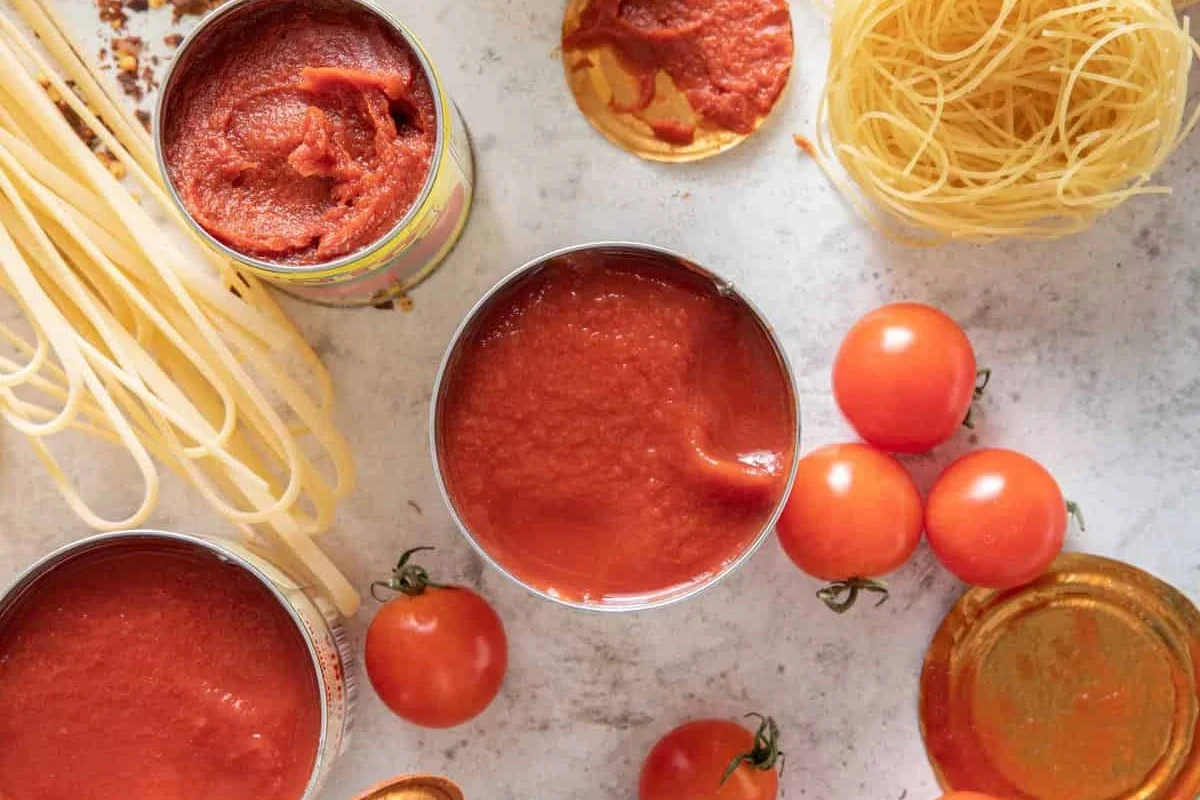
Both products start with tomatoes. The big difference comes from how long they cook and how much liquid stays in the final product.
Tomato paste basics: thick, cooked, and concentrated
Tomato paste starts with cooked tomatoes that are strained and reduced. Makers remove a lot of water. That leaves a thick product with strong tomato flavor.
Because it is so concentrated, a small spoonful can change a whole dish. It also adds a deep red color.
Tomato sauce basics: smoother, thinner, and ready to use
Tomato sauce is usually less reduced than paste. It often includes seasoning and sometimes extra ingredients like onion or garlic.
It pours easily and blends well into pasta dishes. That makes it a simple choice for fast cooking.
How cooking time changes flavor and texture
Longer cooking removes more water. It also makes the tomato flavor taste deeper and more intense.
Shorter cooking keeps more moisture. That gives sauce a lighter texture and a softer tomato taste.
Tomato paste often comes in small cans or tubes because a little goes a long way.
Key Ingredients, Texture, and Flavor Compared
The ingredient list can tell you a lot before you even open the can or jar. It also helps you avoid surprise salt or sugar.
Ingredient lists you’ll usually see on the label
Plain tomato paste often has just tomatoes. Some brands add citric acid or salt for shelf life and taste.
Tomato sauce often includes tomatoes, water, salt, and spices. Some versions also include sugar, oil, herbs, or onion.
Thickness, color, and taste differences
Tomato paste is very thick. It holds its shape on a spoon and looks dark red.
Tomato sauce is smoother and more pourable. It usually looks lighter and tastes less intense.
Thick texture gives strong flavor with little liquid.
Loose texture adds moisture and blends fast into recipes.
Salt, sugar, and added herbs to watch for
Always check the label if you want full control. Some tomato sauces are heavily seasoned. That can be helpful, but it can also clash with your recipe.
Paste usually gives you more control because it has fewer extras. Still, some brands add salt, so read the can.
- Choose plain paste when you want more control over seasoning.
- Choose sauce when you want a faster meal base.
- Taste before adding extra salt or sugar.
When to Use Tomato Paste vs Tomato Sauce
Think of paste as a flavor booster. Think of sauce as a ready base. That simple idea helps in most home kitchens.
Best uses for tomato paste in pasta, soups, and stews
Tomato paste works well in slow-cooked dishes. It adds body to chili, soup, braised meat, and stew.
It also helps build a richer pasta sauce. Many cooks fry it briefly in oil first to deepen the taste.
Best uses for tomato sauce in pasta, pizza, and casseroles
Tomato sauce is great when you want speed. It works well for weeknight pasta, baked ziti, and pizza sauce.
It can also help moisten casseroles. The thinner texture spreads more evenly through the dish.
How to swap one for the other in a pinch
You can turn paste into a sauce by mixing in water, broth, or a little olive oil. Start small and stir well.
You can use sauce instead of paste, but the dish may need longer cooking. Simmer it down to thicken and boost flavor.
- Add liquid slowly when thinning tomato paste.
- Simmer tomato sauce to reduce extra water.
- Taste as you go and adjust seasoning last.
- Do not dump in too much paste at once.
- Do not expect sauce to act like paste without reducing it.
- Do not skip tasting if the sauce is already seasoned.
Benefits, Limits, and Common Mistakes
Each product has clear strengths. Each one also has limits. Knowing both helps you cook with less guesswork.
Why tomato paste adds depth and rich color
Paste brings a dense tomato taste. It can make a dish taste fuller without adding much liquid.
It also gives sauces and stews a darker red color. That makes food look more cooked and more robust.
Why tomato sauce saves time and adds moisture
Sauce is handy on busy nights. You can open the jar and start cooking right away.
It adds moisture fast, which helps pasta, baked dishes, and simmered meals come together smoothly.
Common mistakes home cooks make with each one
One common mistake is using paste without enough liquid. That can leave a dish harsh or too thick.
Another mistake is using sauce when a recipe needs strong flavor. The result can taste flat unless you cook it down.
Your dish tastes too sharp after adding tomato paste.
Add more liquid, fat, or time on the stove. Let the flavors blend before serving.
Buying Guide: How to Choose the Right Tomato Product
Shopping for tomato products is easier when you know what role they play. The best pick depends on your cooking style, pantry space, and how often you cook.
What to check on the label before you buy
Check the ingredient list first. Decide if you want plain tomatoes or a seasoned product.
Then check for salt, sugar, and added herbs. Those extras can be useful, but they may not fit every recipe.
- Look for plain or seasoned tomato products.
- Check salt and sugar levels on the label.
- Choose the texture that matches your recipe.
Jarred, canned, tube, or boxed options
Tomato paste often comes in cans or tubes. Tubes are handy if you use small amounts often.
Tomato sauce usually comes in jars, cans, or cartons. Jars are easy to store, and cartons can be simple for pantry use.
Cost, value, and pantry storage tips
Paste often gives strong value because you use so little at a time. Sauce can also be good value if you cook pasta often.
For pantry storage, keep unopened products in a cool, dry place. After opening, move leftovers to the fridge right away.
Safety, Storage, and Kitchen Cleanup
Tomato products are simple to use, but storage matters. Opened cans and jars need care so they stay safe and fresh.
How to store opened paste and sauce safely
Transfer leftovers from an opened can to a clean, covered container if needed. Do not store food in an opened can for long periods.
Keep the container in the fridge. Use clean utensils each time you scoop out more.
Follow food-safety guidance from the product label and your local health advice. Throw away any tomato product that smells off, looks moldy, or has an odd texture.
How long each one lasts in the fridge or freezer
Storage time can vary by product and household fridge conditions. Check the label when it gives clear guidance.
If you freeze leftovers, use a small sealed container or ice cube tray. That makes it easier to thaw only what you need.
Easy cleanup tips for stains and splatter
Tomato sauce can splatter on counters, aprons, and stovetops. Wipe spills soon so they do not set.
For stubborn stains, use warm soapy water right away. On plastic tools, rinse quickly before the color lingers.
Wipe jars, lids, counters, and spoon handles before sauce dries.
Check pantry items for dents, leaks, bulges, or expired labels.
Final Verdict: Which One Should You Keep in Your Pantry?
If you cook often, keep both. Tomato paste gives you depth. Tomato sauce gives you speed. Together, they cover most pasta and tomato-based recipes.
If you only want one, choose based on your habits. Pick tomato paste if you like building flavor from scratch. Pick tomato sauce if you want easy meals with less work.
Best choice for flavor, speed, and budget
For flavor, tomato paste wins. For speed, tomato sauce wins. For value, both can be smart buys, depending on how you cook.
Simple recommendation from the Red Kitchen Project Editorial Team
Our simple advice is this. Keep tomato paste for richness and tomato sauce for convenience. If your pantry is tight, start with sauce for ease and add paste later for deeper taste.
Tomato paste is the better choice when you want bold flavor and thick texture. Tomato sauce is the better choice when you want a quick, pourable base. Most home cooks benefit from keeping both on hand.
- Paste is concentrated, thick, and strong.
- Sauce is thinner, milder, and ready to use.
- Use paste for depth and sauce for moisture.
- Check labels for salt, sugar, and seasoning.
Frequently Asked Questions
Yes, but you usually need to add water or broth. The result will taste richer and less smooth than sauce.
Yes, but you may need to simmer it longer to thicken it. The flavor will be lighter than paste.
Tomato sauce is faster and easier for most pasta dishes. Tomato paste works well when you want a deeper, richer sauce.
Tomato paste has more water removed during cooking. That makes it thicker and more concentrated.
Check for salt, sugar, herbs, and other added seasonings. These extras can change the flavor and how you use the product.
Move leftovers to a covered container and refrigerate them. Use clean utensils and discard any product that looks or smells off.