Does Cold Brew Coffee Have Milk and What to Know

No, cold brew coffee does not have milk unless you add it. Plain cold brew is usually just coffee and water.
Cold brew coffee does not have milk by default. It is usually just coffee grounds and cold water, then milk gets added later if you want it.
- Plain recipe: Cold brew starts with coffee grounds and water only.
- Milk is optional: Add it after brewing for a creamier drink.
- Flavor change: Milk softens bitterness and changes the texture.
- Buying tip: Check labels, since bottled cold brew may already include milk.
Does Cold Brew Coffee Have Milk? The Short Answer and What It Means
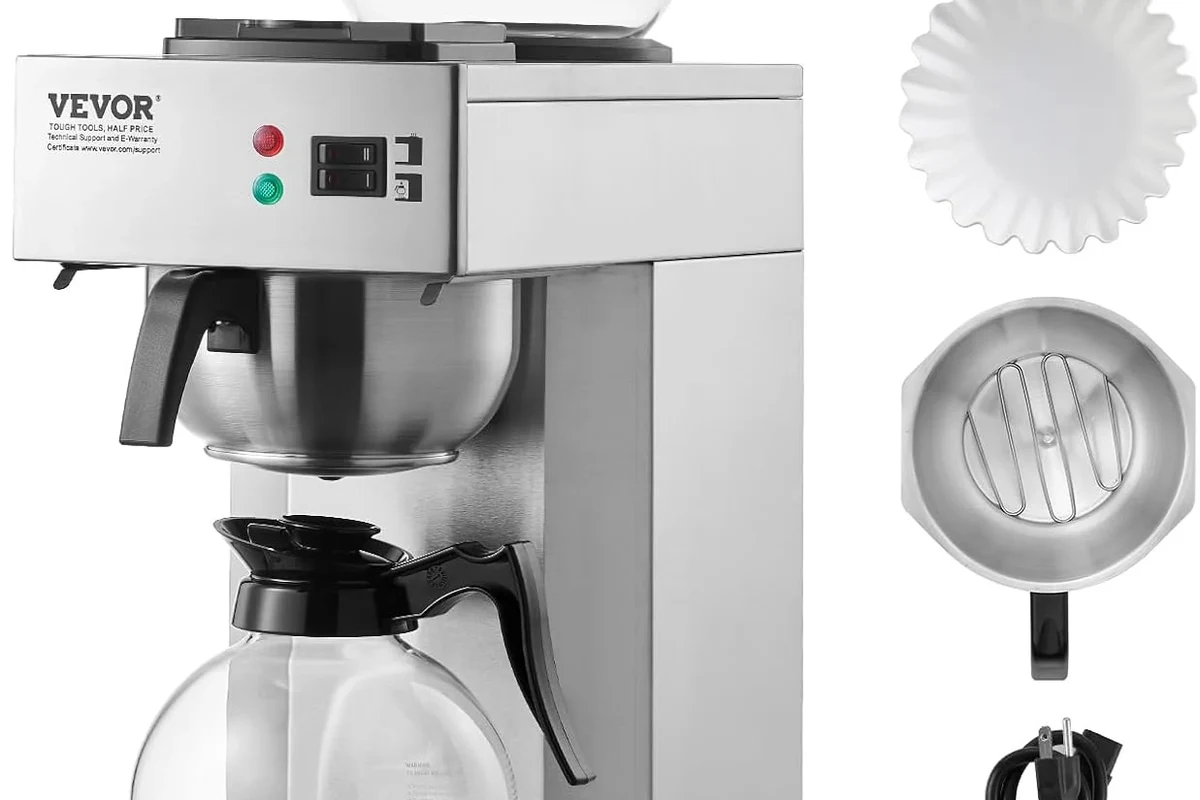
The short answer is no. Plain cold brew does not include milk unless someone adds it.
That said, many coffee shops and bottled drinks sell cold brew with milk already mixed in. So the answer can change based on the drink you buy or make.
What cold brew is made of
Classic cold brew uses coarse coffee grounds and cold or room-temp water. The coffee steeps for many hours, then you strain it.
That simple process gives you a smooth coffee base. It does not need dairy, cream, sugar, or flavor syrup.
Store-bought cold brew drinks can be very different from homemade cold brew. Always check the label if you want plain coffee.
Why some people think it includes milk
Cold brew often looks lighter once milk or cream gets mixed in. That can make people assume milk is part of the drink from the start.
Also, many café menus list cold brew drinks with add-ins. If you order a vanilla cold brew or a sweet cream cold brew, milk may already be in the cup.
How Cold Brew Coffee Is Made and What Goes Into It
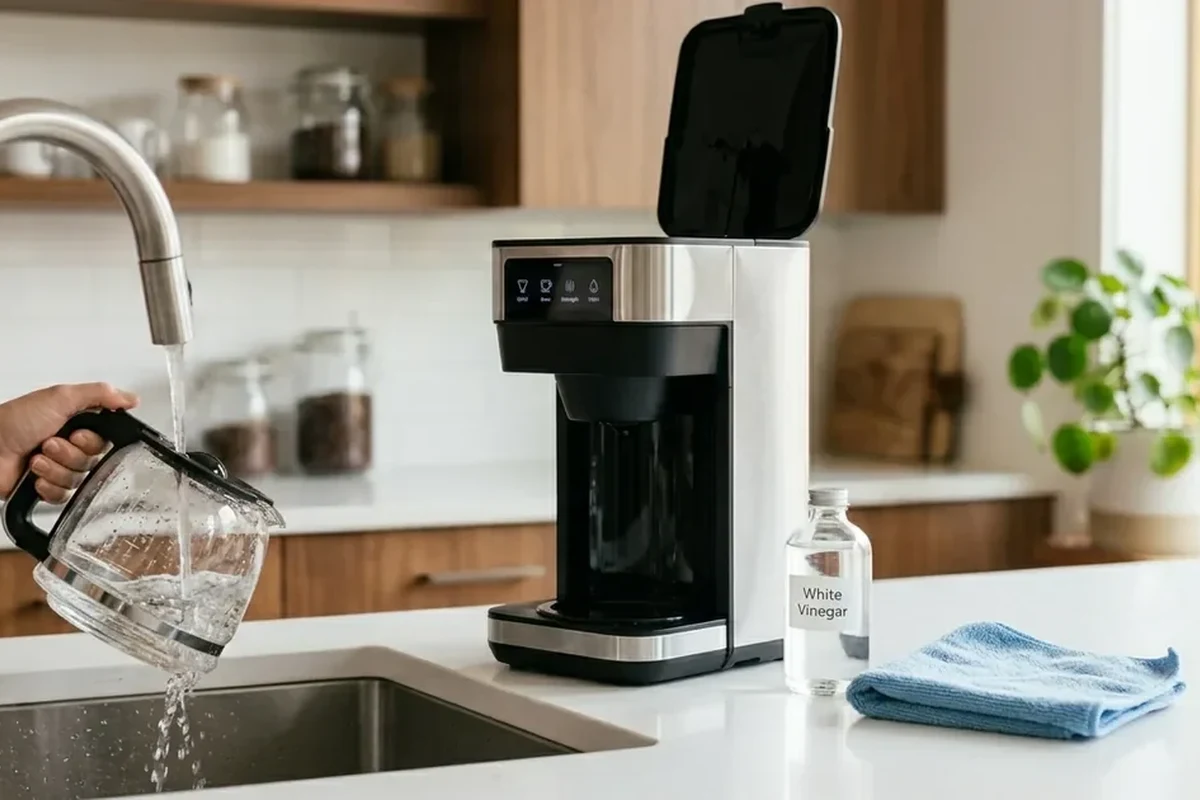
Cold brew starts with coffee and water. The brewing method uses time instead of heat.
That slower process pulls out flavor in a different way than hot coffee. It often tastes smoother and less sharp.
Basic ingredients for classic cold brew
You only need two main ingredients for plain cold brew. Use coffee grounds and clean water.
Some people also use a kitchen scale or measuring cup. That helps keep the coffee strength more steady from batch to batch.
How steeping changes taste and strength
Cold brew usually steeps for many hours. The long soak pulls out a lot of flavor.
It can taste less acidic than hot brewed coffee. It may also feel stronger if you use a high coffee-to-water ratio.
Cold brew often tastes smoother because heat is not used during brewing.
When milk gets added during serving
Milk usually gets added after brewing, not during the steep. You can pour it into the cup, or mix it into a pitcher.
This gives you more control over taste and texture. You can keep the base black and add milk only when needed.
Cold Brew With Milk vs. Black Cold Brew
These two versions can feel like very different drinks. The base coffee is the same, but the final cup changes a lot.
Taste, texture, and sweetness differences
Black cold brew tastes bold, smooth, and simple. It lets the coffee flavor stand out.
Cold brew with milk tastes softer and creamier. It can also seem sweeter, even without added sugar.
- Less bitter taste for many drinkers
- Softer texture and lighter mouthfeel
- Easier to balance strong coffee
- Milk can hide coffee flavor
- Extra ingredients add calories and sugar
- Some milk types can curdle if mixed poorly
Calories, fat, and sugar changes
Black cold brew has very few added calories on its own. Milk, cream, and sweet syrup change that fast.
The exact numbers depend on the milk type and amount. Oat milk, whole milk, and cream all bring different results.
If you watch sugar or dairy intake, check labels on bottled cold brew drinks. Some blends contain more sweetener than you may expect.
Who may prefer each style
Black cold brew often suits people who like a clean coffee taste. It also works well if you want to control each add-in yourself.
Cold brew with milk may suit new coffee drinkers. It can also help if you want a softer, dessert-like drink.
Best for strong coffee taste and simple prep.
Best for creamier texture and easier sipping.
How to Make Cold Brew Coffee With or Without Milk
You can make cold brew at home with very little gear. The main choice is how strong you want the base.
Simple cold brew ratio and steep time
A common starting point is a coarse coffee-to-water ratio that makes a concentrate. Many home brewers steep it for about 12 to 24 hours.
Shorter steeping can taste light. Longer steeping can taste stronger, but too much time may bring out harsh notes.
- Start with a small batch until you learn your taste.
- Stir or shake gently so the grounds wet evenly.
- Strain well to avoid grit in the cup.
Best milk options for flavor and diet needs
Whole milk gives a rich, classic taste. Low-fat milk keeps the drink lighter.
Oat milk works well for a creamy feel. Almond milk tastes thinner, but some people like its mild flavor.
Easy add-ins like cream, oat milk, or syrup
Start with a little milk, then taste and adjust. That keeps you from making the drink too heavy.
You can also add vanilla, caramel, or simple syrup. Use small amounts first, since cold drinks can taste less sweet at lower temperatures.
What to Look for in a Cold Brew Coffee Maker
A good cold brew maker should match your kitchen space and your routine. The best model is the one you will actually use often.
Size, filter type, and brew strength control
Think about how much coffee you need at once. A single-drink setup works for one person, while larger brewers suit families.
Filter type matters too. Fine filters can give a cleaner cup, while mesh systems may be easier to rinse.
- Capacity and footprint
- Filter style and brew control
- Cleaning ease and storage fit
- Manual, warranty, and safety guidance
Glass, plastic, and stainless steel choices
Glass can feel premium and lets you see the brew. Plastic is often lighter and less breakable.
Stainless steel can help with durability and temperature hold. The right choice depends on your budget, storage space, and care habits.
Easy to see, but handle with care.
Light and simple, but check for odor retention.
Durable and sturdy, with a clean look.
Ease of pouring, cleaning, and storage
Look for a brewer that pours without drips. A wide opening can make filling and cleaning much easier.
Removable parts help too. If a maker is hard to wash, people often stop using it.
Choose a cold brew maker with parts you can rinse fast. Simple cleanup makes it more likely you’ll use it often.
Common Mistakes When Making or Serving Cold Brew
Cold brew is simple, but a few small mistakes can ruin the result. The good news is that most problems are easy to fix.
Using too much coffee or too little water
Too much coffee can make the drink harsh or muddy. Too little water can also make it hard to strain well.
If the brew tastes too strong, dilute it with water or milk after straining. That is easier than trying to fix an overdone batch later.
The cold brew tastes too bitter or thick.
Use less coffee next time, or add more water before serving.
Steeping too long or too short
Too short a steep can taste weak and flat. Too long can pull out a dry, rough taste.
Try a middle range first, then adjust on your next batch. Small changes work better than big jumps.
Adding milk too early or in the wrong amount
Milk is best added at the end. That keeps the base flexible and helps the drink stay balanced.
Too much milk can wash out the coffee flavor. Too little can leave the drink sharper than you wanted.
- Add milk slowly and taste as you go
- Keep the cold brew base plain if you want flexibility
- Store extra milk safely in the fridge
- Mixing in too much sweetener at once
- Leaving milk out at room temperature
- Using a dirty brewer or filter
Safety, Storage, and Cleaning Tips for Better Cold Brew
Cold brew is easy to store, but it still needs care. Clean gear and cold storage help protect flavor and safety.
How long cold brew stays fresh in the fridge
Freshness depends on your recipe, fridge temp, and container. Many home brewers keep it refrigerated and use it within a few days.
If it starts to smell off or taste strange, toss it. When in doubt, it is safer to make a new batch.
How to clean the maker and filter parts
Rinse grounds out right after brewing. That makes cleanup much easier.
Wash removable parts with warm, soapy water, then dry them well. Check the manual for any parts that need special care.
Empty grounds, rinse parts, and wash the brew container.
Check seals, filters, and lids for wear or odor buildup.
Signs your batch should be tossed
Do not drink cold brew if it smells sour, looks cloudy in a bad way, or tastes off. Mold or slime means it should go right away.
Also stop using any maker with cracks, warped parts, or damaged seals. Safety matters as much as taste.
Follow the appliance manual and stop using damaged equipment.
Final Recommendation: Should You Add Milk to Cold Brew?
Milk is optional, not required. The best choice depends on your taste, your budget, and how simple you want the drink to be.
Best choice for beginners
If you are new to cold brew, start with the plain version. Then add milk little by little until it tastes right to you.
That approach makes it easier to learn what you like. It also keeps the drink more flexible.
Best choice for flavor lovers and budget buyers
Flavor lovers may enjoy black cold brew first, since it shows the coffee clearly. Budget buyers may like it too, because plain coffee costs less than milk-based drinks.
If you want a richer cup, add a small amount of milk or oat milk at home. That usually costs less than buying a café version.
Bottom line on taste, value, and ease
Cold brew does not have milk unless you add it. That makes it easy to customize for taste, diet, and cost.
For most people, the smartest move is to brew it plain and finish it in the cup. That gives you the most control with the least effort.
Plain cold brew does not contain milk, and that makes it a flexible base for many drink styles. If you want the cleanest taste and best value, start black and add milk only when you want it.
Frequently Asked Questions
No, plain cold brew does not have milk by default. It is usually made with coffee grounds and water only.
Milk is usually added after brewing, right before serving. Some bottled or café drinks already include milk, so always check the label or menu.
Whole milk gives a rich taste, while oat milk adds a creamy feel. Almond milk is lighter, but the best choice depends on your flavor and diet needs.
Many home recipes steep cold brew for about 12 to 24 hours. The right time depends on your coffee, grind size, and the strength you want.
Rinse grounds out after brewing, then wash removable parts with warm, soapy water. Check the manual for any special care steps for your model.
Add more water or milk after brewing, or use less coffee next time. Small changes help you find the taste you like without wasting a batch.