Electric Milk Frother for Matcha Guide for Perfect Foam

An electric milk frother can make smooth matcha fast if you use low speed and small batches. For the best results, mix the powder with a little liquid first and clean the frother right away.
An electric milk frother can work very well for matcha, but it works best when you use it the right way. For smooth foam and fewer clumps, choose a model with gentle control and clean it often.
- Best style: A handheld frother usually gives the best control for matcha.
- Texture matters: Matcha needs fine foam, not big coffee-style bubbles.
- Mix first: Add a little water before milk to cut down on clumps.
- Safety first: Follow the manual, and stop using damaged equipment.
What an Electric Milk Frother Can Do for Matcha
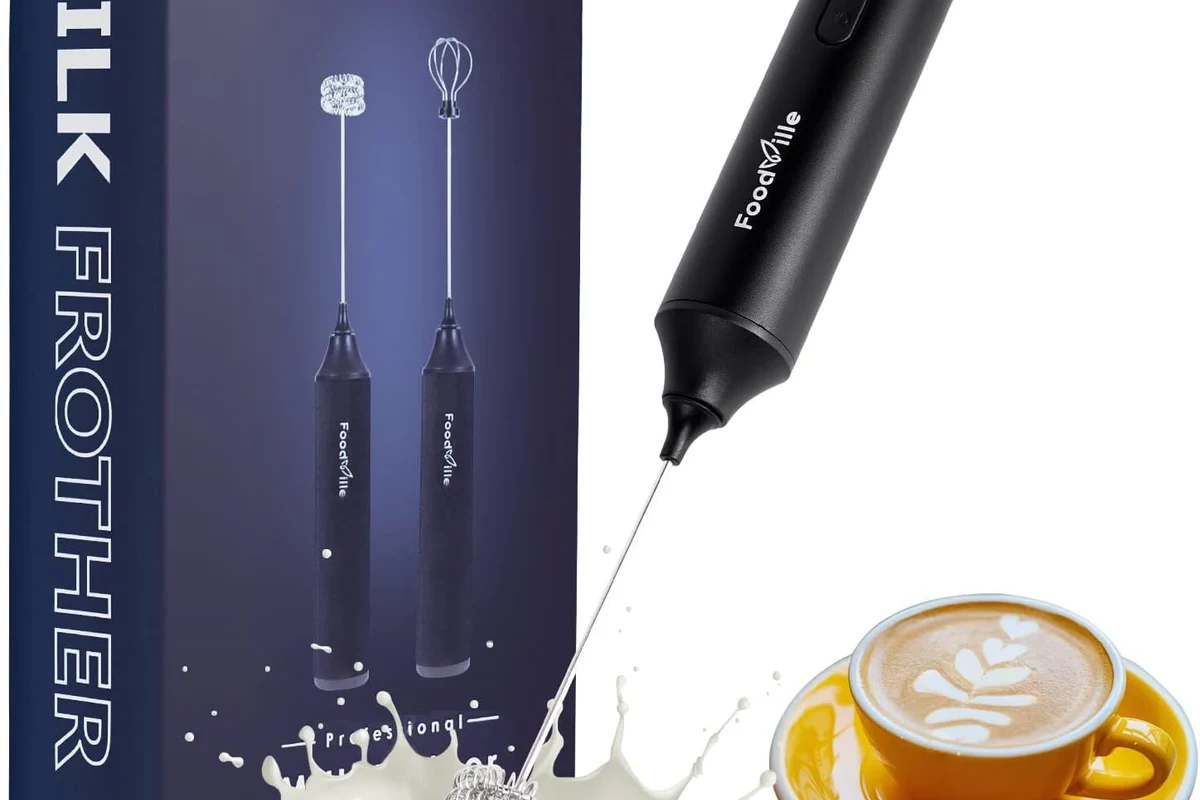
An electric frother can mix matcha faster than a hand whisk. It can also help you make a smoother latte at home with less effort.
That said, matcha is not the same as coffee foam. It needs a lighter touch and a cleaner mix.
Why matcha needs a different froth than coffee drinks
Coffee foam often aims for thick, airy bubbles. Matcha usually tastes better with a fine, silky foam and a smooth body.
If the foam gets too stiff, the drink can feel thin and uneven. If the mix stays clumpy, the flavor can taste bitter and gritty.
The direct answer: the best frother style for smooth matcha
The best choice is usually a handheld electric frother with a small whisk head. It gives you more control and works well in a cup or bowl.
A model with low and medium speed settings is even better. It helps you blend the powder without whipping in too much air.
How an Electric Milk Frother Works with Matcha
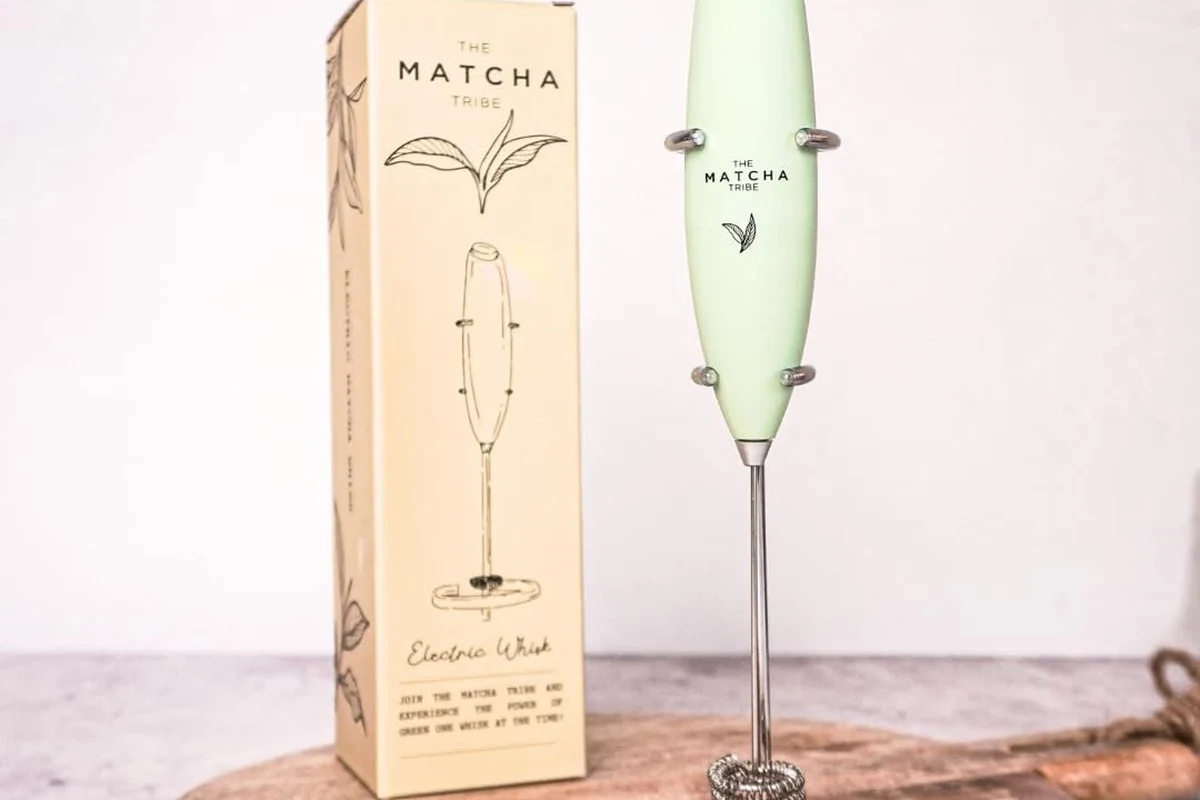
An electric frother spins a whisk or blade fast enough to move liquid and air together. That motion helps break up matcha powder and build foam.
For matcha, the goal is not huge bubbles. You want a smooth drink with a fine top layer.
Whisking, aeration, and why texture matters
Whisking spreads the powder through the liquid. Aeration adds air and changes the feel of the drink.
Too much aeration can make the matcha taste weak. Too little mixing can leave green specks and small lumps.
Matcha powder does not dissolve like sugar. It suspends in liquid, so good mixing matters a lot.
What happens when you froth milk, water, or both
Water helps the matcha mix first. Milk adds body, sweetness, and a creamier finish.
If you froth only milk, the powder may clump more easily. If you mix matcha with a little water first, the final drink usually turns out smoother.
Results vary by matcha grade, liquid type, and frother design. Some models handle thin liquids better than thick ones.
Key Features to Look For in a Matcha Frother
Not every frother handles matcha the same way. The best one for you depends on how often you make drinks and how much cleanup you want.
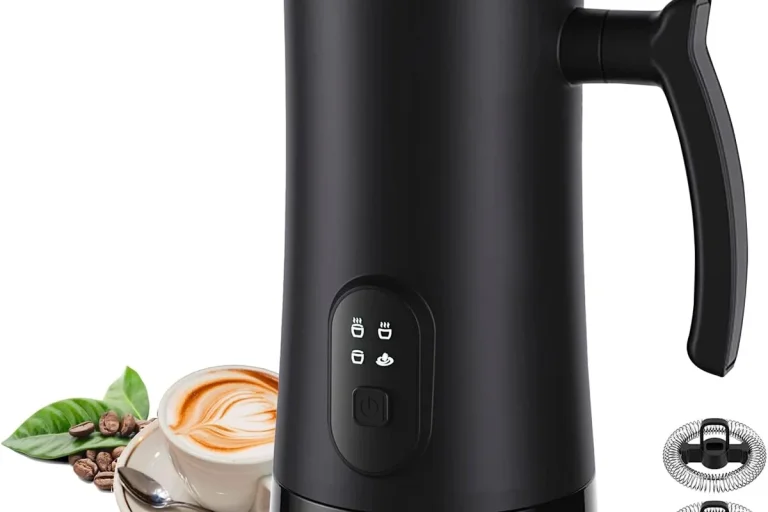
Speed settings, whisk shape, and foam control
Speed control matters because matcha can foam up fast. A lower setting helps you avoid a frothy mess.
Whisk shape matters too. A small coil or balloon-style whisk often blends matcha more evenly than a large froth head.
Helps you mix matcha without overfoaming it.
Reaches the liquid well and blends powder faster.
Capacity, heat settings, and easy-clean design
Capacity matters if you make one drink or several. A smaller cup often works best for a single matcha latte.
Heat settings can help, but they are not always needed. Many matcha drinks taste best when you warm the milk separately and mix gently.
Easy-clean parts save time. A whisk that rinses clean fast is a big plus for daily use.
- Check cup size and whisk type
- Look for simple speed control
- Confirm cleaning steps in the manual
- Review warranty and safety notes
Noise level, build quality, and counter space
Some frothers are quiet enough for early mornings. Others sound sharper and more mechanical.
Build quality matters if you plan to use it often. A steady base and solid button feel can make daily use easier.
Counter space matters too. A compact frother is easier to keep near your tea tools or coffee gear.
Best for small kitchens and quick single drinks.
Best if you also make coffee drinks and hot chocolate.
Best Ways to Use an Electric Milk Frother for Matcha
The best method is simple. Mix the matcha first, then build the drink in layers.
Simple matcha latte method for beginners
This helps reduce clumps before mixing.
Use enough to make a smooth paste or slurry.
Blend until the powder looks smooth and even.
Pour slowly to keep the texture balanced.
Iced matcha and hot matcha preparation tips
For iced matcha, mix the powder with a little cool water first. Then add cold milk and ice.
For hot matcha, use warm liquid, not boiling liquid. Hotter water can make the drink taste harsh.
Do not use boiling water unless the matcha package or recipe clearly says it is okay. Very hot water can hurt flavor fast.
How to avoid clumps and weak foam
Clumps often come from dry powder, rushed mixing, or too much liquid at once. Weak foam often comes from overmixing or using the wrong speed.
Start slow. Add liquid in steps. That simple habit helps a lot.
- Sift matcha before frothing when you can.
- Use a small amount of liquid first.
- Stop once the drink looks smooth.
Benefits and Limits of Using a Frother for Matcha
An electric frother can save time and reduce arm work. It can also make a more even drink than a quick stir.
Still, it is not the perfect tool for every matcha fan.
When a frother saves time and improves texture
A frother helps most when you make matcha often. It is also useful when you want a quick latte before work.
It can improve texture if you struggle with clumps. It also helps when you want a smoother drink with less effort than hand whisking.
- Fast mixing for busy mornings
- Better blend than a spoon
- Easy to use for one cup
- Good for milk-based matcha drinks
When a bamboo whisk may still be the better choice
A bamboo whisk can give you more control over traditional matcha texture. Many tea drinkers also like the ritual of using one.
If you want a very classic bowl of matcha, a whisk may be the better fit. It can also feel gentler on delicate tea prep.
- Quick and easy for daily use
- Good for lattes and mixed drinks
- Less effort than hand whisking
- Can overfoam if used too long
- May leave clumps with poor technique
- Not as traditional as a bamboo whisk
Common Mistakes That Ruin Matcha Foam
Most bad matcha drinks come from simple mistakes. The good news is that they are easy to fix.
Using water that is too hot
Very hot water can make matcha taste bitter. It can also dull the fresh, grassy notes people want.
Warm water is usually safer for flavor. Exact temperature can vary by recipe and brand.
Adding too much powder or too little liquid
Too much powder makes the drink thick and lumpy. Too little liquid makes it hard for the frother to move the mix.
Start with a small amount of liquid and adjust from there. That keeps the texture more even.
Overfilling the frother or frothing too long
Overfilling can cause spills and weak mixing. Frothing too long can make the foam coarse or unstable.
Follow the fill line in the manual. Stop when the drink looks smooth and lightly foamy.
- Use small batches for better control
- Watch the foam as it builds
- Follow the fill line and manual
- Do not overfill the cup
- Do not use boiling water by default
- Do not run damaged equipment
Cleaning, Safety, and Maintenance Tips
Good cleaning keeps the frother working well and helps the matcha taste fresh. It also lowers the chance of buildup on the whisk.
How to clean the whisk, cup, and lid after use
Rinse the whisk right away if the design allows it. Matcha can dry fast and stick to small parts.
Wash removable parts as the manual says. Wipe the base with a dry or slightly damp cloth if the maker allows it.
Rinse or wash removable parts right away.
Check for residue, stains, and wear on the whisk.
Review the cord, plug, and moving parts for damage.
Safety checks for heat, spills, and electrical parts
Keep water away from the motor base and plug. Spills can create a shock risk or damage the unit.
If the cord frays, the whisk bends badly, or the unit smells burnt, stop using it. Check the manual and contact the maker if needed.
Follow the appliance manual and stop using damaged equipment.
How to keep foam quality high over time
Clean parts after each use. Old residue can change the taste and weaken the foam.
Store the frother dry and upright if possible. That helps protect the whisk and keeps the next drink cleaner.
Final Buying Advice and Recommendation
If you want an electric milk frother for matcha, look for control, not just power. A small, easy-clean model usually gives the best everyday results.
For most people, a handheld frother is the best starting point. It is simple, affordable in spirit, and easy to store.
Who should buy an electric milk frother for matcha
Buy one if you make matcha lattes often. It also makes sense if you want faster prep than a bamboo whisk.
It is a smart pick for small kitchens, quick mornings, and mixed tea drinks.
Best value vs. premium choices for different users
Best value usually means simple controls, easy cleaning, and a compact shape. That is enough for many home cooks.
Premium choices may add stronger build quality, more speed options, or a better heating setup. Those extras help if you use it daily.
Final verdict for Red Kitchen Project readers
An electric milk frother can be a very good matcha tool when you want speed and smooth texture. It works best when you mix gently and avoid hot water that is too harsh.
For the best balance of ease and quality, choose a compact frother with good control. If you want a traditional tea ritual, a bamboo whisk still has a place.
For most matcha drinkers, a small electric frother is the easiest way to make smooth foam at home. Just keep the speed low, clean it well, and follow the manual.
Frequently Asked Questions
A handheld frother with a small whisk head usually works best. Look for simple speed control so you can mix matcha without overfoaming it.
No, you do not need hot milk for every matcha drink. Warm milk can help for lattes, but iced matcha works better with cold milk and a small amount of water first.
Start with a small amount of water and mix the powder first. Sifting the matcha also helps break up dry clumps before frothing.
Yes, most frothers can handle both milk and matcha if the manual allows it. Clean the whisk well after each use so old residue does not affect taste.
Check capacity, whisk shape, cleaning steps, and speed settings. Also review the warranty and safety notes in the product manual.
Stop using it if the cord is damaged, the whisk is bent badly, or you smell burning. Follow the manual and contact the maker if the unit seems unsafe.