Is Whole Wheat Pasta Healthy for Weight Loss Find Out

Yes, whole wheat pasta can help with weight loss because it usually has more fiber and keeps you fuller. It works best when you keep portions modest and pair it with protein and vegetables.
Yes, whole wheat pasta can be a smart choice for weight loss. It usually has more fiber than white pasta, so it can help you feel full longer. That said, it still counts as pasta, so portion size matters a lot.
- More filling: Whole wheat pasta usually has more fiber than white pasta.
- Portion still matters: Large servings can still slow weight loss.
- Best with balance: Add protein and vegetables to make meals more satisfying.
- Sauce choice counts: Light sauces help more than cream-heavy ones.
Is Whole Wheat Pasta Healthy for Weight Loss? The Short Answer
Whole wheat pasta can fit well into a weight loss plan. It is not a magic food, but it can support better hunger control than refined pasta.
The key is how you serve it. A small bowl of whole wheat pasta with lean protein and vegetables is very different from a huge plate with heavy sauce.
In short, whole wheat pasta can be healthy for weight loss if you treat it as one part of the meal, not the whole meal.
How Whole Wheat Pasta Supports Weight Loss
Whole wheat pasta offers a few simple benefits that can make eating less feel easier. Those benefits come from fiber, slower digestion, and a steadier rise in blood sugar.
More Fiber, Better Fullness
Whole wheat pasta usually has more fiber than white pasta. Fiber slows digestion and can help you stay satisfied after eating.
That matters for weight loss because hunger often leads to extra snacking. If a meal keeps you full, you may find it easier to stick to your plan.
Fiber-rich foods often help meals feel more filling, even when calories stay similar.
Slower Digestion and Steadier Energy
Whole grains digest more slowly than refined grains. That can help avoid the quick hunger spike some people feel after white pasta.
Steadier energy can help you make better food choices later in the day. For example, you may be less likely to raid the pantry an hour after dinner.
How It Compares With White Pasta
White pasta is made from refined flour. That process removes some fiber and nutrients.
Whole wheat pasta keeps more of the grain. It often tastes a bit nuttier and feels firmer, which some people like and others do not.
| Option | Best For | Key Consideration |
|---|---|---|
| Whole wheat pasta | People who want more fiber | Can help with fullness, but portions still matter |
| White pasta | People who prefer a softer taste | Usually lower in fiber and less filling |
What to Look For on the Label
Not every pasta labeled “whole grain” is the same. A quick label check can help you pick a better option for your goals.
Whole Grain Ingredients
Look for “whole wheat flour” or “whole durum wheat” near the top of the ingredient list. If refined flour comes first, it may not be a true whole grain choice.
Some boxes use words like “multigrain” or “made with whole grains.” Those phrases can sound healthy, but they do not always mean the pasta is mostly whole grain.
Ingredient lists vary by brand and region. Always check the box you plan to buy.
Serving Size and Calories
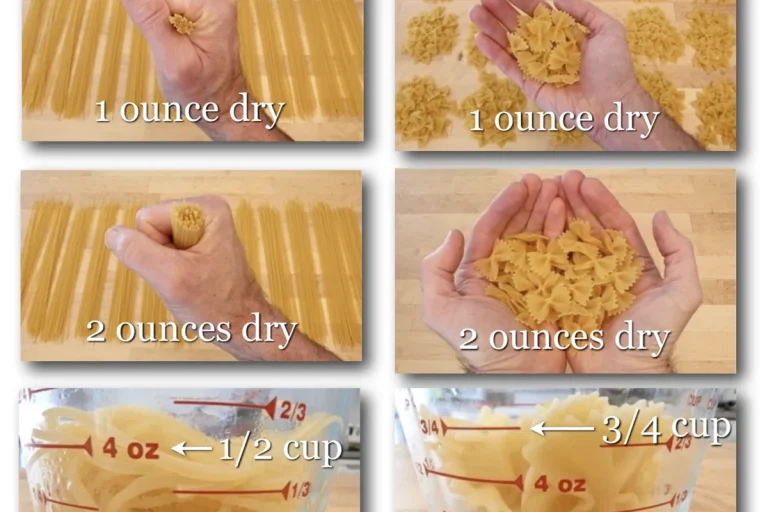
Serving size matters more than the front of the box. Pasta calories can add up fast if you pour without measuring.
Check how much dry pasta counts as one serving. Then compare that with how much you usually eat at dinner.
Protein, Fiber, and Added Ingredients
Fiber is the biggest nutrition win here, but protein also helps. Some brands add lentils, chickpeas, or other grains for extra protein and fiber.
Watch for added sodium, sauces, or flavor packets if you want the pasta itself to stay simple. Plain pasta gives you more control over the final meal.
- Check for whole grain ingredients first.
- Compare serving size with your usual portion.
- Look for fiber and protein on the label.
- Skip heavy add-ins if you want more control.
Benefits and Limits of Whole Wheat Pasta
Whole wheat pasta has real upsides, but it also has limits. That honest view helps you use it well instead of expecting too much from one food.
Weight Loss Benefits
Whole wheat pasta can help you feel full with less food. That can make calorie control easier over time.
It also works well in balanced meals. Pair it with vegetables and lean protein, and you get a plate that feels satisfying without going overboard.
- More fiber than refined pasta.
- Better fullness after meals.
- Easy to pair with lean, filling foods.
When It May Not Help Much
Whole wheat pasta will not help much if you eat large portions. A giant bowl can still be too much for weight loss.
It also loses much of its advantage when you cover it with rich sauce, cheese, and oily toppings. At that point, the meal can become very calorie dense.
Who Should Be Careful
Some people with digestive issues may not tolerate extra fiber well. If you are not used to whole grains, start with a smaller amount.
People with specific health needs should also check with a doctor or dietitian. That is especially true if you follow a medical nutrition plan.
If a food causes pain, bloating, or other symptoms, stop and get medical advice.
Best Ways to Eat Whole Wheat Pasta for Weight Loss
The best pasta meal for weight loss is simple, filling, and balanced. You want enough food to feel satisfied, but not so much that calories climb too high.
Portion Control Tips
Start with a smaller serving than you might use with white pasta. Then add bulk with vegetables and protein.
A good trick is to serve pasta on a smaller plate. It sounds basic, but it often helps you see a normal portion more clearly.
- Measure dry pasta at first until portions feel familiar.
- Fill half the plate with vegetables when you can.
- Eat slowly so your fullness signal has time to catch up.
Smart Sauce and Topping Choices
Tomato-based sauces are usually lighter than cream sauces. They often let the pasta stay the star without piling on extra calories.
Use cheese as a finish, not the main topping. A little can add flavor, but a heavy layer can undo the balance.
High-Protein and Veggie Pairings
Protein helps meals feel more complete. Chicken, tuna, beans, tofu, shrimp, or eggs can all work well.
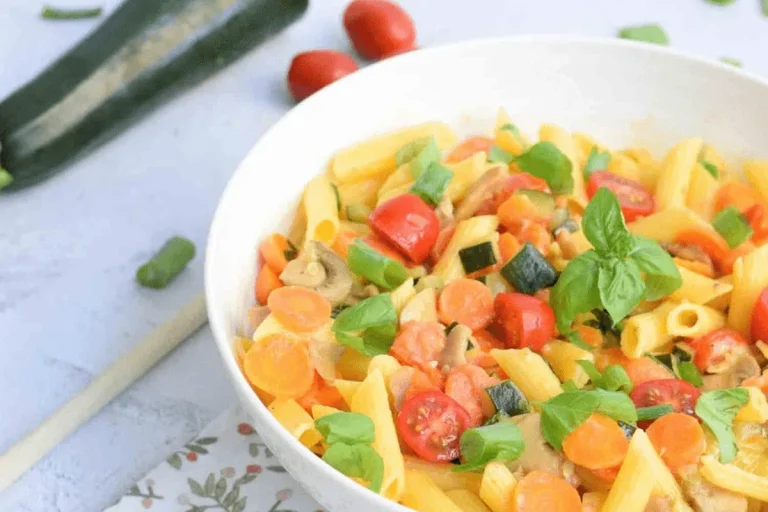
Vegetables add volume and color. Think spinach, broccoli, peppers, zucchini, mushrooms, or tomatoes.
Helps the meal feel more filling and balanced.
Add bulk, fiber, and flavor with fewer calories.
Common Mistakes That Can Slow Progress
Whole wheat pasta can still work against your goals if you build the meal the wrong way. These mistakes are common, and they are easy to fix.
Too Much Pasta on the Plate
The biggest mistake is simple overportioning. Pasta is easy to keep serving because it looks light in the bowl.
If you want weight loss, treat pasta like a side of the plate, not the whole plate. That one change can make a big difference.
Heavy Cream Sauces and Extra Cheese
Creamy sauces taste great, but they can add a lot of calories fast. The same goes for lots of cheese, butter, or oil.
If you love rich flavors, use smaller amounts. Add garlic, herbs, lemon, or chili flakes for more taste without as much heaviness.
Skipping Protein and Veggies
Pasta alone often does not keep hunger away for long. That can lead to more eating later.
Build the meal with protein and vegetables so it works harder for you. This is one of the easiest ways to make pasta fit a weight loss plan.
- Use pasta as part of a balanced meal.
- Add vegetables and lean protein.
- Choose lighter sauces more often.
- Serving huge bowls of pasta.
- Loading on cream and cheese.
- Relying on pasta alone for dinner.
Cost, Value, and Final Verdict
Whole wheat pasta is often a practical pantry buy. The value comes from its simple ingredient list, filling fiber, and easy use in weeknight meals.
Is It Worth Buying for a Weight Loss Plan?
Yes, it is usually worth buying if you enjoy pasta and want a better everyday option. It can make healthy eating feel less strict.
That said, it works best when you already plan your portions. If you tend to overeat pasta, the type of pasta matters less than the amount on the plate.
Final Recommendation for Red Kitchen Project Readers
For most home cooks, whole wheat pasta is a solid choice for weight loss. It gives you more fiber and more staying power than white pasta.
Choose it when you want a simple swap that supports better meals. If you need the softest texture or have trouble with fiber, white pasta or another grain may suit you better.
Whole wheat pasta can be healthy for weight loss when you keep portions in check and build a balanced plate. It is a better everyday pick than white pasta for many people, but sauce, toppings, and serving size still decide the outcome.
Frequently Asked Questions
Often, yes. Whole wheat pasta usually has more fiber, which can help you feel full longer. But portion size and toppings still matter more than the pasta type alone.
Start with a smaller portion than you might normally serve. Then add vegetables and lean protein so the meal feels complete without a huge pile of pasta.
Simple tomato-based sauces are often a lighter choice than cream sauces. You can also use herbs, garlic, lemon, and a small amount of cheese for flavor.
Not always by a big amount. The main benefit is usually more fiber, not a dramatic calorie drop, so the full meal still matters most.
It can for some people, especially if they are not used to more fiber. Start with a small serving and ask a doctor if you have ongoing digestive symptoms.
Look for whole grain ingredients near the top of the list, plus fiber and serving size. Skip products that rely on vague marketing words if you want a true whole grain option.