French Press Coffee Brewing Checklist for Better Flavor

Use a medium-coarse grind, hot water, and a short steep for better French press flavor. Clean the press well after each brew to keep the taste fresh.
A good French press coffee brewing checklist keeps things simple. Use the right grind, the right water temp, and the right steep time, and you’ll get a fuller cup with less bitterness.
- Grind matters: Medium-coarse grounds help reduce sludge and bitterness.
- Water matters: Hot, not boiling, water helps keep flavor balanced.
- Time matters: Steep briefly and pour right away for better taste.
- Cleanup matters: Old oils and grounds can make the next cup taste stale.
French Press Coffee Brewing Checklist: The Fast Answer
If you want better French press coffee, start with a medium-coarse grind, water just off the boil, and a steady four-minute steep. Then press slowly and pour right away.
That’s the short version. The rest of this guide explains why each step matters and how to fix common flavor problems.
What this checklist helps you do
This checklist helps you make coffee that tastes balanced, not muddy or harsh. It also helps you keep each brew more consistent from cup to cup.
In short: it gives you a simple routine you can repeat every morning.
Fresh coffee beans
Grinder
Hot water
Scale or spoon
Timer
Who this guide is for in 2026
This guide is for home coffee drinkers who want better flavor without complex gear. It also helps new French press users avoid the usual first-brew mistakes.
If you already own a French press, this checklist can still help you fine-tune taste, cleanup, and daily routine.
French Press Basics and How Brewing Works
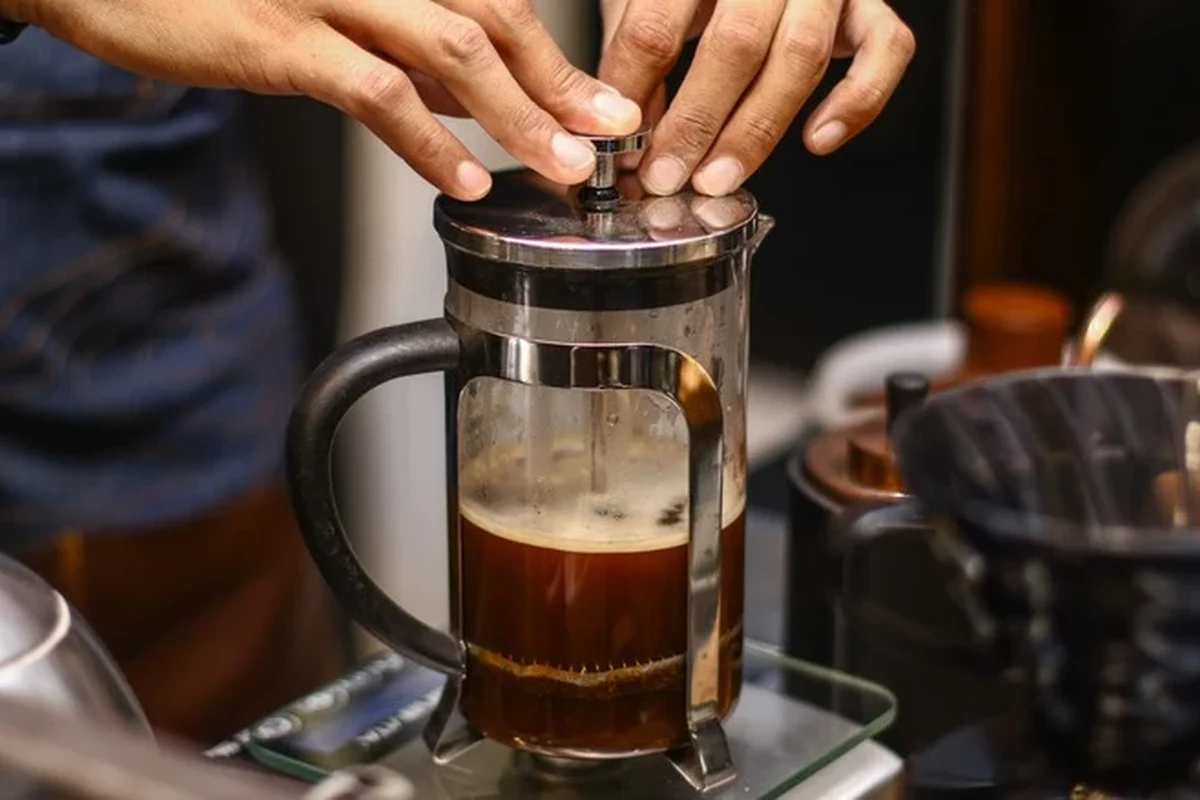
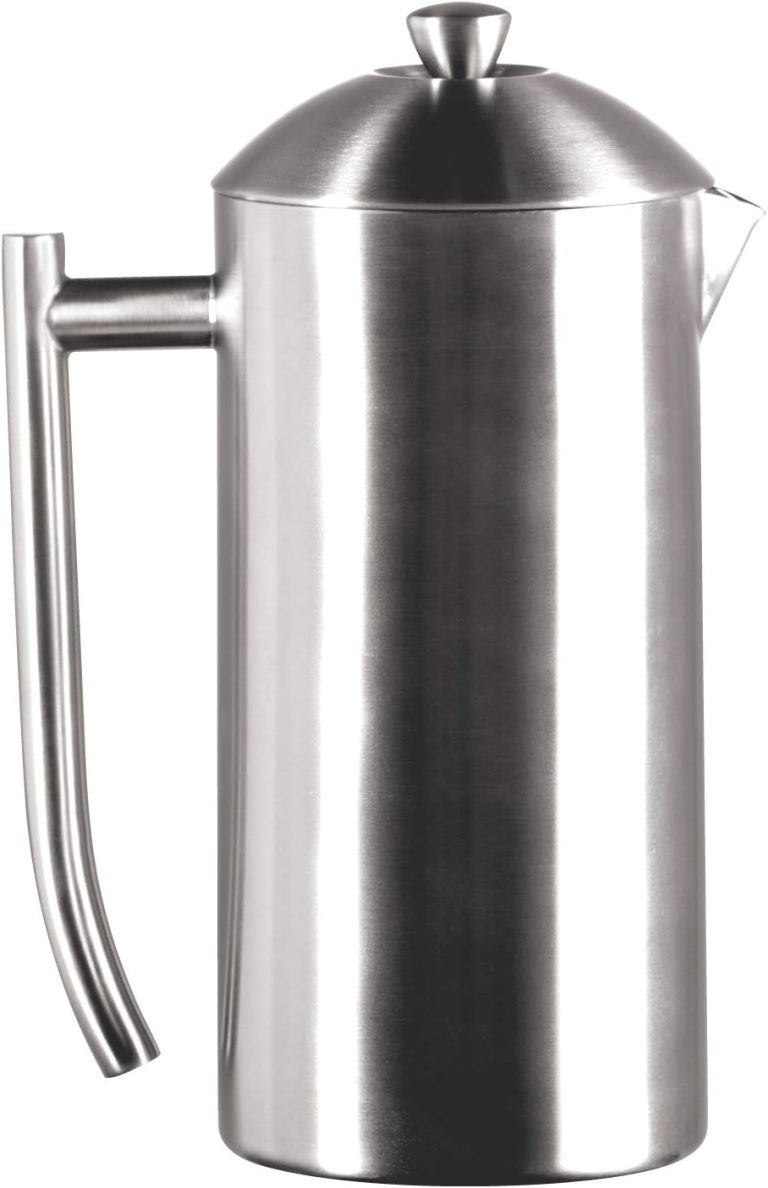
A French press uses immersion brewing. That means the coffee grounds sit in hot water instead of water flowing through them.
This style often makes a rich, full cup. But it also gives you more control over flavor, for better or worse.
French press brewing keeps the grounds in contact with water the whole time. That’s why grind size and steep time matter so much.
How immersion brewing changes flavor
Because the grounds stay in the water, the brew extracts oils and solids that paper filters often catch. That can add body and a heavier mouthfeel.
It can also pull out more bitter notes if the grind is too fine or the brew sits too long.
In short: immersion gives you a bold cup, but it rewards careful timing.
Why grind size, water, and time matter
Grind size controls how fast flavor leaves the coffee. Water temperature affects how much gets extracted. Time decides when the cup shifts from sweet and balanced to rough and bitter.
These three factors work together. If one is off, the whole cup can taste flat or harsh.
Medium-coarse grind, hot but not boiling water, and a short, steady steep
Step-by-Step French Press Brewing Checklist
Use this simple routine as your base method. Then adjust one thing at a time if you want a stronger or softer cup.
Start with a balanced coffee-to-water ratio, then adjust to taste. A kitchen scale helps, but a spoon can still work if you stay consistent.
Use water just off the boil. If you don’t have a thermometer, let boiled water rest for a short moment before pouring.
Add the grounds first, then pour water evenly over them. Stir gently so all the coffee gets wet, but don’t whip in extra air.
Let the coffee steep, then press the plunger down slowly. Pour right away so the coffee doesn’t keep extracting in the press.
Freshly boiled water can burn skin and crack some glass press parts if the brewer is damaged. Follow the manual and check the press for chips, loose parts, or worn seals before use.
Choose the right coffee dose
The dose changes the strength and balance of the cup. Too little coffee can taste thin. Too much can taste heavy or bitter.
Keep your dose steady while you learn the brewer. Then make small changes if you want a stronger or lighter result.
Heat water to the right range
French press coffee usually tastes best with water that’s hot, but not raging hot. Water that is too cool often under-extracts the coffee and tastes sour or weak.
Water that is too hot can bring out harsh notes. If you use a kettle, let the water settle a bit before pouring.
Add grounds, pour, and stir gently
Pour enough water to wet all the grounds first. Then fill the press to your target amount.
Stir once or twice, just enough to break up dry clumps. That helps the grounds extract more evenly.
Steep, press, and pour at the right time
Most French press brews land in the same basic time window, but taste can vary by bean and grind. Start with a short, even steep and adjust from there.
Press slowly and with care. A fast press can stir up fine particles and make the cup muddy.
- Preheat the press with hot water for a warmer cup.
- Grind beans right before brewing for fresher flavor.
- Pour all the coffee out after pressing.
- Adjust only one brewing step at a time.
Best Coffee Specs for Better Flavor
The best French press results depend on the coffee itself, not just the brewer. Bean roast, grind size, water quality, and filter style all shape the final cup.
Grind size and bean roast level
A medium-coarse grind is the safe place to start. It helps water move through the grounds at a steady pace.
Very fine coffee can slip through the filter and make the cup gritty. Very coarse coffee can taste weak and underdone.
Roast level matters too. Medium and medium-dark roasts often work well in French press because they bring body and sweetness.
Helps reduce sludge and keeps extraction more even.
Usually give you better aroma and clearer flavor.
Water quality and coffee-to-water ratio
Clean water matters more than many people think. If your tap water tastes off, your coffee will too.
A simple, repeatable ratio helps you stay consistent. Once you find a taste you like, keep that ratio as your base.
Water taste varies by home and region. If your coffee tastes flat, try filtered water before changing the beans.
French press size and filter type
Press size affects how easy it is to brew the amount you need. A press that is too large for your daily cup can make small batches less consistent.
Filter design also matters. Some presses trap more fine grounds than others, but no press removes all sediment.
Best for one or two cups and smaller counters.
Best for shared mornings and larger batches.
Common Brewing Mistakes and How to Fix Them
Most French press problems are easy to fix once you know the cause. The good news is that small changes often make a big difference.
Weak coffee, bitter coffee, and sludge issues
Weak coffee usually means the grind is too coarse, the dose is too low, or the water is too cool. Bitter coffee usually points to too fine a grind, too much steep time, or water that is too hot.
Sludge often comes from a fine grind or a press filter that lets small particles through. It can also happen if you pour too hard and stir up the bottom of the press.
The coffee tastes thin and watery.
Use a slightly finer grind, raise the dose a little, or steep a bit longer.
The coffee tastes harsh or bitter.
Use a coarser grind, shorten the steep, or let the water cool slightly.
The cup feels gritty or muddy.
Check the filter, avoid very fine grounds, and pour slowly after pressing.
Oversteeping, understeeping, and uneven extraction
Oversteeping makes the cup taste heavy and rough. Understeeping can leave the coffee sour, thin, or sharp.
Uneven extraction often comes from dry clumps, poor stirring, or a weak pour pattern. A gentle stir at the start usually helps.
In short: even contact between water and grounds is the key to better flavor.
- Use a medium-coarse grind.
- Stir gently after pouring.
- Pour the coffee out right away.
- Letting coffee sit in the press too long.
- Using very fine espresso-style grounds.
- Pressing down too fast.
Cleaning and Maintenance Checklist for Daily Use
Clean gear makes better coffee. Old oils and trapped grounds can leave a stale taste in the next brew.
French presses are simple, but they still need regular care. That includes the plunger, mesh filter, and carafe.
How to clean the press after each brew
Empty the spent grounds as soon as you can. Rinse the carafe with warm water, then wash the parts with mild soap.
Make sure the filter area is clear. Fine grounds often hide in the mesh and around the edges.
Dump grounds, rinse parts, and let everything dry fully.
Wash the plunger and filter more carefully to remove coffee oils.
Check seals, mesh, and glass or metal parts for wear.
Deep cleaning tips for better taste and longer life
Deep cleaning helps if coffee starts to taste stale or oily. It also helps if the plunger feels stiff or the filter seems clogged.
Use the cleaning steps in the manual for your exact model. Some parts are dishwasher safe, but others need hand washing.
Stop using the press if the glass is cracked, the handle is loose, or the filter parts are damaged.
Value, Limits, and Final Recommendation
A French press offers strong flavor, simple setup, and low daily fuss. It’s one of the easiest ways to make a rich cup at home.
Still, it has limits. It won’t give you a fully clean cup, and it needs a little attention to avoid grit and bitterness.
When a French press is the right choice
Choose a French press if you like bold coffee and want a low-tech routine. It’s also a smart pick if you want a brewer that’s easy to store and easy to use.
It works well for people who enjoy controlling grind, strength, and steep time without buying a more complex machine.
When another brew method may work better
Choose another method if you want a cleaner cup with less sediment. Pour-over and drip brewers often suit that need better.
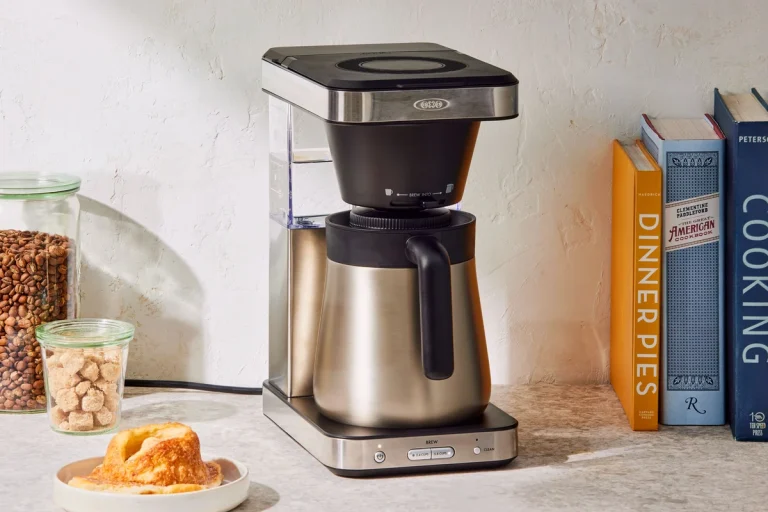
If you want speed and one-button convenience, an automatic coffee maker may fit your routine better.
French Press Coffee Brewing Method
This brew style is best for home coffee drinkers who want rich flavor, simple gear, and low cost of entry. The main trade-off is sediment, plus a little more care with grind size and steep time.
Final verdict for Red Kitchen Project readers
The French press is still a great choice in 2026 for flavor-first coffee at home. If you follow the checklist, you can avoid most common mistakes and make a better cup with very little gear.
Our Verdict Use a French press if you want rich, hands-on coffee and don’t mind a little sediment. If you want the cleanest cup possible, a different brew method may suit you better.
- Use medium-coarse grounds for the best balance.
- Keep water hot, but not violently boiling.
- Steep for a short, steady time and pour right away.
- Clean the filter and plunger after every brew.
Frequently Asked Questions
A medium-coarse grind is the best place to start. It helps reduce sludge and keeps extraction more even.
Use water that is hot but not violently boiling. If you do not have a thermometer, let boiled water rest briefly before pouring.
Start with a short, steady steep and adjust from there based on taste. If the coffee tastes bitter, try a shorter steep next time.
Muddy coffee often comes from a fine grind, a weak filter, or pressing too fast. Use a coarser grind and pour slowly after pressing.
Dump the grounds, rinse the parts, and wash with mild soap. Check the filter and plunger area so old coffee oils do not build up.
Not always. It is great for bold flavor, but a drip or pour-over brewer may be better if you want a cleaner cup with less sediment.