What Is a French Press Coffee Maker and How It Works

A French press coffee maker is a manual brewer that steeps coffee grounds in hot water, then uses a plunger to separate them. It makes bold coffee and is easy to use, but it needs a little care and cleanup.
A French press coffee maker is a simple manual brewer that steeps coffee grounds in hot water, then separates them with a mesh plunger. It gives you rich, full coffee with very little gear.
- Simple method: Hot water steeps coffee, then a mesh plunger filters it.
- Best grind: Coarse grounds help reduce sediment and clogging.
- Main trade-off: Rich flavor comes with more cleanup and some sediment.
- Buying focus: Choose size, material, and filter quality first.
What Is a French Press Coffee Maker?
A French press coffee maker is a handheld coffee brewer with a glass, steel, or plastic body. You add coffee and hot water, wait a few minutes, then press the filter down.
That’s the short answer. It does not use paper filters or electricity, so the process stays simple and hands-on.
The simple definition
Think of it as a small steeping pot for coffee. Hot water soaks the grounds, much like tea leaves in a teapot.
Then a metal mesh filter pushes the grounds to the bottom. The brewed coffee stays above the filter until you pour it out.
A French press is also called a press pot or cafetière in many places.
Why people still love it in 2026
People still like the French press because it feels easy and low fuss. You do not need pods, filters, or a power cord.
It also gives coffee a bold, heavy body. Many coffee drinkers enjoy that deeper taste, especially with medium or dark roasts.
In short, it stays popular because it is simple, affordable, and easy to understand.
How a French Press Works Step by Step
The brewing method is all about contact time. Coffee grounds and hot water stay together long enough to pull out flavor, oil, and aroma.
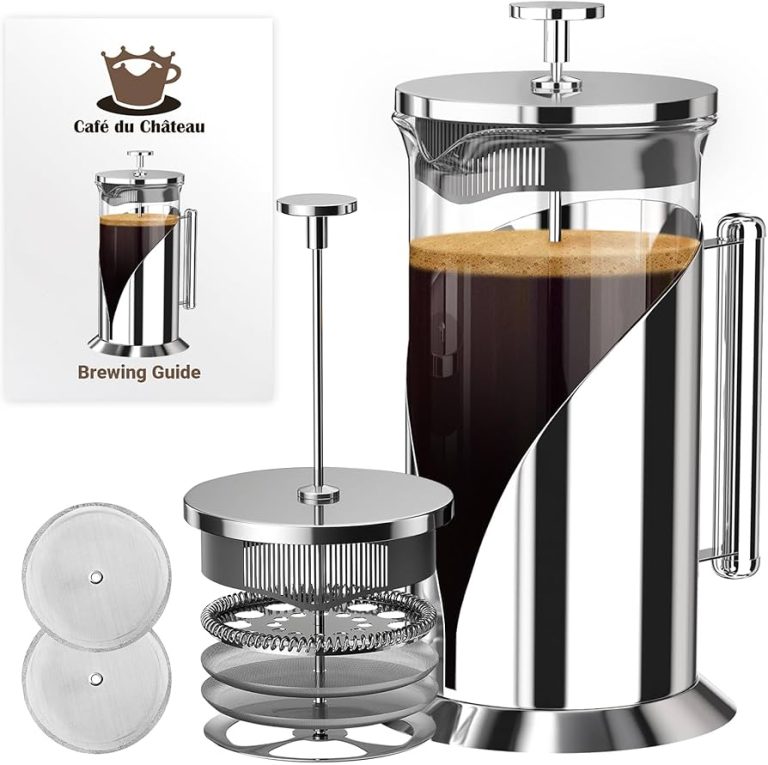
The main parts of the press
Most French presses have a few basic parts. The design may vary by brand, but the idea stays the same.
Holds the water and grounds during brewing.
Lets you push the filter down by hand.
Separates the grounds from the finished coffee.
Helps hold heat and guides the plunger.
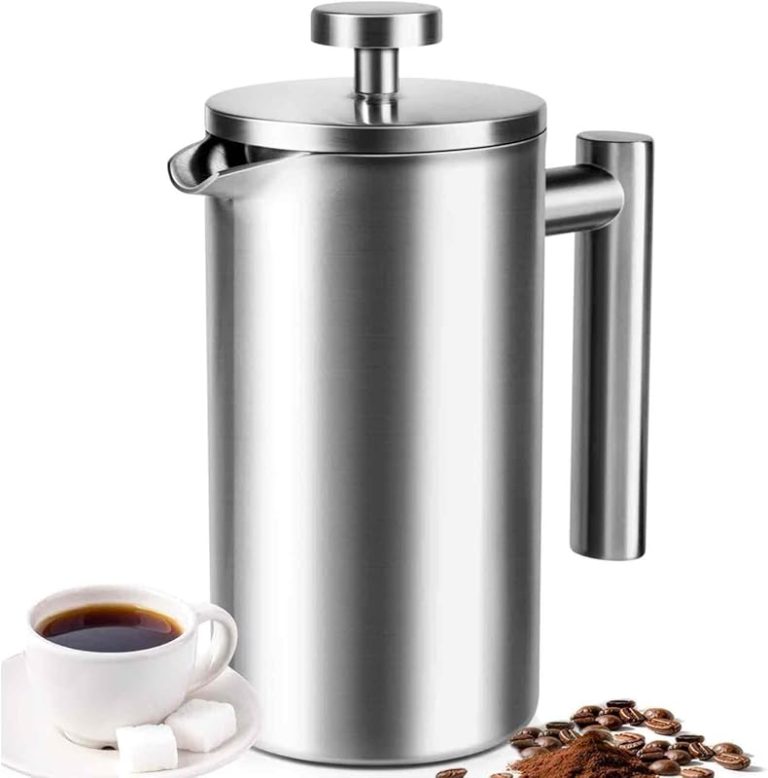
Some models use stainless steel. Others use glass with a metal frame or a plastic shell.
What happens during brewing
First, the grounds soak in hot water. During this time, the water pulls flavor from the coffee.
Next, the plunger goes down slowly. The mesh filter traps most of the grounds at the bottom.
Finally, you pour the coffee into a mug or carafe. The drink stays unfiltered, so some fine sediment may remain.
The final taste can change with grind size, water heat, steep time, and bean roast.
Why steeping time matters
Steeping time has a big effect on taste. Too short, and the coffee can taste weak or sour.
Too long, and it can turn bitter. A balanced steep usually gives a smoother cup with better body.
That balance is one reason the French press rewards a little care. You do not need fancy skills, but timing still matters.
How to Use a French Press the Right Way
Using a French press is easy once you know the basics. The key is to match the grind, water, and time.
Best coffee grind and water ratio
A coarse grind usually works best. Fine grounds can slip through the mesh and make the cup muddy.
A common starting point is about 1 to 2 tablespoons of coffee per 6 ounces of water. Many people adjust from there to taste.
If your coffee tastes harsh, try a slightly coarser grind or a shorter steep time.
Basic brewing steps
Rinse it with hot water, then dump the water out.
Pour in coarse grounds based on your preferred strength.
Use hot, not boiling, water for a smoother cup.
Wait a few minutes, then press down slowly and evenly.
Pour soon after pressing. Leaving coffee in the press can make it taste more bitter.
Common brewing mistakes to avoid
Small mistakes can change the result fast. Luckily, most are easy to fix.
- Use coarse coffee grounds.
- Press slowly and with steady pressure.
- Pour the coffee right after brewing.
- Do not use very fine espresso grind.
- Do not force the plunger down hard.
- Do not leave brewed coffee sitting in the press.
For example, a too-fine grind can clog the filter and make pressing harder than it should be.
French Press Coffee: Benefits and Limits
The French press has a lot going for it. But it also has a few limits you should know before buying one.
What it does well
- Makes bold coffee with strong body.
- Uses no paper filters or pods.
- Needs little counter space.
- Works without electricity.
It also gives you more control than many automatic machines. You can change the grind, water, and steep time to suit your taste.
Where it falls short
A French press does not make a clean, crystal-clear cup. Some fine grounds and oils usually stay in the drink.
It also takes more hands-on work than a drip machine. You need to measure, steep, press, and clean it yourself.
Use care with hot water and hot glass. Stop using any press with cracks, loose parts, or damaged mesh.
Who it suits best
This brewer fits people who like rich coffee and simple gear. It also suits anyone who wants a manual method for home or travel.
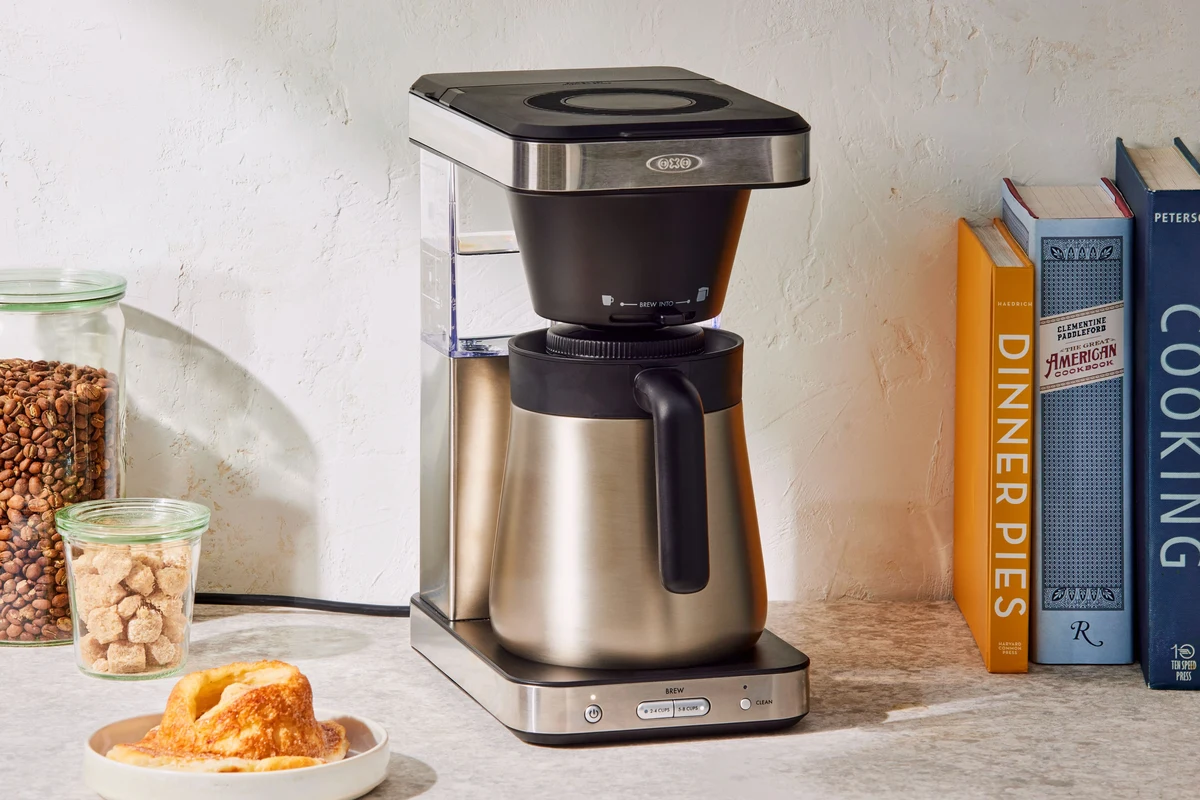
It may not be the best fit if you want the cleanest cup or the fastest cleanup. In that case, a drip brewer or pod machine may feel easier.
What to Look for When Buying a French Press
Not all French presses feel the same in daily use. Small design choices can affect heat, cleanup, and comfort.
Material choices and durability
Glass presses look classic, but they can break if dropped. Stainless steel models usually feel tougher and hold heat better.
Plastic presses are often lighter and cheaper. Still, the build quality matters more than the label alone.
Size, filter type, and ease of use
Pick a size that matches how much coffee you make at once. A press that is too large can waste coffee and heat.
Also check the filter design. Some models use a single mesh screen, while others use layered filters for less sediment.
- Capacity and dimensions
- Filter design and handle comfort
- Cleaning ease and spare parts access
- Warranty and safety notes
Price, value, and budget picks
French presses come in many price levels. Higher cost does not always mean better coffee.
Value often comes from sturdy build, a good filter, and easy cleaning. If a model feels awkward to wash, you may stop using it.
Cleaning, Safety, and Maintenance Tips
A French press is simple to clean, but you still need a routine. Good care helps it last longer and taste better.
How to clean the press after each use
Discard the grounds, rinse the parts, and wash with mild soap.
Check the mesh and plunger for trapped oils or stuck grounds.
Inspect seals, screens, and any cracks or loose fittings.
If the filter clogs often, it may need a deeper clean. Some models allow easy disassembly, but always follow the manual.
How to avoid cracks, clogs, and burns
Do not pour boiling water into a cold glass press if the maker warns against it. Sudden heat changes can stress the glass.
Press the plunger slowly. Fast pressure can splash hot coffee or push grounds through the mesh.
Keep hands clear of hot glass and metal. If the press is chipped, cracked, or bent, replace it.
Simple care for longer life
Dry the parts after washing so water spots and odor do not build up. Store the press with the plunger loose if the manual allows it.
Also check the filter and gasket from time to time. Small worn parts can affect taste and make pressing harder.
- Rinse the press soon after brewing.
- Use soft sponges to protect glass and finish.
- Keep spare mesh parts if your model supports them.
Final Recommendation: Is a French Press Worth It?
For many coffee drinkers, yes, it is worth it. A French press gives you strong flavor, simple use, and good value.
Best choice for beginners
Beginners who want an easy start should look for a sturdy, simple model. A clear lid, comfortable handle, and easy-clean filter help a lot.
Start with a coarse grind and a basic brew ratio. That usually gives a good first cup without much fuss.
Best choice for coffee fans who want more control
If you like to adjust taste by hand, the French press is a smart pick. You can change steep time, grind size, and dose to shape the cup.
That control makes it a favorite for people who enjoy experimenting. It is not the most exact brewer, but it is very flexible.
Bottom-line verdict from Red Kitchen Project Editorial Team
A French press is one of the easiest ways to make rich coffee at home. Choose it if you want simple gear and bold taste. If you want a cleaner cup or less cleanup, a drip brewer may suit you better.
In short, the French press earns its place because it is simple, affordable, and easy to learn. If that sounds like your style, it can be a great everyday coffee maker.
Frequently Asked Questions
A coarse grind usually works best in a French press. Fine grounds can slip through the mesh and make the coffee taste muddy or bitter.
A common starting point is about 1 to 2 tablespoons of coffee per 6 ounces of water. You can adjust the strength up or down after a few tries.
Hot, not boiling, water usually gives a smoother cup. Exact heat can vary by bean, roast, and your brewer, so follow the manual if it gives a target.
Dump the grounds, rinse the parts, and wash them with mild soap. Check the mesh and plunger often so oils and fine grounds do not build up.
Bitter coffee often comes from a too-fine grind, water that is too hot, or steeping too long. Try a coarser grind, a shorter steep, or a slightly cooler pour.
Check the capacity, material, filter design, cleaning ease, and warranty details. It also helps to make sure the size fits your daily coffee routine.