How Does a Cold Brew Coffee Maker Work for Smooth Coffee

A cold brew coffee maker soaks coffee grounds in cold water for hours, then filters out the grounds. That slow process makes coffee taste smoother and less bitter than many hot brew methods.
A cold brew coffee maker works by steeping coffee grounds in cold or room-temperature water for many hours. Then it filters out the grounds and leaves you with smooth, less bitter coffee.
- Slow steeping: Cold water pulls flavor gently over many hours.
- Coarse grind: Bigger grounds help reduce sludge and improve filtering.
- Ratio matters: More coffee makes stronger brew, and more water makes it lighter.
- Cleanup counts: Clean filters and parts soon to avoid smell and buildup.
What a Cold Brew Coffee Maker Does and Why It Matters
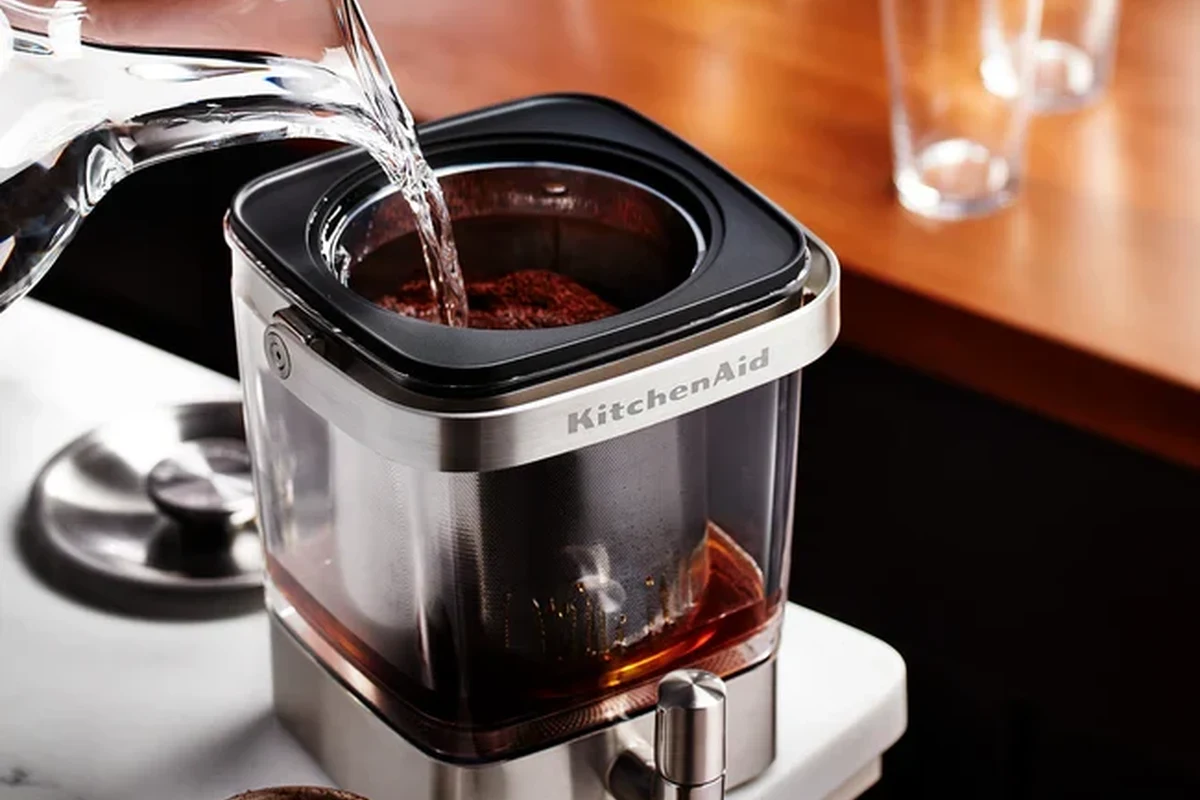
A cold brew maker makes coffee without heat. That simple change affects taste, strength, and how you serve it.
Instead of brewing in minutes, it soaks coffee slowly. That slower process pulls different flavors from the beans.
The simple answer to how it makes smooth coffee
The maker holds coffee grounds and water together for a long steep. After that, a filter or basket separates the liquid from the grounds.
The result is a coffee concentrate or ready-to-drink brew, depending on the model and ratio you use.
Cold brew often tastes smoother because heat pulls out more sharp, bitter compounds.
Why cold brew tastes less bitter than hot coffee
Hot water extracts flavor fast. It also pulls more acids and bitter notes from the grounds.
Cold water works more slowly. That usually gives cold brew a softer taste and lower bite.
That said, taste still depends on the beans, grind, ratio, and steep time. A strong brew can still taste bold.
How Does a Cold Brew Coffee Maker Work Step by Step
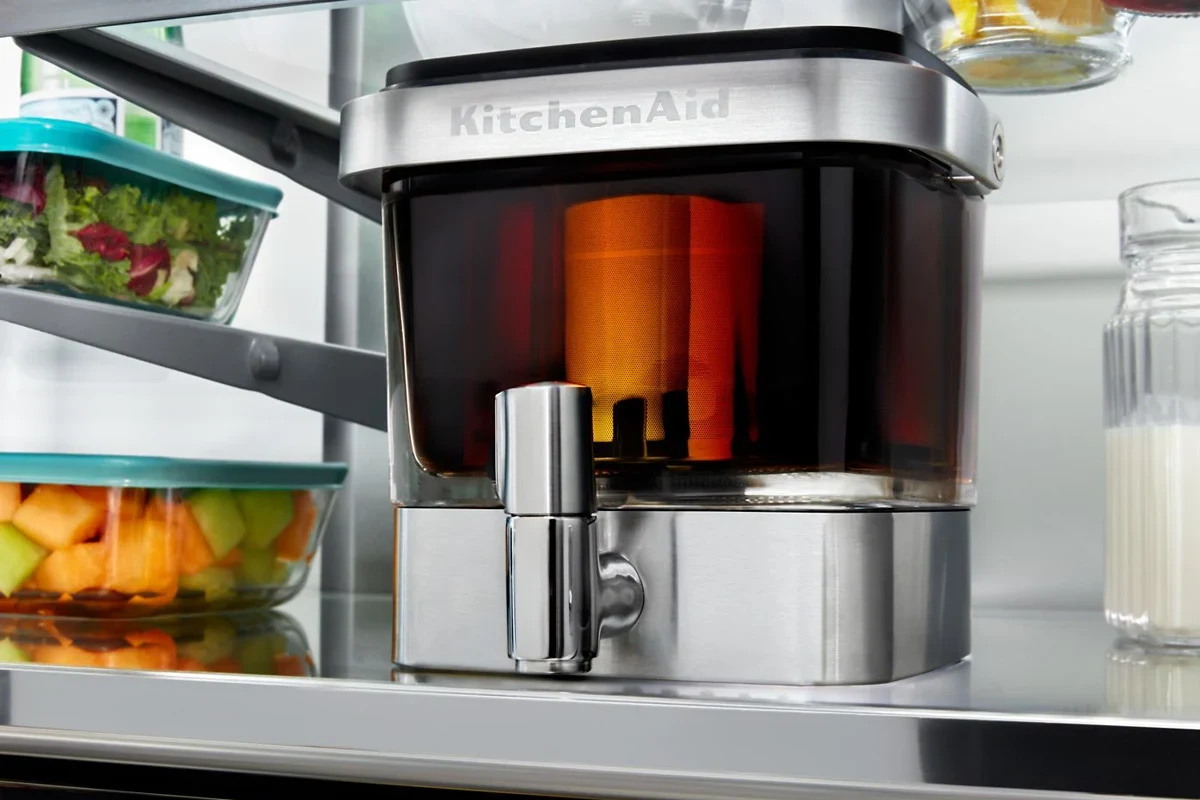
Most cold brew makers follow the same basic path. You grind, mix, steep, and filter.
The details change by model, but the process stays simple.
Use a coarse grind for cleaner filtering and less sludge.
Combine grounds and water in the brewer’s basket, jar, or chamber.
Wait several hours so the water can extract flavor slowly.
Remove the grounds and pour the finished coffee over ice or milk.
Grinding the beans to the right size
Coarse grounds usually work best. They help water move through the coffee more evenly.
Very fine grounds can make the brew muddy. They can also clog filters and make cleanup harder.
If your coffee tastes gritty, try a slightly coarser grind next time.
Mixing coffee and water in the brewer
Some makers use a basket. Others use a jar, carafe, or built-in filter.
In every case, the goal is the same. Keep the grounds in contact with water, but make removal easy later.
Steeping time and why it takes hours
Cold water extracts flavor slowly. That is why cold brew needs patience.
Most brews need several hours. Exact timing depends on the maker, the ratio, and your taste goals.
Shorter steeping gives a lighter drink. Longer steeping can make the brew stronger, but it may taste flat if overdone.
Filtering out grounds for a clean finish
Filtering is a big part of the final taste. A good filter gives you a cleaner cup and less sediment.
Mesh, paper, and dual-filter systems all work a little differently. The best one depends on how clear you want the coffee.
Always follow the manual for safe use and cleaning. Stop using any maker with cracks, mold, or damaged parts.
Key Parts, Settings, and Ingredients That Affect Results
The same beans can taste very different in different makers. Small setup choices matter a lot.
That’s why it helps to know which parts control flavor, strength, and cleanup.
Brewer types, from simple jars to basket systems
Simple jar-style brewers are easy to use. They often cost less and take up less space.
Basket systems can be more convenient. They usually make filtering and lifting out grounds easier.
Carafe-style brewers often fit well in the fridge. They also work nicely for people who want ready-to-pour storage.
Good for easy brewing and low-cost storage.
Makes lifting grounds out faster and cleaner.
Best coffee grind size and bean choice
Coarse grind is the safest starting point for most makers. It helps reduce bitterness and clogging.
Fresh beans usually taste better than stale ones. Medium or dark roasts often give a richer cold brew flavor.
Still, there’s no single perfect bean. Your taste may lean toward chocolatey, nutty, or brighter notes.
Water ratio, brew time, and strength control
Ratio controls strength more than most people expect. More coffee makes a bolder brew.
Less coffee makes a lighter drink. Brew time also matters, since longer steeping can increase strength.
If your first batch tastes too strong, dilute it when serving. If it tastes weak, use more coffee next time.
Benefits and Limits of Using a Cold Brew Coffee Maker
Cold brew makers are great for smooth coffee and easy batch brewing. But they are not the best fit for every drinker.
It helps to know both the upside and the trade-offs before you buy one.
When cold brew works better than hot methods
Cold brew works well when you want low bitterness. It also helps if you like make-ahead coffee.
It can be a smart choice for busy mornings. Brew once, then pour for several days.
It also suits people who drink coffee over ice. The flavor stays strong without getting harsh.
Flavor, caffeine, and batch size trade-offs
Cold brew can taste smooth, but it may lack the bright snap of hot coffee.
Caffeine levels vary a lot by recipe and serving size. Strong concentrate can feel very bold.
Batch brewers are handy, but they take fridge space. Small makers save space, but they may not last as long between brews.
- Smooth taste with less bitterness
- Easy to make ahead in batches
- Good for iced coffee drinks
- Takes many hours to brew
- Needs fridge space for many models
- Can taste flat if brewed poorly
Who will like it most and who may not
Cold brew makers suit people who want smooth coffee with less fuss in the morning.
They may not suit someone who wants a fast cup right away. They also may not please drinkers who love sharp, hot-brew flavor.
Common Mistakes That Ruin Cold Brew
Cold brew is simple, but small mistakes can change the whole drink.
Most problems come from grind size, ratio, steep time, or filtering.
Using the wrong grind or weak coffee ratio
Too fine a grind can make the coffee cloudy and harsh. Too little coffee can make it taste thin.
Try a coarse grind and keep notes on your ratio. That makes it easier to repeat a good batch.
The coffee tastes weak, sour, or watery.
Use more coffee next time and check that the grounds fully soak.
Steeping too long or too short
Too short a steep can leave the brew underdone. Too long can make it dull or overly strong.
Start with the maker’s guidance if it gives one. Then adjust by taste.
Poor filtering and cloudy coffee
Cloudy coffee often means the filter let too much fine sediment through.
Rinse reusable filters well. If needed, use a finer filter or let the coffee settle before pouring.
Some cloudiness is normal with certain brews. It does not always mean the coffee is bad.
How to Use, Clean, and Maintain Your Cold Brew Maker
Good cleaning matters as much as good brewing. Coffee oils can build up fast.
That buildup can affect taste and smell, especially if the maker sits unused.
Easy brewing steps for better daily results
Measure carefully so the batch stays balanced.
Wet all the grounds so extraction stays even.
Use the fridge if the manual or recipe suggests it.
Strain before serving and store the finished coffee cold.
Cleaning tips to avoid smell and buildup
Wash removable parts soon after use. Coffee residue is easier to remove before it dries.
Use mild soap and warm water unless the manual says otherwise. Dry parts fully before storing them.
Rinse, wash, and dry all removable parts.
Check filters, seals, and lids for buildup or wear.
Do a deeper clean if the maker sees heavy use.
Storage, fridge use, and safe serving habits
Cold brew usually stores best in the fridge. Keep it in a clean, covered container.
Do not leave brewed coffee out for long periods. If it smells off or looks unusual, discard it.
For the safest use, follow the manual and local food-safety guidance. Storage times can vary by recipe and household habits.
What to Look for Before You Buy One in 2026
In 2026, the best cold brew maker is still the one that fits your space and routine.
Don’t chase fancy features you won’t use. Focus on size, cleaning, and filter quality first.
Size, material, filter type, and ease of use
Small kitchens need a compact design. Bigger households may want a larger batch brewer.
Glass, plastic, and stainless steel each have trade-offs. Material choice affects weight, care, and how sturdy the maker feels.
Filter style matters too. A removable filter can make cleanup easier than a fixed setup.
- Check the batch size and fridge fit
- Look for easy-to-clean parts
- Review filter style and replacement needs
- Read the manual for safe use and storage
Price, value, and long-term durability
Value is more important than a low sticker price. A cheap brewer that leaks or clogs can become annoying fast.
Look for sturdy seals, solid lids, and parts you can clean without trouble. Warranty terms also matter, so check the product page or manual.
Best choice for singles, families, and batch brewers
Choose a compact brewer with easy storage and fast cleanup.
Choose a larger model that makes enough for several servings.
Choose a durable design with a reliable filter and good fridge fit.
Final Recommendation for Smooth, Low-Bitterness Coffee
A cold brew coffee maker is worth it if you want smooth coffee with less bitterness and easy make-ahead brewing.
It is especially useful for iced coffee fans, busy mornings, and anyone who likes a mellow cup.
Best fit for beginners and everyday coffee drinkers
Beginners should start with a simple brewer, coarse grounds, and a steady ratio. That gives the clearest path to a good first batch.
Everyday coffee drinkers may prefer a model that is easy to clean and easy to store in the fridge.
When a cold brew maker is worth the money
It’s a smart buy if you make coffee often and want a smoother style. It may not be worth it if you want fast, hot coffee every morning.
Our Verdict
A cold brew maker is a strong choice for smooth, low-bitter coffee, but only if you’re fine waiting hours and cleaning a few parts.
Frequently Asked Questions
Most cold brew makers need several hours, and many recipes run overnight. Exact time depends on the model, the coffee ratio, and your taste goal.
A coarse grind usually works best because it filters more cleanly and tastes less muddy. Fine grounds can clog filters and make the coffee cloudy.
Start with the maker’s guide if it has one, then adjust by taste. More coffee makes a stronger brew, while more water makes it lighter.
Use a coarse grind, avoid over-steeping, and filter well. Fresh beans and a balanced ratio also help keep the flavor smooth.
Wash removable parts with mild soap and warm water unless the manual says otherwise. Dry everything fully, and stop using the maker if you see cracks, mold, or damage.
Yes, most cold brew stores best in the fridge in a covered container. Follow the manual and food-safety guidance, and throw it out if it smells or looks off.