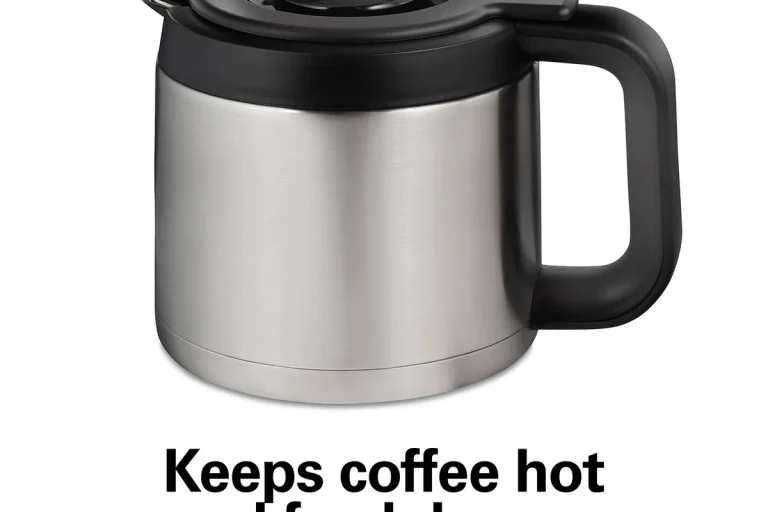
How Do Electric Milk Frothers Work for Perfect Foam

Electric milk frothers work by spinning air into milk, and many models also heat it. The best foam comes from the right milk, the right fill level, and the right run time.
Electric milk frothers work by whisking milk fast enough to pull air into it. Some models also heat the milk at the same time. That mix of air, motion, and heat turns plain milk into light foam for lattes, cappuccinos, and cold coffee drinks.
- How it works: A fast whisk pulls air into milk and makes foam.
- Heat matters: Many frothers warm milk while they foam it.
- Milk choice: Dairy, oat, and soy usually foam better than almond.
- Buying tip: Check capacity, modes, cleanup, and safety before you buy.
- Safety first: Unplug before cleaning and stop using damaged equipment.
How Electric Milk Frothers Turn Milk Into Foam
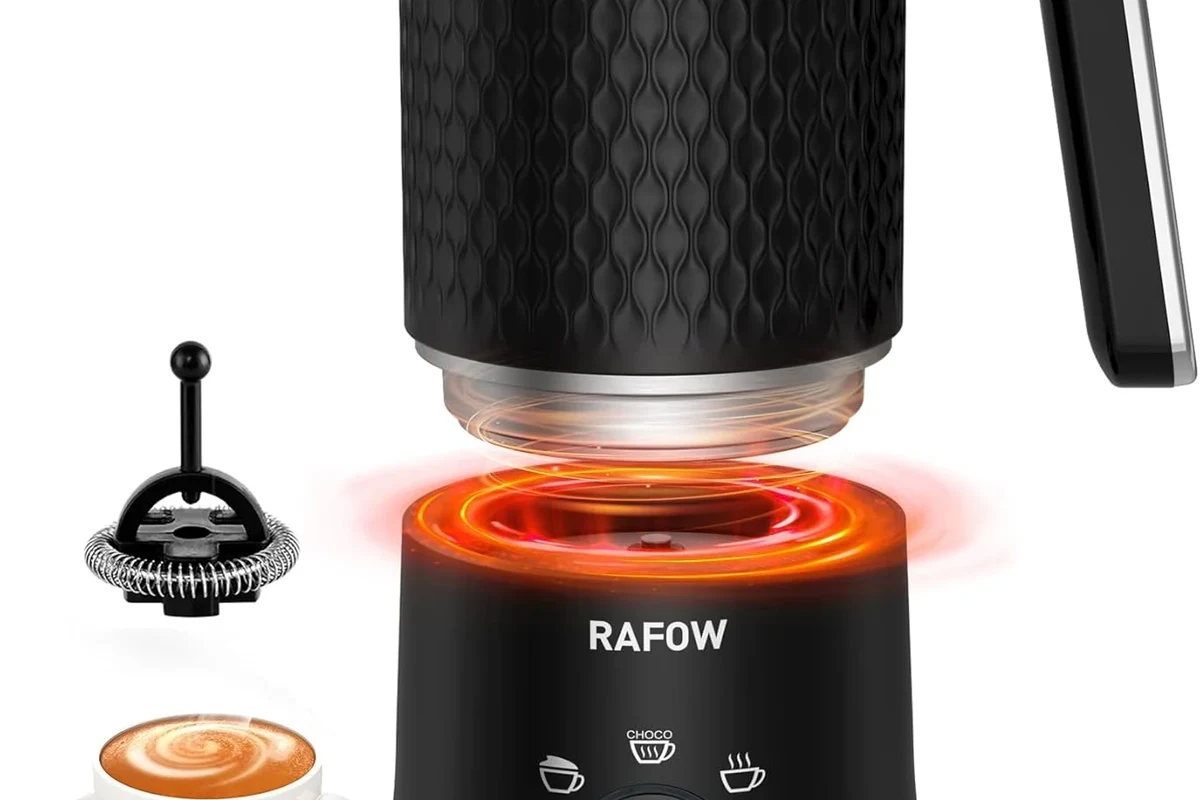
If you’ve ever wondered why milk gets thick and airy so quickly, the answer is simple. A small motor spins a whisk or impeller and folds air into the milk until foam forms.
How Do Electric Milk Frothers Work? The Quick Answer
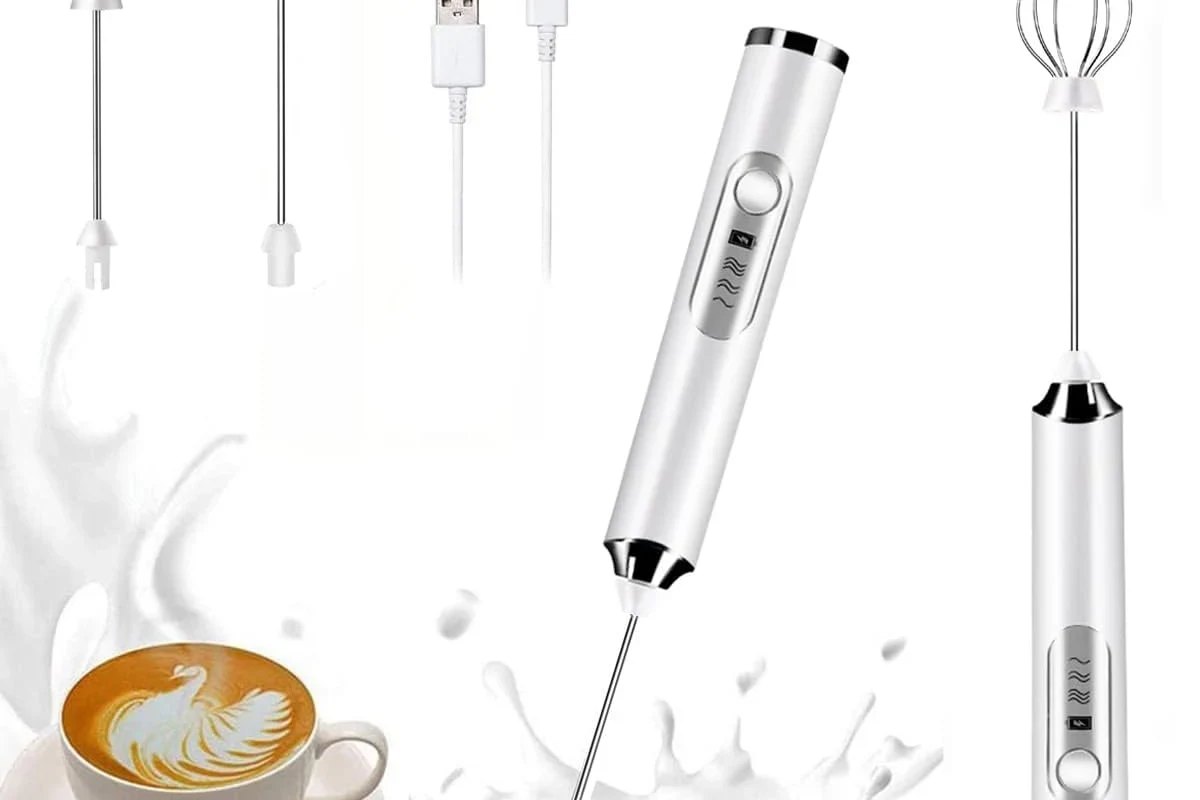
The short answer is this. An electric milk frother spins a whisk or blade very fast, which mixes air into milk. That motion creates tiny bubbles and a creamy top layer.
Some frothers also warm the milk. Others only froth it. The exact result depends on the model, the milk you use, and how long you run it.
The basic parts inside a frother
Most electric frothers use a few simple parts. A motor powers the spinning tool. A whisk, coil, or small paddle moves the milk. Many jug-style models also include a heating base and a temp sensor.
Those parts work together in a small space. The motor creates motion. The whisk adds air. The heater raises the milk to a drink-friendly temperature when the model supports heat.
Why spinning air changes milk into foam
Milk contains water, fat, protein, and sugar. When the whisk spins, it breaks the milk apart for a moment. Air slips in and gets trapped by milk proteins.
That trapped air forms bubbles. The proteins help hold the bubbles in place. Fat adds a smoother feel, which is why some foams taste richer than others.
Foam is not just air. It is air held in place by milk proteins and tiny fat particles.
What makes electric frothers different from hand frothers
A hand frother needs your wrist and arm to do the work. An electric frother uses a motor, so it keeps a steady speed. That often gives you faster and more even foam.
Electric models also save effort. That matters when you make drinks often or want the same result each morning. Hand frothers can still work well, but they usually need more time and more control from you.
How the Frothing Process Creates Hot or Cold Foam
Frothing is really a balance of air and heat. The milk must move enough to trap bubbles. If the milk gets too hot, the foam can thin out or taste flat.
Heating and whisking in one step
Many jug-style frothers heat and whisk at the same time. The heater brings the milk up while the whisk keeps it moving. That saves time and makes the process easy.
Cold foam models skip the heating step. They still spin the milk fast, but they keep the drink cool. That works well for iced coffee and chilled drinks.
How air bubbles form and stay stable
Fast spinning pulls air into the milk in tiny bits. Small bubbles are better than large ones. They feel smoother and last longer in the cup.
Stable foam depends on the milk structure. Protein helps the bubbles hold. Too much heat, too much time, or too little milk can weaken the foam.
Foam quality can vary a lot by model and milk type. Manufacturer settings may also change how hot or thick the foam gets.
Why milk type affects the foam result
Different milks foam in different ways. Dairy milk often makes rich foam because it has a strong protein and fat mix. Lower-fat milk can make more foam, but it may feel lighter.
Milk alternatives can work too. Oat milk often froths well. Soy milk can also do a good job. Almond milk may foam less, depending on the brand and added ingredients.
Types of Electric Milk Frothers and How Each One Works
Not all frothers work the same way. The style you choose affects speed, foam texture, cleanup, and how much milk you can make at once.
Standalone frothers with a jug
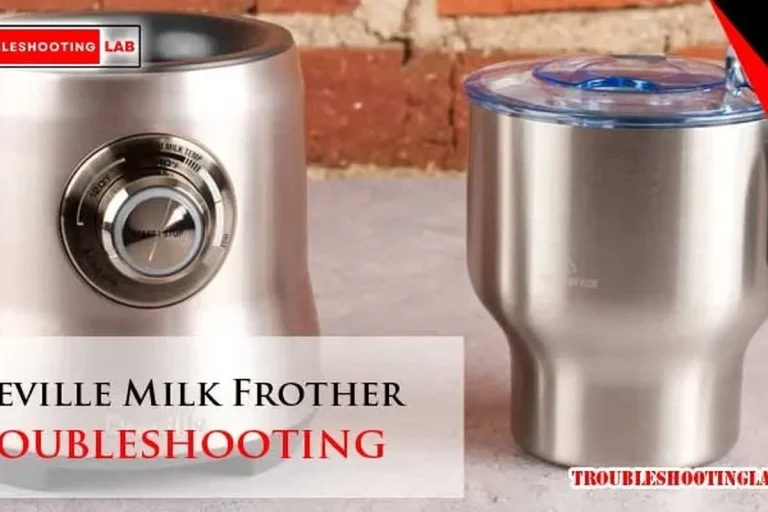
Standalone frothers use a base and a pitcher or jug. You pour in milk, choose a mode, and let the machine run. Many of these models can heat, froth, or do both.
They are a good fit if you want a simple routine. They also help if you like a more hands-off setup. The main trade-off is size. They take more counter space than handheld tools.
Handheld frothers for fast foam
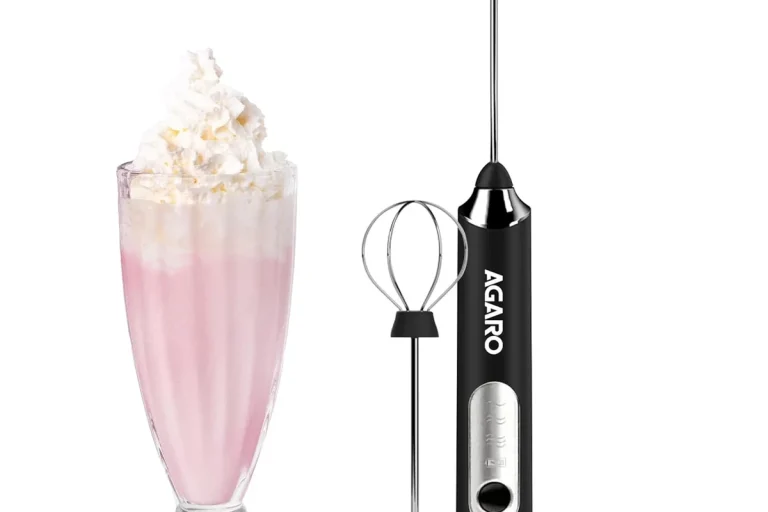
Handheld frothers are small wands with a spinning whisk at the end. You place the whisk in milk and move it around by hand. They are quick, light, and easy to store.
These are best for single drinks. They usually cost less than jug-style models, but they need more user control. They also do not heat milk unless you warm it first in another container.
Steam wand frothers on espresso machines
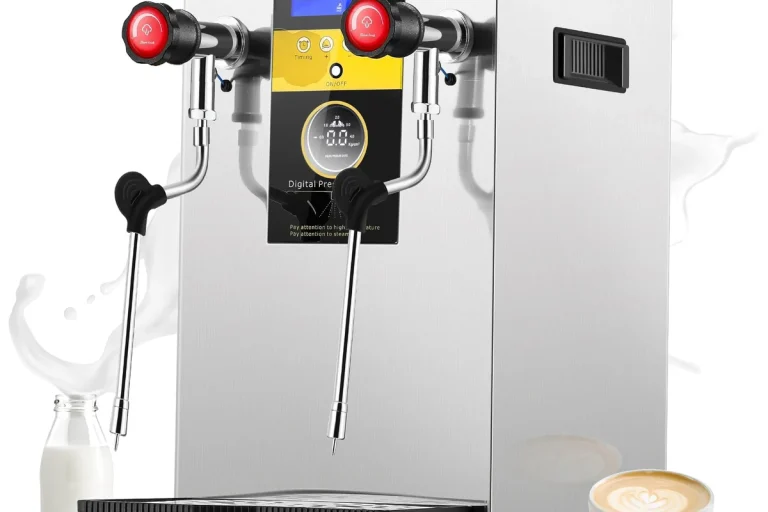
Steam wands use hot steam to heat and texture milk. They can make very fine foam when used well. That is why many espresso drinks use them.
They take more skill than other frothers. You must control the pitcher angle, steam flow, and milk temperature. For many home cooks, they work best if they already own an espresso machine.
Best for easy, repeatable frothing with little effort.
Best for quick single cups and small storage spaces.
Best for espresso drinks and fine texture control.
What to Look for Before You Buy
The best frother for you depends on how you drink coffee, how much space you have, and how often you plan to use it. A small kitchen may need a different shape than a busy home coffee bar.
Capacity and batch size
Check how much milk the frother can handle. Some models work best for one cup. Others can make enough foam for two or more drinks.
Do not assume the max fill line is the same as the usable frothing line. Many frothers need extra room so the milk can expand. Always follow the manual.
Heat settings and foam modes
Some frothers offer one heat level. Others give you several modes for warm foam, cold foam, or plain heating. More modes can help if you make different drinks.
If you like iced coffee, look for a cold foam setting. If you want lattes or hot chocolate, a warm froth mode may matter more.
Motor power, speed, and noise
A stronger motor can help the whisk spin smoothly. That often improves foam speed and consistency. Still, motor strength alone does not guarantee better foam.
Noise matters too, especially in a quiet kitchen. Handheld frothers can sound sharp and high-pitched. Jug models often sound softer, but this varies by design.
Easy-clean parts and nonstick coating
Cleanup can make or break your experience. Milk dries fast, so easy-clean parts save time. A nonstick jug can help, but it still needs prompt washing.
Look for removable whisks, simple lids, and parts that rinse clean fast. If a model has a coating, handle it with care. Use only the tools the manual allows.
- Check usable capacity, not just total jug size.
- Look for hot and cold modes if you need both.
- Choose easy-clean parts if you plan to use it daily.
- Read the manual for milk limits and care rules.
Best Uses in the Kitchen
Electric frothers do more than make café-style drinks. They can help with quick breakfast drinks, dessert toppings, and small kitchen tasks that need a little texture.
Latte, cappuccino, and mocha drinks
Frothed milk gives lattes a smooth top and cappuccinos a thicker cap. Mocha drinks also benefit because foam softens the mix of coffee and chocolate.
If you want a café look at home, a frother helps a lot. It will not replace espresso quality, but it can make a simple drink feel more polished.
Cold foam for iced coffee
Cold foam sits nicely on iced coffee and cold brew. It adds body without heating the drink. That makes it a good choice for warm weather or quick afternoon drinks.
Some cold foam works best with milk that has enough protein to hold shape. If one milk falls flat, try another brand before giving up on the style.
Milk alternatives like oat, soy, and almond
Plant milks can froth well, but results vary. Oat milk often gives a creamy texture. Soy milk can create a stable foam. Almond milk may be thinner and less steady.
Check the carton if you want better froth. Some brands make barista-style versions with added stabilizers. Those often foam more predictably than standard versions.
If your foam keeps collapsing, try a different milk brand before changing the machine settings.
Common Mistakes That Ruin Foam
Good foam depends on a few small details. A tiny change in milk amount, time, or heat can change the whole result.
Using the wrong milk or too little milk
Very little milk can whip too fast and make weak foam. Some milks also just do not hold air well. That is why a carton that works for one person may fail for another.
If you want better results, start with the milk type the manual suggests. When in doubt, test one small cup at a time.
Overfilling the frother jug
Too much milk leaves no room for expansion. The foam can spill over or turn messy. That also makes cleanup harder.
Stick to the fill line. If the jug says to stay below a mark, treat that as a real limit, not a suggestion.
Running the frother too long
Long frothing can break down the foam. It may also make the milk too hot. That can hurt taste and texture.
Stop when the milk looks smooth and glossy. If the frother has an auto shutoff, trust it unless the manual says otherwise.
Skipping the right temperature range
Milk that gets too hot can taste scorched. It can also lose foam quality. Cold foam can fail if the milk starts too warm.
Use the temperature guidance in the manual when it’s provided. If the model has no exact setting, watch the texture and stop early.
The foam looks thin, watery, or full of large bubbles.
Use the right fill level, shorten the run time, and try a milk that froths better.
Safety, Cleaning, and Maintenance Tips
Milk frothers are simple, but they still need careful use. Heat, spinning parts, and spilled milk can all cause trouble if you rush.
How to avoid burns and spills
Hot milk can burn skin fast. Let the frother cool before you handle the jug if the model gets warm. Open lids slowly and keep your face back.
Set the frother on a flat, dry surface. Do not move it while it runs unless the manual says it is safe. That helps prevent spills and slips.
Stop using any frother with a damaged cord, loose parts, cracked jug, or burnt smell. Follow the manual and official safety guidance.
Daily cleaning after each use
Clean milk residue right away. Dried milk gets sticky and harder to remove. A quick rinse often helps more than a long soak later.
Many frothers allow a simple wipe or rinse for the jug and whisk. Always check whether the base can get wet. Some parts should never go in water.
Empty milk, rinse safe parts, and wipe the outside dry.
Check the whisk, seals, and coating for wear or buildup.
Long-term care for the whisk and coating
The whisk does most of the work, so it needs care. Look for bent parts, weak spin, or buildup around the base. Replace worn parts only with approved replacements.
If the jug has a coating, avoid harsh scrub pads unless the manual allows them. Scratches can shorten the life of the surface and make cleaning harder later.
Unplug the frother before cleaning any removable parts. Never open the base or try to repair internal electrical parts yourself.
Is an Electric Milk Frother Worth It in 2026?
For many home cooks, yes. An electric milk frother adds speed, ease, and more control than whisking by hand. It can make daily coffee feel more special without much effort.
Who gets the most value from one
It is a strong pick for people who make lattes, cappuccinos, or iced coffee often. It also suits anyone who wants quick foam without learning steam wand skills.
If you like a simple morning routine, a frother can be a small but useful upgrade. It also helps if you want café-style drinks at home more than once a week.
Limits to keep in mind before buying
Electric frothers are not all-purpose tools. They usually handle milk, not thick cream or large batches. Some are also better for foam than for plain heating.
Noise, cleaning, and size matter too. A good model for one home may not fit another. That is why capacity, modes, and cleanup are so important.
Final recommendation from Red Kitchen Project
If you want the easiest path to good foam, choose a jug-style electric frother with clear heat and foam settings. If you need speed and storage ease, a handheld frother makes more sense. If you already own an espresso machine, a steam wand can give the most control, but it takes practice.
Electric milk frothers work by spinning air into milk, with heat added in many models. For most home kitchens, a simple, easy-clean frother gives the best mix of convenience, foam quality, and everyday value.
- Fast spinning whisking turns milk into foam.
- Heat helps many frothers make hot drinks in one step.
- Milk type, fill level, and run time change the result.
- Easy cleaning and safe use matter as much as foam quality.
Frequently Asked Questions
Many jug-style frothers heat and froth at the same time. Handheld models usually froth only, so you may need to warm the milk first.
Dairy milk often gives rich foam, but oat and soy milk can also work well. Results vary by brand, fat level, and added ingredients.
Thin foam often comes from overfilling, running the frother too long, or using milk that does not foam well. Try a smaller amount and a different milk brand.
Unplug the frother first and follow the manual for which parts can get wet. Rinse or wipe milk residue right after use so it does not dry on.
Handheld frothers are great for quick single cups and small spaces. Jug frothers are better if you want heating and more repeatable foam with less effort.
Stop using it if you see a damaged cord, cracked jug, loose parts, or a burnt smell. Follow the manual and official safety guidance before using it again.