How to Use Coffee Mugs in the Oven Safely and Smartly

Yes, some coffee mugs can go in the oven if the maker says they are oven-safe. If you cannot confirm that, use a ramekin or baking dish instead.
Yes, some coffee mugs can go in the oven. The safe choice depends on the mug’s material, finish, and maker guidance. If the mug is not labeled oven-safe, treat it as unsafe for baking.
Follow the mug maker’s care guide and stop using any mug with cracks, chips, or loose trim.
- Check first: Use only mugs labeled oven-safe by the maker.
- Avoid damage: Skip cracked, chipped, metallic, or glued mugs.
- Heat gently: Use moderate oven heat and avoid sudden temperature swings.
- Best uses: Mug cakes, baked eggs, and small single servings work well.
Can You Put Coffee Mugs in the Oven? The Short Answer
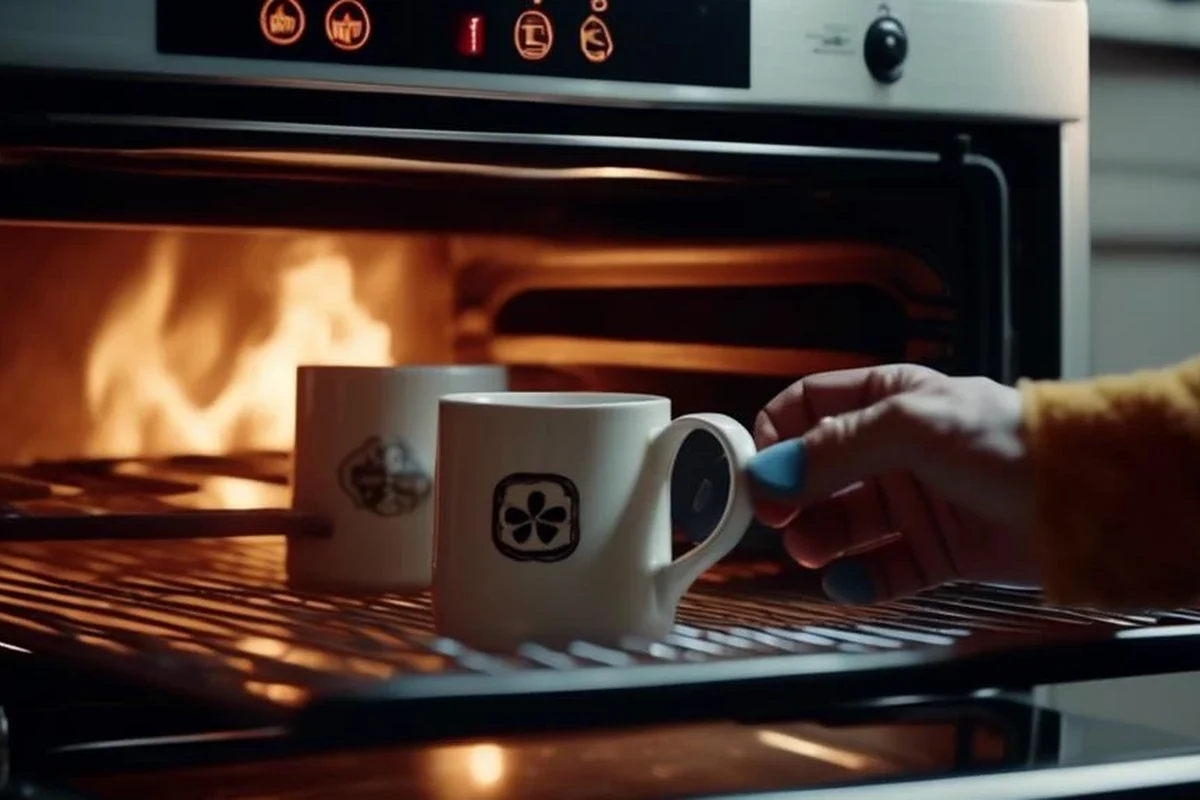
Sometimes, yes. But not all mugs are made for oven heat. A mug that works for hot coffee may still crack in a hot oven.
The safest rule is simple. Use only mugs marked oven-safe by the maker. If the label is missing, check the brand guide before you bake.
What “oven-safe” really means
Oven-safe means the mug can handle steady heat in a normal oven. It does not mean the mug can handle every temperature or every cooking style.
Some mugs can handle baking, but not broiling. Others can handle warm ovens but not sudden heat changes. The maker’s guide matters more than guesswork.
When a mug should never go in the oven
Never use a mug with metal trim, foil-like paint, or glued parts. These parts can heat unevenly or fail under oven heat.
A mug with cracks or chips should also stay out of the oven. Even a small flaw can turn into a break once the mug gets hot.
How to Tell If a Coffee Mug Is Oven Safe
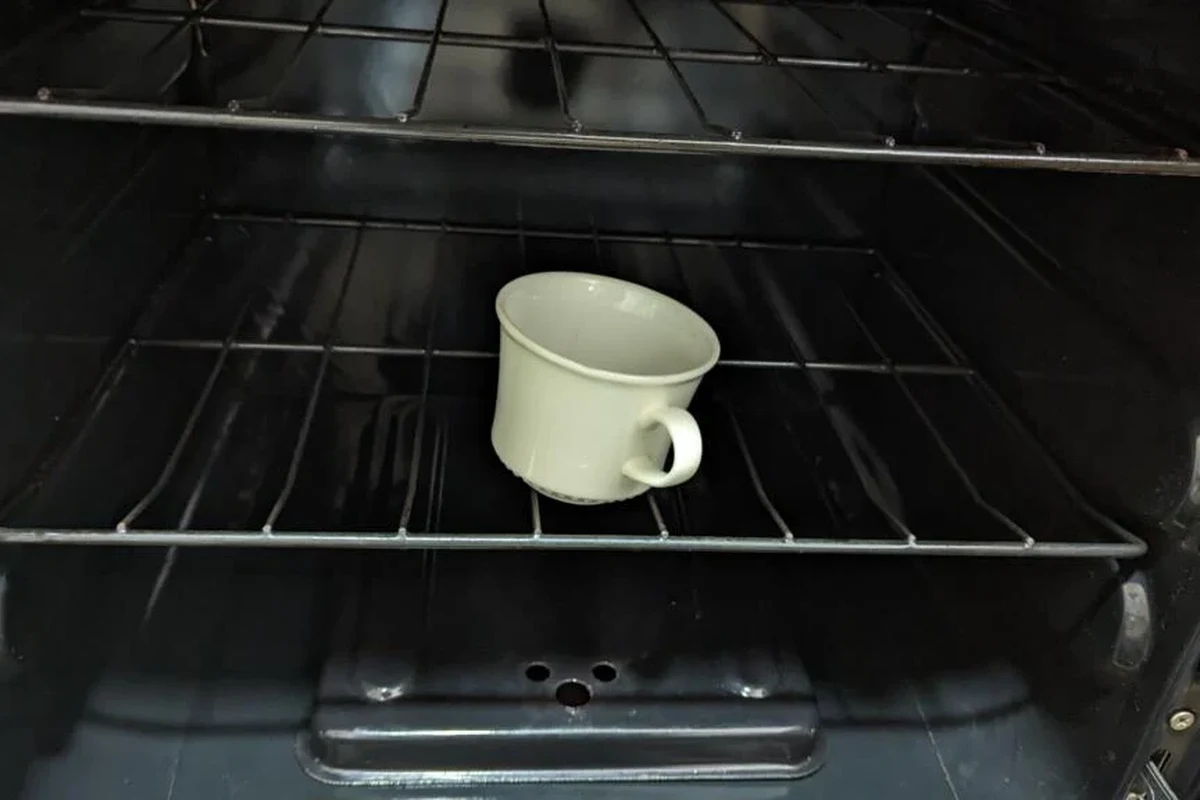
The best clue is the maker’s label. If the mug is safe for the oven, the brand often says so on the bottom or in the product guide.
If you cannot confirm it, do not assume it is safe. Many mugs are made for drinks, not baking.
Check the bottom stamp, label, or brand guide
Look under the mug for a stamp or symbol. Some makers print oven-safe notes there.
If that is unclear, check the box or the maker’s site. Product pages often list heat limits, care notes, and warnings.
Heat limits can vary by brand and even by mug line. A set of mugs may not all share the same oven rating.
Look for material clues like ceramic, stoneware, or glass
Material gives you a useful hint, but it is not the full story. Stoneware often handles oven use better than thin decorative mugs.
Ceramic and glass mugs may be oven-safe, but only when the maker says so. Shape and glaze matter too.
Watch for cracks, chips, metallic paint, or glued parts
Any damage raises the risk of breakage. Heat can push a weak spot past its limit.
Metallic paint and glued decorations are also a problem. They may not belong in a hot oven at all.
Which Mug Materials Handle Oven Heat Best
Material is one of the biggest clues. Still, the maker’s instructions always come first.
In general, thicker mugs handle oven use better than thin, delicate ones. Even then, you need to watch for sudden heat changes.
Stoneware mugs and why they often work well
Stoneware usually handles heat well because it is dense and sturdy. That makes it a common choice for mug cakes and baked eggs.
Still, not every stoneware mug is oven-safe. Some have glazes or shapes that make them more fragile in heat.
Ceramic mugs and their common limits
Ceramic mugs can work in the oven, but the range varies a lot. Some are fine for baking, while others are best for drinks only.
Thin ceramic can heat fast and crack more easily. Heavy ceramic usually gives you more room for error.
Glass mugs and the risk of sudden heat changes
Glass mugs can be tricky. They may handle oven heat, but they dislike fast temperature swings.
A cold glass mug moved into a hot oven can crack. The same risk shows up when you place a hot mug on a cold, wet counter.
Why travel mugs and insulated mugs usually do not belong in the oven
Most travel mugs are not oven-safe. Many use plastic lids, rubber seals, or vacuum walls that should not face oven heat.
Insulated mugs also trap heat in ways the oven does not need. That can damage the mug and create a safety risk.
How to Use Coffee Mugs in the Oven Safely and Smartly
Using a mug in the oven works best when you keep the heat gentle and steady. The goal is to warm or bake food without shocking the mug.
A little care goes a long way here. Most mug damage comes from fast changes, not from normal use alone.
Preheat rules and safe temperature ranges
Always follow the maker’s heat limit if you can find it. If you cannot, avoid high heat and keep the recipe modest.
Many mug recipes use moderate oven heat rather than very hot settings. That helps the mug warm more evenly.
- Start with a fully oven-safe mug only.
- Use moderate heat unless the maker allows more.
- Place the mug in the oven before heavy filling.
- Let the mug warm with the oven when possible.
How to avoid thermal shock
Thermal shock means the mug changes temperature too fast. That sudden shift can cause cracks or breaks.
To reduce the risk, avoid putting a cold mug into a very hot oven. Also avoid placing a hot mug on a cold, wet surface.
Best ways to place mugs on the oven rack or tray
Set the mug on a flat baking sheet if you want more stability. That also makes it easier to move the mug in and out.
Keep the mug centered and away from the rack edge. A steady base helps prevent spills and bumps.
- Use a dry baking sheet for support.
- Leave space around each mug.
- Use oven mitts when moving hot mugs.
- Do not set hot mugs on a wet counter.
- Do not crowd mugs together.
- Do not move them too fast after baking.
How long to heat food in a mug without damage
Time depends on the recipe, mug size, and oven type. A small mug cake may need only a short bake.
Check the food before you push the time much longer. Overbaking can dry out the food and stress the mug.
Best Uses for Oven-Safe Coffee Mugs
Oven-safe mugs shine in small-batch cooking. They work well when you want one serving and fast cleanup.
They are not a swap for every baking dish. But for the right job, they are very handy.
Single-serve mug cakes and quick desserts
Mug cakes are one of the most common uses. The mug holds the batter well and gives you a neat single portion.
Quick cobblers and warm desserts can also work. Just keep the fill level low enough to avoid overflow.
Baked eggs, custards, and small savory dishes
Some oven-safe mugs work well for baked eggs or small custards. They also suit tiny savory bakes with cheese or vegetables.
Use a mug with enough room for the food to rise. That helps prevent spills and uneven cooking.
Keeping drinks or toppings warm
An oven-safe mug can help keep a drink or topping warm for a short time. This works best with low heat and close watching.
Do not leave the mug in the oven longer than needed. Gentle warming is the goal, not a second cooking round.
When a Mug Works Better Than a Small Dish
Choose the mug when you want one portion and easy serving. Choose a dish when you need more room or more even heat.
Common Mistakes That Can Crack or Ruin a Mug
Most mug problems come from simple habits that seem harmless. A few small changes can help the mug last much longer.
Moving a cold mug into a hot oven too fast
This is one of the biggest risks. The mug expands too quickly and may crack.
If possible, let the mug come closer to room temp first. A slower start is safer.
Using mugs with decorative trims or weak glaze
Pretty mugs are not always practical mugs. Gold trim, metallic accents, and weak glaze can fail in heat.
If the mug looks delicate, trust that instinct. Save it for coffee, not baking.
Filling the mug too full or using thin batter
Overfilled mugs can spill in the oven. That makes a mess and can bake onto the mug’s rim.
Very thin batter can also bubble over fast. Leave headroom so the food can rise safely.
Putting a mug on a wet surface after baking
A hot mug on a wet counter can crack from the sudden chill. It can also slip.
Use a dry trivet, towel, or cooling rack instead. That small step helps a lot.
Cleaning, Care, and Storage After Oven Use
Good care keeps oven-safe mugs usable for longer. It also helps you spot damage before the next bake.
After a few uses, check the mug closely. Tiny flaws can grow over time.
How to cool mugs the right way
Let the mug cool on a dry, stable surface. Do not rush it with cold water.
Slow cooling lowers the chance of stress cracks. That is especially important for glass and thinner ceramic.
Best cleaning methods for baked-on food
Soak the mug in warm, soapy water if food sticks. A soft sponge usually works well.
Avoid harsh scrubbing tools that can scratch the glaze. Scratches can make later damage more likely.
Let the mug cool fully, then wash it with warm soapy water.
Check for hairline cracks, chips, and worn glaze before baking again.
How to store mugs so they last longer
Store mugs where they will not knock into hard dishes. Chips often start during storage, not during baking.
If you stack mugs, make sure they fit well. Too much pressure can stress the rim.
Final Verdict: When Using Coffee Mugs in the Oven Makes Sense
Using coffee mugs in the oven makes sense when the mug is clearly oven-safe and the recipe is small. It is a smart choice for mug cakes, baked eggs, and other single servings.
If you are unsure about the mug, use a ramekin or small baking dish instead. That is the safer pick for most home cooks.
Who should use oven-safe mugs
They are best for people who like quick, single-serve baking. They also work well when you want less cleanup.
They are a good fit for simple recipes and careful cooks. If that sounds like you, an oven-safe mug can be very useful.
When to choose a ramekin or baking dish instead
Choose a ramekin when you need a more standard bake shape. It is often a better match for even heating and easy recipe results.
Pick a baking dish for larger portions or fragile mugs. It gives you more room and less risk.
Simple takeaway for safe home baking
Check the label, avoid damage, and keep the heat moderate. Those three steps solve most mug-in-oven problems.
When in doubt, leave the mug out. A safe swap is always better than a cracked favorite cup.
- Only use mugs marked oven-safe by the maker.
- Skip cracked, chipped, metallic, or glued mugs.
- Use gentle heat and avoid sudden temperature changes.
- Ramekins are safer when you are not sure.
Frequently Asked Questions
No, only mugs marked oven-safe should go in the oven. If the maker does not say it is safe, treat it as unsafe.
Stoneware often handles oven heat well, but the maker’s guidance still matters most. Ceramic and glass can work too, but only when labeled oven-safe.
Avoid sudden temperature changes and do not place a cold mug into a very hot oven. Also skip mugs with chips, cracks, metallic trim, or glued parts.
Single-serve mug cakes, baked eggs, custards, and small savory bakes are good fits. Keep the mug only partly full so food can rise without spilling.
Let the mug cool fully, then wash it with warm soapy water and a soft sponge. Avoid harsh scrubbing that can damage the glaze.
Stop using it if you see cracks, chips, worn glaze, or loose decoration. If you cannot confirm oven safety, use a ramekin instead.