How to Make Gluten Free Pasta at Home Easily

Gluten free pasta is easy to make when you use the right flour blend, a binder, and enough moisture. Rest the dough, roll it gently, and cook it fast for the best result.
Making gluten free pasta at home is easier than many cooks expect. The key is to use the right flour blend, add a binder, and handle the dough with care. If you want fresh pasta that holds together and tastes better than many dry store-bought versions, this guide will walk you through it.
- Best base: Use a balanced gluten free flour blend, not one flour alone.
- Important helper: A binder helps the dough hold together while rolling.
- Texture tip: Resting the dough makes it easier to shape and cut.
- Cooking tip: Fresh gluten free pasta cooks fast, so watch it closely.
- Safety tip: Keep tools and surfaces clean to avoid gluten cross contact.
How to Make Gluten Free Pasta at Home
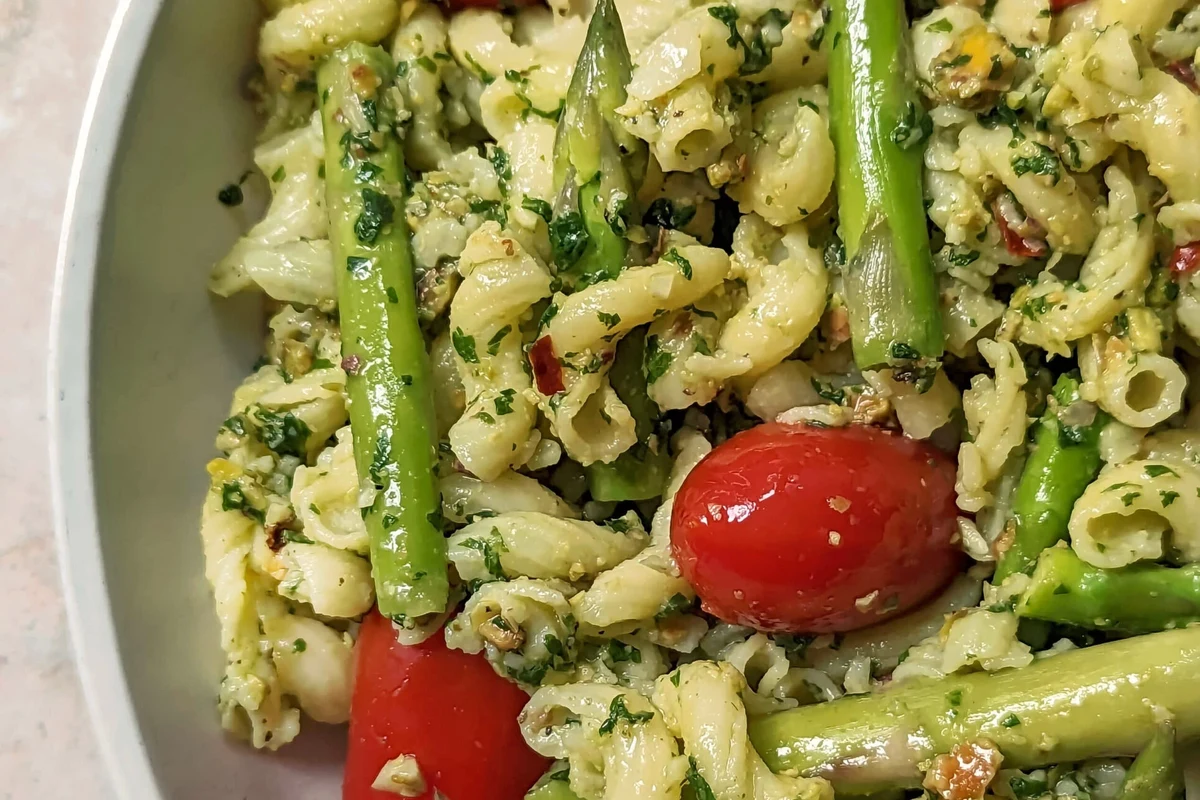
Gluten free pasta uses flours that do not contain wheat gluten. Since gluten gives regular pasta its stretch and chew, gluten free dough needs other ingredients to help it bind and roll well.
Most home cooks make it by mixing gluten free flour, a binder, eggs or water, and a little oil. Then they rest the dough, roll it, cut it, and cook it fast.
What gluten free pasta is and why people make it
Gluten free pasta is pasta made without wheat, barley, or rye. People make it for celiac disease, gluten sensitivity, or simple food choice.
It can also be a good option when you want to control the ingredients. That matters if you care about egg use, fiber, or a softer bite.
The simple answer: the basic process in plain terms
The process is pretty simple. Mix flour, binder, eggs or water, and oil into a dough.
Let it rest, roll it thin, cut it into strips or shapes, and cook it in salted water. The big trick is not to rush the dough.
What to expect from homemade texture and taste
Homemade gluten free pasta often tastes fresh and mild. The texture depends on the flour mix you choose.
It may feel a little more delicate than wheat pasta. That is normal. A soft, tender bite is often part of the charm.
Texture varies a lot by flour blend, egg use, and how thin you roll the dough. A dough that works well for fettuccine may not suit ravioli.
Ingredients You Need for Gluten Free Pasta
You do not need a huge ingredient list. But each ingredient has a job, and skipping one can make the dough harder to handle.
Best gluten free flours for pasta dough
Good pasta starts with a balanced flour blend. Many home cooks use a mix instead of one flour alone.
- Rice flour gives a light base and mild flavor.
- Tapioca starch adds stretch and a little chew.
- Potato starch helps with softness and structure.
- Sorghum flour adds a more wheat-like body.
- Chickpea flour adds protein and a stronger taste.
Some blends work better than others for different shapes. For long noodles, a smoother dough helps. For stuffed pasta, strength matters more.
Binders that help the dough hold together
Binders replace some of the structure that gluten would normally give. They help the dough stay together while you roll and cut it.
- Xanthan gum helps with stretch and binding.
- Guar gum can also improve dough hold.
- Psyllium husk adds flexibility and better shape.
Start with a small amount if your blend does not already include one. Too much binder can make the dough gummy.
Many gluten free pasta recipes use a binder because most gluten free flours do not stretch on their own.
Eggs, water, and oil: what each one does
Eggs add richness, color, and structure. They also help the dough feel smoother.
Water helps bring dry flour together. Oil can make the dough easier to knead and roll, but too much can weaken it.
If you avoid eggs, you can use water-based dough. Just expect a different texture and a bit less strength.
Step by Step Gluten Free Pasta Method
This method works for many basic pasta shapes. Keep the dough calm and the flour dusting light.
Mixing the dough the right way
Start by mixing the dry ingredients in a bowl. Then add the wet ingredients little by little.
Stir until the dough looks shaggy. After that, press it together with your hands. If it feels too dry, add a few drops of water.
Mix flour, binder, and salt until they look even.
Mix in eggs, water, and oil until the dough starts to form.
Press the dough into a ball. It should hold shape without crumbling.
Resting the dough so it becomes easier to roll
Resting helps the flour absorb moisture. It also gives the dough time to relax.
Wrap it and let it sit before rolling. This step often makes the dough less sticky and easier to shape.
Rolling, cutting, and shaping the pasta
Dust the work surface lightly with gluten free flour. Roll the dough between two sheets of parchment if it sticks too much.
Roll it thin, but not paper thin. Then cut it into noodles, sheets, or your favorite shape. If the edges crack, fold the dough and roll again.
- Cut the dough in smaller pieces for easier handling.
- Keep extra flour nearby, but use it sparingly.
- Work fast if the dough starts drying out.
Drying or cooking it right away
You can cook fresh gluten free pasta right away. That is often the easiest choice.
If you want to dry it first, keep the shapes separate and dry them fully before storing. Thick shapes usually need more drying time than thin noodles.
Fresh pasta cooks fast. Stay near the pot and check it often so it does not turn mushy.
Tools and Kitchen Setup That Help
You can make gluten free pasta by hand. Still, the right tools make the job smoother and less messy.
What you need for hand mixing and rolling
A bowl, fork, bench scraper, rolling pin, and clean counter are enough for basic pasta. A kitchen scale can also help if you want repeatable results.
For many home cooks, a simple setup works fine. You do not need a fancy pasta station to get good results.
When a pasta machine makes things easier
A pasta machine can help you get even sheets. That matters when the dough is fragile.
It can also save time if you make pasta often. Just follow the manual and keep the rollers clean and dry.
Helpful extras for clean shaping and cutting
Useful add-ons include a dough scraper, sharp knife, pasta cutter, and drying rack. A sheet of parchment can also help with sticky dough.
If your kitchen is small, choose tools that store easily. Compact gear often makes pasta night feel less like a project.
- Clear counter space
- Dry your tools well
- Keep extra flour nearby
- Have a pot of salted water ready
Common Mistakes and How to Fix Them
Most pasta problems come from moisture balance. The good news is that many of them are easy to fix.
Dough too dry or too crumbly
If the dough falls apart, it usually needs more moisture. Add water a few drops at a time.
You can also add a little more egg or oil, depending on the recipe. Mix again before adding more.
The dough breaks when you press it together.
Add water slowly and knead until the dough holds its shape.
Dough too sticky or too soft
If the dough clings to your hands, it may have too much liquid. Dust it lightly with more flour.
Let it rest for a few minutes before adding more flour. Sometimes the dough firms up on its own.
The dough sticks to the counter and rolling pin.
Use light dusting, then rest the dough before adding more flour.
Pasta that breaks, tears, or cooks badly
Tearing often means the dough was rolled too thin or was not rested long enough. It can also mean the binder level was too low.
If the pasta cooks badly, check the boil and timing. Gluten free pasta can go from firm to soft very fast.
- Rest the dough before rolling
- Use a balanced flour blend
- Cook in plenty of salted water
- Overworking fragile dough
- Rolling too thin too soon
- Walking away from the pot
Cooking, Storing, and Safety Tips
Fresh gluten free pasta needs careful cooking and safe storage. Small mistakes can affect both texture and food safety.
How long to cook fresh gluten free pasta
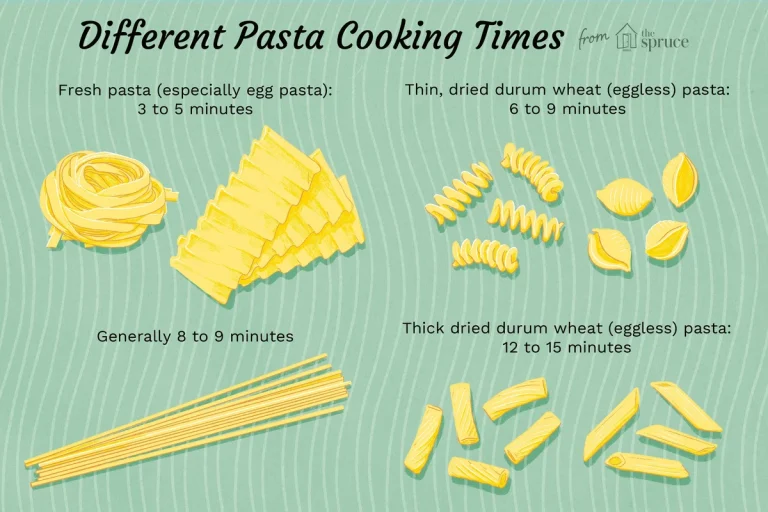
Cooking time depends on thickness and shape. Thin noodles may cook in just a few minutes, while thicker shapes take longer.
Test a piece early. It should feel tender, but still hold together. If it starts to fall apart, stop cooking right away.
How to store dough and cooked pasta
Store uncooked dough wrapped in the fridge for a short time if your recipe allows it. Cooked pasta should go into the fridge soon after cooling.
For best texture, reheat gently with sauce or a splash of water. Dry pasta shapes should be fully dry before storage.
Cross contact tips for gluten free kitchens
If you cook for someone who avoids gluten, watch for cross contact. Use clean bowls, clean tools, and a clean counter.
Do not use flour dust or tools that touched wheat unless they have been washed well. If celiac disease is involved, follow strict kitchen rules.
Always follow food safety rules for raw eggs, clean surfaces, and chilled storage. If a kitchen tool is damaged, stop using it.
Benefits, Limits, and Cost of Homemade Gluten Free Pasta
Homemade pasta can be rewarding, but it is not perfect for every cook. It helps to know both sides before you start.
Why homemade pasta can be worth it
You control the ingredients. That helps if you need egg-free, dairy-free, or specific flour blends.
Fresh pasta also gives you a softer, fresher taste. For many cooks, that alone makes it worth the effort.
Where homemade pasta falls short
It takes more time than opening a box. It also asks for more care during mixing and rolling.
Some gluten free doughs are fragile. That can frustrate beginners, especially on the first try.
Ingredient cost versus store bought pasta
Homemade pasta can cost less or more, depending on the flour blend you buy. Specialty flours and binders can raise the cost.
Store bought pasta saves time and gives more consistent results. Homemade pasta gives more control. The better choice depends on your budget and patience.
Best Ways to Serve Gluten Free Pasta
The right sauce can make gluten free pasta shine. Keep the toppings balanced so the pasta does not get overwhelmed.
Sauces that work well with fresh pasta
Simple sauces often work best. Think butter and herbs, olive oil and garlic, tomato sauce, or a light cream sauce.
Chunky sauces can also work, but they should not be too heavy for delicate noodles.
Simple meal ideas for weeknights
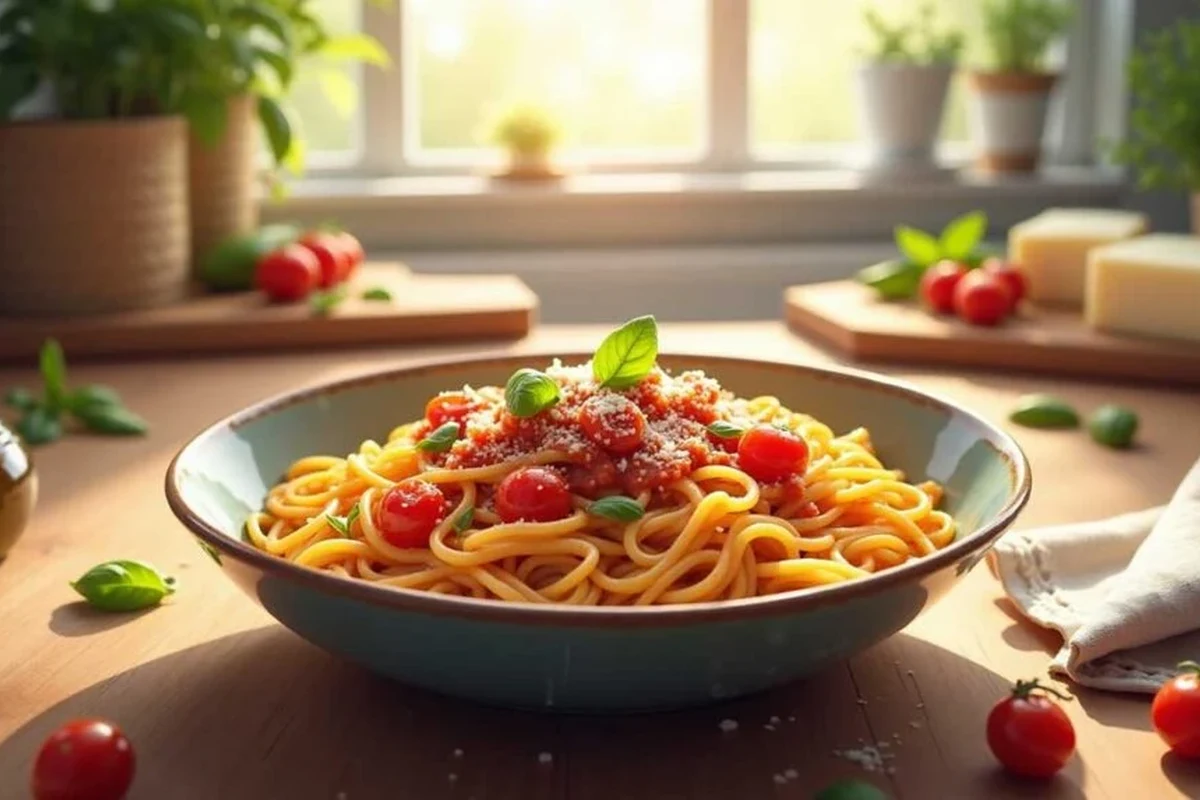
Try fresh pasta with marinara and parmesan. Or toss it with olive oil, lemon, and spinach.
You can also add roasted vegetables, cooked chicken, or beans for a fuller meal. That makes dinner feel easy, not fussy.
Final recommendation for home cooks in 2026
If you want the short answer, start with a balanced gluten free flour blend, a binder, and enough moisture. Then rest the dough and roll it gently.
For most home cooks in 2026, that is the best path to reliable gluten free pasta at home. If you want speed and less cleanup, store-bought pasta still has a place. But if you want fresh taste and more control, homemade is a smart choice.
- Use a balanced flour blend and a binder.
- Rest the dough before rolling and cutting.
- Cook fresh pasta fast and watch it closely.
- Keep gluten free tools and surfaces clean.
Frequently Asked Questions
A balanced blend usually works best. Rice flour, tapioca starch, and potato starch are common choices, and some recipes add sorghum or chickpea flour for more body.
Most gluten free pasta doughs need a binder to hold together. Xanthan gum, guar gum, or psyllium husk can help the dough roll and cut more cleanly.
Fresh gluten free pasta usually cooks fast, but the exact time depends on thickness and shape. Start checking after a few minutes and stop when it feels tender but still holds together.
Yes, but keep storage short and safe. Wrap dough well, refrigerate it if your recipe allows, and chill cooked pasta soon after it cools.
It often means the dough is too dry or missing enough binder. Add a little water at a time and mix until the dough holds its shape.
Simple sauces often work best because they do not overpower the pasta. Butter and herbs, olive oil and garlic, tomato sauce, or a light cream sauce are all good options.