Is Gluten Free Pasta Low Carb What You Need to Know

Usually not. Most gluten free pasta still has enough starch to keep the carb count fairly high.
Gluten free pasta is usually not low carb. Most versions still rely on starch-heavy ingredients like rice, corn, or legumes, so the carb count often stays close to regular pasta. If you want a truly low carb pasta option, you need to check the label very carefully.
That said, some gluten free pastas are lower in carbs than others. A few specialty options, like shirataki or certain veggie-based noodles, can fit low carb eating much better. The right choice depends on your diet goals, your taste preferences, and how strict you want to be.
- Gluten free does not mean low carb: Many versions still use rice, corn, or starch.
- Label reading matters: Check serving size, total carbs, fiber, and ingredients.
- Legume pasta is a middle ground: It often adds more protein and fiber.
- Shirataki is the lowest carb choice: It fits strict low carb plans better.
Is Gluten Free Pasta Low Carb? The Short Answer

The short answer is usually no. Gluten free pasta removes wheat gluten, but it does not remove starch or carbs.
Why the answer is usually no
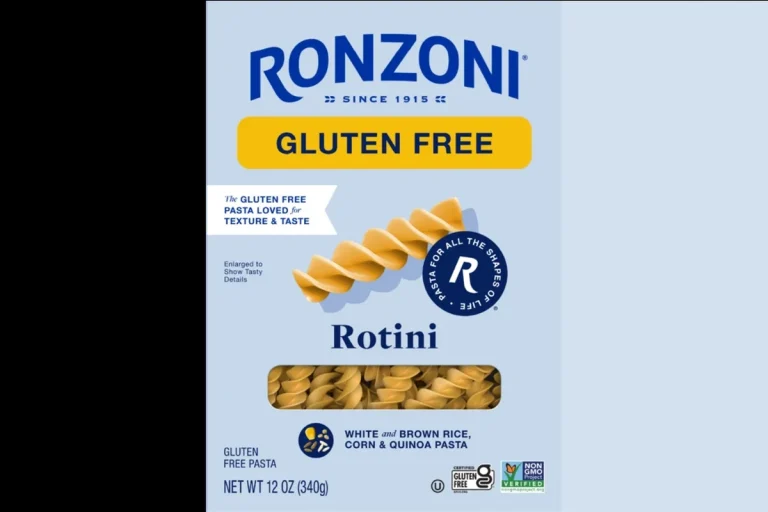
Most gluten free pasta uses rice flour, corn flour, or a mix of starches. These ingredients still break down into carbs.
So, a gluten free label tells you about gluten, not carb count. That’s the key point many shoppers miss.
Does gluten free pasta always have fewer carbs than wheat pasta?
No. Some brands are similar to regular pasta, and some are even higher. The only safe way to know is to check the nutrition label.
When a gluten free pasta can be lower in carbs
Some gluten free pasta products use legume flour, vegetable blends, or konjac-based ingredients. These can lower the carb count compared with standard wheat pasta.
Still, “lower” does not always mean “low.” For strict low carb or keto plans, you may need a very different pasta swap.
Carb counts vary by brand, shape, serving size, and added ingredients. Always read the package, not just the front label.
How Gluten Free Pasta Is Made

Gluten free pasta starts with a wheat-free base. The final carb count depends on what that base is made from.
Common base ingredients like rice, corn, and legumes
Many gluten free pastas use rice flour or corn flour. These are easy to shape and cook, but they still bring a fair amount of starch.
Other versions use chickpeas, lentils, black beans, or quinoa. These often add more protein and fiber, which can help balance the meal.
Legume pasta often feels more filling because it usually has more fiber than white rice pasta.
How ingredients change the carb count
Ingredients with more starch usually mean more carbs. Ingredients with more fiber or protein can lower the net carb impact.
For example, a rice-based pasta may act a lot like regular pasta in your meal plan. A lentil pasta may fit better if you want more protein and a bit less starch.
Gluten Free Pasta vs Regular Pasta
Gluten free pasta and regular pasta can look similar on the plate. But the nutrition profile can be quite different.
Carbs, fiber, and protein compared
Regular wheat pasta often has a familiar carb load and a modest amount of protein. Gluten free pasta can vary widely.
Here’s the simple rule:
- Rice and corn pastas often stay close to regular pasta in carbs.
- Legume pastas often add more protein and fiber.
- Shirataki noodles can be very low in carbs.
| Option | Best For | Key Consideration |
|---|---|---|
| Regular wheat pasta | Classic texture and taste | Usually not low carb |
| Rice or corn gluten free pasta | Gluten free eating | Often still high in carbs |
| Legume pasta | More protein and fiber | Carbs may still be moderate |
| Shirataki noodles | Very low carb diets | Texture is very different |
How texture and taste can differ
Regular pasta has a familiar chew. Gluten free pasta can be softer, firmer, or a little more fragile, depending on the base.
Legume pasta often has a stronger flavor. Shirataki noodles taste very mild, but the texture can surprise people the first time.
Which one fits different eating goals
If you only need to avoid gluten, many gluten free pastas work well. If you also want lower carbs, you need to narrow your choices more.
Rice, corn, or legume pasta can work well for everyday meals.
Shirataki or vegetable noodles usually fit better.
What to Check on the Label
The label tells you more than the front of the box. That’s where you find the real carb story.
Serving size and total carbs
Start with the serving size. Some boxes list a small dry portion that looks smaller than a real dinner plate serving.
Then check total carbs per serving. That number matters more than the gluten free claim on the front.
Fiber, net carbs, and added protein
Fiber can help lower net carbs, depending on how you track your food. Some shoppers also look at protein to see if the meal will feel more filling.
Added protein does not erase carbs, but it can improve the balance of the meal. That matters if you want steadier energy and less hunger later.
Hidden ingredients that can raise carbs
Watch for starches, flours, and fillers. These can push the carb count up fast.
If you manage diabetes, celiac disease, or another health condition, label reading matters even more. When in doubt, check with a dietitian or clinician.
Also check sauce mixes, seasoning packets, and flavored pasta blends. The pasta may be fine, but the extras can add more carbs than you expect.
Best Gluten Free Pasta Choices for Lower Carb Needs
If your goal is lower carbs, not every gluten free pasta belongs in the same group. Some are much better than others.
Legume pasta for more protein and fiber
Chickpea, lentil, and bean pastas are often a smart middle ground. They usually have more protein and fiber than rice pasta.
That can help with fullness. It can also make the meal feel more balanced, even if it is not truly low carb.
Legume-based gluten free pasta
This is a strong choice for people who want gluten free pasta with better protein and fiber. It still may not fit strict low carb plans, but it often feels more satisfying than plain starch-based pasta.
Vegetable-based pasta for fewer carbs
Some products use vegetables like zucchini, hearts of palm, or spaghetti squash style blends. These often cut carbs more than grain-based pasta.
They can taste lighter and cook faster. But they may not hold sauce the same way as wheat pasta.
Shirataki and other very low carb options
Shirataki noodles are among the lowest carb pasta-style options you can buy. They are made from konjac fiber, not grain.
These noodles can work well in stir-fries and saucy dishes. However, the texture is very different, so they are not a perfect stand-in for classic pasta.
- Rinse shirataki noodles well before cooking.
- Use a strong sauce for better flavor.
- Try small portions first if the texture is new to you.
Benefits and Limits of Gluten Free Pasta
Gluten free pasta has real value for many home cooks. But it also has limits, especially for low carb eaters.
Who may benefit most from gluten free options
People with celiac disease or gluten sensitivity may need gluten free pasta. Others choose it for family meals or personal preference.
It can also help when you want a familiar dinner that still fits a gluten free kitchen. That can make weeknight cooking easier.
Where gluten free pasta falls short for low carb diets
Many gluten free pastas still act like starch-based foods. They can raise carbs almost as much as regular pasta.
So, if your goal is keto or strict carb control, the gluten free label alone is not enough. You need a lower carb ingredient base.
Cost, taste, and cooking trade-offs
Gluten free pasta often costs more than basic wheat pasta. It can also cook differently, which means you may need to watch it closely.
Taste is another trade-off. Some brands are close to the real thing, while others need more sauce or seasoning to shine.
- Helps people avoid gluten
- Many options now taste much better
- Some versions add fiber and protein
- Often not low carb
- Can cost more
- Texture varies a lot by brand
Common Mistakes People Make
A few small mistakes can lead to disappointment. They can also make a low carb meal less effective than planned.
Assuming gluten free means low carb
This is the biggest mistake. Gluten free and low carb are not the same thing.
A pasta can be safe for gluten avoidance and still be too high in carbs for your goals. Always check the nutrition panel.
Overcooking and losing texture
Gluten free pasta can turn soft fast. Some brands fall apart if you leave them in boiling water too long.
Follow the package directions closely. Then taste early, since the best texture often comes a minute or two before the full time.
Forgetting sauce and toppings add carbs too
The pasta is only part of the meal. Sauce, breading, cheese blends, and toppings can all change the carb total.
- Check the whole meal, not just the pasta
- Use measured portions if you track carbs
- Choose sauces with simple ingredients
- Trusting the front label alone
- Overcooking delicate gluten free noodles
- Adding sugary sauces without checking carbs
Final Recommendation: Is Gluten Free Pasta Low Carb Enough for You?
For most people, gluten free pasta is not low carb enough on its own. It works best as a gluten free swap, not as a true low carb staple.
Best choice for gluten free eaters who want balance
If you want gluten free pasta and a better nutrition profile, choose a legume-based option first. It often gives you more protein and fiber than rice or corn pasta.
That is a solid middle path for everyday meals. It feels more filling and still gives you a familiar pasta dish.
Best choice for strict low carb or keto eaters
If you need very low carbs, go with shirataki or a vegetable-based noodle. These are much more likely to fit a strict carb target.
Gluten free pasta is usually not low carb enough by default. Choose legume pasta for a better balance, or pick shirataki and vegetable noodles if you need strict carb control.
In short, the best pasta for you depends on your main goal. If gluten is the issue, you have many good choices. If carbs are the issue, you need to shop with much more care.
Frequently Asked Questions
Usually no. Most gluten free pasta still uses rice, corn, or legume starch, so the carbs can stay fairly high.
Shirataki noodles and some vegetable-based noodles are usually the lowest carb options. Legume pasta is often lower than rice pasta, but not always very low carb.
Check the serving size, total carbs, fiber, and ingredient list. The front label can be misleading, so the nutrition panel matters most.
It can be better than rice or corn pasta because it often has more protein and fiber. But it still may not fit strict low carb or keto plans.
Yes, it often does. Texture and flavor vary by ingredient, and some brands need more sauce or careful cooking.
Shirataki noodles, vegetable noodles, or other very low carb swaps usually work better. These options are more likely to fit a strict carb target.