How to Spice Up Pasta Sauce Fast and Easily

Add red pepper flakes, garlic, herbs, cheese, or a little acid to build better flavor fast. Taste as you go so the sauce stays balanced and not too salty or hot.
If you want to know how to spice up pasta sauce fast and easily, start with a small boost of heat, herbs, or fat. The best fix depends on the sauce you already have, but a few simple add-ins can turn flat sauce into something much better in minutes.
- Start small: Add heat and seasoning in tiny steps.
- Use balance: Salt, acid, and fat can fix bland sauce.
- Match the sauce: Tomato, cream, and meat sauces need different add-ins.
- Avoid burning: Garlic and spices can turn bitter fast.
- Keep it simple: A few good ingredients beat a crowded sauce.
How to Spice Up Pasta Sauce Fast and Easily

The fastest way to improve pasta sauce is to add flavor in layers. Think heat, salt, fat, acid, and herbs. You do not need a long ingredient list.
For a quick upgrade, warm the sauce first. Then add one small change at a time. Taste after each step so you do not go too far.
Add a little, stir well, and wait 30 seconds before tasting again. Heat and salt can build fast.
That simple habit saves a lot of bad dinners. It also helps you keep the sauce balanced instead of just making it hotter.
What “Spice” Means in Pasta Sauce
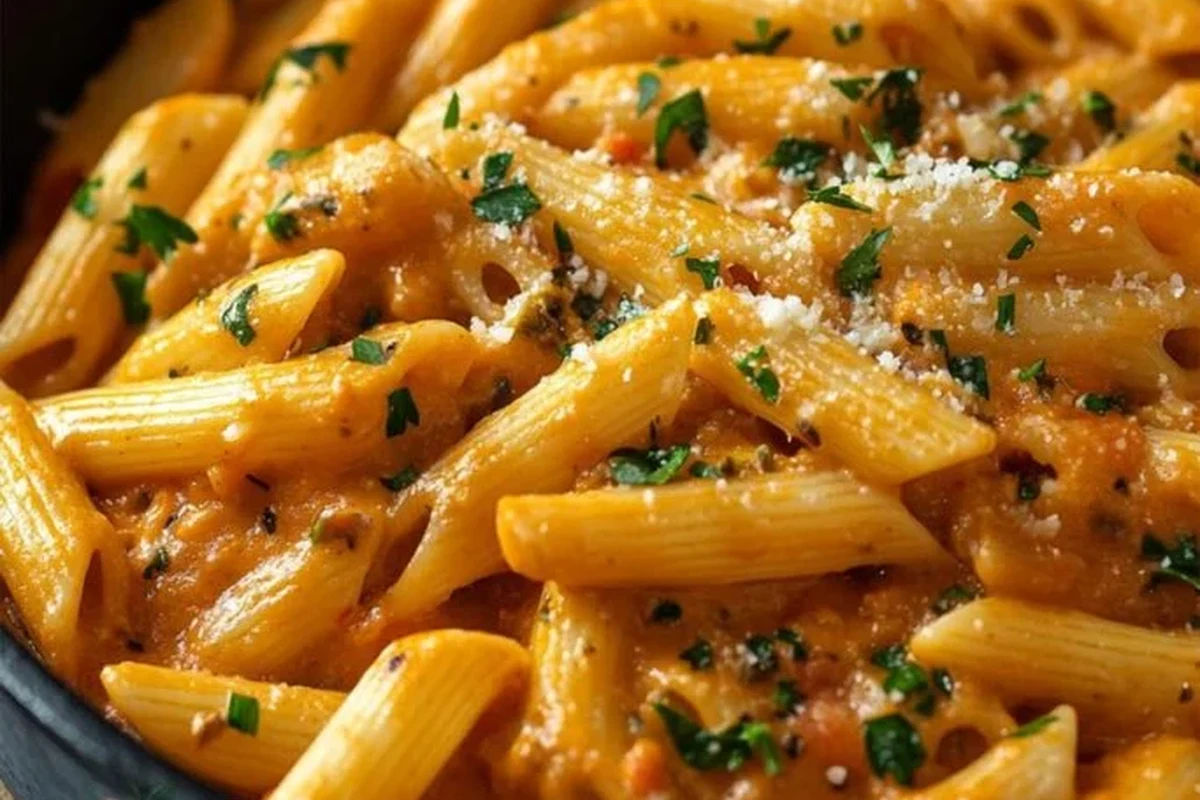
When people ask how to spice up pasta sauce, they often mean more than just chili heat. They may want stronger flavor, more depth, or a richer finish.
Heat, flavor, and balance
Heat comes from chilies, pepper flakes, or spicy oils. Flavor comes from herbs, garlic, onion, cheese, and good fat. Balance comes from salt and acid.
A sauce can taste spicy but still feel dull. It can also taste rich but not lively. The goal is to improve all three parts without hiding the base sauce.
Why some sauces taste flat
Many jarred and homemade sauces taste flat for the same reasons. They may need more salt, more acid, or a bit more fat. Sometimes the sauce just needs to simmer a little longer.
Low heat can also hide flavor. If the sauce never warms enough, the herbs and spices stay quiet. A short simmer often helps everything come together.
Fat helps carry flavor. A little olive oil or butter can make herbs and spices taste stronger.
Best Fast Ways to Add More Flavor
If you need a quick fix, start with the easiest pantry items. Most home cooks already have at least one of these on hand.
Red pepper flakes and chili oil
Red pepper flakes give steady heat and a light smoky bite. Chili oil adds heat plus extra flavor from the oil itself. Both work well in tomato-based sauces.
Use a small amount first. You can always add more, but you cannot take it back once it gets too hot. If you want a gentle kick, stir in the flakes and let the sauce sit for a minute.
Garlic, onion, and herbs
Garlic and onion bring a deeper savory taste. Dried oregano, basil, thyme, and Italian seasoning can also help. These are easy ways to make sauce taste more complete.
If you use fresh garlic, cook it gently. Burned garlic tastes bitter fast. Add minced garlic to warm oil for a short time, then add the sauce.
Do not let garlic or dried spices scorch. Burnt bits can make the whole sauce taste harsh.
Cheese, butter, and olive oil
Cheese adds salt and savory depth. Butter makes tomato sauce feel smoother. Olive oil can round out sharp edges and give the sauce a fuller mouthfeel.
These are not just for creamy sauces. Even a plain tomato sauce can taste better with a small knob of butter or a spoon of grated cheese. Use a light hand if the sauce already feels rich.
Acid, salt, and a touch of sugar
Acid wakes up dull sauce. A splash of lemon juice or a little vinegar can brighten tomatoes. Salt helps every other flavor show up more clearly.
A tiny bit of sugar can help if the sauce tastes too sharp or acidic. That said, sugar should not hide weak flavor. It should only smooth the edges.
Jarred sauces vary a lot by brand and style. Some need more acid, while others need more salt or herbs.
How to Choose the Right Add-Ins for Your Sauce
The best add-ins depend on the sauce type and the heat level you want. A creamy sauce needs a different fix than a plain tomato sauce.
Tomato sauce, cream sauce, and meat sauce
Tomato sauce usually likes chili flakes, garlic, basil, oregano, and a little acid. Cream sauce often benefits from black pepper, nutmeg, garlic, or Parmesan.
Meat sauce often needs more herbs, onion, and a bit of heat. It can also take a touch of wine or broth if the sauce tastes too heavy. Keep the balance in mind so the meat still shines.
Mild, medium, and hot heat levels
Think about who will eat the pasta. Mild heat works for kids and heat-shy guests. Medium heat suits most dinner tables. Hot heat is best when everyone wants real spice.
If you cook for a mixed group, keep the base sauce mild. Then offer chili oil or red pepper flakes at the table. That way, each person can adjust their own bowl.
Fresh ingredients vs pantry staples
Fresh herbs, garlic, and onion bring a bright, lively taste. Pantry staples are faster and often more reliable on a busy night. Both can work very well.
Fresh ingredients are worth it when you want a cleaner, fresher flavor. Pantry items are better when speed matters. For many weeknight meals, a mix of both gives the best result.
Simple Flavor Boost Combinations That Work
Sometimes the easiest answer is a small combo, not a single ingredient. These pairings are simple, fast, and hard to mess up.
Classic Italian-style upgrade
Try garlic, oregano, basil, olive oil, and a little Parmesan. This works well for plain tomato sauce. It gives the sauce a familiar, balanced taste.
If the sauce still feels thin, simmer it for a few more minutes. A short cook can help the herbs blend in and soften the sharp edges.
Spicy weeknight shortcut
Use red pepper flakes, garlic powder, a pinch of salt, and a spoon of chili oil. This is great when dinner needs to move fast. It adds heat without a lot of prep.
This combo works best with jar sauce or leftover sauce. It is simple, but it still tastes thoughtful if you taste as you go.
Rich and creamy finish
Stir in butter, a little cream, black pepper, and Parmesan. This makes tomato sauce feel smoother and more filling. It also softens sharp tomato notes.
Use low heat once you add dairy. High heat can make some cream sauces separate or look grainy. Gentle heat keeps the texture better.
Bold, smoky, and savory twist
Try smoked paprika, onion powder, a little red pepper, and olive oil. This gives the sauce a deeper, more savory taste. It works well when you want something less classic.
This style is nice with sausage, mushrooms, or roasted vegetables. It can make a simple bowl of pasta feel more like a full meal.
- Stir in seasonings while the sauce is warm.
- Taste after each small change.
- Let the sauce rest for a minute before serving.
- Use pasta water if the sauce feels too thick.
Common Mistakes to Avoid
Small changes can help a lot. But a few common mistakes can ruin the sauce just as fast.
Adding too much heat too soon
Hot spices build up over time. A sauce that tastes mild at first can become very hot later. Start small and wait before adding more.
This matters even more with chili oil and hot pepper flakes. They keep spreading through the sauce as it sits.
Over-salting or over-sweetening
Salt and sugar are useful, but too much can throw off the whole dish. If you add too much salt, it is hard to fix. If you add too much sugar, the sauce can taste heavy.
Use tiny amounts. Then taste again. If the sauce still feels flat, try acid or herbs before adding more sugar.
Burning garlic or spices
Garlic burns quickly in hot oil. Ground spices can also scorch if the pan is too hot. Burned flavor spreads through the whole sauce.
Keep the heat moderate. If you smell sharp bitterness, slow down right away. It is much easier to prevent burnt flavor than to cover it up.
Masking sauce instead of improving it
Some cooks add so many ingredients that the original sauce disappears. That can leave you with a muddy taste. It is better to improve the base than bury it.
Think of each add-in as support. The best sauce still tastes like pasta sauce. It just tastes fuller, brighter, and more alive.
Cost, Convenience, and Pantry Value
The good news is that many strong flavor boosts cost very little. You do not need fancy ingredients to make a big difference.
Cheap upgrades that go a long way
Red pepper flakes, dried herbs, garlic powder, onion powder, olive oil, and salt are budget-friendly staples. A little of each can last through many meals. That makes them smart pantry buys.
Butter and cheese can also help, but use them where they make sense. A small amount can change the feel of the sauce without making it heavy.
When fresh ingredients are worth it
Fresh basil, parsley, garlic, and onion are worth buying when you want a brighter finish. They matter most in simple sauces with few ingredients. In those cases, freshness stands out.
If you are cooking a quick weeknight pasta, pantry items may be enough. If you want a more special dinner, fresh herbs can make the dish taste more complete.
Final Recommendation: The Best Way to Spice Up Pasta Sauce
The best way to spice up pasta sauce is to start with one heat source, one savory add-in, and one balance fix. For most people, that means red pepper flakes, garlic or herbs, and a little salt, acid, or cheese.
If you want the safest, easiest path, taste the sauce first. Then add small amounts and build slowly. That gives you better control and a better final bowl.
- Start with small changes, not big ones.
- Use heat, herbs, fat, and acid together.
- Match the add-ins to the sauce type.
- Taste often so the sauce stays balanced.
In short, the fastest fix is not one magic spice. It is a smart mix of a few simple ingredients that work together.
Frequently Asked Questions
Start with red pepper flakes, garlic, or chili oil. Then add a little salt or cheese if the sauce still tastes flat.
Add a little butter, olive oil, or Parmesan for a fuller taste. A short simmer can also help the flavors blend.
Add heat slowly and taste after each small step. If the sauce gets too hot, more sauce, dairy, or a little sweetness can soften it.
Oregano, basil, garlic, onion powder, black pepper, and red pepper flakes are all solid choices. Use small amounts so the sauce stays balanced.
Yes, fresh herbs, garlic, and onion can give a brighter taste. Pantry spices are faster and still work well on busy nights.
Try salt first, then acid like lemon juice or vinegar, then herbs or cheese. A bland sauce often needs balance more than extra heat.