Why Brew Coffee with Cold Water for Better Flavor

Cold water makes coffee smoother, less bitter, and often sweeter. It is a great choice if you want an easy, mellow cup and can wait for steeping time.
If you want smoother coffee with less bite, cold water is a smart choice. It slows extraction, which can lower harsh acids and bitter notes while letting sweeter flavors shine.
- Smoother flavor: Cold water usually pulls less bitterness and sharp acid.
- Best grind: Coarse grounds help with clean filtering and better taste.
- Steep time matters: Too short tastes weak, and too long can taste flat.
- Fresh ingredients help: Good beans and clean water improve the final cup.
Why Brew Coffee with Cold Water for Better Flavor
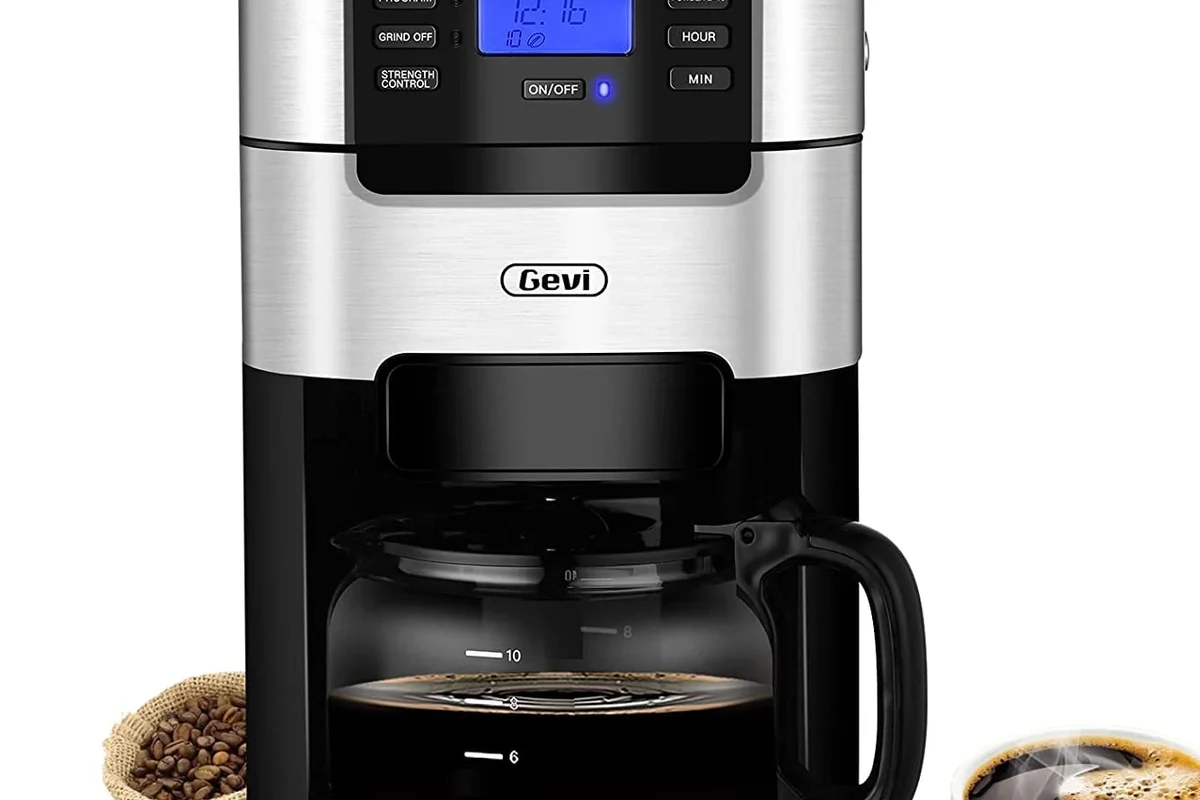
Cold water brewing works well when you want a mellow cup. It pulls flavor from coffee more slowly than hot water, so the drink often tastes softer and less sharp.
That slower pace changes what ends up in the cup. Many people like it because the coffee feels cleaner, sweeter, and easier to drink black.
In short, cold water is best when you care more about taste balance than fast brewing.
How Cold Water Changes the Brew
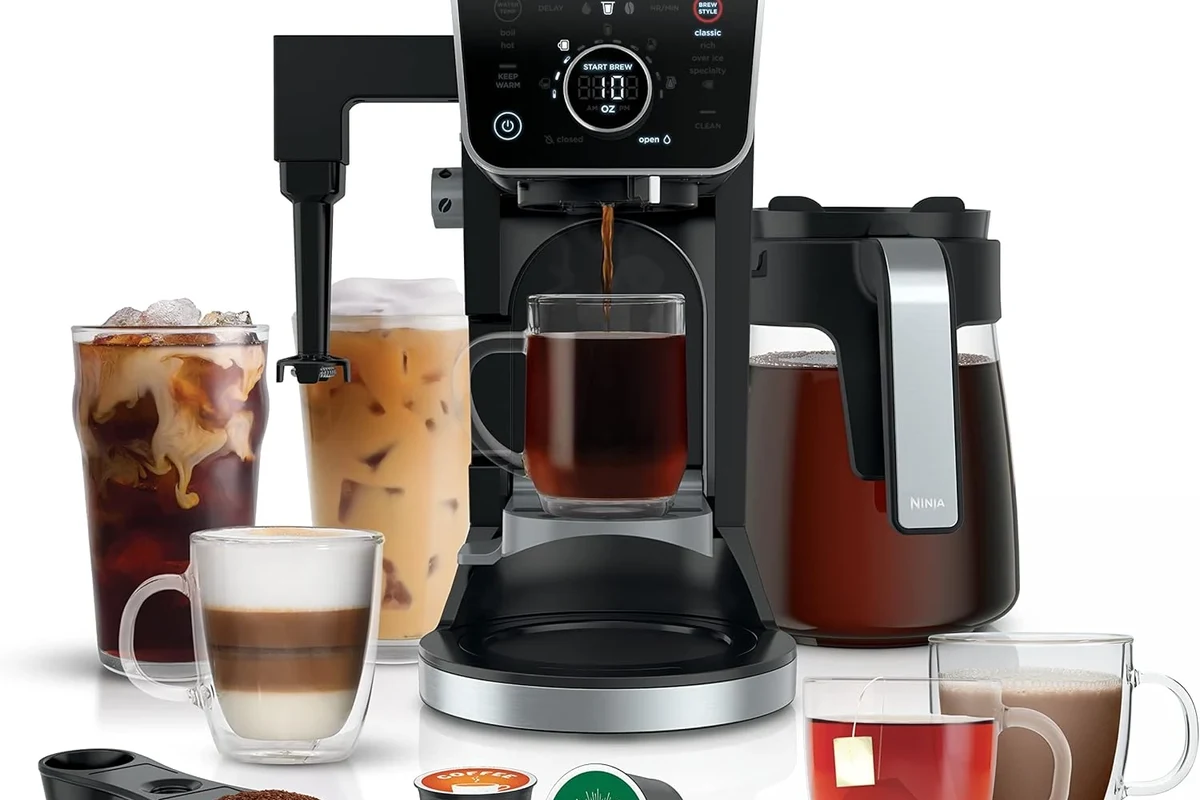
Cold water affects extraction in a simple way. It does not pull flavor compounds as fast as hot water, so the brew develops more slowly and often more evenly.
What happens during slow extraction
When coffee sits in cold water, the water has more time to work through the grounds. This long soak gives the liquid time to pick up flavor without rushing out as many harsh compounds.
That is why cold brew often tastes round and calm. It can feel less punchy than hot coffee, but many drinkers see that as a plus.
Why cold water pulls less acid and bitterness
Hot water can draw out more acids and bitter compounds. Cold water tends to bring out fewer of those sharp edges, which can make the cup taste gentler.
That does not mean cold brew has no acid at all. It just usually tastes less bright and less biting than a hot pour-over or drip cup.
Cold brew often tastes sweeter because your tongue notices less bitterness in the cup.
The Flavor Benefits You Can Expect
Cold water brewing is popular for a reason. It can make coffee easier to enjoy without cream, sugar, or flavored syrups.
Smoother taste and lower sharpness
The biggest benefit is smoothness. Cold brew often feels softer on the tongue and less harsh in the finish.
For people who find hot coffee too sharp, this can be a big win. It is also a nice choice for iced drinks because the flavor stays calm after chilling.
Sweet notes that stand out more clearly
Cold water can help sweet and nutty notes show up more clearly. You may notice chocolate, caramel, or mild fruit tones more easily.
Those flavors do not get hidden as much by strong heat. That is one reason many home brewers use medium or dark roasts for cold brew.
When cold brew tastes cleaner than hot brew
Cold brew can taste cleaner when the beans are fresh and the grind is right. It also helps when you filter the coffee well.
If the brew tastes muddy, the issue is often the grind, the steep time, or the filter. It is not always the water temperature alone.
What You Need for a Good Cold Water Brew
You do not need fancy gear to make cold brew at home. A jar, a filter, and decent coffee can be enough.
Best coffee grind size and bean choice
A coarse grind usually works best. Fine grounds can make the brew cloudy and hard to filter.
Bean choice matters too. Medium and dark roasts often taste smooth in cold brew, but lighter roasts can work if you want more fruit and zip.
Water quality, ratio, and steep time
Good water helps the coffee taste clean. If your tap water has a strong taste, filtered water may improve the result.
The coffee-to-water ratio depends on how strong you want the brew. You can adjust it later, but a balanced starting point makes the first batch easier.
Basic tools for home brewing
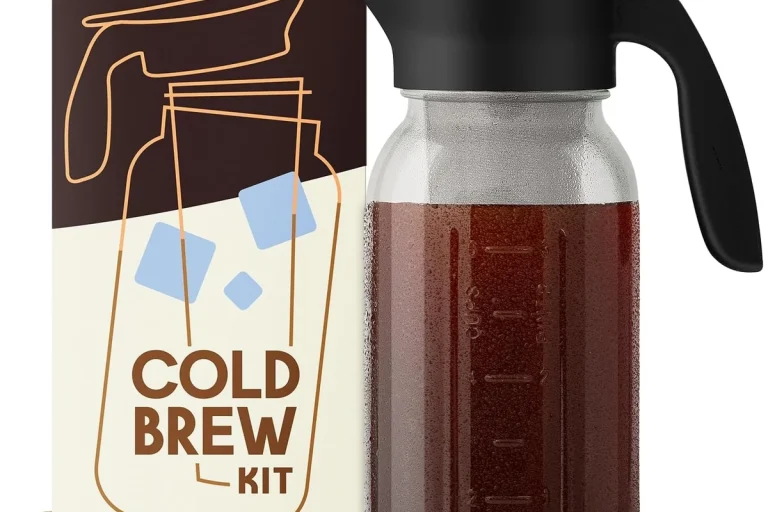
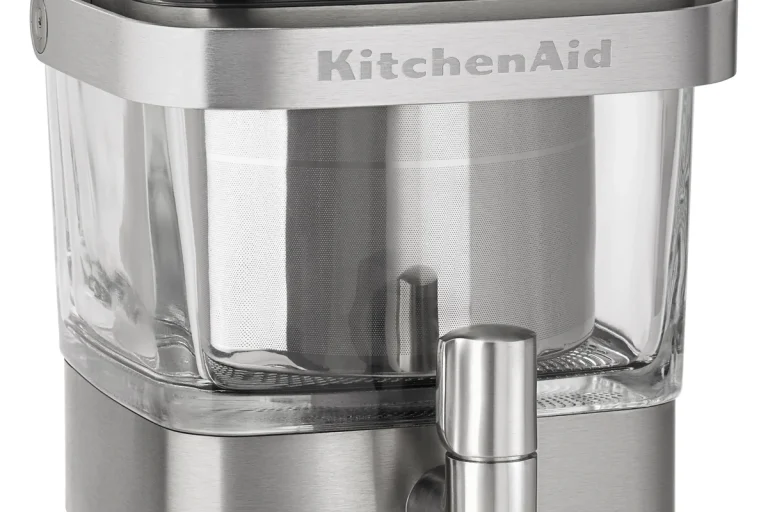
Many people use a mason jar, a pitcher, or a dedicated cold brew maker. A fine mesh strainer, paper filter, or reusable filter can all work.
Note
Different brewers can change the final taste and cleanup time. Check the maker’s manual for filter care and capacity limits.
How to Brew Coffee with Cold Water at Home
The method is simple. Mix coffee and water, let it steep, then strain it well.
Simple cold brew method step by step
Use coarse grounds so the brew stays easy to filter.
Wet all the grounds so they soak evenly.
Keep it covered while the coffee extracts slowly.
Remove the grounds fully for a cleaner cup.
Common recipe ratios for strong or mild coffee
A stronger batch uses more coffee for the same amount of water. A lighter batch uses less coffee and tastes more diluted.
If you like to drink it over ice, a stronger concentrate can work well. If you want ready-to-drink coffee, a milder ratio may be easier.
How long to steep for the best taste
Most cold brew needs several hours to steep. Many home recipes fall somewhere around overnight to a full day.
The best time depends on the grind, the ratio, and your taste. Short steeps can taste weak, while very long steeps can taste dull or heavy.
Common Mistakes That Hurt Flavor
Cold brew is forgiving, but a few mistakes can still ruin the cup. The good news is that most of them are easy to fix.
Using the wrong grind size
Fine grounds often make cold brew gritty and overworked. They can also clog filters and leave sediment behind.
A coarse grind gives water room to move through the coffee. That usually leads to better flavor and easier cleanup.
Steeping too long or too short
Too short, and the coffee can taste thin. Too long, and it may turn flat, woody, or overly strong.
If your brew keeps missing the mark, change the steep time in small steps. That is usually better than making a big jump.
Using stale beans or poor water
Old coffee beans can taste flat before you even start. Cold water cannot bring back flavor that is already gone.
Water matters too. If the water tastes off, the brew will likely taste off as well.
- Grind just before brewing when you can.
- Filter well for a cleaner finish.
- Adjust one variable at a time.
Safety, Storage, and Cleaning Tips
Cold brew is simple, but safe storage and clean tools still matter. Coffee can spoil or pick up off flavors if you leave it too long.
Follow your brewer’s manual and food-safety guidance. Stop using any cracked jar, damaged filter, or unsafe container.
How to store cold brew safely in the fridge
Store finished cold brew in a clean, covered container in the fridge. That helps slow spoilage and keeps the flavor fresher.
If you make concentrate, label it if needed so you know when it was brewed. That makes it easier to track freshness.
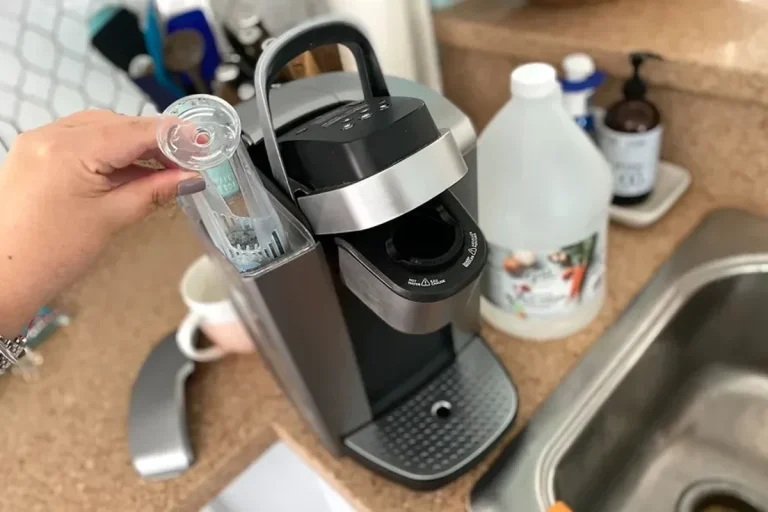
How to clean makers, filters, and jars
Rinse used grounds out right away. Coffee oils can cling to filters, lids, and jars if you wait too long.
Dump grounds, rinse parts, and wash with warm soapy water.
Check seals, screens, and lids for buildup or wear.
Let parts dry fully before storing them. That helps reduce odors and mold risk.
When to throw out old cold brew
Throw it out if it smells sour, looks cloudy in a bad way, or tastes off. When in doubt, do not keep drinking it.
Freshness depends on the recipe and fridge conditions, so there is no single perfect rule. Use your senses and common sense.
Is Brewing with Cold Water Worth It?
For many coffee drinkers, yes. Cold water brewing gives you a smooth cup with less bitterness and a softer edge.
Best for people who like smooth coffee
If you enjoy iced coffee, low-sharpness flavor, or easy sipping, cold brew is a great fit. It is also useful if hot coffee feels too harsh.
It can be a smart choice for busy mornings too. You make it ahead, then pour when you need it.
Limits compared with hot brewing methods
Cold brew is not the best pick if you want bright acidity or a fast cup. Hot brewing can show more aroma and sharper flavor notes.
It also takes planning. You need time, fridge space, and a clean container before you can drink it.
Final recommendation for Red Kitchen Project readers
If your goal is better flavor through smoothness, cold water is worth trying. Start with a coarse grind, a simple ratio, and a short, careful test batch.
Final Verdict
Cold water brewing is best for people who want mellow, sweet coffee with less bitterness. If you prefer bright, fast, hot coffee, a hot method may suit you better.
Frequently Asked Questions
A coarse grind usually works best. Fine grounds can make the brew muddy and harder to filter.
Start with a balanced ratio and adjust based on taste. Stronger batches use more coffee, while milder batches use less.
Yes. Cold brew needs much more time because extraction happens slowly. Many recipes steep for several hours to a full day.
Use coarse grounds, fresh beans, clean water, and a proper steep time. Over-steeping and fine grinds often create harsh flavors.
Rinse parts right after use, then wash them with warm soapy water. Let everything dry fully before storing it.
Freshness varies by recipe and storage, so use your senses. If it smells sour, looks off, or tastes bad, throw it out.