How Much Dry Pasta Is 2 Cups Cooked Easy Guide

About 2 ounces, or 56 grams, of dry pasta usually makes 2 cups cooked. The exact amount can vary a little by shape, brand, and cook time.
If you’re asking how much dry pasta makes 2 cups cooked, the usual answer is about 2 ounces of dry pasta, or roughly 56 grams. That said, the exact amount can shift a little by shape, brand, and how long you cook it.
- Best rule: Start with 2 ounces dry pasta for 2 cups cooked.
- More accurate method: Weigh pasta instead of relying on cups.
- Shape matters: Long and short pasta can measure differently.
- Prevent waste: Measure before cooking and scale up only when needed.
How Much Dry Pasta Is 2 Cups Cooked? Quick Answer for Home Cooks
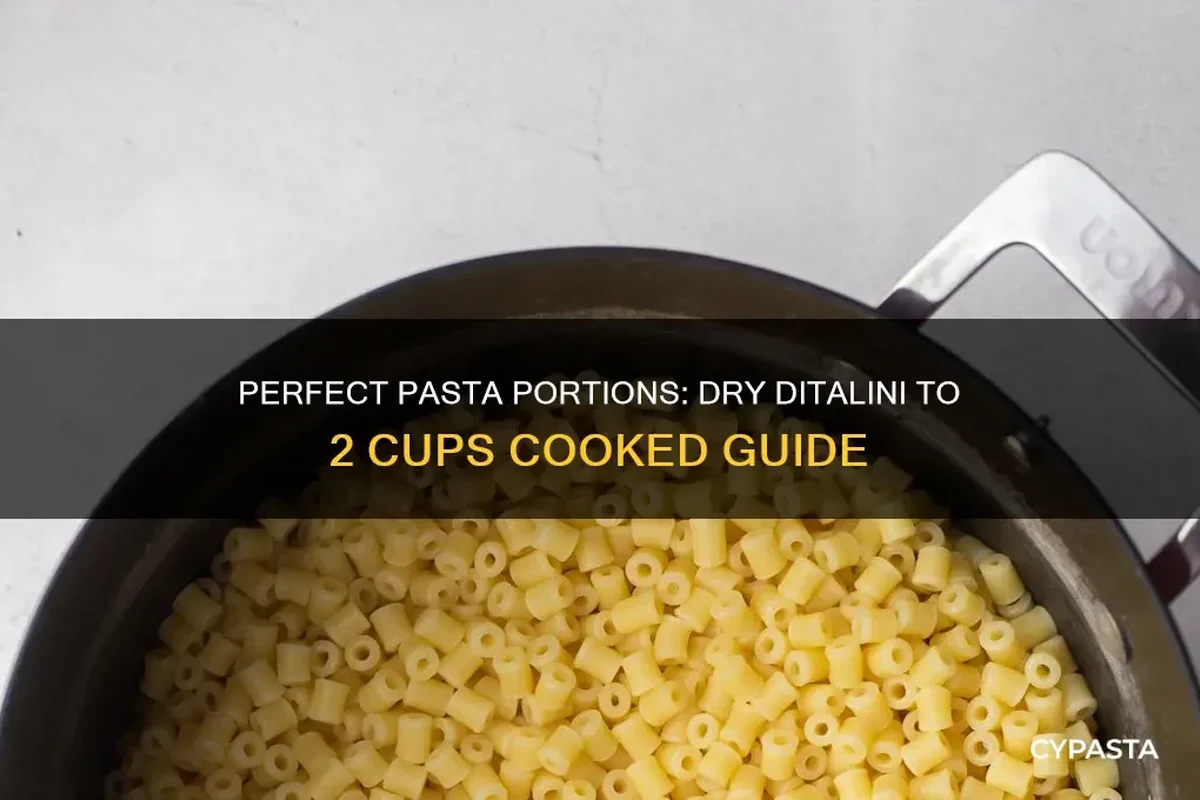
For most pasta shapes, 2 cups cooked comes from about 2 ounces of dry pasta. That is the standard starting point for one modest serving or a small side dish.
Long pasta like spaghetti often follows this rule closely. Short pasta like penne or macaroni can vary a bit more because the pieces pack into a cup differently.
Is 2 cups cooked pasta always the same as 2 ounces dry pasta?
No, not exactly. It is a helpful rule of thumb, but shape, water uptake, and cook time can change the final yield.
What 2 Cups Cooked Usually Means by Pasta Shape
Two cups cooked pasta often looks like one serving for a single person. For a side dish, it may serve one to two people, depending on what else is on the plate.
Here is a simple way to think about it:
- Spaghetti and linguine often match the 2-ounce dry rule well.
- Penne and rigatoni can seem fuller in a cup after cooking.
- Small shapes like elbows may pack more tightly in measuring cups.
Serving size changes with appetite, sauce, and whether pasta is the main dish or a side.
Why the Answer Changes a Little from Brand to Brand
Different brands use different wheat blends, shapes, and drying methods. Those changes affect how much water the pasta absorbs.
Even the same shape can cook up a little differently from one box to the next. That is why cup measurements are useful, but not perfect.
Dry to Cooked Pasta Ratio Explained
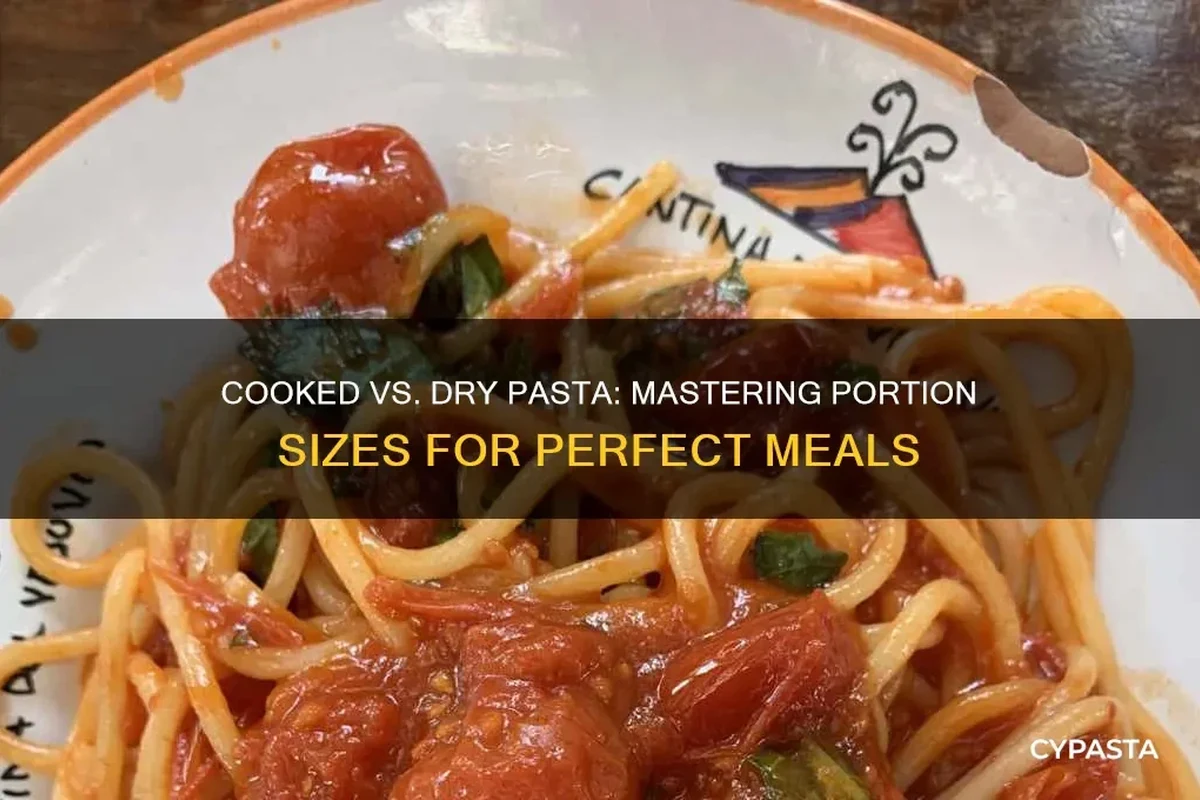
Pasta usually grows as it cooks because it absorbs water. That is the whole reason 2 ounces dry can become about 2 cups cooked.
The ratio is not exact, but it gives home cooks a reliable starting point. If you cook pasta often, this becomes one of the easiest kitchen shortcuts to remember.
How Pasta Absorbs Water During Cooking
Dry pasta starts hard and compact. As it heats in water, the starches soften and swell.
That swelling adds volume. It also changes the texture, which is why timing matters so much.
Pasta keeps absorbing a little moisture after draining, especially if you add sauce right away.
Typical Yield for Long Pasta, Short Pasta, and Small Shapes
Most dry pasta doubles or more than doubles in volume after cooking. Long noodles usually give the most predictable result.
Short shapes can be trickier because cup measurements depend on how the pieces settle. A loose cup and a packed cup are not the same.
| Shape | Usual Dry Amount for 2 Cups Cooked | What to Watch |
|---|---|---|
| Spaghetti | About 2 ounces | Use a pasta measurer or kitchen scale |
| Penne | About 2 ounces | Do not pack the cup too tightly |
| Macaroni | About 2 ounces | Small pieces settle fast in a cup |
When a Kitchen Scale Gives a Better Result Than Cups
A scale gives the cleanest answer when you want repeatable results. It helps most when you cook for meal prep or track portions.
Cups work fine in a pinch. Still, weight is more accurate because pasta shape can change how much fits in a cup.
If you cook pasta often, weigh a few common portions once and write them down.
How to Measure the Right Amount of Dry Pasta
The best method depends on what tools you have. A scale is best, but you can still get close with cups or simple portion tricks.
Measuring by Weight for Best Accuracy
For 2 cups cooked pasta, start with about 2 ounces, or 56 grams, of dry pasta. That is the most dependable home-cook shortcut.
Use weight whenever the recipe needs a precise amount. It is especially helpful for sauces that need a specific pasta ratio.
Measuring by Volume When You Do Not Have a Scale
If you do not have a scale, use the package guidance when possible. Many brands list a serving size that works well for one person.
For long pasta, a bundle about the width of a quarter often lands near one serving. For short pasta, keep the cup loose and level, not packed down.
Simple Portion Tips for Spaghetti, Penne, and Macaroni
These quick guides can help when you are cooking by eye:
- Spaghetti: Use a pasta measurer or a small bundle.
- Penne: Fill the cup loosely, then level it off.
- Macaroni: Spoon it in gently, then avoid pressing it down.
- Measure dry pasta before cooking, not after.
- Use the same cup each time for better repeat results.
- Taste near the end, since pasta firms up as it cools.
Common Mistakes That Change Pasta Yield
Small cooking mistakes can change how much pasta you end up with. Some errors affect texture, while others change the final volume.
Overcooking or Undercooking the Pasta
Overcooked pasta can feel softer and may seem slightly heavier after draining. Undercooked pasta may not expand fully.
For the best result, cook until just tender. Then drain it soon after, unless the recipe says otherwise.
Using Too Much or Too Little Water
Too little water can make pasta stick and cook unevenly. Too much water usually does not hurt the yield, but it can waste time and energy.
The main goal is enough water for the pasta to move freely. That helps it cook evenly and gives a better final texture.
Always follow the pasta package and your pot’s safe fill line. Boiling water can spill fast and cause burns.
Confusing Packed Cups with Loose Cups
This is one of the biggest measuring mistakes. A packed cup can hold much more pasta than a loose cup.
If you use cups, keep the pasta level and avoid pressing it down. That makes your result much closer to the usual dry-to-cooked ratio.
Best Ways to Use 2 Cups Cooked Pasta
Two cups cooked pasta is a handy amount. It works well for a simple lunch, a light dinner, or a side dish.
Single-Serve Meals and Side Dishes
For one person, 2 cups cooked pasta can feel like a full meal when paired with sauce or protein. It also works well as a side with vegetables.
If you want a lighter plate, you may only need one cup. If you want a bigger dinner, you may need more.
Meal Prep, Leftovers, and Family Dinners
Two cups cooked is useful for meal prep because it is easy to divide later. You can add it to lunch bowls, casseroles, or cold pasta salads.
For family dinners, cooking a little extra often helps. Pasta is easy to stretch with sauce and vegetables.
Pairing Sauces, Proteins, and Vegetables
Plain pasta is only part of the meal. The rest of the plate changes how filling 2 cups cooked feels.
Try these simple pairings:
- Tomato sauce for a fast, classic meal.
- Chicken or beans for more protein.
- Broccoli, spinach, or peas for extra color and fiber.
How to Store, Reheat, and Keep Cooked Pasta Safe
Cooked pasta stores well, but only if you cool it and refrigerate it the right way. Good storage keeps the texture better, too.
Cooling and Refrigerating Cooked Pasta
Cool pasta soon after draining. Spread it out a bit if it clumps together.
Once it is no longer steaming hard, move it to a covered container. Refrigerate it promptly.
Reheating Without Drying It Out
Add a splash of water, broth, or sauce before reheating. That helps the pasta soften again.
Microwaving in short bursts works well for leftovers. Stir once or twice so the heat spreads evenly.
Food Safety Tips for Leftover Pasta
Do not leave cooked pasta sitting out for too long. Warm food can spoil faster than many people expect.
If pasta smells off, looks slimy, or sat out too long, throw it away. When in doubt, safety comes first.
Follow safe cooling and storage rules for leftovers. If food has been left out too long, do not risk it.
Value, Waste, and Final Recommendation
The best way to avoid waste is to start with a small, measured amount of dry pasta. It is much easier to add more later than to fix too much cooked pasta.
How to Avoid Cooking Too Much Pasta
Use the 2-ounce dry rule as your base. Then scale up only when you need extra servings.
If you often overcook, measure before the water boils. That small habit saves time and food.
Best Rule of Thumb for Future Pasta Portions
Remember this simple guide: about 2 ounces dry pasta makes about 2 cups cooked. It is the easiest home-cook answer for most common shapes.
Still, treat it as a guide, not a law. Brand, shape, and cooking style can shift the final amount a little.
Clear Takeaway for Quick Cooking Decisions
If you need a fast answer, start with 2 ounces of dry pasta for 2 cups cooked. Use a scale when you want accuracy, and use loose cup measures when you do not.
For most home kitchens, that rule is close enough to keep dinner simple. It also helps you waste less pasta, which is always a win.
- About 2 ounces dry pasta usually makes 2 cups cooked.
- Weight is more accurate than cups for most shapes.
- Shape, brand, and cook time can change the final yield.
- Store leftovers fast and reheat with a little moisture.
Frequently Asked Questions
About 2 ounces, or 56 grams, of dry pasta usually makes 2 cups cooked. The exact amount can vary a little by shape and brand.
Yes, a scale is more accurate because pasta shapes pack differently in a cup. It is the best choice if you want repeatable portions.
Yes, long pasta and short pasta can measure differently after cooking. Small shapes may pack more tightly, which changes the cup count.
Add a splash of water, broth, or sauce before reheating. Warm it in short bursts and stir so it heats evenly.
Cool it soon after cooking, then refrigerate it in a covered container. Do not leave it out for too long, and discard it if it smells off.
Measure the dry pasta before cooking and start with a small amount. You can always cook more, but you cannot undo extra pasta.