How to Care for Scratched Coffee Mugs and Keep Them Looking Great

Most scratched coffee mugs are still safe if the damage is only on the surface. Clean them gently, store them carefully, and retire any mug with chips or cracks.
Scratched coffee mugs usually need gentle care, not panic. Most light marks are only surface wear, and you can clean and store the mug in a way that keeps it looking good for longer.
- Use soft tools: Mild soap and a sponge are safest for light wear.
- Watch for damage: Chips, cracks, and rough glaze mean it may be unsafe.
- Prevent rubbing: Give mugs space in cabinets and dish racks.
- Skip harsh cleaners: Abrasive pads can make scratches worse.
What Scratches on Coffee Mugs Really Mean
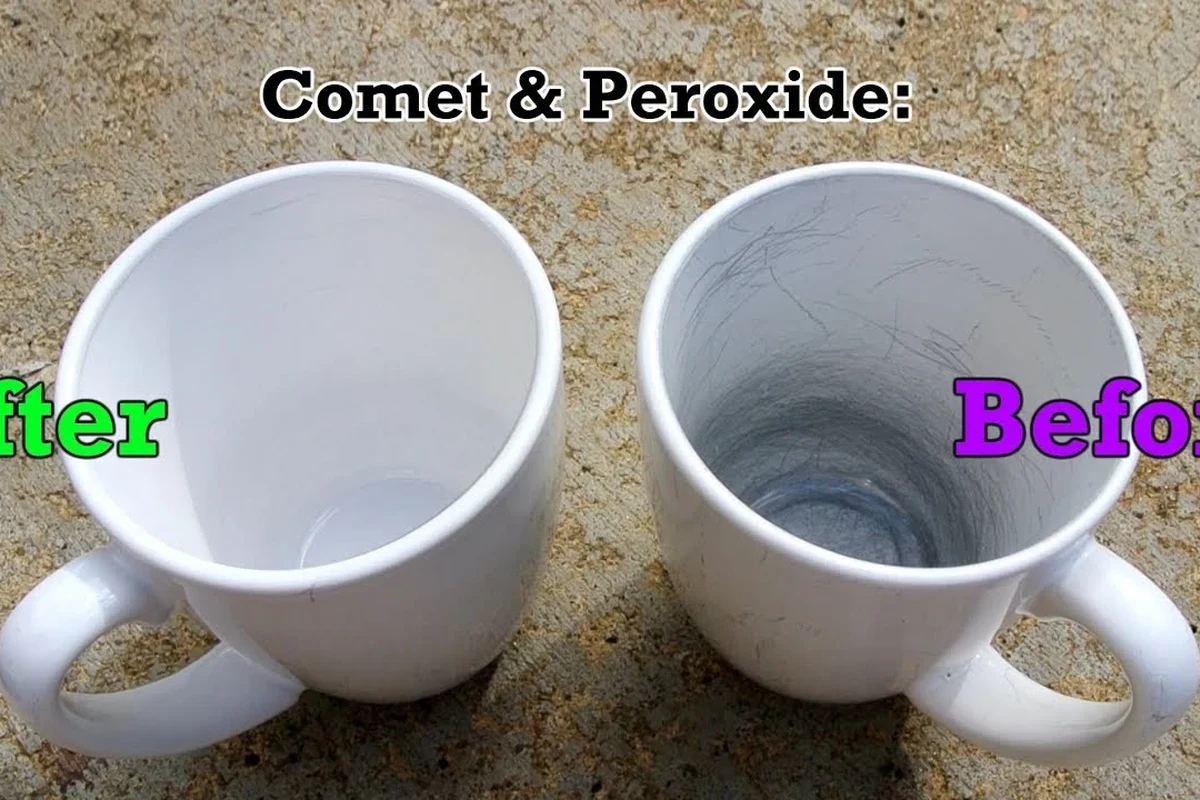
Scratches on a mug often come from normal use. They can come from metal spoons, rough scrub pads, or mugs rubbing together in the sink or cabinet.
In many cases, the mug is still fine. The main job is to tell harmless surface marks from damage that can affect safety or comfort.
How to tell scratch marks from stains, cracks, and glaze wear
Scratch marks usually look like thin lines on the surface. They may feel a little rough, but they do not run through the mug.
Stains look more like color changes. Coffee stains often sit in the glaze and can look brown, yellow, or gray.
Cracks are different. They may look like a line that cuts across the mug body or rim, and they can grow over time.
Glaze wear can also look like dull spots. This often shows up where a spoon hits the inside or where mugs stack.
Why some mugs scratch more than others
Some mug materials show wear faster than others. Glossy ceramic and delicate glaze finishes can show marks sooner than thicker stoneware.
Printed mugs can also wear faster if the design sits on top of the surface. Repeated washing can fade or rough up that layer.
Dishwasher use, hard water, and tight storage can all add more wear. Even a good mug can look older if it gets bumped a lot.
Some marks that look like scratches are actually metal transfer or mineral buildup. A gentle clean can often remove them.
How to Care for Scratched Coffee Mugs the Right Way
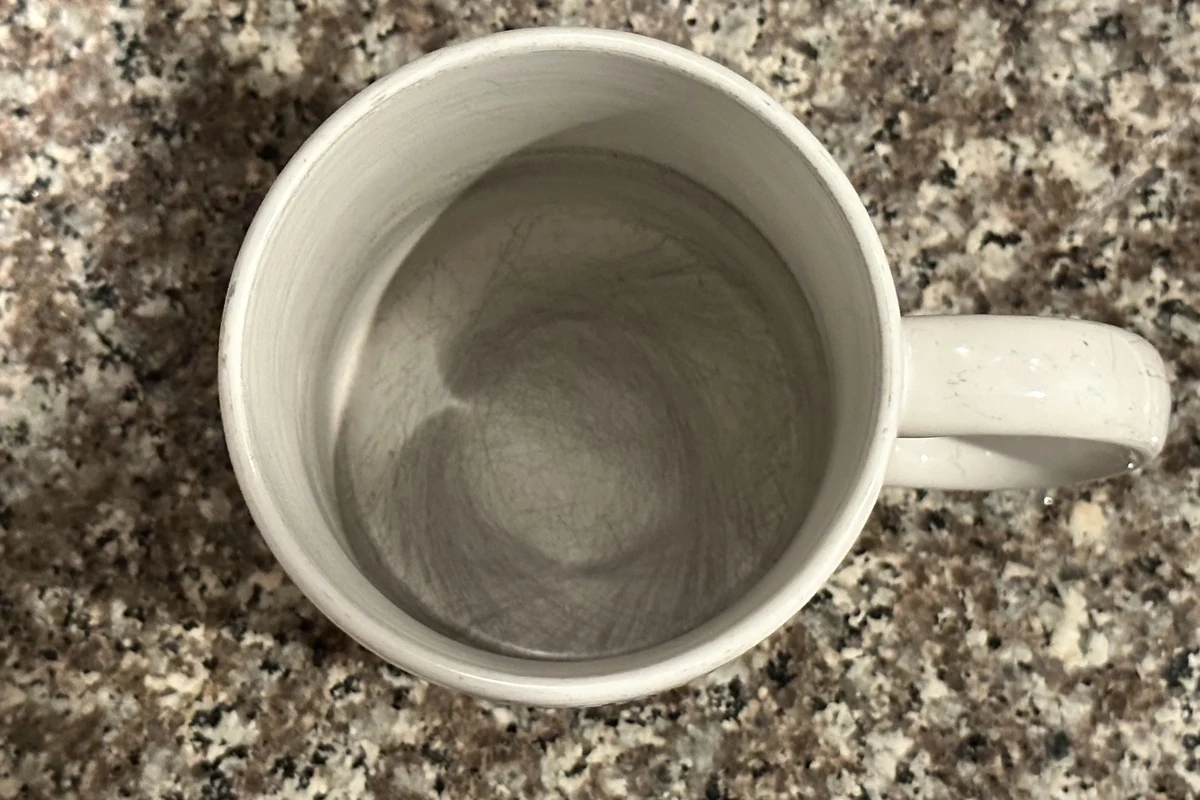
The best care plan is simple. Clean the mug gently, avoid harsh scrubbing, and keep it dry and separated from other dishes.
If the mug only has light surface marks, you can often improve its look with basic kitchen cleaning steps.
Safe daily cleaning steps for light scratches
Wash the mug soon after use. Warm water and mild dish soap work well for most mugs.
Use a soft sponge or cloth. Clean the inside, outside, and handle without pressing hard.
Rinse well and check the scratched area. If it still feels rough, try a gentle second wash instead of a tougher scrub.
When gentle scrubbing helps and when it makes damage worse
Gentle scrubbing helps when you are dealing with coffee film, light mineral spots, or surface marks. It can also help lift residue that sits in tiny surface lines.
It makes damage worse when you use too much force. Hard scrubbing can deepen marks and wear down the glaze.
If a spot does not improve after a careful wash, stop there. More pressure is not the answer.
How to dry and store mugs to avoid more wear
Dry mugs with a soft towel or let them air dry fully. Wet mugs can rub more easily and may leave marks on shelves.
Store mugs so they do not bang into each other. If space is tight, place a soft liner between stacked mugs.
Keep the most worn mug where it will not get knocked around. Small changes like this help a lot over time.
If a mug keeps getting scratched, check the dish rack and shelf edges. The damage may come from storage, not washing.
Cleaning Methods That Work Best for Scratched Mugs
For scratched mugs, the goal is to clean without sanding the surface. That means soft tools and mild cleaners first.
Soft sponge and mild soap for routine care
This is the safest daily method. It removes coffee residue without adding more wear.
Use a sponge with no rough side if the mug is already fragile. A microfiber cloth also works well for light cleanup.
This method is best for regular use. It keeps the mug looking clean without stressing the finish.
Baking soda paste for surface marks and buildup
Baking soda can help with light surface marks. Mix a small amount with water until it forms a soft paste.
Rub the paste on the mark with your fingers or a soft cloth. Use gentle circles, then rinse well.
This works best on residue and faint marks. It will not fix deep scratches or chipped glaze.
What to avoid, including harsh pads and strong bleach
Avoid steel wool, abrasive powders, and rough scrub pads. They can scratch the glaze more and make the mug look dull.
Strong bleach can also be a bad idea unless the mug maker says it is safe. It may harm decoration or leave a smell behind.
When in doubt, choose the mildest cleaner first. That is usually the safest path for decorated mugs too.
Do not use harsh abrasives on cracked or chipped mugs. They can make the damage worse and create sharp edges.
When a Scratched Mug Is Still Safe to Use
Many scratched mugs are still fine for coffee, tea, and hot cocoa. The key is to look at the type of damage, not just the look of the mug.
Signs the mug is only worn, not damaged
A mug is usually still usable if the marks stay on the surface. It should feel smooth enough to wash and drink from without catching on your skin.
Small cosmetic scratches on the outside are often harmless. The same goes for faint marks inside that do not change the mug’s shape.
Red flags like chips, deep cracks, and rough glaze loss
Chips at the rim can cut your lips. Deep cracks can also spread with heat and washing.
Rough glaze loss is another warning sign. If the surface feels sharp or gritty, the mug may no longer be a good daily cup.
If you see a line that grows, or hear a clear ping when tapped, be cautious. That mug may be weakening.
When it’s time to retire the mug
Retire the mug if it has sharp chips, a crack, or a loose handle. Those are signs it may fail during normal use.
If the inside glaze has broken down badly, it may also be time to stop using it for drinks. At that point, replacement is usually the safer choice.
Stop using any mug with deep cracks, sharp chips, or a loose handle.
How to Prevent Future Scratches
Prevention is easier than repair. A few small habits can keep mugs looking nicer for much longer.
Best washing habits for hand wash and dishwasher use
Hand washing gives you the most control. It is a smart choice for decorated or delicate mugs.
If you use a dishwasher, give mugs space so they do not knock together. Place them where they will not rub against metal items.
Also, unload carefully. A quick bump against another mug can leave a new mark.
Storage tips to keep mugs from rubbing together
Do not cram mugs into a tight cabinet. Tight storage often causes more wear than washing.
Stack only mugs that are made for stacking. If the rims touch too hard, they can chip or scratch.
If you have room, hang mugs or use shelf dividers. Less contact means less damage.
Choosing mug materials that resist wear better
Thicker stoneware often handles daily use well, though it can still scratch. Simple glazed ceramic can also last a long time with good care.
Look for mugs with smooth glaze and solid construction. They tend to show less wear from normal use.
If you want a mug for heavy daily use, choose one that feels sturdy in the hand. That often matters more than fancy looks.
Pick a mug with a wide base and smooth rim if you use it every day. It often holds up better in busy kitchens.
Common Mistakes People Make With Scratched Coffee Mugs
Most mug damage gets worse because of a few repeat habits. The good news is that they are easy to fix.
Using abrasive cleaners too often
People often think stronger scrubbing means a cleaner mug. In reality, it can wear down the glaze fast.
Use abrasives only when you truly need them. Even then, keep the pressure light.
Ignoring small chips and hairline cracks
Small chips can seem harmless at first. But they can grow with heat, washing, and daily use.
Hairline cracks are even trickier. They may spread slowly until the mug becomes unsafe.
Stacking or storing mugs the wrong way
Loose stacking can rub the rim and sides. That often creates new scratches and chips.
Storing mugs upside down on rough shelves can also leave marks. A soft shelf liner helps more than most people expect.
- Wash scratched mugs by hand when you can.
- Use soft liners in cabinets and dish racks.
- Check the rim and handle every few weeks.
Repair, Replace, or Repurpose: What Makes the Most Sense
Not every scratched mug needs the same fix. Some mugs only need better care. Others are better off as something new.
When simple care is enough
Simple care is enough when the mug only has light marks or dull spots. If it still feels smooth and solid, gentle cleaning may be all it needs.
That is the best case. You keep using the mug without adding more wear.
When replacement gives better value
Replacement makes sense when damage starts to affect safety or comfort. A mug with chips, cracks, or a weak handle should not stay in daily rotation.
It also makes sense when the mug keeps getting worse. If you are fighting the same damage over and over, a new mug may save time and stress.
Creative ways to reuse mugs that should not hold drinks
A retired mug can still be useful. It can hold pens, tea bags, plant cuttings, or small kitchen tools.
Some people use old mugs for measuring small amounts of dry ingredients. Just do not use a damaged mug for hot drinks or food storage.
If you repurpose a mug, make sure the rim is smooth. Sharp edges can still cause cuts.
Final Recommendation for Keeping Coffee Mugs Looking Great
The best care routine for scratched coffee mugs is simple. Wash them with mild soap, use soft tools, dry them well, and store them so they do not rub.
Best care routine for most scratched mugs
Start with a soft sponge and warm water. If needed, use a small baking soda paste for surface marks.
Then dry the mug fully and give it some space in storage. That routine works for most lightly scratched mugs.
Practical verdict from the Red Kitchen Project Editorial Team
For most people, a scratched mug is still worth keeping if the damage is only cosmetic. But if you see chips, deep cracks, or rough glaze loss, replace it.
In short, gentle care keeps good mugs useful longer. And when the damage goes beyond surface wear, safety should win.
- Use mild soap and soft tools first.
- Avoid harsh pads and strong cleaners.
- Retire mugs with chips or cracks.
- Store mugs so they do not rub.
Frequently Asked Questions
Use warm water, mild dish soap, and a soft sponge. For light surface marks, a small baking soda paste can help without adding more wear.
Usually, yes, if the marks are only on the surface and the mug has no chips or cracks. Stop using it if you see sharp edges, deep cracks, or a loose handle.
Avoid steel wool, rough scrub pads, and harsh cleaners that can wear down the glaze. Strong bleach can also damage decoration or leave unwanted residue.
Give mugs space in the dishwasher and cabinet so they do not rub together. Soft shelf liners and careful hand washing also help reduce wear.
Replace it if the mug has chips, deep cracks, rough glaze loss, or a weak handle. Those signs can make the mug unsafe for daily use.
Yes, a retired mug can hold pens, tea bags, or small kitchen tools. Just make sure the rim is smooth and do not use it for hot drinks.