How to Choose the Best Coffee for Aged Man Easily

The best coffee for an older man is usually low-acid, medium-roast, and moderately caffeinated. If sleep or stomach comfort is an issue, decaf, half-caf, or a smoother low-acid option is the safer choice.
Choosing coffee for an older man is mostly about comfort, routine, and health sensitivity—not chasing the strongest roast or boldest label. In most cases, the best starting point is a low-acid, medium-roast coffee with moderate caffeine, then adjusting based on stomach comfort, sleep, and any medical guidance.
- Start gentle: Low-acid and medium-roast coffees are often easier to drink daily.
- Match caffeine to routine: Use regular, half-caf, or decaf based on sleep and sensitivity.
- Check the brewer: Grind size and freshness matter as much as the bean label.
- Avoid hidden extras: Sugar-heavy flavors and creamers can make coffee less suitable for regular use.
How to Choose the Best Coffee for an Aged Man: Quick Answer and What Matters Most
The simplest answer is to look for coffee that is gentle, balanced, and easy to drink every day. For many older adults, that means avoiding very acidic, overly strong, or heavily flavored coffees unless they are clearly well tolerated.
Why “best” depends on health, taste, and daily routine
“Best” coffee is not the same for every older person. One man may want a rich cup that fits a morning routine, while another may need something easier on the stomach or lower in caffeine because of sleep, heart sensitivity, or medications.
It also helps to think about how coffee is used. A small cup with breakfast may be comfortable for one person, while multiple cups throughout the day may cause jitters, reflux, or sleep disruption for another.
The safest starting point: low-acid, medium roast, moderate caffeine
If you are unsure where to begin, a low-acid medium roast is usually the most forgiving choice. It often gives a smoother taste than lighter roasts and may feel gentler for people who notice stomach discomfort with coffee.
Moderate caffeine is a practical middle ground. It can provide alertness without automatically pushing the drinker toward the stronger effects that sometimes come with high-caffeine blends or oversized servings.
How Coffee Affects Older Adults: Benefits, Limits, and Sensitivities
Coffee can still fit well into an older adult’s routine, but the body may respond differently with age. Tolerance to caffeine, digestion, hydration, and sleep patterns can all become more noticeable.
Potential benefits: alertness, mood, and social routine
For many older adults, coffee helps with morning alertness and can make the first part of the day feel more structured. The ritual itself may also support mood and social connection, especially when coffee is part of breakfast or conversation with family and friends.
Some people simply enjoy the taste and routine. That matters, because a coffee that is pleasant and easy to drink is more likely to be used consistently and enjoyed in moderation.
Common limits: sleep disruption, heart sensitivity, acid reflux, and dehydration concerns
Caffeine may interfere with sleep, especially if coffee is consumed later in the day. Older adults who are already sensitive to sleep changes may notice this effect more strongly than they did years ago.
Some people also find that coffee worsens acid reflux, stomach irritation, or a racing heartbeat. Coffee is not automatically dehydrating in normal use, but it should not replace water, especially if appetite or fluid intake is already low.
Roast level can change flavor and perceived acidity, but it does not make coffee “acid-free.” People still need to judge comfort by how their own body responds.
When coffee may need to be reduced or avoided
Coffee may need to be cut back if it consistently causes palpitations, worsens reflux, disrupts sleep, or leads to stomach pain. It is also wise to be cautious if a doctor has advised limiting caffeine for a specific heart, blood pressure, or medication-related reason.
When symptoms are unclear, a short trial of smaller servings or half-caf coffee can help reveal whether the issue is caffeine level, brew strength, or timing.
Key Coffee Specifications to Check Before Buying
Before buying coffee for an older man, it helps to compare a few practical details on the label or product page. These details matter more than marketing language such as “bold,” “premium,” or “extra strong.”
Caffeine level: regular, half-caf, and decaf options
Regular coffee is the standard choice, but it may be too stimulating for some older adults if they drink several cups or brew it very strong. Half-caf can be a useful compromise when someone wants the coffee taste with less caffeine impact.
Decaf is often the best fit for afternoon or evening drinking, or for anyone who wants the ritual of coffee without much stimulant effect. Keep in mind that decaf still contains a small amount of caffeine, so it is lower, not zero.
Acidity and roast level: why medium and dark roasts are often easier on the stomach
Many people find medium and dark roasts smoother than light roasts. That does not guarantee comfort, but it can reduce the sharp, bright taste that some drinkers interpret as harshness.
If stomach comfort is a concern, low-acid coffee is worth considering. It is especially helpful for drinkers who notice reflux or irritation after standard coffee, though individual reactions can vary.
Bean type and origin: Arabica vs. blends and what to look for
Arabica beans are often chosen for a smoother, less bitter cup, while blends may be designed for stronger flavor or lower cost. Either can be a good choice, but Arabica is usually a safer starting point for someone who prefers a gentler taste.
Origin matters less than freshness and roast style for most everyday buyers. Instead of chasing a specific country name, focus on whether the coffee is described in a way that matches the drinker’s comfort and flavor preference.
Grind, freshness, and packaging for better flavor and consistency
Freshness matters because coffee loses aroma and flavor over time. Look for packaging that helps protect the beans or grounds from air and moisture, and buy in a size that can be used before the coffee goes stale.
Grind size should match the brewing method. A mismatch can lead to weak, bitter, or muddy coffee, which is especially frustrating for someone who wants a dependable daily cup.
- Choose a caffeine level that fits sleep and sensitivity
- Check whether the roast and acidity match stomach comfort
- Match grind to brewer type
- Buy a size that stays fresh
- Avoid unnecessary sugar-heavy flavorings
Best Coffee Types for Older Men by Need and Preference
There is no single coffee type that works best for every older man, but a few categories are easier to match to common needs. The right choice usually depends on whether the priority is stomach comfort, sleep, or convenience.
Best for sensitive stomachs: low-acid coffee
Low-acid coffee is often the first option to try when standard coffee feels too harsh. It may be a better fit for drinkers who notice burning, irritation, or discomfort after regular brewed coffee.
The trade-off is that “low-acid” can be less about a dramatic flavor change and more about a gentler experience. It is still smart to start with a small serving and see how the body responds.
Best for sleep concerns: decaf or half-caf coffee
If sleep is the main concern, decaf is usually the most practical choice, especially after lunch. Half-caf can work well for people who still want some caffeine but need to reduce the total amount.
This approach also helps older adults who enjoy coffee several times a day. A morning cup can be regular while later cups are decaf, which preserves routine without stacking caffeine late in the day.
Best for balanced everyday drinking: medium-roast Arabica
For many older men, a medium-roast Arabica coffee offers the best balance of flavor, smoothness, and everyday usability. It is less likely to taste sharp than a light roast and less likely to taste overly bitter than some very dark roasts.
This is often the safest “default” purchase when you do not yet know the person’s preference. It is familiar, versatile, and easy to brew in most common home coffee makers.
Best for convenience: single-serve pods and ready-to-brew options
Single-serve pods can be useful when convenience matters more than customization. They reduce measuring and cleanup, which can be helpful for older adults who want a simple routine.
That said, convenience products vary widely in flavor and cost-effectiveness. Some also produce more waste, so they are best when ease of use is clearly the top priority.
How to Match Coffee Choice to Health Conditions and Medications
Coffee choices should fit the drinker’s health situation, not just taste preference. When there are medical conditions or prescriptions involved, the safest move is to keep coffee moderate and ask a clinician or pharmacist if there is any concern.
Heart health, blood pressure, and caffeine moderation
Some older adults are more aware of caffeine’s effect on heart rate or blood pressure. If coffee seems to trigger discomfort, racing, or anxiety, reducing the serving size or switching to half-caf or decaf is a reasonable adjustment.
Because responses vary, it is better to observe patterns than to assume all coffee causes the same effect. A person may tolerate a small morning cup but not a second or third cup later in the day.
Diabetes, appetite changes, and avoiding added sugar
For older adults managing blood sugar, the coffee itself is only part of the picture. Sweetened creamers, syrups, and large amounts of sugar can turn a simple cup into a much less suitable daily habit.
If appetite is already reduced, coffee should not become a substitute for meals. In that case, pairing coffee with food may be more comfortable and more practical than drinking it on an empty stomach.
Medication timing and when to ask a doctor or pharmacist
Some medications can interact with caffeine or may be best taken away from coffee. Because medication schedules vary, it is wise to check with a pharmacist if there is any uncertainty about timing.
If a doctor has already advised limiting caffeine, follow that guidance rather than relying on general coffee advice. This is especially important when the drinker has a heart condition, reflux issues, sleep problems, or multiple prescriptions.
If coffee causes chest discomfort, severe palpitations, dizziness, or ongoing stomach pain, stop using it and seek medical guidance. Coffee should never be used to override a health warning.
Common Mistakes to Avoid When Buying Coffee for an Aged Man
Many disappointing coffee purchases happen because the buyer focuses on strength or brand reputation instead of comfort and consistency. A few simple mistakes can make daily coffee harder to enjoy.
Choosing overly strong or high-caffeine blends by default
Stronger is not always better. Very bold or high-caffeine coffee may taste impressive at first but can be too stimulating or too harsh for an older drinker who wants a calm daily cup.
Ignoring acidity, bitterness, and stomach comfort
A coffee that tastes good in a sample may still feel rough after a full cup. If the drinker has a sensitive stomach, acidity and bitterness should be part of the decision from the start.
Overlooking added flavors, sugar, and creamers
Flavored coffees and sweetened creamers can hide the true taste of the coffee, but they can also add unnecessary sugar or an artificial aftertaste. That may be fine for occasional use, but it is not always the best daily choice.
Buying in bulk without checking freshness
Bulk buying only makes sense if the coffee will be used quickly enough to stay fresh. Stale coffee often tastes flat or bitter, which is especially disappointing for someone who drinks the same cup every day.
- Buy a smaller bag first if you are testing a new roast or brand.
- Keep coffee sealed tightly and away from heat, moisture, and strong odors.
- Use plain coffee first, then add milk or sweetener only if needed.
- Try earlier brewing times if caffeine affects sleep.
Practical Brewing Tips for Better Taste and Comfort
Even a good coffee can taste rough if it is brewed too strongly or with the wrong method. Small brewing adjustments often make a bigger difference than switching brands.
Recommended brew methods for smoother coffee: drip, pour-over, and French press considerations
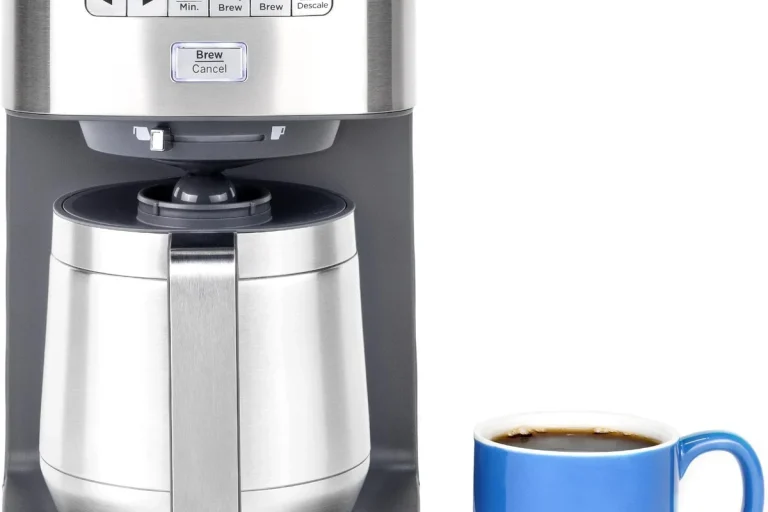
Drip coffee is often the easiest starting point because it is consistent and familiar. Pour-over can produce a clean cup, but it requires more attention to grind and pouring technique.
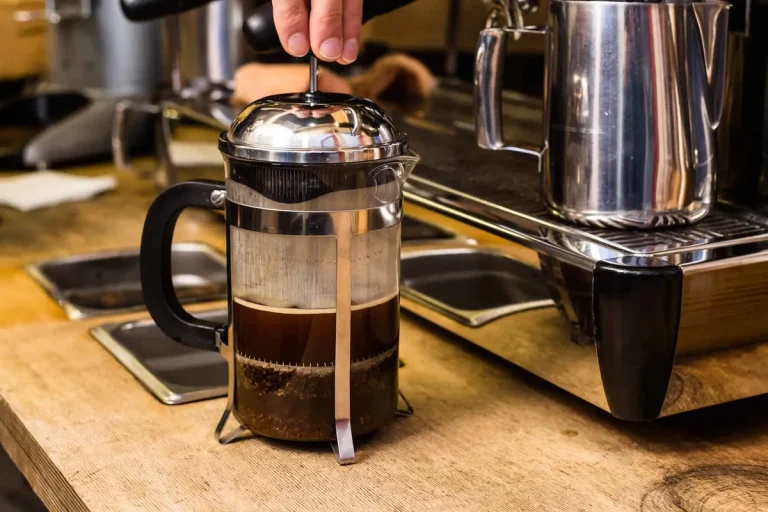
French press can create a fuller body, though it may also leave more sediment and feel heavier for some drinkers. If smoothness is the goal, the best method is usually the one that produces a consistent cup without extra bitterness.
Water temperature, strength, and serving size basics
Brewing with water that is too hot can make coffee taste harsher. If the coffee seems bitter, the issue may be strength, temperature, or steeping time rather than the beans themselves.
Serving size matters too. A smaller cup can be a smarter choice than a large mug if the drinker wants the flavor and routine without too much caffeine or stomach load.
Simple ways to reduce bitterness and acidity at home
If coffee tastes too sharp, try a slightly coarser grind, a shorter brew time, or a lower coffee-to-water ratio. These changes can make the cup smoother without requiring a different machine.
Milk or a small amount of cream can soften bitterness for some people, while sugar should be used carefully if blood sugar is a concern. For the most comfortable cup, start simple and adjust one variable at a time.
Brewing results vary by machine, grinder, water quality, and coffee freshness. If a cup tastes off, the fix is often in the brew method rather than the bean label.
Final Buying Recommendation: Best Value, Best Comfort, and Best Overall Choice
For most older men, the best overall coffee choice is a medium-roast Arabica with moderate caffeine, or a low-acid version if the stomach is sensitive. If sleep is a concern, decaf or half-caf is usually the safer everyday option.
Transparent verdict for most older coffee drinkers
The most dependable all-around pick is a smooth medium roast that is not overly strong, not overly acidic, and not packed with sugar or flavor additives. That combination gives the best chance of being comfortable, familiar, and easy to enjoy regularly.
If the drinker already knows they are sensitive to coffee, start with low-acid or decaf instead of guessing. Comfort should come before intensity.
Budget-friendly vs. premium choices: when to spend more
It usually makes sense to spend more when better freshness, better packaging, or a more suitable roast style improves daily comfort. A premium bag is not automatically better, but a fresher, better-matched coffee can be worth it if the person drinks it every day.
Budget coffee can still be a good choice when it is fresh, simple, and easy on the stomach. The key is not the price tag alone, but whether the coffee fits the drinker’s routine and sensitivity.
Simple selection checklist before purchase
Before buying, ask four questions: Does it match the person’s caffeine tolerance? Is it gentle enough for the stomach? Does it fit the brewing method at home? Will it stay fresh long enough to use?
- Start with low-acid, medium-roast, moderate-caffeine coffee for the most balanced result.
- Use decaf or half-caf when sleep, heart sensitivity, or late-day drinking is a concern.
- Match the coffee to the brewer, freshness needs, and the drinker’s stomach comfort.
- Avoid oversized, overly strong, or sugar-heavy coffee by default.
For most older men, the best coffee is a smooth, moderately caffeinated option that is gentle on the stomach and easy to fit into a daily routine. If there are sleep, reflux, or heart-related concerns, decaf, half-caf, or low-acid coffee is usually the better choice.
Frequently Asked Questions
Low-acid coffee is usually the best place to start. A medium or dark roast may also feel smoother, but comfort can vary by person.
Decaf is often better when sleep, jitters, or caffeine sensitivity are concerns. Regular coffee can still be fine if it is tolerated and kept moderate.
Try a slightly coarser grind, a shorter brew time, or a lower coffee-to-water ratio. Using fresh coffee and clean equipment also helps improve flavor.
Match the grind to the brewer: coarse for French press, medium for drip, and finer grinds for some pour-over or espresso methods. Always check the coffee bag and machine manual for the best match.
Many older adults can enjoy coffee daily if they tolerate caffeine and do not have a medical reason to limit it. If coffee affects sleep, reflux, or heart symptoms, reduce the amount or ask a clinician for guidance.
Check caffeine level, roast style, acidity, and whether the coffee matches the brewer at home. It is also smart to avoid heavily sweetened blends unless you know that is preferred.