How to Make Shrimp Paste at Home Easy Step by Step

Homemade shrimp paste is made by cleaning shrimp, adding salt, and then cooking, drying, or fermenting it safely. Start small, keep everything clean, and throw out any batch that smells bad or shows mold.
Making shrimp paste at home is possible, but it takes care, patience, and good food safety habits. The basic idea is simple. You clean the shrimp, season it, then cook, dry, or ferment it until it turns into a thick, savory paste.
This guide shows how to make shrimp paste in a safe, practical way. It also explains what to watch for, how to store it, and how to use it without overpowering your food.
- Start with fresh shrimp: Bad seafood will ruin the paste fast.
- Salt matters: It helps control spoilage and sharpens flavor.
- Dryness helps: Less water means better texture and safer storage.
- Watch for spoilage: Mold, slime, or rotten smells mean discard it.
What Shrimp Paste Is and Why People Make It at Home
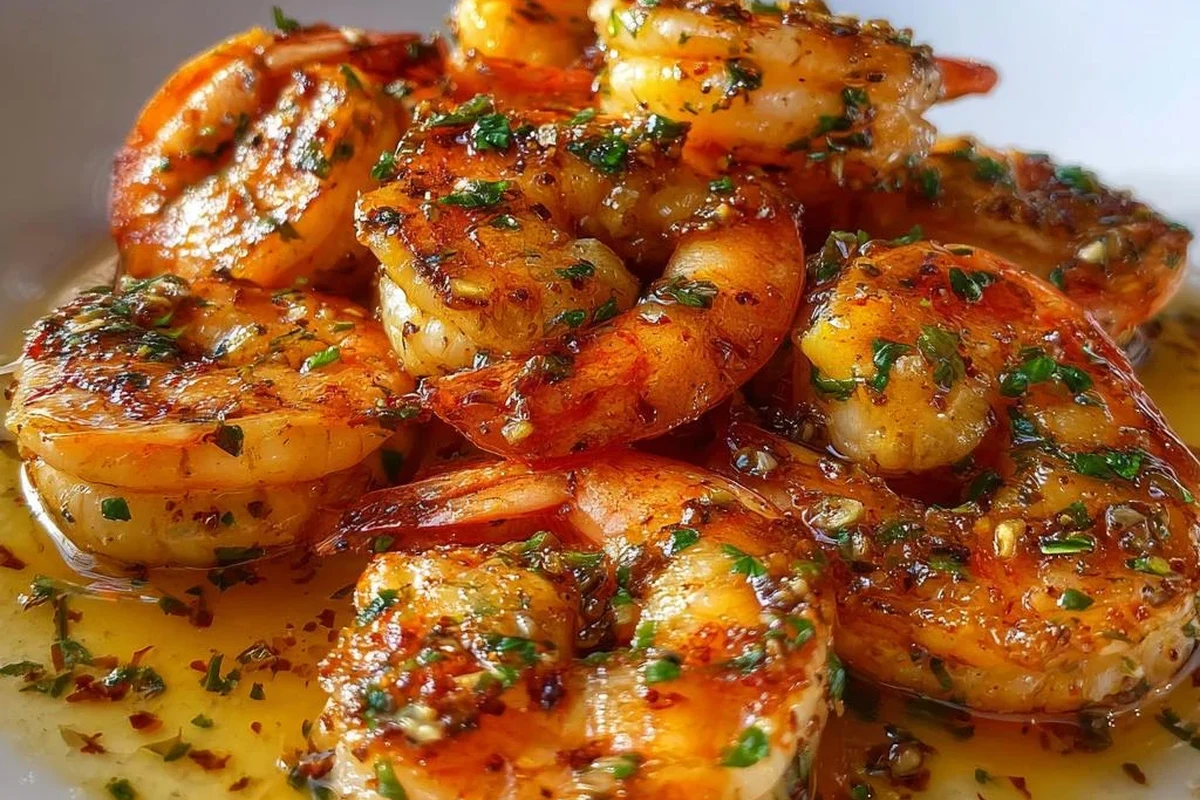
Shrimp paste is a strong, salty seafood paste made from shrimp and salt. Some versions are cooked and blended. Others are fermented and dried for a deeper flavor.
People make it at home for control. You can adjust the salt, texture, and strength. You also know exactly what goes into the jar.
How shrimp paste is used in cooking
Shrimp paste adds a deep umami taste to many dishes. A small amount can boost sauces, stir-fries, soups, and marinades.
It works best in cooked food. The flavor can be very strong on its own, so most cooks use it as a seasoning, not a main ingredient.
Salt helps slow spoilage and also sharpens the shrimp flavor during curing.
What makes homemade shrimp paste different from store-bought
Store-bought shrimp paste often has a more even texture and a longer shelf life. Homemade paste may taste fresher or stronger, depending on how you make it.
The trade-off is consistency. Home batches can vary a lot from one try to the next.
Ingredients and Tools You Need
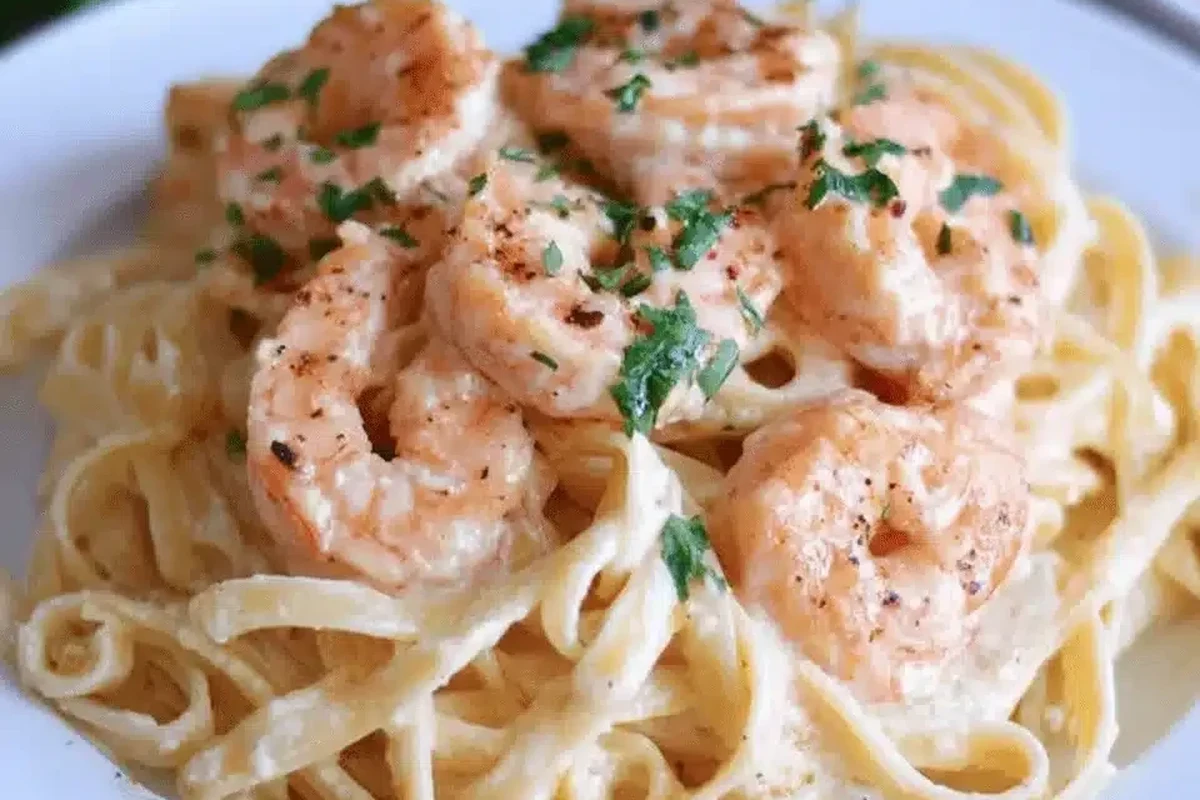
You do not need fancy gear to make shrimp paste. A clean kitchen, a sharp knife, and a few basic tools will do the job.
Main ingredients for a basic shrimp paste
At the most basic level, you need shrimp and salt. Some recipes also add a little sugar, garlic, or chili for balance.
If you want a fermented style, salt matters even more. It helps control spoilage while the paste develops flavor.
Helpful tools for mixing, drying, and storing
A food processor makes blending easier. A mortar and pestle also works if you want a rougher texture.
You may also need a fine mesh tray, a baking sheet, or a clean glass jar. Use tools that are easy to wash and fully dry.
Ingredient swaps and what to avoid
You can use peeled shrimp or small shrimp with shells removed. Smaller shrimp often blend more smoothly.
Avoid using shrimp that smells sour, slimy, or off before you start. Also avoid too much water, since it can slow drying and raise spoilage risk.
Use only fresh, safe seafood. If the shrimp smells bad before cooking, do not try to save it.
How to Make Shrimp Paste Step by Step
The exact method can change by region and recipe. Still, the core steps stay the same. Clean the shrimp, season it, then cook, dry, or ferment it safely.
Clean and prep the shrimp
Rinse the shrimp under cold running water. Then peel, devein, and pat them dry with clean paper towels.
Dry shrimp help the paste come together faster. They also reduce extra liquid in the final mix.
Remove any shrimp that look damaged, mushy, or badly discolored.
Take off shells and veins for a smoother paste and cleaner taste.
Pat the shrimp dry so the mixture does not turn watery.
Season and blend the mixture
Mix the shrimp with salt first. If your recipe uses garlic, chili, or sugar, add those now.
Blend until the texture matches your goal. For a coarse paste, stop early. For a smoother paste, blend longer and scrape the bowl as needed.
Blend in short bursts. That helps you control texture and keeps the paste from getting too warm.
Cook, dry, or ferment it safely
Some home versions are lightly cooked before drying. Others are salted and left to ferment under controlled conditions. Follow a trusted recipe that matches the style you want.
If you dry the paste, spread it in a thin layer on a clean tray. Keep it protected from dust, insects, and pets. If you ferment it, use the right salt level and a clean container.
Drying and fermenting times vary a lot by recipe, climate, and batch size. Watch the paste, not the clock alone.
Check texture, smell, and color as it finishes
Good shrimp paste should look even and smell savory, not rotten. The texture should feel thick, not wet and loose.
Color also matters. A normal batch may turn deeper pink, tan, or brown, depending on the method. Any green, gray, or fuzzy growth is a bad sign.
Important Safety Tips for Making Shrimp Paste
Seafood needs careful handling. Shrimp paste can spoil if you leave it too warm, too wet, or too long without enough salt.
How to handle raw seafood safely
Keep shrimp cold until you are ready to work. Wash your hands, tools, and cutting board after contact with raw seafood.
Use separate tools for raw shrimp and ready-to-eat foods. That lowers the chance of cross-contamination.
Follow the recipe and stop using any batch that develops mold, slime, or a foul smell.
How to reduce spoilage and bad smells
Salt, clean tools, and good airflow help a lot. So does keeping the paste at a safe temperature while it dries or ferments.
Do not leave shrimp paste in a warm kitchen for long periods unless the recipe clearly calls for it. Heat speeds spoilage fast.
When to discard a batch
Throw it out if the smell turns rotten, sharp, or chemical-like. Discard it if the texture becomes slimy or sticky in a bad way.
Also discard it if you see mold, strange colors, or gas bubbles in a sealed jar. When in doubt, it is safer to start over.
Common Mistakes and How to Fix Them
Most problems come from too much water, too little salt, or poor storage. The good news is that many issues are easy to prevent.
Paste that is too wet or too salty
If the paste is too wet, it may need more drying time or a longer cook. Spread it thinner next time.
If it tastes too salty, mix in a little more shrimp in the next batch. You can also use less paste in the final dish.
The paste stays loose and watery.
Dry the shrimp better before blending, and let the paste dry longer in a thin layer.
Paste that tastes bitter or too fishy
Bitter notes can come from overcooking or old shrimp. A harsh fishy taste often means the seafood was not fresh enough.
For a milder result, start with very fresh shrimp and use a lighter hand with the salt and ferment time.
Problems with drying, fermenting, or storage
If drying is slow, the layer may be too thick or the room too humid. If fermenting goes wrong, the salt ratio may be off.
For storage issues, check the container first. A dirty jar or lid can ruin a batch even if the paste itself started well.
How to Store Shrimp Paste and Keep It Fresh
Good storage keeps flavor stable and helps reduce waste. Always use clean, dry containers.
Best containers and fridge storage tips
Glass jars with tight lids work well. Small containers are often better because you open less paste at a time.
Keep the jar in the coldest part of the fridge, not in the door. Use a clean spoon every time.
Freezing options and shelf life guidance
You can freeze shrimp paste in small portions if your recipe allows it. Freezing can help preserve flavor and slow spoilage.
Shelf life depends on salt level, moisture, and storage method. Always follow the recipe and use your senses to check for changes.
Signs the paste has gone bad
Watch for mold, slime, sour rot, or a strong ammonia-like smell. These are clear warning signs.
If the lid swells, the jar leaks, or the paste changes color in a bad way, throw it away.
Best Ways to Use Homemade Shrimp Paste
Homemade shrimp paste can be powerful. Start with a little and build up slowly.
Simple dishes that work well with shrimp paste
It works well in fried rice, noodle dishes, vegetable stir-fries, and dipping sauces. It also adds depth to soups and curries.
For a simple start, stir a small amount into oil with garlic before adding other ingredients.
How to balance strong flavor in recipes
Use acid, sweetness, or extra vegetables to soften the sharp edge. Lime, palm sugar, or tomatoes can help balance the taste.
Too much shrimp paste can take over a dish fast. Add a small amount, taste, then add more only if needed.
- Start with half the amount you think you need.
- Cook it briefly in oil for a rounder flavor.
- Store extra paste in small jars or portions.
Serving tips for first-time users
If this is your first time using shrimp paste, mix it into a cooked dish instead of serving it plain. That makes the flavor easier to handle.
It also helps to serve it with rice, noodles, or vegetables. Those foods give the strong taste something mild to balance against.
Is Homemade Shrimp Paste Worth It?
For many home cooks, yes. Homemade shrimp paste gives you more control over flavor, salt, and texture.
Cost, flavor, and control compared with store-bought
Homemade paste can be a smart choice if you already have shrimp and basic tools. It also lets you make small batches for fresh use.
Store-bought paste is easier and more predictable. It may be the better pick if you want convenience or need a longer shelf life.
- Lets you control salt and flavor strength
- Can taste fresher in small batches
- Uses simple kitchen tools
- Needs careful food safety steps
- Can spoil if handled badly
- May take time to dry or ferment
Who should make it at home and who should buy it
Make it at home if you enjoy cooking projects and want control over the final taste. It also makes sense if you use shrimp paste often and want small custom batches.
Buy it if you want speed, less cleanup, or a more stable product. That is often the better choice for busy kitchens.
Final recommendation from Red Kitchen Project Editorial Team
Homemade shrimp paste is worth trying if you respect the safety steps and keep the batch small at first. The best results come from fresh shrimp, enough salt, and careful storage.
If you want full control and bold flavor, making shrimp paste at home can be a rewarding project. If you want convenience and less risk, a good store-bought jar may be the better fit.
In short, the answer to how to make shrimp paste is simple, but the details matter. Clean seafood, careful salt use, and safe storage make all the difference.
Frequently Asked Questions
Timing depends on the recipe, batch size, and whether you cook, dry, or ferment it. Some versions finish in a day, while others need longer to develop flavor and firm up.
Look for a thick texture, a savory smell, and a color that matches the recipe style. If it smells rotten, looks moldy, or feels slimy, throw it out.
You can try other seafood in some recipes, but the flavor will change. Shrimp paste has a very specific taste, so results may not match the original.
Store it in a clean, airtight container in the fridge, or freeze small portions if the recipe allows it. Use a clean spoon every time and watch for smell, color, or texture changes.
Yes, if your recipe uses it in cooked food. Heat it as part of the dish, not on its own, and do not use any paste that shows spoilage signs.
Use less in the next dish and balance it with acid, sweetness, or more vegetables. A small amount often gives enough flavor.