How to Keep Pasta Salad from Drying Out and Stay Fresh

Use enough dressing, cool the pasta before mixing, and save extra sauce for serving. Tight storage and a quick stir before eating will keep pasta salad fresher and less dry.
Pasta salad dries out when the pasta keeps soaking up dressing and the fridge pulls moisture away. The fix is simple. Use enough dressing, cool the pasta first, and save a little extra for later.
- Dress generously: Pasta absorbs sauce as it sits.
- Choose smart shapes: Ridges and curves hold dressing better.
- Store tightly: Less air means less drying in the fridge.
- Refresh before serving: Add extra dressing, oil, or lemon juice.
How to Keep Pasta Salad from Drying Out: The Fast Answer
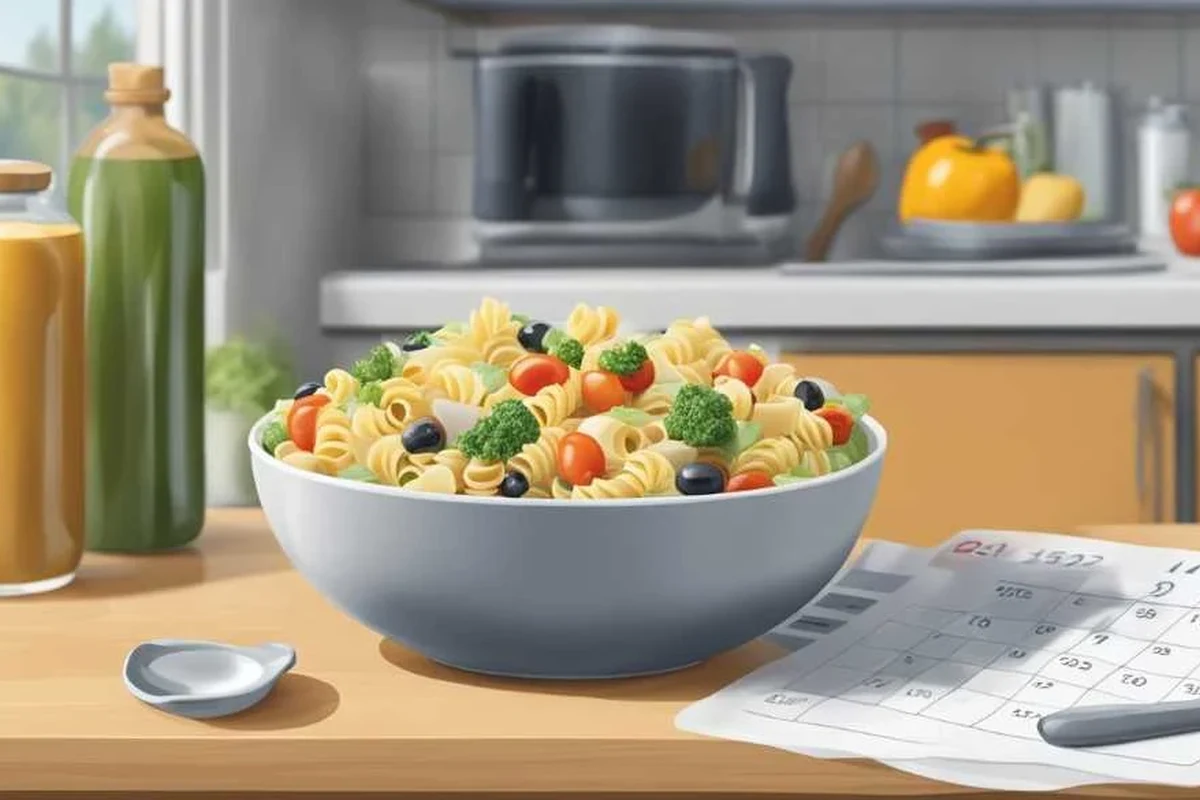
The best way to keep pasta salad moist is to build in extra dressing from the start. Then, toss the salad again before serving and add more if it looks dry.
Short pasta shapes, a balanced sauce, and good storage also help a lot. If you make it ahead, cover it well and keep it cold until serving.
Think of pasta salad like a sponge. It tastes best when you plan for that first soak and the second soak later.
Why Pasta Salad Dries Out in the First Place

Pasta salad does not usually dry out because of one big mistake. It dries out because several small things work against it at once.
The pasta absorbs liquid. Cold storage firms up the noodles. Some add-ins also lose moisture fast.
How pasta soaks up dressing over time
Cooked pasta keeps drinking in liquid after it cools. That means a salad can look perfect at first, then seem dry an hour later.
Thicker sauces cling better, but they still get absorbed. That is why a little extra dressing often makes a big difference.
Why cold storage changes texture
The fridge makes pasta firmer. It also thickens oil-based dressings and can make creamy dressings feel stiff.
That change is normal. It does not mean the salad went bad. It just means it may need a refresh before serving.
Which ingredients dry out fastest
Some ingredients lose moisture faster than others. Leafy greens, chopped herbs, and lean proteins can all make the salad feel less juicy.
Cheese can also firm up in the cold. If you add these early, the whole bowl may seem drier by serving time.
Different pasta shapes and dressings act differently. A short, sturdy shape usually holds moisture better than a smooth, thin one.
The Best Ingredients and Ratios for a Moist Pasta Salad
The right mix matters more than any single trick. Good pasta salad has enough sauce to coat every piece, plus a few juicy add-ins.
Choosing the right pasta shape
Pick shapes with ridges, curves, or holes. They hold dressing better than smooth noodles.
Good choices include rotini, bow ties, shells, and penne. These shapes trap sauce and help each bite stay flavorful.
Picking dressings that stay silky
Dressings with oil tend to stay looser in the fridge. Vinaigrettes work well because they coat the pasta without turning heavy.
Creamy dressings can still work. Just expect them to thicken in the cold. You may need a splash of liquid before serving.
Using vegetables, cheese, and proteins the smart way
Use juicy vegetables like tomatoes, cucumbers, or peppers for extra moisture. Add them close to serving if you want the best texture.
Cheese and protein add body, but they should not take over the bowl. A good pasta salad needs balance, not just fillers.
Holds dressing in ridges and curves.
Stays usable after chilling and tossing again.
Step-by-Step Ways to Keep Pasta Salad Fresh
You do not need a fancy method. You just need good timing and enough moisture in the bowl.
Cool the pasta before mixing
Let the pasta cool before you add dressing. Warm pasta can soak up too much liquid too fast.
Spread it out a bit after draining. That helps steam escape and keeps the texture from turning soft.
Save extra dressing for later
Always hold back some dressing. Add most of it first, then use the rest after chilling or right before serving.
This works especially well for make-ahead salads. It gives you a quick fix if the pasta drinks up more than you expected.
Drain it well and let steam escape before mixing.
Add most of the dressing now and save some for later.
Stir again before serving and loosen with more dressing if needed.
Mix at the right time before serving
If you can, mix the salad close to serving time. That helps keep the vegetables crisp and the pasta from sitting too long in the dressing.
For make-ahead meals, mix the pasta and dressing first. Then add tender ingredients later if possible.
Store it the right way in the fridge
Use a tight container and keep the salad cold. Air exposure speeds up drying and can dull the flavor.
If the bowl is large, press plastic wrap or a lid right on top. Less air means less moisture loss.
- Cover the salad tightly after each use.
- Stir in extra dressing before serving.
- Keep it chilled until mealtime.
- Leaving the bowl open on the counter.
- Adding all delicate toppings too early.
- Using dry pasta with almost no sauce.
Common Mistakes That Make Pasta Salad Dry
Most dry pasta salad problems come from simple habits. The good news is that they are easy to fix next time.
Overcooking the pasta
Soft pasta breaks down fast and can turn mushy. That might sound like the opposite of dry, but mushy pasta often seems dull and heavy after chilling.
Cook it just until tender. Then cool it fast so it keeps a better bite.
Using too little dressing
Many cooks underdress pasta salad on purpose. They worry it will seem oily or soggy.
But pasta needs more dressing than you think. Some of it always gets absorbed later.
Adding delicate ingredients too early
Soft herbs, greens, and some vegetables wilt in the fridge. They can make the salad look tired and less fresh.
Add them near the end when you can. That keeps the salad bright and lively.
Letting it sit uncovered
Uncovered pasta salad loses moisture fast. The top layer dries first, then the rest of the bowl follows.
Even a short time on the counter can change the texture. Cover it as soon as you can.
Best Add-Ins and Fixes for Pasta Salad That Needs Moisture
If your pasta salad already feels dry, do not panic. A few smart add-ins can bring it back.
How oil, mayo, and vinaigrette help in different ways
Oil-based dressings help coat the pasta and keep it loose. They work well when you want a lighter finish.
Mayo adds body and richness. Vinaigrette adds sharp flavor and helps the salad feel fresh. The best choice depends on the style you want.
- Use oil for a lighter salad with good slip.
- Use mayo for a richer, creamier texture.
- Use vinaigrette for bright flavor and easy tossing.
When to add broth, lemon juice, or extra sauce
A small splash of broth can loosen a thick salad without adding much heaviness. Lemon juice works well too, especially in brighter recipes.
Use these in small amounts. Too much liquid can make the salad watery fast.
Quick fixes before serving
Toss the salad and check the coating on the pasta. If it looks dull, add a spoonful of dressing and stir again.
You can also add a little olive oil, lemon juice, or a touch of mayo. Start small, then taste and adjust.
If your pasta salad contains meat, dairy, or mayo, keep it cold and follow food safety guidance. When in doubt, follow the package or recipe storage directions.
Storage, Safety, and Make-Ahead Tips
Pasta salad is a great make-ahead dish, but storage matters. Good storage protects both texture and safety.
How long pasta salad lasts in the fridge
How long it lasts depends on the ingredients. A simple pasta salad may hold up longer than one with fresh dairy or meat.
Use the recipe or ingredient package guidance when available. If the salad smells off or looks slimy, throw it out.
Food safety tips for mayo, dairy, and meat
Cold salads with mayo, cheese, eggs, or meat need careful handling. Keep them chilled and do not leave them out for long.
If you are serving outdoors, use a cooler or ice pack. Warm weather can raise the risk much faster.
How to refresh leftovers without ruining texture
Leftovers often need a little help. Add a small splash of dressing and stir gently before serving.
If the pasta feels stiff, let it sit for a few minutes after mixing. That gives the dressing time to spread again.
- Use enough dressing from the start.
- Cool pasta before mixing and save extra sauce.
- Cover tightly and chill until serving.
Final Recommendation: The Best Way to Keep Pasta Salad from Drying Out
The best method is simple. Use a sturdy pasta shape, dress it well, and save some sauce for later.
Then chill it covered, stir before serving, and add a little more dressing if needed. That approach works for most home kitchens and most pasta salad styles.
If you want the shortest answer, here it is. Make the salad a little wetter than you think, because pasta always absorbs more over time.
Frequently Asked Questions
Pasta keeps soaking up dressing after it cools. The fridge also firms the noodles and thickens some sauces.
Short shapes with ridges or holes work best. Rotini, shells, bow ties, and penne hold dressing well.
Dress it before chilling, then save some dressing for later. Stir again before serving and add more if needed.
Add a little dressing, olive oil, lemon juice, or mayo, based on the recipe. Toss gently and let it sit for a few minutes.
It depends on the ingredients. Follow storage guidance for mayo, dairy, eggs, or meat, and toss it if it smells off.
Cool the pasta first, mix in stages, and keep it tightly covered. Add delicate ingredients and extra dressing near serving time.