How to Use Miso Paste for Easy Flavorful Meals

Use miso paste by dissolving a small amount in warm liquid first. It’s an easy way to add deep savory flavor to pasta, soups, sauces, and dressings.
How to use miso paste is simple once you know the basics. Start with a small spoonful, dissolve it in warm liquid, and add more only if needed. It brings deep, salty, savory flavor to soups, sauces, pasta, dressings, and marinades.
- Start small: Miso is salty, so a little goes a long way.
- Best first uses: Soups, pasta sauces, dressings, and simple glazes.
- Mix first: Dissolve miso in warm liquid for smooth flavor.
- Choose mild miso: White or yellow miso is easiest for beginners.
What Miso Paste Is and Why It Works
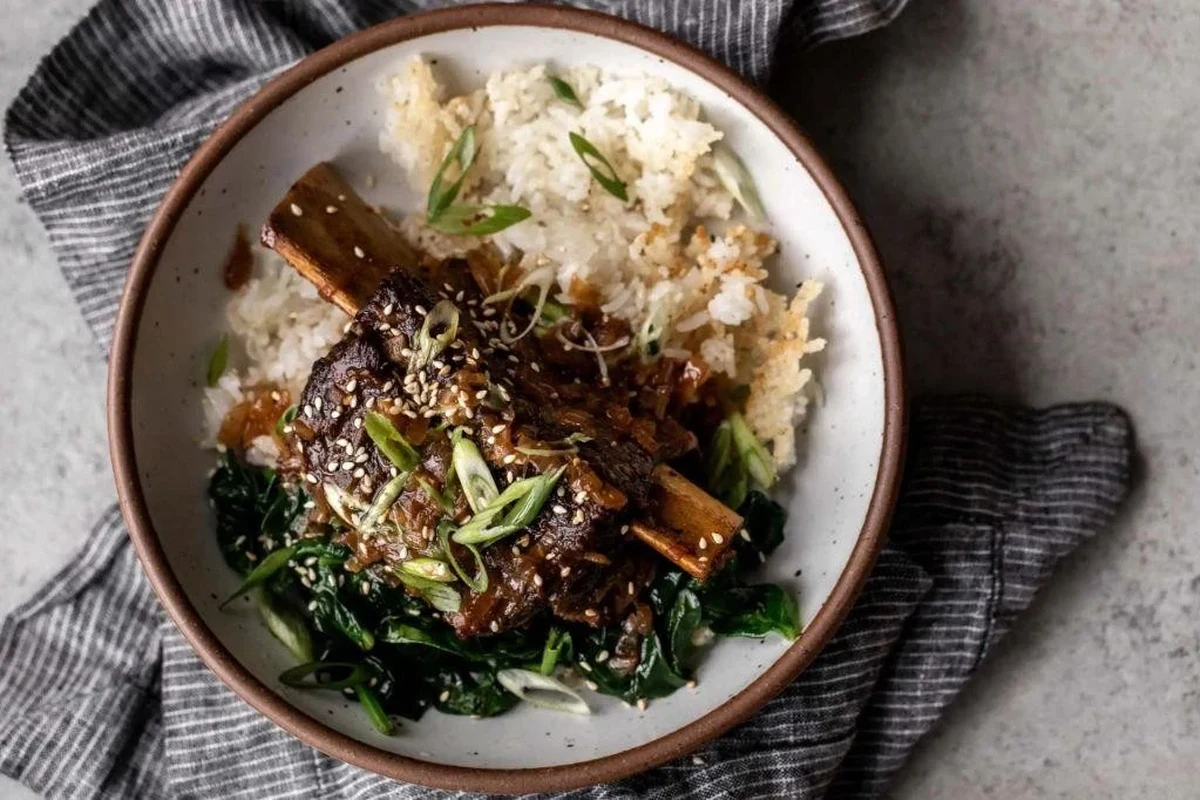
Miso paste is a thick seasoning made from fermented soybeans. Some versions also use rice or barley. It tastes salty, rich, and a little sweet or earthy, depending on the type.
It works so well because fermentation builds layers of flavor. That gives you a strong savory taste without much effort.
Types of miso paste: white, yellow, red, and mixed
White miso is usually mild and a bit sweet. Yellow miso sits in the middle. Red miso tastes stronger, saltier, and deeper. Mixed miso blends more than one style.
For everyday cooking, white or yellow miso is often the easiest place to start. Red miso can be great too, but it can take over a light dish fast.
How fermentation creates deep savory flavor
Fermentation breaks down the ingredients and changes the taste. That process creates umami, which is the savory flavor many cooks look for.
This is why miso can make a plain broth or sauce taste fuller. You often need less salt when miso is already in the mix.
Why miso fits pasta, soups, sauces, and dressings
Miso blends well with fat, acid, and heat. That makes it useful in pasta sauces, soups, salad dressings, and glazes.
It can stand in for part of the salt and add more depth at the same time. In short, it’s one of those pantry items that works hard.
Miso is usually stirred into a dish near the end of cooking. That helps protect its flavor and keeps it from tasting flat.
How to Use Miso Paste in Everyday Cooking

You don’t need a special recipe to start. Think of miso as a flavor booster you can stir into foods you already make.
Stir it into hot broth for fast flavor
Warm broth is one of the easiest ways to use miso paste. First, mix the miso with a little hot broth in a bowl until smooth. Then stir that mix back into the pot.
This method helps the paste dissolve evenly. It also keeps you from ending up with little salty clumps.
Whisk it into pasta sauces, butter, and cream
Miso adds a rich edge to butter sauces and cream sauces. A small spoonful can make a simple pasta sauce taste deeper and more complete.
Try whisking it into melted butter before adding pasta water. Or stir it into cream with garlic for a quick weeknight sauce.
Mix it into marinades, glazes, and salad dressings
Miso works well with oil, vinegar, citrus, honey, and soy sauce. That makes it useful for marinades and dressings.
For a fast glaze, mix miso with a little oil and sweetener. Brush it on vegetables, tofu, chicken, or fish near the end of cooking.
Use it as a salt swap in simple weeknight meals
Miso can replace part of the salt in many dishes. That can help you build flavor with fewer ingredients.
For example, you can stir it into sautéed mushrooms, noodle bowls, rice, or roasted vegetables. Start small, then taste before adding more salt.
Dissolve miso in a small bowl first. It blends better and gives you more even flavor in the finished dish.
Best Ways to Add Miso to Pasta Dishes
Pasta is one of the best places to use miso paste. It pairs well with cheese, garlic, butter, lemon, tomatoes, and cream.
How much miso to use for one to four servings
For one serving, start with about one teaspoon. For two to four servings, begin with one to two tablespoons, then taste and adjust.
Exact amounts depend on the miso type and the rest of the recipe. Red miso usually needs less than white miso.
Pairing miso with garlic, butter, lemon, and cheese
Garlic and miso work especially well together. Butter softens the salt and gives the sauce a smooth finish.
Lemon adds brightness, while cheese adds more savory depth. Just watch the salt, since miso and cheese can both be salty.
Using miso in tomato sauces, cream sauces, and noodle bowls
In tomato sauce, miso can deepen the flavor without making it taste like miso. In cream sauce, it adds a gentle savory note.
It also works in noodle bowls with broth, vegetables, and protein. That makes it useful for quick meals when you want comfort food fast.
Easy flavor ideas for vegetarian and meat-based pasta
For vegetarian pasta, try miso with mushrooms, spinach, peas, or roasted squash. Those ingredients hold up well to its savory taste.
For meat-based pasta, miso pairs nicely with bacon, sausage, chicken, or ground turkey. It can help a simple meat sauce taste fuller.
Simple Miso Pasta Pairing Ideas
Use these flavor matches to build easy dinners without guessing.
Great for smooth, rich sauces that coat pasta well.
Best when you want bright flavor with a savory base.
Works well in vegetarian dishes with a meaty feel.
What to Look for When Buying Miso Paste
Most grocery stores carry several kinds of miso. A quick label check can help you pick the right one for your kitchen.
Ingredient list and what should be on the label
Look for a short ingredient list. Common ingredients include soybeans, rice, barley, salt, and a fermentation culture.
If you have food allergies, check the label carefully. Recipes and brands vary, so don’t assume every miso is the same.
Sodium level, color, and taste strength
Miso is naturally salty, so sodium matters. Darker miso usually tastes stronger and saltier than lighter miso.
If you cook a lot of light sauces, start with a mild miso. If you want bold flavor, a darker miso may fit better.
Refrigerated storage, package size, and shelf life
Many miso pastes keep best in the fridge after opening. Always follow the package instructions, since storage can vary by brand.
Choose a smaller tub if you cook with it only now and then. A larger container can make sense if you use it often.
Budget picks versus premium options
Budget miso can work well for everyday cooking. Premium miso may offer a deeper or more balanced flavor.
The best choice depends on how often you’ll use it. For new cooks, a middle-range option is often the safest bet.
- Pick a mild or strong miso based on your recipes
- Check the ingredient list for allergens
- Confirm fridge storage after opening
- Choose a size you’ll finish in time
Benefits and Limits of Cooking with Miso Paste
Miso is useful, but it isn’t magic. Like any strong ingredient, it works best when you use it with care.
Big flavor with a small amount
A little miso goes a long way. That makes it a smart pantry item for fast meals.
You can add depth without building a long ingredient list. That’s a big win on busy nights.
Works well in many dishes, but not all
Miso fits savory foods best. It usually shines in soups, sauces, noodles, vegetables, and dressings.
It’s less useful in very delicate dishes. If a recipe needs a clean, light taste, miso may feel too strong.
When miso can overpower a recipe
Too much miso can make a dish taste salty or heavy. This is most likely in light sauces or simple broths.
Start with less than you think you need. You can always add more, but you can’t take it out.
Best uses for beginners and home cooks
Beginners should start with easy recipes that already use salt, butter, or broth. That makes the flavor easier to balance.
Soup, simple pasta, and dressings are good first steps. They forgive small mistakes and still taste good.
- Start with white or yellow miso for a softer flavor.
- Taste before adding extra salt or cheese.
- Mix miso with warm liquid before adding it to the pan.
Common Mistakes When Using Miso Paste
Most miso mistakes are easy to fix. The key is to treat it like a strong seasoning, not a casual add-in.
Adding it to boiling liquid too fast
Very high heat can make miso harder to blend well. It can also dull some of the flavor.
Let the liquid cool a little first, then stir the miso in. That gives you a smoother result.
Using too much salt with miso
Miso already brings plenty of salt. If you add salt too early, the dish can turn harsh.
Season in stages instead. Taste after the miso goes in, then decide if you need more salt.
Skipping the step of dissolving it first
Dry clumps of miso can hide in the sauce or broth. That leaves uneven flavor in the final dish.
Mix it with a little warm liquid in a bowl or cup first. It only takes a minute.
Choosing the wrong type for the dish
Light dishes usually need a mild miso. Stronger dishes can handle red miso better.
If you use the wrong type, the flavor may feel too sharp or too faint. When in doubt, start mild.
Always follow the package directions for storage and use. If miso smells off, shows mold, or looks unusual, throw it out.
Storage, Safety, and Cleaning Tips
Good storage keeps miso fresh longer. Clean tools also help prevent spoilage and cross-contamination.
How to store miso paste after opening
After opening, seal the container tightly. Most brands do best in the refrigerator, but check the label for the exact guidance.
Keep it away from heat and moisture. That helps protect both flavor and texture.
How to keep jars, spoons, and containers clean
Use a clean spoon every time you scoop miso. Don’t dip in a wet or used spoon.
Wipe the rim and lid if any paste gets on them. That small habit helps the container stay cleaner longer.
Food safety tips for older paste and odd smells
Miso is fermented, so it can last a long time. Still, age, storage, and handling all matter.
If the paste smells rotten, looks fuzzy, or has a strange color change, don’t risk it. When you’re unsure, it’s safer to replace it.
Follow the package storage advice and stop using any miso that shows mold, spoilage, or a bad smell.
Final Recommendation: The Easiest Way to Start Using Miso
The easiest way to learn how to use miso paste is to stir it into broth or a simple pasta sauce. That gives you a clear taste of what it does without much risk.
Best first recipe style for new users
Start with a noodle bowl, a butter sauce, or a quick soup. These dishes make it easy to taste and adjust as you go.
If you want a simple rule, begin with white or yellow miso. They’re more forgiving for first-time cooks.
When miso paste is worth buying for your kitchen
Miso is worth buying if you cook savory meals often. It’s especially useful if you like pasta, soups, dressings, or quick weeknight bowls.
If you only cook very light dishes, you may not use it as much. In that case, a small container makes more sense.
Simple verdict for Red Kitchen Project readers
Miso paste is one of the easiest ways to add depth fast. Use it in small amounts, dissolve it first, and taste before adding more salt.
For most home cooks, it’s a smart pantry staple. It earns its place when you want easy meals with more flavor and less effort.
Start with a mild miso and use it in soups or pasta sauces. It’s the best choice for beginners who want easy, savory flavor with very little fuss.
Frequently Asked Questions
Stir a small amount into warm broth, sauce, or butter first. This helps it dissolve and keeps the flavor even.
Start with about one teaspoon for one serving. For two to four servings, begin with one to two tablespoons and taste before adding more.
It’s better to add miso near the end of cooking. Very high heat can dull the flavor and make it harder to blend.
White or yellow miso is usually the easiest place to start. They taste milder and work well in soups, sauces, and pasta.
Seal it tightly and store it in the refrigerator unless the package says otherwise. Use a clean spoon each time to help it stay fresh.
Throw it out if it smells rotten, looks fuzzy, or shows unusual color changes. If you’re unsure, it’s safer to replace it.