Is Orzo Pasta Gluten Free What You Need to Know

Most orzo pasta is not gluten free because it is made from wheat. Gluten free orzo does exist, but you need to check the label carefully.
Orzo is usually not gluten free because most versions are made from wheat. If you need to avoid gluten, look for a clearly labeled gluten free orzo made from rice, corn, or legumes.
- Main answer: Regular orzo usually contains wheat and gluten.
- Safe option: Look for rice, corn, or legume-based gluten free orzo.
- Best check: Read the ingredient list, not just the front label.
- Best uses: Soups, salads, and simple sides work well.
Is Orzo Pasta Gluten Free? The Short Answer
No, most orzo pasta is not gluten free. Traditional orzo is a wheat pasta, so it contains gluten.
That said, some brands do make gluten free orzo. These versions use other grains or legumes instead of wheat.
Why most orzo is not gluten free
Most orzo is made with semolina or durum wheat flour. Both come from wheat, and wheat has gluten.
So if you see plain orzo in a regular pasta aisle, assume it contains gluten unless the package says otherwise.
When orzo can be gluten free
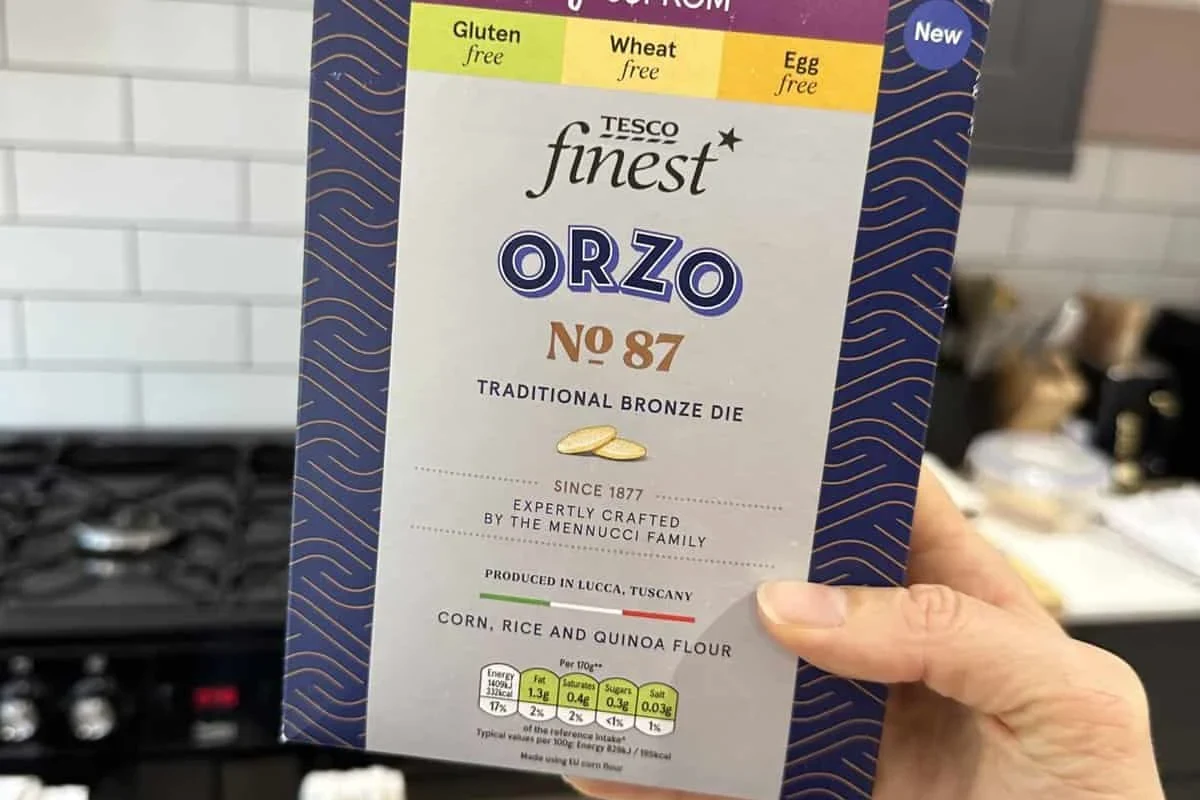
Orzo can be gluten free when the recipe changes. Brands may use rice flour, corn flour, or lentil flour.
Even then, you still need to check the label. Some products are made in shared plants, which can matter for strict gluten free diets.
Orzo is a pasta shape, not a grain. The shape can stay the same while the ingredients change.
What Orzo Is Made From
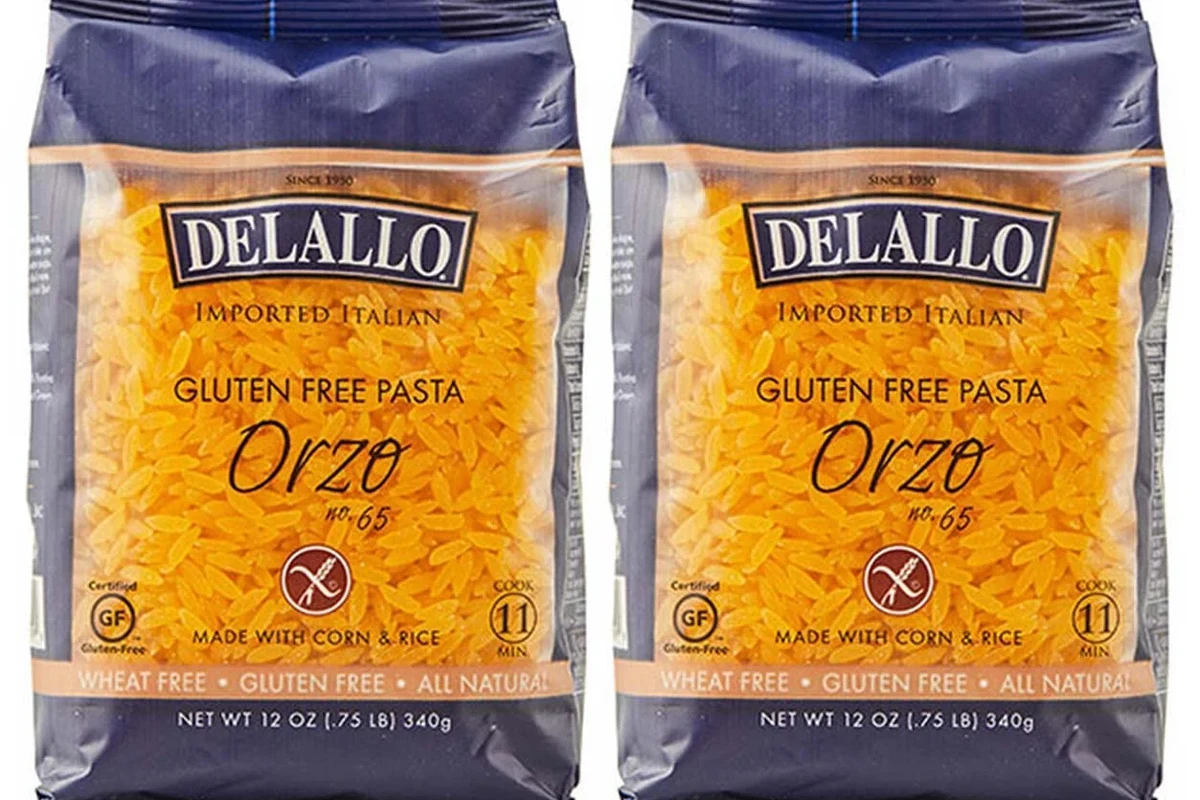
Orzo looks a lot like rice, but it is usually pasta. The ingredient list tells you what it really is.
For shoppers, that list matters more than the shape on the front of the box.
Common ingredients in traditional orzo
Traditional orzo often uses wheat flour and water. Some versions also use semolina, which is made from durum wheat.
That means regular orzo is not safe for gluten free diets.
How wheat-based orzo affects people with gluten needs
People with celiac disease need to avoid gluten completely. Even small amounts can cause problems.
People with gluten sensitivity may also react to wheat-based orzo. The safest move is to choose a product made and labeled for gluten free use.
If you have celiac disease, do not rely on guesses. Read the full ingredient list and look for a gluten free claim.
Gluten Free Orzo Options to Look For
Gluten free orzo is a real option, but it may not taste exactly like wheat orzo. The best choice depends on your recipe and your texture goals.
Rice, corn, and legume based orzo
Rice-based orzo usually has a mild taste and a soft bite. Corn-based orzo can work well in baked dishes and soups.
Legume-based orzo, such as lentil or chickpea versions, often adds more protein and a firmer texture.
Best when you want a mild flavor and familiar look.
Good for soups and simple pasta salads.
Helpful when you want more protein and a firmer bite.
How to read labels for safe choices
Start with the ingredient list. If wheat, barley, rye, or malt appear, skip it.
Then look for a gluten free statement. For strict diets, check for shared equipment or shared facility notes too.
What certified gluten free means
Certified gluten free means the product meets a set standard from a certifying group. That can offer extra peace of mind.
It does not remove every risk, but it helps you narrow your choices faster.
Orzo can show up in soups, pilafs, and salads because it cooks faster than many larger pasta shapes.
How to Use Gluten Free Orzo in Everyday Cooking
Gluten free orzo works best in dishes where a little texture change won’t matter much. Think soups, cold salads, and easy side dishes.
If you want a perfect stand-in for wheat orzo, keep your expectations flexible. The texture can vary a lot by brand.
Best recipes for soups, salads, and side dishes
Soup is one of the easiest uses because the broth adds flavor. Pasta salad also works well, since dressings help cover small texture differences.
For a simple side, toss cooked gluten free orzo with olive oil, herbs, and vegetables.
Texture differences you may notice
Gluten free orzo may feel softer, firmer, or a bit more delicate than wheat orzo. Some brands hold shape well, while others break apart more easily.
That is normal. It does not always mean the product is bad.
Cooking tips to keep it from getting mushy
Watch the pot closely near the end of cooking. Gluten free pasta can go from firm to mushy fast.
- Stir early to prevent clumps.
- Check doneness a minute or two before the box says.
- Drain right away when it feels just tender.
- Rinse only if the package suggests it or your recipe needs it.
Benefits and Limits of Gluten Free Orzo
Gluten free orzo gives more people a way to enjoy the same shape and style of dish. Still, it has trade-offs.
Knowing both sides helps you choose the right box.
Who it works well for
It works well for people with celiac disease, gluten sensitivity, or wheat avoidance. It also helps when you cook for a mixed group.
For example, one pot of soup can serve both gluten free and regular eaters if you choose the right pasta.
Where it falls short compared with wheat orzo
Some gluten free versions have a softer bite. Others can break more easily after cooking.
Wheat orzo still wins for the most classic pasta texture and flavor.
Cost and value considerations
Gluten free pasta often costs more than regular pasta. That is common across many specialty foods.
Value comes down to how well the texture fits your recipe and how important gluten free safety is in your home.
Common Mistakes People Make When Buying Orzo
Orzo can be tricky because the shape looks harmless. The real risk hides in the ingredients and the label details.
Confusing orzo with rice
Orzo looks like rice, but it is often pasta. That visual mix-up causes a lot of buying mistakes.
Always check the package. The shape alone does not tell you if it is gluten free.
Missing hidden gluten in flavored products
Seasoned orzo mixes can contain wheat ingredients in the seasoning blend. Broth powders, sauces, and spice mixes can also add gluten.
Plain gluten free orzo is usually the safer pick if you want full control.
Trusting the front label only
Front labels can be helpful, but they are not enough on their own. Turn the box over and read the full ingredient list.
If the package says gluten free, still check for allergen notes and shared equipment warnings.
- Read the ingredient list every time.
- Look for a clear gluten free claim.
- Choose plain varieties for the safest start.
- Do not assume all small pasta is rice.
- Do not trust flavored mixes without checking.
- Do not buy based on the front of the box alone.
Safety Tips for Celiac Disease and Gluten Sensitivity
For celiac disease, the label matters, but the kitchen matters too. Cross contact can happen during storage, prep, or serving.
That is why careful handling is just as important as the product itself.
Cross contact risks in stores and kitchens
In stores, bulk bins and loose scoops can create cross contact risk. At home, shared strainers, pots, and spoons can also spread gluten.
Use clean tools and separate storage when possible.
Follow the package directions and keep gluten free pasta away from shared crumbs, flour, and cooking water.
When to choose certified products only
If your diet must stay very strict, certified products are often the safer pick. They give you one more layer of confidence.
That can matter when you cook for kids, guests, or anyone with strong gluten limits.
How to store gluten free orzo safely
Store it in a sealed container in a dry place. Keep it away from flour, breadcrumbs, and open pasta boxes.
If you buy a large bag, label it clearly so no one mixes it up with wheat pasta.
Final Verdict: Should You Buy Gluten Free Orzo?
Yes, if you need to avoid gluten, gluten free orzo can be a smart pantry staple. It gives you the same small pasta shape without the wheat.
The key is choosing the right type for your needs and checking the label carefully.
Best choice for strict gluten free diets
For strict diets, pick a certified gluten free orzo when possible. That is the most cautious route.
It is especially helpful when celiac safety is the top priority.
Best choice for taste and texture balance
If you care most about a familiar pasta feel, rice-based orzo is a good place to start. If you want more bite, try a legume-based version.
For soups and salads, either can work well with the right recipe.
Simple recommendation from the Red Kitchen Project Editorial Team
Our simple take is this. Regular orzo is not gluten free, but good gluten free versions do exist.
Choose plain, clearly labeled products first. Then test them in a recipe where small texture changes won’t ruin the dish.
- Most orzo contains wheat and is not gluten free.
- Gluten free orzo can be made from rice, corn, or legumes.
- Read labels closely and watch for cross contact.
- Soups, salads, and side dishes are the best uses.
Frequently Asked Questions
No. Most regular orzo is made from wheat, so it contains gluten. Check the ingredient list and look for a gluten free label if you need a safe option.
Gluten free orzo is often made from rice, corn, or legumes like lentils or chickpeas. The exact ingredients vary by brand, so read the package carefully.
Choose a product that is clearly labeled gluten free, and certified if possible. Also check for shared equipment or shared facility notes to reduce cross contact risk.
Not always. Some gluten free versions cook softer or break more easily, so start checking doneness early and follow the package directions closely.
Soups, pasta salads, and simple side dishes usually work best. These recipes hide small texture changes better than dishes that need a very firm pasta bite.
Keep it sealed in a dry place and away from wheat pasta, flour, and crumbs. Use clean tools and containers to prevent cross contact in the kitchen.