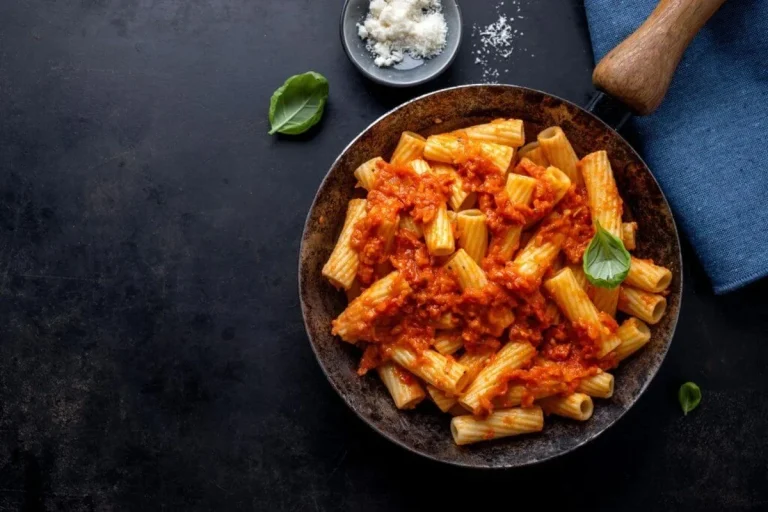
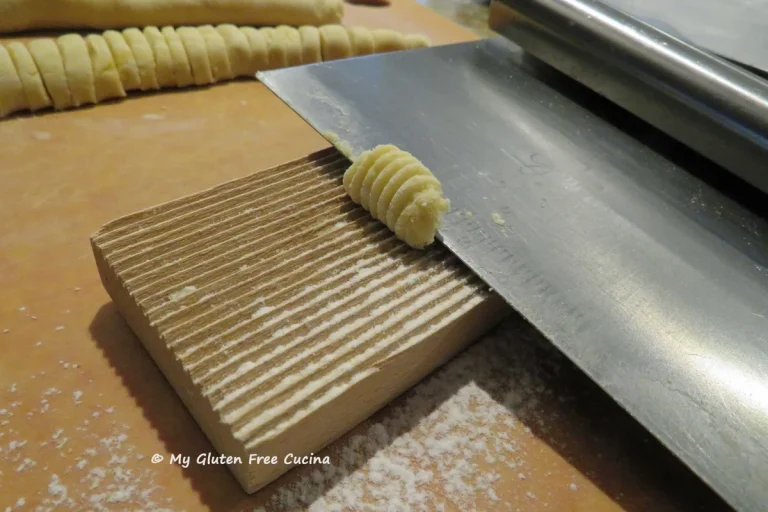
Is Rice Healthier Than Pasta Which Is Better for You

Rice is not always healthier than pasta. For most people, whole grain pasta has a slight edge, while brown rice is the better rice choice.
Is rice healthier than pasta? The short answer is: it depends on the type, the portion, and your goal. For many people, pasta has a small edge for fullness and blood sugar control, while rice can fit well in lighter meals and gluten-free diets.
- Best overall: Whole grain pasta often wins for fullness and fiber.
- Best rice option: Brown rice is usually better than white rice.
- Blood sugar: White rice often raises it faster than pasta.
- Main factor: Portion size and toppings matter more than the starch alone.
Is Rice Healthier Than Pasta? The Short Answer
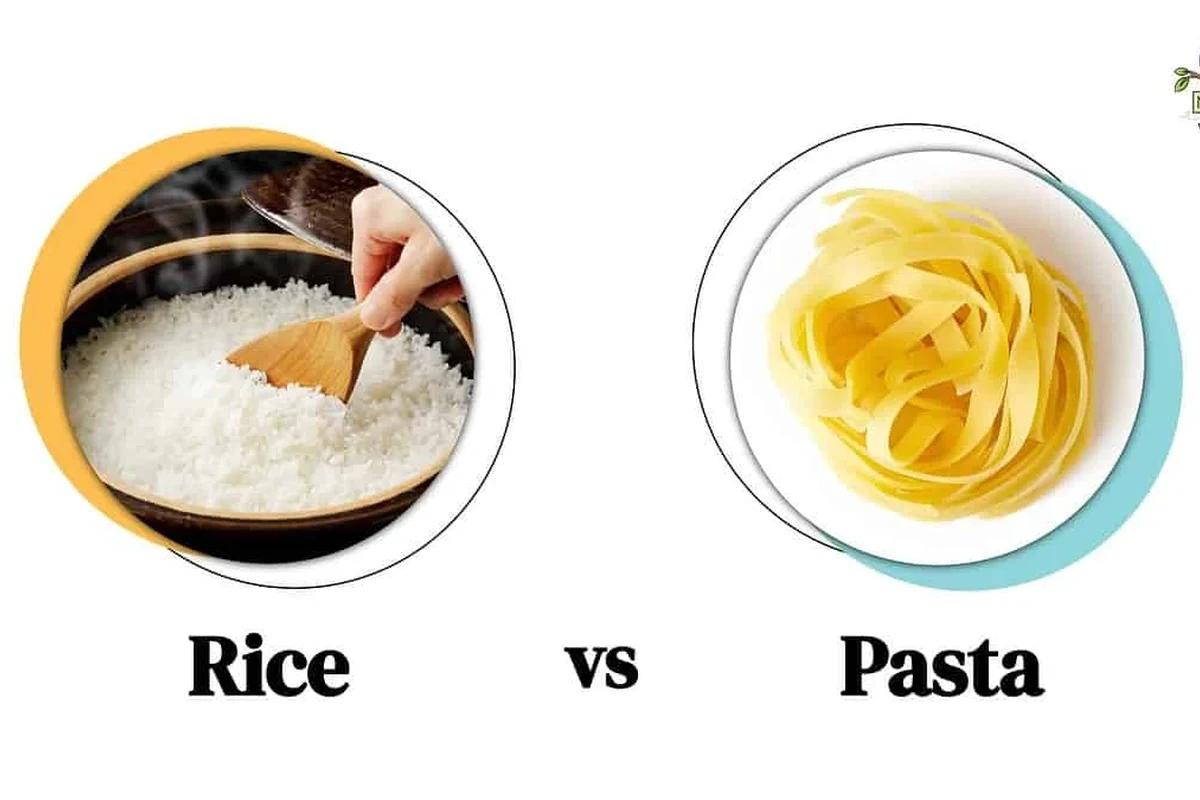
There’s no single winner for every person. White rice and white pasta are both refined starches, so they can be pretty close in calories and carbs.
The better choice depends on what you need from the meal. If you want more fiber and a slower rise in blood sugar, whole grain pasta often does better. If you need a simple side that pairs well with many dishes, rice can be the easier fit.
What “healthier” really means in this comparison
“Healthier” can mean different things. It may mean fewer calories, more fiber, better blood sugar control, or better fit for a medical need.
It can also mean a food helps you feel full longer. Or it may mean it works better with your budget, time, and cooking style.
The quick verdict for most everyday eaters
For most people, pasta has a slight edge when you choose whole grain or cook it al dente. That combo can slow digestion a bit and help with fullness.
Rice is not “bad,” though. Brown rice and well-balanced rice bowls can be a smart choice, especially when you add vegetables, beans, fish, eggs, or lean meat.
Rice vs Pasta: Nutrition Basics You Need to Know
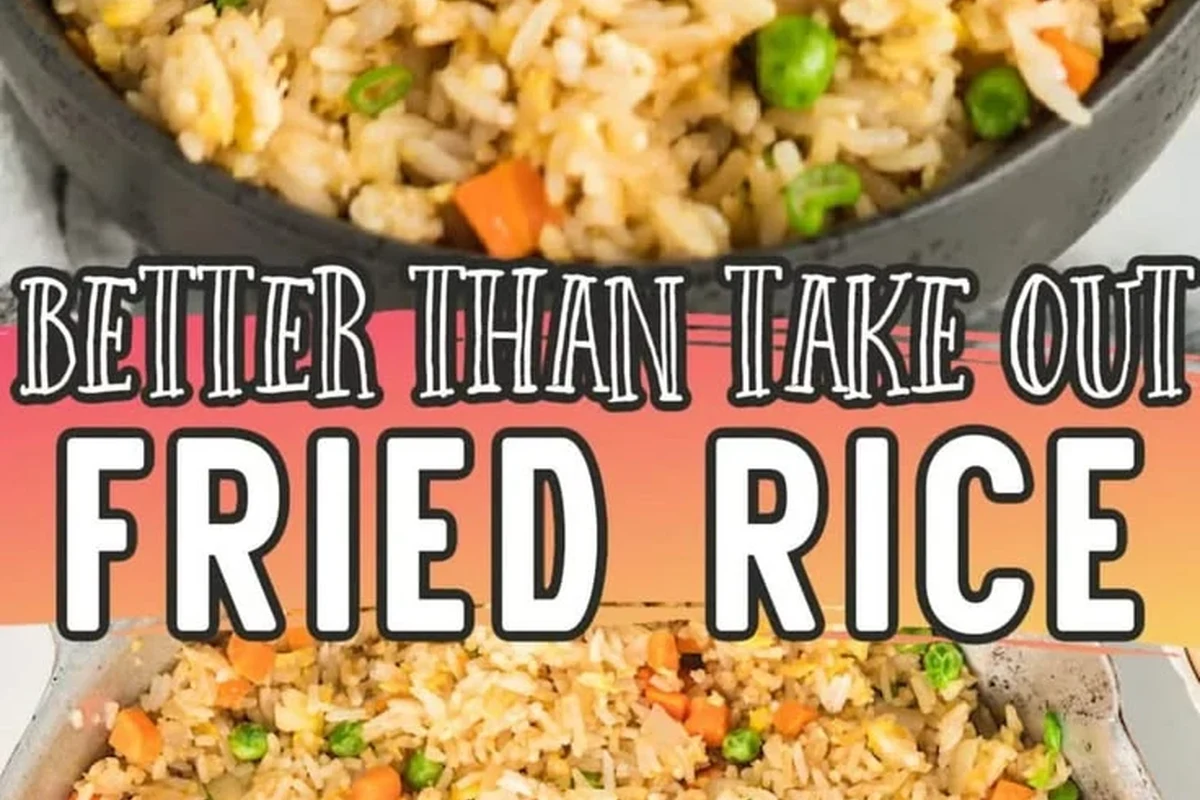
Rice and pasta both start as carb-rich staple foods. The real difference comes from the grain type, the serving size, and what you serve with them.
Calories, carbs, and portion size
White rice and plain pasta are both energy-dense in normal servings. That means it’s easy to eat more than you planned.
A bigger bowl can turn a simple side into a heavy meal. That matters more than the food label alone.
Serving sizes vary by brand, shape, and whether the food is cooked or dry. Always check the package label for the best comparison.
Protein, fiber, and satiety
Plain white rice and regular white pasta are both low in fiber. They also do not give much protein on their own.
Whole wheat pasta usually gives more fiber. That can help you feel full longer. Brown rice also brings more fiber than white rice, though the difference can still be modest.
Helps slow digestion and can improve fullness.
Supports a more balanced meal when paired with other foods.
Vitamins, minerals, and fortification
Some pasta and rice products are enriched or fortified. That means manufacturers add back certain vitamins and minerals.
Fortification varies by brand and region. So it’s smart to read the label instead of guessing.
Whole grain foods keep more of the grain’s natural parts, which often means more fiber.
How Rice and Pasta Affect Blood Sugar and Energy
Blood sugar response matters for many readers. It can affect energy, hunger, and how steady you feel after a meal.
Why white rice can raise blood sugar faster
White rice is often digested quickly. That can lead to a faster rise in blood sugar for some people.
Portion size matters too. A large serving can raise the effect, even if the food seems simple.
How pasta shape and cooking style change digestion
Pasta often digests more slowly than rice, especially when cooked al dente. That firmer texture can help slow the rise in blood sugar.
Shape also plays a role, but not as much as the grain type and cooking time. A heavy sauce can change the whole meal, too.
When brown rice or whole wheat pasta may help
Brown rice and whole wheat pasta often bring more fiber than refined versions. That can support steadier energy and better fullness.
They are not magic foods. But they can be useful swaps when you want a more filling meal.
- Pair starches with protein and vegetables.
- Keep portions modest when blood sugar matters.
- Choose firmer pasta if you want slower digestion.
Which One Is Better for Weight Loss, Sports, and Busy Meals?
The best choice changes with your day. A food that works for a runner may not be the best pick for someone trying to stay full at work.
Best choice for weight loss and hunger control
For weight loss, the winner is often the food that keeps you full with fewer calories. Whole grain pasta often has the edge here because it may be more filling.
That said, rice can work well if you keep the portion smaller and build a balanced bowl. The sauce and sides matter just as much as the starch.
- Whole grain pasta can help with fullness.
- Rice bowls are easy to portion and customize.
- Large servings of either food can add up fast.
- Heavy sauces can cancel out the lighter choice.
Best choice for athletes and active families
Athletes often need easy carbs for energy. In that case, either rice or pasta can work well.
Rice is often nice after training because it’s mild and easy to digest. Pasta can also be a strong choice before or after activity, especially when paired with lean protein.
Best choice for quick weeknight dinners
Rice and pasta both save time, but the best option depends on your routine. Rice works well in bowls, stir-fries, and leftovers.
Pasta is often faster for one-pot meals and pantry dinners. If you want the simplest path, choose the one you can dress up with vegetables and protein fast.
Best for bowls, stir-fries, and mild meals.
Best for quick sauced dinners and hearty plates.
Ingredients and Specs That Matter When You Shop
When you shop, the label tells you more than the package front. Grain type, fiber, and added ingredients all matter.
White, brown, whole grain, and protein-enriched options
White rice and white pasta are the most refined. They tend to be softer, lighter, and quicker to cook.
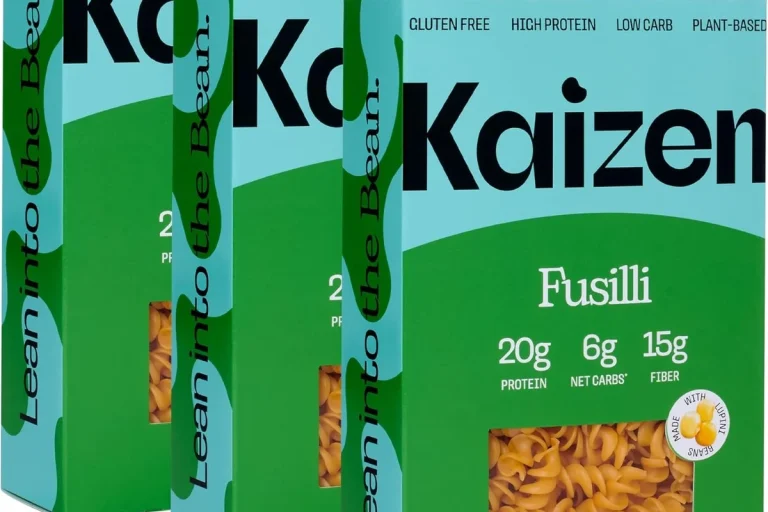
Brown rice and whole wheat pasta keep more of the grain. Protein-enriched pasta can also help if you want more protein in the bowl.
Gluten-free needs and allergy concerns
Rice is naturally gluten-free, which makes it a common choice for gluten-free eaters. Plain rice can still face cross-contact during processing, so the label matters.
Regular wheat pasta contains gluten. If you need to avoid gluten, choose a certified gluten-free pasta and check the package carefully.
If you have celiac disease or a food allergy, read labels closely and follow medical advice. Product formulas can change without much notice.
Budget, shelf life, and pantry value
Both rice and pasta are usually good pantry staples. They store well and can stretch into many meals.
White rice often has a long shelf life when kept dry and sealed. Pasta also stores well, but different shapes and specialty types may vary in price and texture.
Common Mistakes People Make With Rice and Pasta
Most problems come from cooking habits, not from the foods themselves. A few small changes can make either option a lot better.
Overcooking, oversized portions, and heavy sauces
Overcooked pasta can turn soft and less satisfying. Overcooked rice can turn mushy and heavy.
Huge portions and creamy sauces can turn a simple starch into a high-calorie meal. That’s where many people lose track.
Choosing the wrong grain for the meal
Some meals want rice. Others want pasta. For example, a tomato-based sauce often feels more at home with pasta.
A curry, stir-fry, or grain bowl often works better with rice. Matching the food to the dish makes the meal feel more complete.
Ignoring sodium, fat, and add-ins
The starch is only part of the story. Jarred sauces, butter, cheese, and salty toppings can change the nutrition fast.
If you want a healthier plate, watch the extras first. That’s often where the biggest shift happens.
- Use vegetables to add volume and fiber.
- Measure sauces instead of pouring freely.
- Keep portions in line with your goal.
- Building a meal around only starch and sauce.
- Assuming brown means unlimited.
- Ignoring the label on flavored mixes.
Safe, Smart Ways to Cook and Store Both
Food safety matters just as much as nutrition. Rice, in particular, needs careful handling after cooking.
Food safety tips for cooked rice
Cooked rice should not sit out too long at room temperature. Cool it quickly, then refrigerate it soon after serving.
Reheat rice until it’s steaming hot all the way through. If rice smells off, looks odd, or sat out too long, it’s safer to throw it out.
Follow food-safety guidance for cooked rice. When in doubt, don’t taste food that may have been held too long.
Storage and reheating tips for pasta
Cooked pasta also needs quick cooling and safe storage. Put it in a shallow container so it cools faster.
When reheating, add a little water or sauce if needed. That helps bring back moisture without making it gummy.
How to build a more balanced bowl or plate
A better bowl starts with a smaller starch base. Then add protein, vegetables, and a sauce that doesn’t drown the whole dish.
That simple mix helps with fullness and balance. It also makes both rice and pasta taste more complete.
- Rice and pasta can both fit a healthy diet.
- Whole grain pasta often wins for fullness.
- Brown rice is a smart upgrade from white rice.
- Portion size and toppings matter more than most people think.
Final Verdict: Which One Should You Choose?
If you want the simplest answer, choose the one that fits your meal and your goals. For many people, whole grain pasta has a small advantage for fullness and blood sugar control.
But rice still wins in plenty of kitchens. It’s flexible, easy to pair, and often a better match for gluten-free meals and many global dishes.
Best overall pick for most people
For most everyday eaters, whole grain pasta is the better default when you want more fiber and steady energy. It can be a little more filling than white rice.
If you prefer rice, brown rice is the better pick over white rice when you want more nutrition from the grain itself.
Best pick for specific diets and goals
Choose rice if you need gluten-free meals, mild flavors, or simple bowl-style dinners. Choose pasta if you want a firmer texture, easy portion control, or a more filling base.
If you’re active, either one can work. If you’re watching blood sugar, the type and cooking style matter more than the label on the box.
Simple takeaway from the Red Kitchen Project Editorial Team
The best answer to “is rice healthier than pasta” is that neither one always wins. The healthier choice depends on the grain, the portion, and what you serve with it.
In short, pick whole grain pasta or brown rice when you can, keep portions sensible, and build the plate around protein and vegetables.
Frequently Asked Questions
Not always. Whole grain pasta often has a small edge for fiber and fullness, but brown rice can also be a smart choice.
White rice often raises blood sugar faster than pasta. Pasta, especially when cooked al dente, usually digests more slowly.
Brown rice usually gives more fiber and keeps more of the grain. That makes it a better everyday pick for many people.
Often, yes. Whole wheat pasta usually has more fiber, which can help with fullness and steady energy.
The better choice is usually the one that helps you stay full with a sensible portion. Whole grain pasta often works well, but rice can fit too.
Add vegetables, lean protein, and a lighter sauce. Keep portions moderate and choose whole grain options when possible.