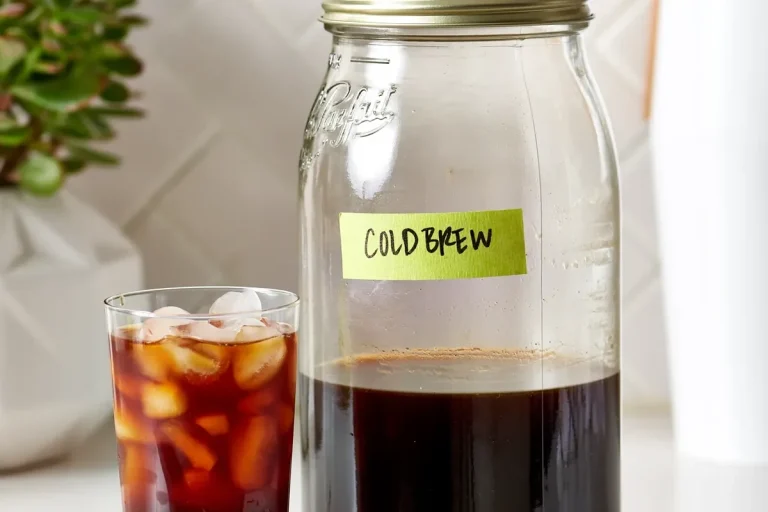
Do Cold Brew Coffee Makers Work and Are They Worth It

Yes, cold brew coffee makers work, and they make the process cleaner and easier. They’re worth it if you brew cold coffee often, but a simple jar can still be enough for casual use.
Yes, cold brew coffee makers do work. They make smooth coffee by steeping grounds in cold or room-temp water, then filtering the brew cleanly.
They are worth it if you like cold brew often and want less mess than a jar and strainer. If you only make it now and then, a simple pitcher may be enough.
- They work: Cold brew makers steep coffee slowly and filter it cleanly.
- Grind matters: Coarse grounds usually give the best results.
- Cleanup matters: Fresh washing helps taste and keeps parts working well.
- Best for frequent use: Daily cold brew fans get the most value.
- Simple tools can work: A jar or pitcher may be enough for rare batches.
Do Cold Brew Coffee Makers Work? The Short Answer
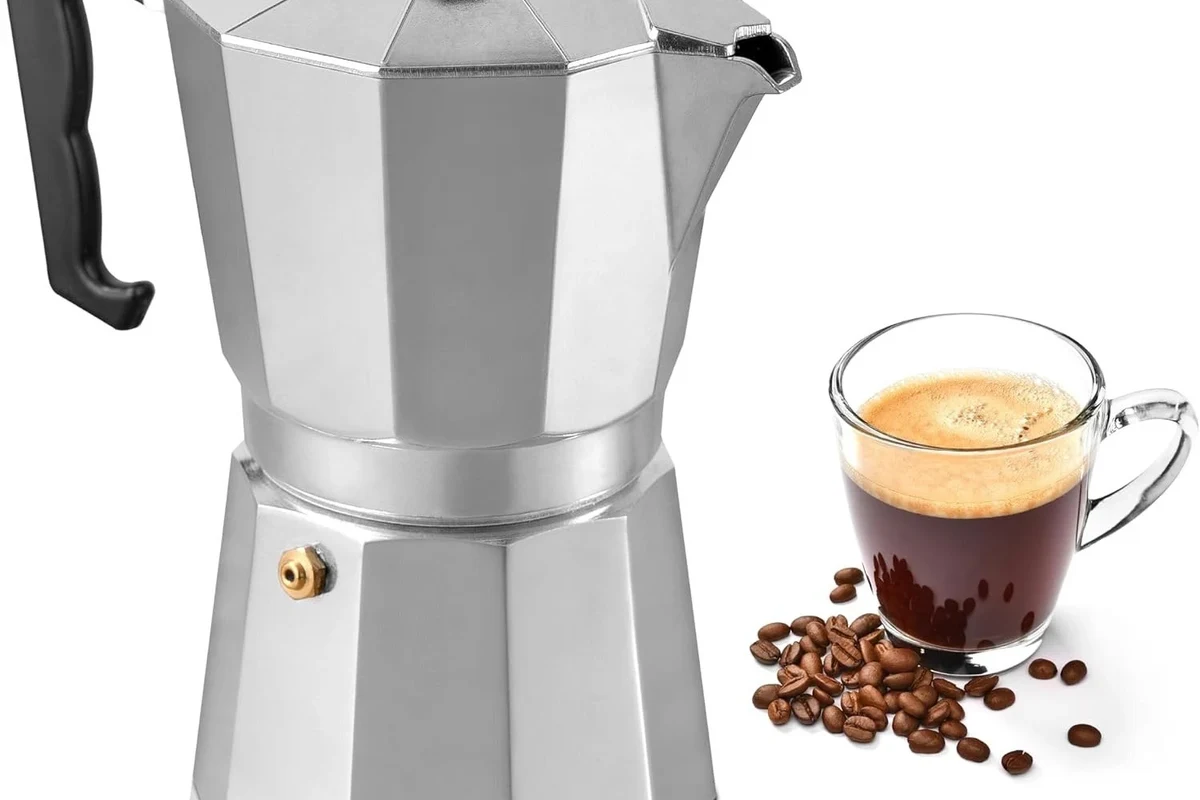
Cold brew coffee makers work very well for most home kitchens. They do not make coffee fast, but they do make the process easier and cleaner.
The basic idea is simple. The maker holds coffee grounds and water together for several hours, then helps you separate the liquid from the grounds.
That means less guesswork and less mess. It also helps you get a more even result than when you strain by hand.
How Cold Brew Coffee Makers Work
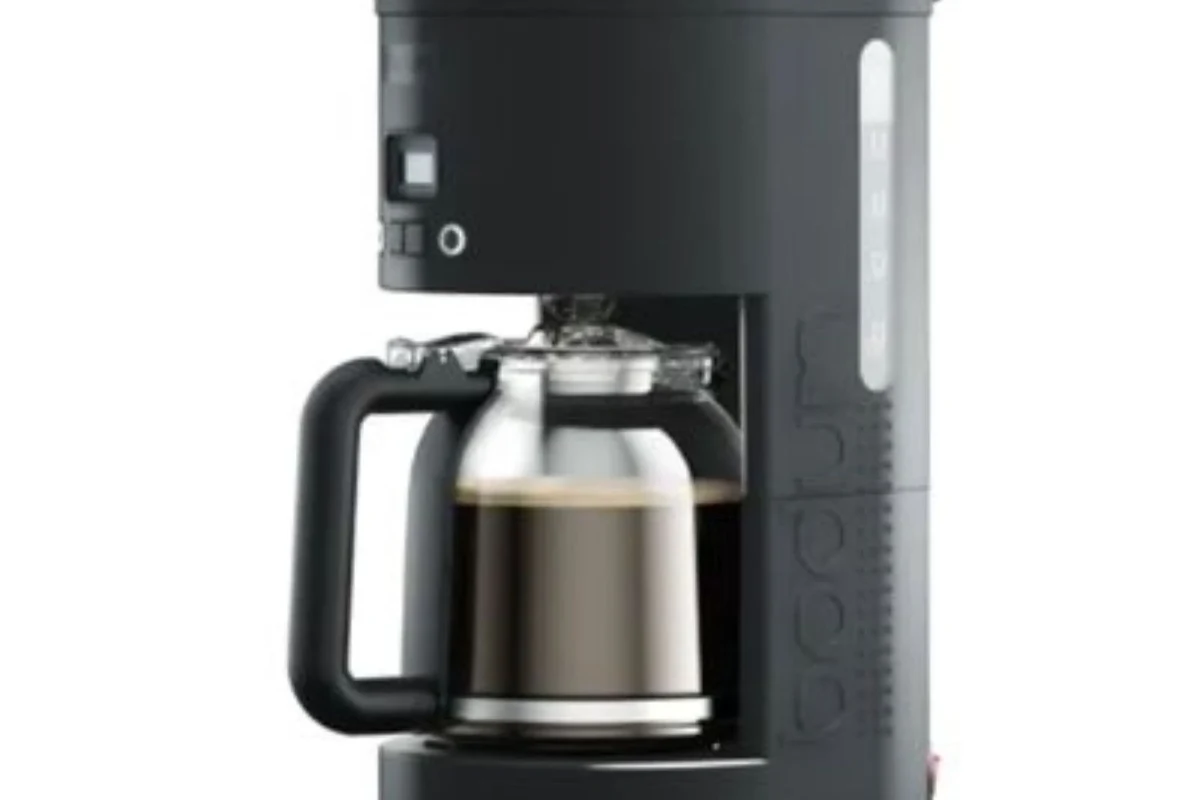
Cold brew coffee makers use time instead of heat. The water slowly pulls flavor from the coffee grounds while they sit together.
Most models use a basket, chamber, or filter insert. Some also include a lid and a serving pitcher.
What the maker does during steeping
During steeping, the maker keeps the grounds in contact with the water. This lets the coffee flavor move into the liquid over time.
The filter or basket keeps most grounds out of the final drink. That is why cold brew makers often give you a cleaner cup than a basic jar.
They also help with pouring and storage. Many models let you brew and serve from the same container.
Cold brew usually tastes less sharp than hot coffee because heat changes how flavor compounds come out.
Why grind size, water, and time matter
Grind size matters a lot. A coarse grind usually works best because it filters better and tastes cleaner.
Water matters too. Clean, fresh water gives the best flavor, just like with hot coffee.
Time matters most of all. Too little time can taste weak. Too much time can taste flat or overly strong.
What Makes a Good Cold Brew Coffee Maker in 2026
Good cold brew makers are easy to fill, easy to clean, and easy to store. The best one for you depends on how much coffee you drink and how often you brew.
In 2026, shoppers should focus on simple design, sturdy parts, and clear filters. Fancy extras are nice, but they are not always needed.
Filter type and brew clarity
Filter type affects taste and texture. A fine filter usually gives you a cleaner cup with less grit.
Mesh filters work well, but some let fine grounds slip through. Paper filters can make the brew very clean, but they may slow things down.
If you like a smooth drink, look for a maker with a strong filter system. That matters more than a flashy shape.
Helps reduce grit in the final cup.
Makes setup and cleaning easier.
Capacity, brew time, and ease of use
Capacity matters if you drink cold brew every day. A larger maker can save time, but it also takes more fridge space.
Brew time is usually set by the recipe, not the machine. Still, a good maker should make steeping easy to manage.
Ease of use is huge. Wide openings, clear marks, and a good pour spout make daily use much simpler.
Best for one person or a small fridge.
Best for shared kitchens and larger batches.
Materials, safety, and durability
Look for materials that feel sturdy and safe for food contact. Glass, stainless steel, and strong BPA-free plastics are common choices.
Durability matters because cold brew makers often sit in the fridge for hours. Weak lids, thin seals, and flimsy filters can cause leaks or wear.
Check the manual for care rules. Some parts may be dishwasher safe, while others need hand washing.
Follow the manual for cleaning and use. If a pitcher cracks, leaks, or smells odd, stop using it.
Benefits and Limits of Cold Brew Coffee Makers
Cold brew makers have real upsides. They also have limits, and those limits matter if you want the best fit for your kitchen.
The right choice depends on your habits. A daily cold brew fan will see more value than a casual drinker.
Where they save time and effort
They save time in the daily routine, even if brewing takes hours. You can prep a batch, chill it, and pour it later.
They also cut down on mess. The built-in filter and container can replace a jar, sieve, and funnel.
That makes them handy for busy mornings. You do the work once, then enjoy coffee for days.
- Cleaner brewing process
- Less grit in the cup
- Easy batch prep for several servings
Where they fall short for some users
They are slow by nature. If you want coffee right now, cold brew is not the best path.
Some makers take up fridge space. That can be a problem in small kitchens.
They also need regular cleaning. If you hate washing filters and lids, you may not enjoy one.
- Smooth, low-acid style for many drinkers
- Easy batch brewing
- Less need for special gear
- Slow brew time
- Needs fridge space
- Cleaning takes real effort
Common Mistakes That Hurt Cold Brew Results
Most cold brew problems come from simple mistakes. The good news is that they are easy to fix.
If your coffee tastes muddy, weak, or bitter, the problem is often the grind, the steep time, or the cleanup routine.
Using the wrong coffee grind
Too fine a grind can make the brew cloudy and hard to filter. It can also leave a muddy taste.
Too coarse a grind can make the drink weak. You may end up with a thin cup that tastes more like water.
A coarse grind is usually the safest starting point. Then adjust from there if the flavor feels off.
The coffee tastes gritty or muddy.
Use a coarser grind and check that the filter fits well.
Steeping too long or too short
Short steeping can leave the brew weak and flat. Long steeping can make it taste harsh or dull.
Most makers work best when you follow the recipe or manual first. After that, small changes can help you match your taste.
Keep notes if you like to fine-tune. A little tracking goes a long way.
- Start with the manual’s steep time.
- Adjust one thing at a time.
- Taste before changing the grind again.
Poor cleanup and weak storage habits
Old coffee oils can make fresh batches taste stale. Leftover grounds can also clog filters and cause odors.
Store brewed coffee in a clean, sealed container. Keep it cold and use it within a reasonable time for the best taste.
If your maker has small parts, dry them fully before reassembling. That helps reduce smells and buildup.
- Wash parts soon after use
- Dry lids and filters fully
- Store brew in a sealed container
- Leaving grounds in the filter
- Storing coffee in an open pitcher
- Ignoring odd smells or leaks
How to Clean and Maintain a Cold Brew Coffee Maker
Good cleaning keeps the coffee tasting fresh. It also helps the maker last longer.
Most cold brew makers are simple, but they still need regular care. That is especially true for filters, seals, and lids.
Daily cleaning steps
Empty the grounds as soon as you can. Rinse the basket, filter, and pitcher with warm water.
Use mild soap if the parts allow it. Then rinse well so no soap taste remains.
Dry the parts before storage. That helps prevent odor and mildew.
Dump grounds, rinse parts, and wash with mild soap if safe.
Check seals, lids, and filters for buildup or wear.
Deep cleaning tips for filters and parts
Some filters hold onto fine oils and tiny grounds. Soaking can help, but always follow the manual first.
If a part is dishwasher safe, use that only when the maker says it is okay. Not every material handles heat the same way.
For stubborn smell, a longer wash with mild soap often helps. If a part still smells bad after cleaning, it may need replacement.
Stop using cracked, warped, or leaking parts. Replace damaged pieces instead of trying to fix them yourself.
Are Cold Brew Coffee Makers Worth It for Your Kitchen?
For many people, yes. A cold brew maker is worth it if you want easy batches, smoother coffee, and less cleanup than DIY straining.
But it is not for everyone. If you only make cold brew once in a while, a simple jar may do the job.
Best for casual drinkers
Casual drinkers may like a basic, low-cost brewer or pitcher. It gives you the cold brew experience without much setup.
This is a smart choice if you are still learning your taste. You can test how strong, smooth, or light you like it.
Best for daily cold brew fans
Daily drinkers usually get the most value from a purpose-made maker. It can make the routine faster and more consistent.
Look for easy cleaning, a good seal, and a filter that keeps grit out. Those details matter more than fancy extras.
When a simple jar or pitcher may be enough
A plain jar can work fine if you do not mind extra straining. It is also a good option if you want to save money and space.
Just remember that a jar takes more care. You will need to filter the coffee yourself and clean up the grounds after each batch.
Choose a dedicated maker for easier brewing and cleaning.
A jar or simple pitcher may be enough.
Pick a compact model or skip the appliance.
So, do cold brew coffee makers work? Yes, they do. They work best when you use the right grind, the right steep time, and a model that fits your kitchen habits.
If you want convenience and smoother coffee, they can be a smart buy. If you only brew once in a while, keep it simple and use a pitcher or jar.
Frequently Asked Questions
They can make smooth, low-grit coffee when used well. Taste still depends on grind, steep time, water, and the maker’s filter.
A coarse grind usually works best. It helps with cleaner filtering and lowers the chance of muddy coffee.
Steep time varies by recipe and model. Start with the maker’s guide, then adjust a little based on taste.
Most are not hard to clean, but they do need regular care. Rinse parts soon after use and follow the manual for filters and dishwasher-safe pieces.
It can be worth it if you brew often and want less mess. If space is tight or you brew rarely, a simple jar may be enough.
Check capacity, filter quality, cleaning steps, material safety, and warranty details. Also make sure the size fits your fridge and daily routine.