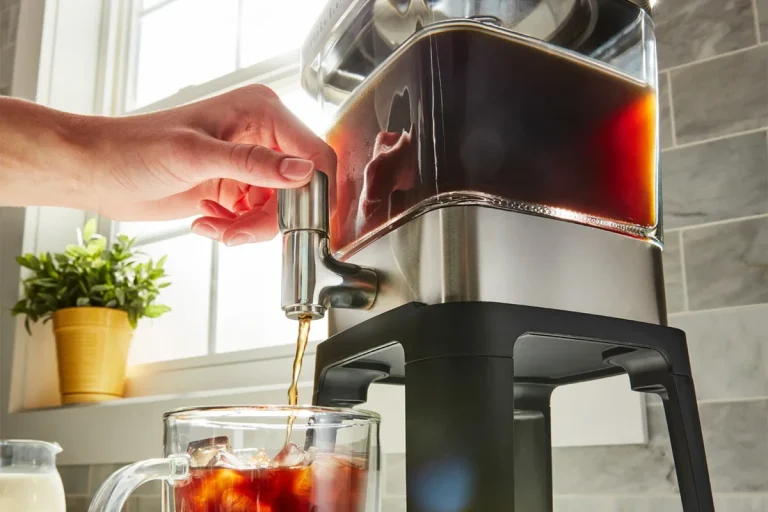
Is Cold Brew Made With Espresso The Real Answer

No, cold brew is not made with espresso. Cold brew uses coarse coffee steeped in cold water, while espresso uses fine grounds, heat, and pressure.
No, cold brew is not made with espresso. Cold brew uses coffee grounds steeped in cold or room-temperature water, while espresso uses hot water forced through fine grounds under pressure.
- Cold brew method: Uses coarse grounds and a long cold steep.
- Espresso method: Uses fine grounds, hot water, and pressure.
- Bean choice: Espresso-style beans can still work well for cold brew.
- Common mistake: Don’t use espresso grind for cold brew.
Is Cold Brew Made With Espresso? The Straight Answer
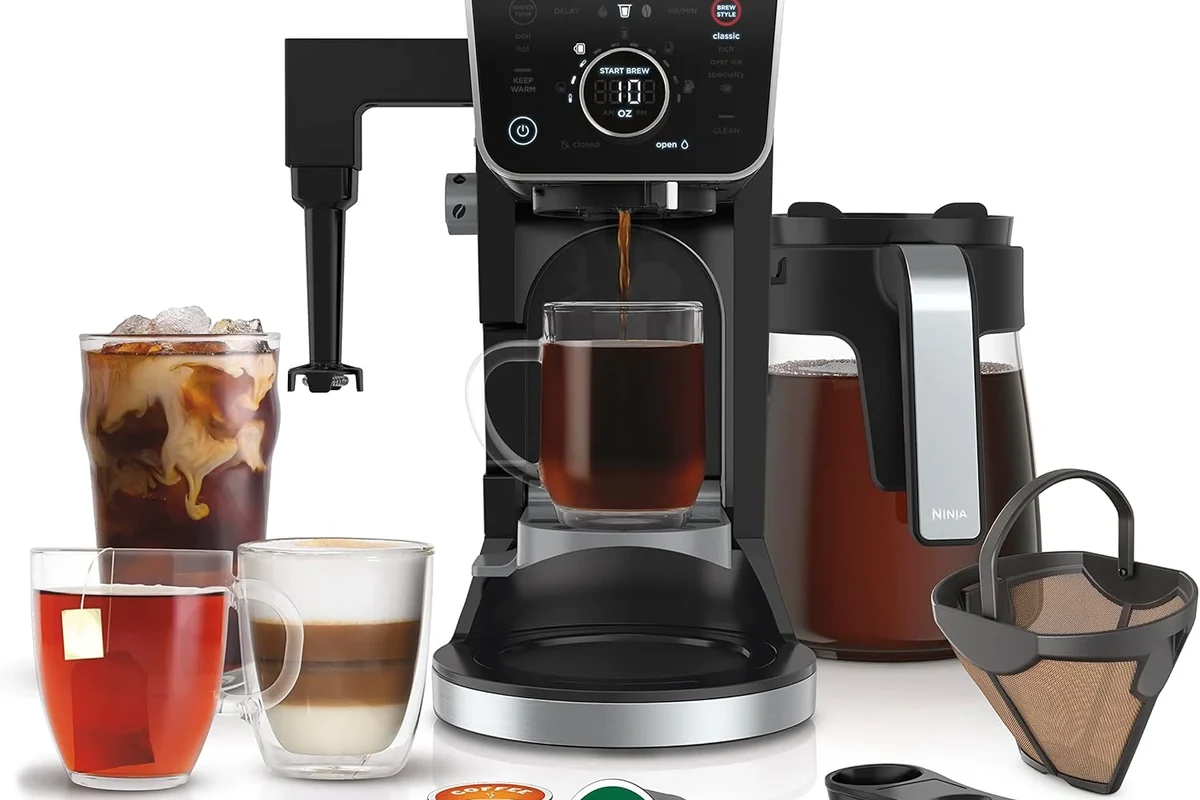
The short answer is no. Cold brew and espresso are two different coffee methods, and they start with different brew steps.
People often mix them up because both can taste strong. But strength, flavor, and brewing method are not the same thing.
Can cold brew ever contain espresso?
Yes, in a mixed drink. But then it is no longer plain cold brew. It becomes a coffee drink that includes espresso.
In short: cold brew is brewed cold, and espresso is brewed fast with heat and pressure.
Cold Brew vs Espresso: What Each Drink Is Made From
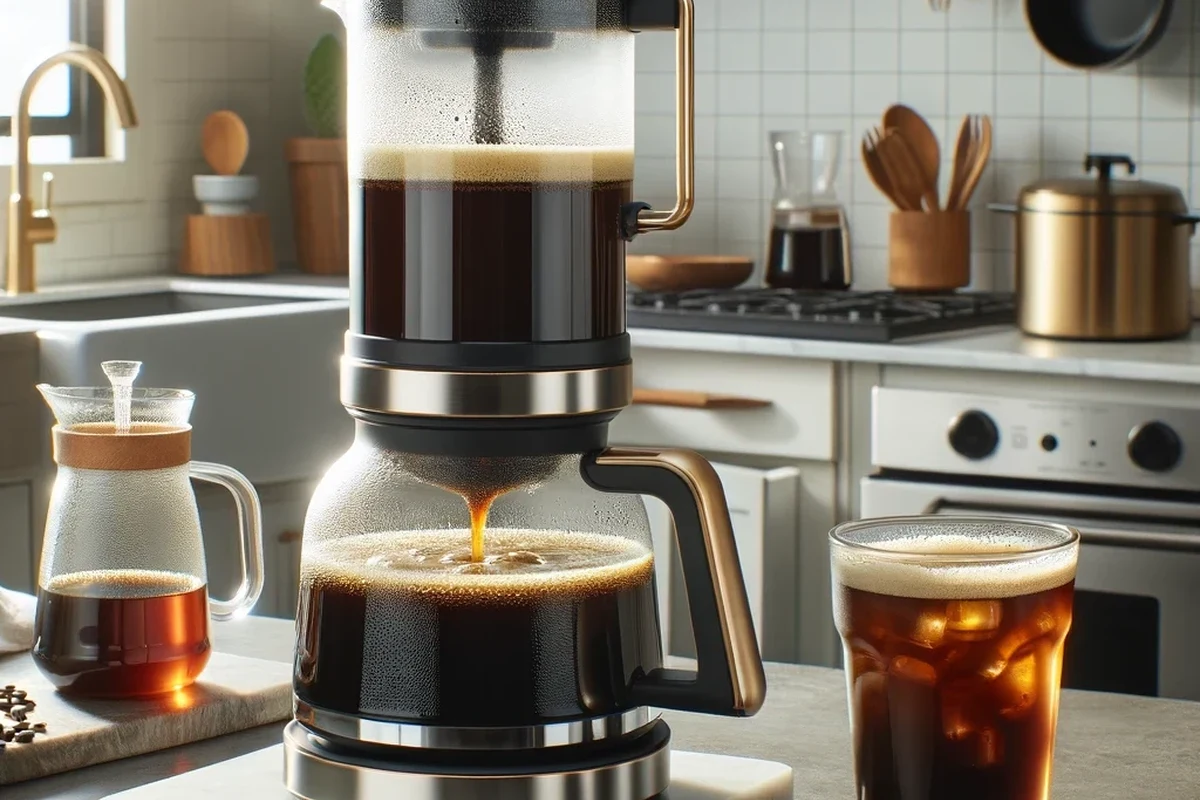
Cold brew usually starts with coarse coffee grounds and cold water. Espresso starts with finely ground coffee and hot pressurized water.
That difference changes everything. It affects taste, body, caffeine feel, and even cleanup.
Grind size, water time, and brew strength
Cold brew uses a coarse grind. The grounds sit in water for many hours, often overnight.
Espresso uses a fine grind. The shot pulls in seconds, not hours.
Coarse grounds help slow steeping and easier straining.
Fine grounds help water move fast under pressure.
Because the brew time is so different, the drinks extract different flavors. Cold brew often tastes smoother and less sharp.
Flavor, body, and caffeine differences
Cold brew often tastes mellow, round, and low in acid. Espresso tastes bold, rich, and intense.
Body also feels different. Espresso has a thick, concentrated feel. Cold brew can feel smooth, but it may also be diluted before serving.
Caffeine can vary a lot by recipe, bean, and serving size. A bigger cup of cold brew may contain more caffeine than one espresso shot, but that is not always true.
In short: cold brew is about slow extraction, while espresso is about speed and pressure.
Can You Make Cold Brew With Espresso Beans?
Yes, you can use espresso beans for cold brew. But the bean name matters less than the roast and freshness.
“Espresso beans” usually means coffee roasted for espresso use. It does not always mean a special bean type.
Why roast level matters more than the bean name
Roast level changes flavor more than the label on the bag. Medium and dark roasts often work well in cold brew.
Light roasts can work too, but they may taste brighter and less sweet. That is not bad. It just depends on what you like.
Many coffee bags labeled for espresso are just blends chosen for bold flavor and good crema in hot shots.
So if you see “espresso roast,” think flavor style, not a rule about how to brew it.
When espresso-style beans work well for cold brew
Espresso-style beans work well when you want a deeper, richer cold brew. They can be a good pick for milk drinks too.
They may not be ideal if you want a light, tea-like cold brew. In that case, a lighter roast may taste cleaner.
- Start with a small batch before changing your whole recipe.
- Adjust steep time before changing too many other variables.
- Taste the brew diluted, since concentrate can seem much stronger.
How Cold Brew Is Made Step by Step
Cold brew is simple. You mix coffee and water, let it steep, then strain it.
The exact ratio and time vary by recipe and brewer style, so check your manual if you use a device.
Basic ingredients and simple ratios
A common starting point is a coffee-to-water ratio that makes a concentrate. From there, you can dilute it to taste.
Some people prefer ready-to-drink strength from the start. Others like a concentrate for milk drinks or iced coffee.
Steep time, straining, and storage
Use coarse grounds and fully wet them.
Let it sit in the fridge or on the counter, based on the recipe.
Filter out the grounds before storing or serving.
Once strained, store cold brew in a clean, covered container. Keep it refrigerated unless your recipe says otherwise.
Do not leave brewed coffee out for long periods. Follow food-safety guidance and your brewer’s instructions for storage.
When Espresso Does Make Sense in Cold Coffee Drinks
Espresso makes sense when you want a fast, bold coffee drink. It also works well when you do not want to wait for a cold brew steep.
That does not make it cold brew. It just makes it a different way to build a cold coffee drink.
Iced lattes, americanos, and quick coffee drinks
Espresso is great for iced lattes. You can pour shots over ice, then add milk or a milk alternative.
It also works well in iced Americanos. Just add cold water and ice for a lighter drink.
Best Uses for Espresso in Cold Drinks
Espresso shines when speed matters and you want a strong, clear coffee flavor.
For example, a busy morning often calls for espresso. A weekend batch of cold brew fits better when you want make-ahead convenience.
Best use cases for espresso shots over cold brew
Choose espresso when you need speed. Choose cold brew when you want a smoother drink and less daily prep.
Espresso also works better if you already own an espresso machine. Cold brew works better if you want a low-effort, low-mess routine.
Best for make-ahead coffee and smooth flavor.
Best for fast drinks and strong coffee taste.
Common Mistakes People Make With Cold Brew and Espresso
Most mistakes come from treating these methods like they are the same. They are not.
A few small changes can make a big difference in taste and cleanup.
Using espresso grind instead of coarse grind
One common mistake is using espresso grind for cold brew. That fine grind can make the drink muddy and hard to filter.
It can also over-extract faster than you want. The result may taste bitter or dusty.
Your cold brew tastes gritty or bitter.
Switch to a coarse grind and strain with a better filter or brewer basket.
In short: use coarse grounds for cold brew and save the fine grind for espresso.
Confusing cold brew concentrate with ready-to-drink coffee
Another common mistake is serving concentrate without dilution. That can taste harsh and too strong.
Some brewers make concentrate on purpose. Others make ready-to-drink coffee. Check the recipe or manual first.
If you want a smoother cup, add water, milk, or ice in small steps until it tastes right.
Safety, Cleanup, and Storage Tips for Better Results
Good coffee also needs safe storage and easy cleanup. That matters even more with slow-steep drinks.
Clean tools help your coffee taste better, and they help reduce stale odors.
Food safety and fridge storage basics
Use clean containers and fresh water. If your recipe uses room-temperature steeping, follow safe time limits and refrigerate when needed.
Store finished coffee in the fridge in a covered container. Toss it if it smells off or tastes strange.
Follow the appliance manual and stop using damaged equipment.
Important: if a brewer, lid, or filter cracks, replace it. Do not keep using damaged parts.
Cleaning brewers, filters, and containers
Rinse grounds out right away and wash all coffee-contact parts.
Check seals, lids, and filters for wear or buildup.
Some cold brew makers have removable filters. Others use mesh baskets or paper filters. Follow the model’s cleaning steps.
Let parts dry fully before storing them. That helps cut down on smells and mold risk.
Final Verdict: What to Choose for Taste, Cost, and Ease
Cold brew is not made with espresso. It is made with coffee grounds steeped in cold water.
If you want a smooth, make-ahead drink, cold brew is the better fit. If you want speed and a bold cup, espresso wins.
Best choice for home brewers
For most home brewers, cold brew is the easier choice. It needs simple tools, little hands-on time, and basic cleanup.
It also gives you room to adjust strength and flavor without much fuss.
Choose cold brew for smooth flavor and easy batch prep. Choose espresso when you want fast, strong coffee and already own the right machine.
When to buy a cold brew maker instead of using espresso
Buy a cold brew maker if you make cold coffee often. A dedicated brewer can make steeping, straining, and pouring easier.
Stick with espresso if you mostly drink hot espresso-based drinks. For cold coffee only once in a while, a simple jar and filter may be enough.
- Cold brew and espresso are different brewing methods.
- Espresso beans can work for cold brew, but roast matters most.
- Use coarse grounds for cold brew and fine grounds for espresso.
- Choose the method that fits your taste, time, and cleanup needs.
Cold brew is not made with espresso, but espresso-style beans can still make a good cold brew. Pick the method that matches your schedule and flavor goals.
Frequently Asked Questions
Yes, you can use espresso-style beans for cold brew. The roast level matters more than the label on the bag.
Use a coarse grind for cold brew. Fine espresso grind can make the drink muddy and harder to strain.
Steep time varies by recipe and brewer. Many cold brew methods use several hours, often overnight.
Strength depends on serving size and recipe. Espresso is more concentrated, but a large cold brew can still contain a lot of caffeine.
Rinse it right after use and wash all coffee-contact parts. Follow the manual for filters, seals, and any removable pieces.
Buy a cold brew maker if you want easy make-ahead coffee and smoother flavor. Use espresso if you want fast drinks and already own an espresso machine.