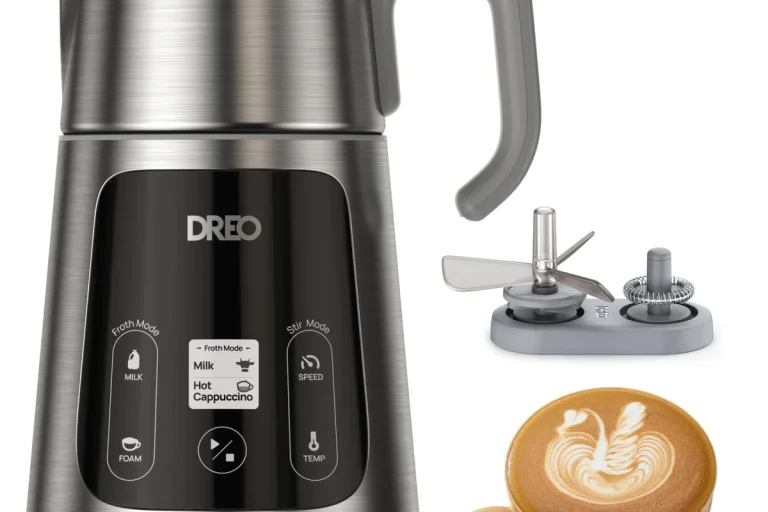
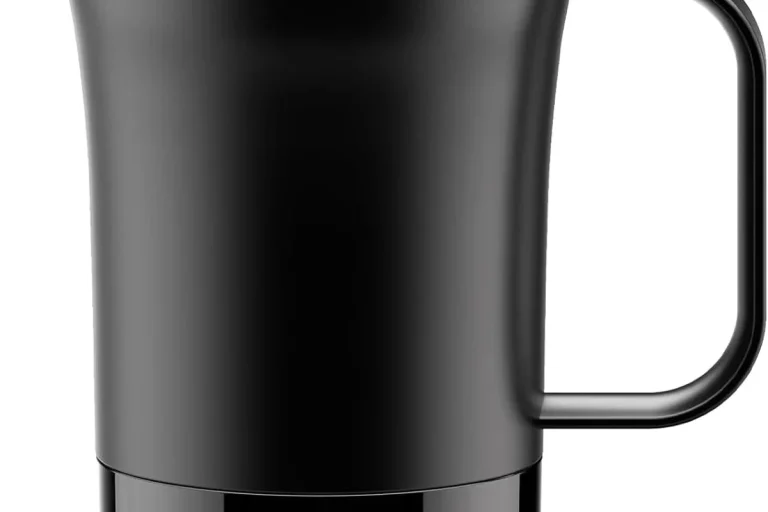
Is Electric Milk Frother Worth It for Home Coffee Lovers

Yes, an electric milk frother is worth it for many home coffee lovers. It saves time and makes foam easy, but rare users may prefer a manual tool.
If you make coffee drinks at home, an electric milk frother can be worth it. It saves time, adds foam fast, and makes drinks feel more cafe-like with very little effort.
- Best for daily use: It saves time and makes milk drinks easier.
- Capacity matters: Small frothers suit one cup, not big batches.
- Milk choice matters: Whole milk and some oat milks froth well.
- Cleanup matters: Quick washing helps taste, safety, and lifespan.
Is Electric Milk Frother Worth It for Home Coffee Lovers? The Short Answer
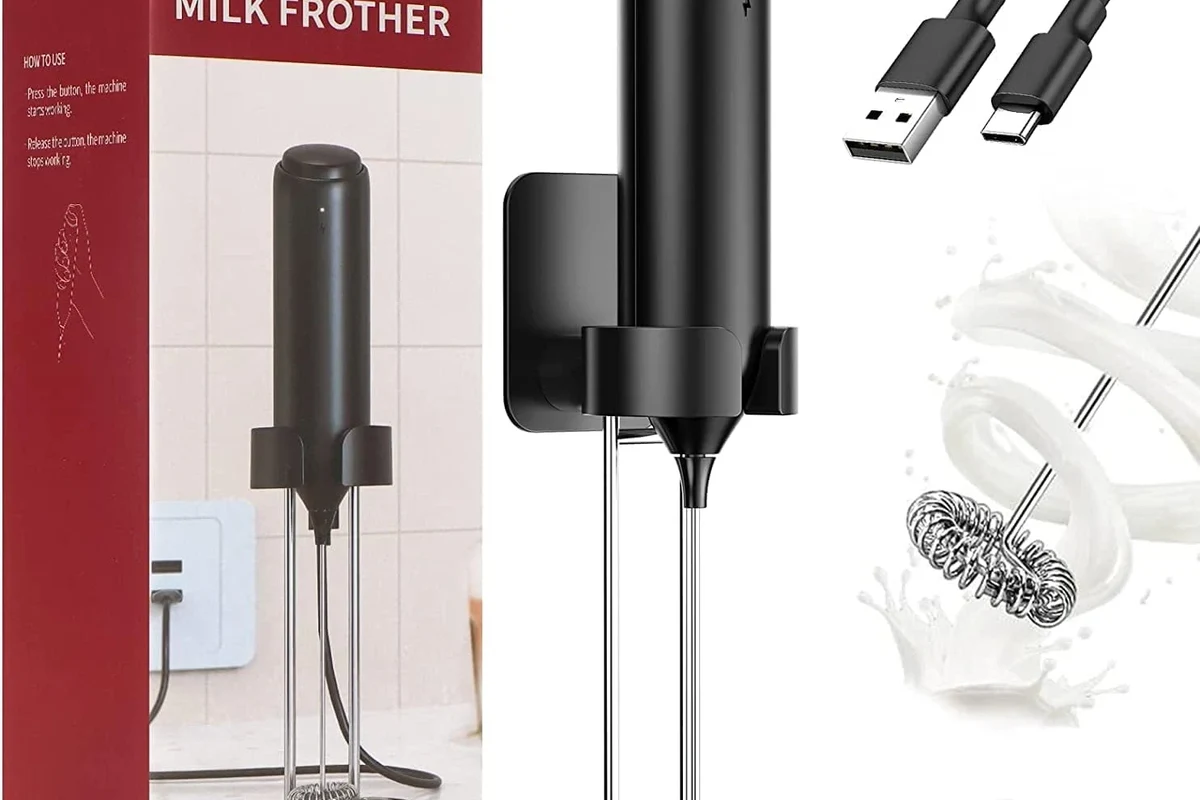
For many home coffee fans, yes. It is a small tool that can make lattes, cappuccinos, and hot chocolate feel more polished.
The real value depends on how often you use it and what you want from your drinks. If you only froth milk once in a while, a manual tool may be enough.
Who gets the most value from one
An electric milk frother makes the most sense for people who want quick results. It helps if you drink espresso drinks often and want less fuss.
It also suits busy mornings. You press a button, wait a short time, and pour.
In short: it rewards regular use more than rare use.
Who Benefits Most From an Electric Frother
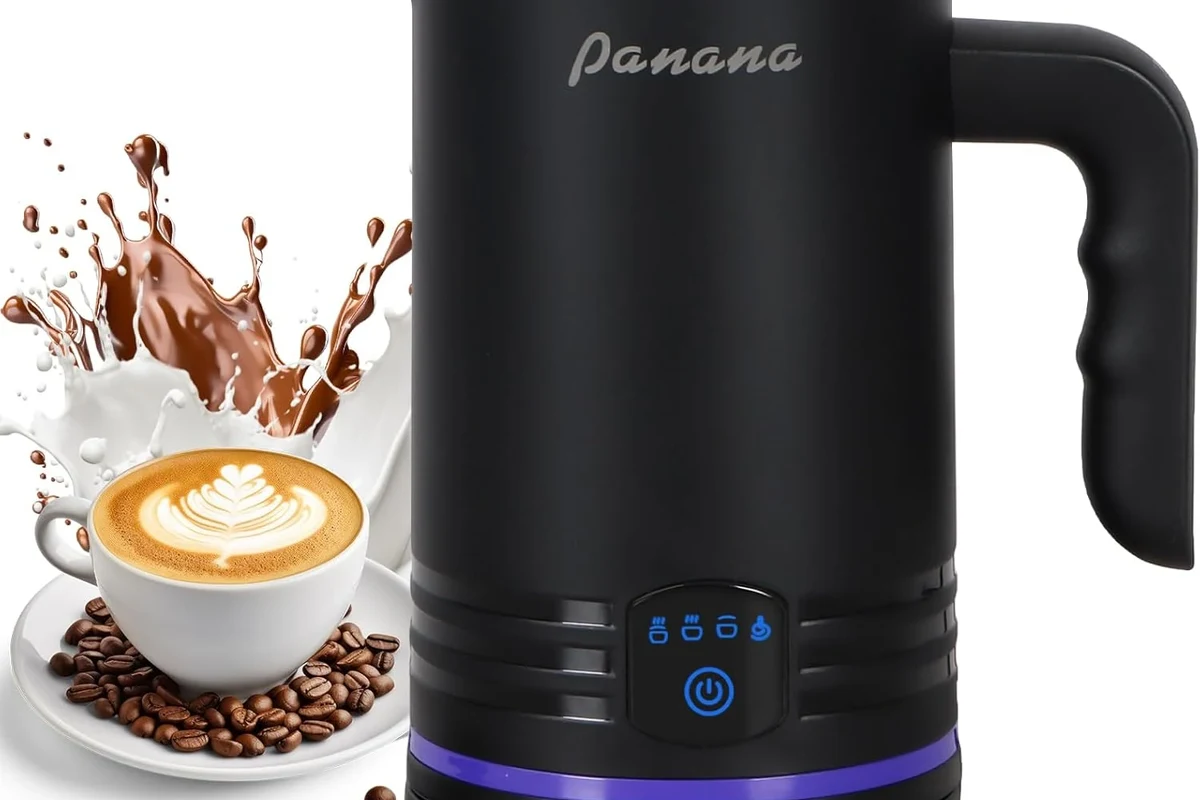
Some buyers want speed. Others want better foam with less work. This section helps you see where the tool fits.
When it may not be worth the money
It may not be worth it if you already use a steam wand well. It may also feel unnecessary if you drink black coffee most days.
Some people also dislike another item to clean and store. In a small kitchen, that matters.
If you only need warm milk now and then, a saucepan or whisk may do the job.
What an Electric Milk Frother Actually Does
An electric milk frother whips milk with a small motor or heating base. That movement adds air and changes the milk texture.
The result is a lighter, foamier drink. Some models also heat the milk at the same time.
How frothing changes milk texture
Frothing breaks up the milk in a controlled way. That creates bubbles and a smoother feel.
Good foam looks glossy and fine. It should not feel dry or full of huge bubbles.
Milk with more protein often forms better foam than milk with less protein.
Hot froth vs cold froth
Hot froth works well for lattes, cappuccinos, and mocha drinks. It gives you warm milk with foam on top.
Cold froth is useful for iced coffee and chilled drinks. It adds texture without heating the drink.
The best choice depends on your cup, your season, and your taste.
Common milk types and how they perform
Whole milk usually makes rich foam. It tends to feel creamy and stable.
Low-fat milk can foam well too. It may taste lighter, but the foam can be a bit less rich.
Plant milks vary a lot by brand. Oat milk often froths well, while some almond or soy milks need more trial and error.
Milk results vary by brand, freshness, and added stabilizers. Check the carton if the foam keeps failing.
Key Benefits and Limits of Electric Milk Frothers
These tools shine when you want speed and repeatable foam. They are not perfect, though.
Knowing both sides helps you decide with less regret.
Speed, ease, and consistency
An electric frother is simple to use. Most models need little skill.
That makes it handy for new coffee drinkers. It also helps if you want the same result every morning.
In short: it reduces guesswork.
- Fast foam with little effort
- Easy for new users
- More consistent than hand whisking
- Useful for hot and cold drinks
What they do better than manual tools
Electric frothers save arm work. They also free you to prep the rest of your drink.
They usually beat a hand whisk for speed. They also make it easier to get a more even texture.
For many people, that alone makes the tool worth it.
Where they fall short
Most frothers make smaller batches. That can be a problem for families or guests.
They also do not fully replace a real espresso steam wand. A steam wand can give you more control and a different texture.
Some models can be noisy, and some are annoying to clean. Those trade-offs matter more than people expect.
What to Look for Before You Buy
Not all frothers work the same way. A smart buy depends on how you plan to use it.
Before you choose one, check the basics.
- Capacity and dimensions
- Heat settings and foam modes
- Controls, cleaning, warranty, and safety
Capacity and batch size
Capacity matters more than many buyers think. A frother that suits one mug may not suit two.
If you make drinks for more than one person, look for a larger jug or a model made for bigger batches.
Small units save space, but they limit how much you can make at once.
Heat settings and foam modes
Some frothers only heat and froth one way. Others offer separate settings for foam, warm milk, or cold foam.
More modes can help if you like variety. They also give you more control over drink style.
Still, simple controls can be better if you want easy daily use.
Build quality, noise, and cleanup
Look for sturdy parts and a lid that fits well. Loose parts can make the tool less pleasant to use.
Noise matters too. A loud frother can be a pain early in the morning.
Cleanup should be quick. Removable parts and smooth surfaces usually help.
- Choose a model with simple controls if you want less fuss.
- Pick a size that matches your usual mug, not just one big cup.
- Check whether the whisk and lid are easy to rinse.
Price range and value for the money
Value depends on use, not just the sticker price. A low-cost frother can be a great buy if you use it often.
A pricier one may be worth it if it offers better build quality or more settings. But extra features only help if you will use them.
Varies by model, features, and retailer
Electric Milk Frother vs Other Coffee Tools
It helps to compare the frother with tools you may already own. That makes the choice clearer.
Electric Frother vs Other Milk Tools
The main difference is control versus convenience. One tool is faster and simpler. Another gives you more hands-on control.
Manual frother vs electric frother
A manual frother is cheaper and needs no plug. It can work well for small jobs.
An electric frother is easier and usually faster. It also gives more consistent results with less effort.
Manual Frother
Best for low cost, small storage needs, and light use.
VS
Electric Frother
Best for speed, ease, and more repeatable foam.
Steam wand vs electric frother
A steam wand can make excellent microfoam. It also gives you more control over milk texture.
But it takes practice and more cleanup. It also depends on the espresso machine.
An electric frother is simpler. It is a better fit for people who want easy results.
You want fast, easy foam
An electric frother keeps the process simple.
You want barista-style control
A steam wand gives you more skill-based results.
Best option for lattes, cappuccinos, and hot chocolate
For lattes, a frother works well if you want smooth milk with some foam. For cappuccinos, look for a model that makes thicker foam.
For hot chocolate, a frother can mix and warm the drink. That can be a nice bonus in winter.
Still, the best tool depends on how picky you are about texture.
Common Mistakes That Hurt Froth Quality
Bad froth often comes from small mistakes. The good news is that most are easy to fix.
Using the wrong milk
Some milks foam better than others. Very thin milk or some plant milks may give weak foam.
If your drinks keep falling flat, try a different brand or fat level. Small changes can help a lot.
Overfilling the frother
Too much milk can lead to spillover or weak foam. Froth needs room to expand.
Follow the fill line in the manual. That line matters for both safety and results.
Do not exceed the fill mark. Hot milk can spill, burn skin, and make cleanup harder.
Skipping the right temperature
Milk that gets too hot can taste scalded. It can also foam poorly.
If your model has heat settings, use them as directed. If it does not, watch the milk closely.
Not cleaning after each use
Dried milk is hard to remove. It can also affect taste the next time you use the frother.
Quick cleaning after each use keeps the tool in better shape. It also makes daily use less annoying.
The foam turns thin, lumpy, or watery.
Check the milk type, fill level, and heat setting. Then clean the whisk and jug fully.
Cleaning, Safety, and Basic Maintenance
Good care helps your frother last longer. It also keeps milk drinks tasting better.
Always follow the manual, since cleaning steps vary by model.
Follow the appliance manual and stop using damaged equipment.
Daily cleaning steps
Unplug the unit before cleaning, if the manual calls for that. Let hot parts cool first.
Rinse the jug, whisk, and lid right after use. Wipe the base only as the manual allows.
Rinse milk parts right away and dry them well.
Check for buildup, wear, loose parts, or damaged seals.
How to avoid burnt milk and damage
Use the right milk level and the right mode. That lowers the chance of scorching.
Never force a damaged lid, whisk, or base into service. If a part looks cracked or worn, replace it if the maker allows.
Simple care tips to extend lifespan
Store the frother dry. Moisture left inside can lead to odors or buildup.
Use gentle cleaning tools. Harsh scrubbing can scratch parts and make them harder to clean later.
Check the cord and plug often, if your model has one.
- Clean after each use
- Use the fill line
- Follow the manual for care
- Running the frother dry
- Submerging the base if the manual forbids it
- Using damaged parts
Final Verdict: Is an Electric Milk Frother Worth It in 2026?
For many home coffee lovers, yes, it is worth it. It is simple, fast, and helpful for daily drinks.
The best choice depends on how often you froth milk and how much control you want.
An electric milk frother is a smart buy for frequent coffee drinkers who want easy foam and quick cleanup. If you only froth milk now and then, a manual tool may be the better value.
Best choice for budget buyers
Budget buyers should look for a simple model with the right size and easy cleaning. Extra modes are nice, but not required.
The goal is solid daily use, not fancy extras.
Best choice for daily coffee drinkers
If you make milk drinks most days, an electric frother can save time and effort. It also keeps the routine more consistent.
That steady convenience is where the tool really earns its keep.
Best choice for occasional users
If you only make foamed drinks once in a while, think carefully about storage and cleanup. A manual frother may be enough.
In short: buy the electric version if convenience matters more than low cost.
- Electric frothers are best for speed and easy foam.
- They work well for lattes, cappuccinos, and hot chocolate.
- Capacity, cleanup, and milk type matter more than flashy features.
- Manual tools can still make sense for rare use or tight budgets.
Frequently Asked Questions
Capacity varies by model, so check the fill line before buying. A small frother works well for one mug, while larger models suit more than one drink.
An electric frother is faster and easier for most people. A manual frother can still work well if you only make foamy drinks now and then.
Whole milk often makes rich foam, but low-fat milk can work too. Plant milks vary by brand, so you may need to test a few options.
Clean it right after use so milk does not dry inside. Follow the manual for safe washing, especially around the base and electrical parts.
The milk type, fill level, or temperature may be off. Try a different milk, use less liquid, and make sure you are using the right setting.
Check capacity, cleaning steps, heat modes, noise, and build quality. It also helps to review the warranty and the maker’s safety instructions.