Is Orzo Pasta Healthy A Simple Guide to Know

Yes, orzo can be healthy when you keep portions sensible and build a balanced meal. Whole wheat or legume-based orzo is usually the better pick if you want more fiber or protein.
Yes, orzo pasta can be healthy. It depends on the type you buy, the portion you eat, and what you serve with it.
On its own, regular orzo is a refined grain pasta. That means it gives quick energy, but it is not very high in fiber. The good news is that orzo can still fit into a balanced diet when you build the meal the right way.
- Balance matters: Orzo works best with vegetables, protein, and healthy fat.
- Type matters: Whole wheat or protein-rich orzo usually offers more nutrition.
- Portion matters: Large servings can turn a simple pasta into a heavy meal.
- Add-ins matter: Beans, lean meat, and greens make orzo more filling.
Is Orzo Pasta Healthy? The Short Answer and What It Means
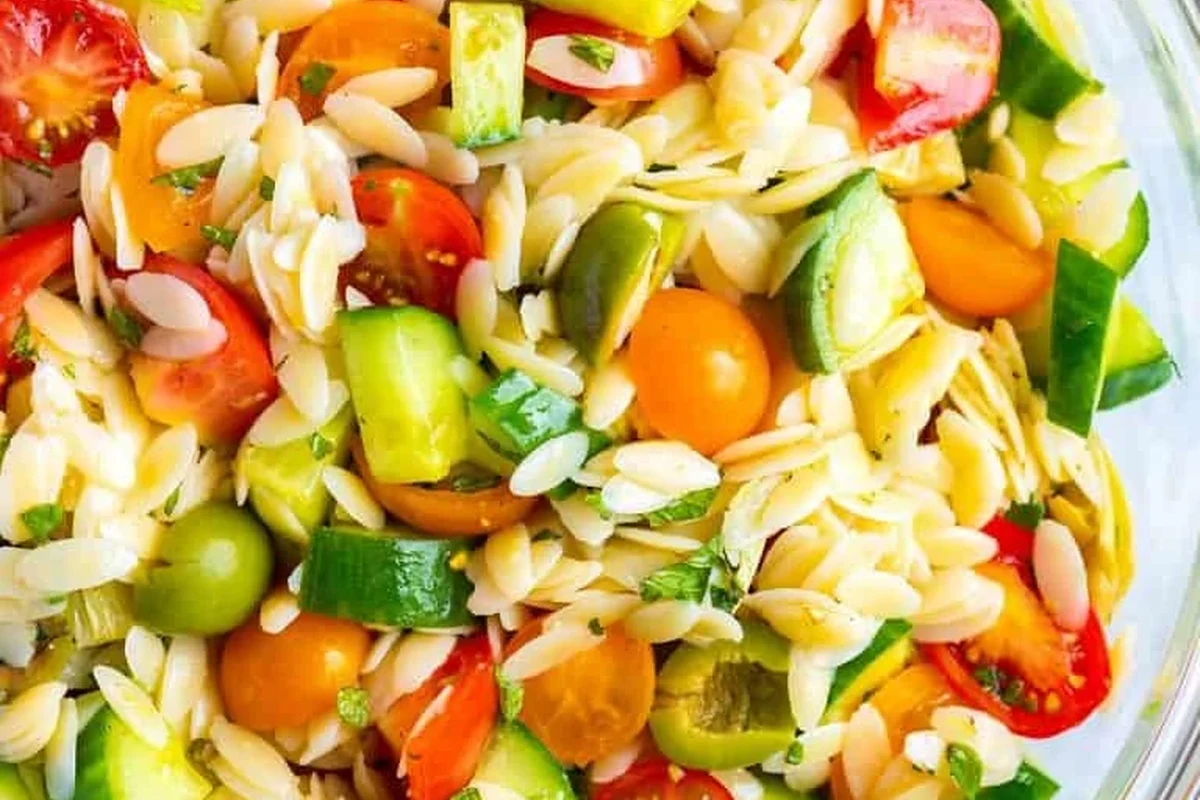
Orzo is not a superfood, and it is not junk food either. It sits in the middle. For many people, that makes it a useful pantry staple.
If you want a simple answer, here it is. Orzo can be healthy when you eat a sensible portion and pair it with protein, vegetables, and healthy fats.
It becomes less healthy when the bowl is mostly pasta, creamy sauce, and salt. In that case, the meal can be high in calories and light on nutrients.
What Orzo Is Made Of and How It Fits Into a Healthy Diet
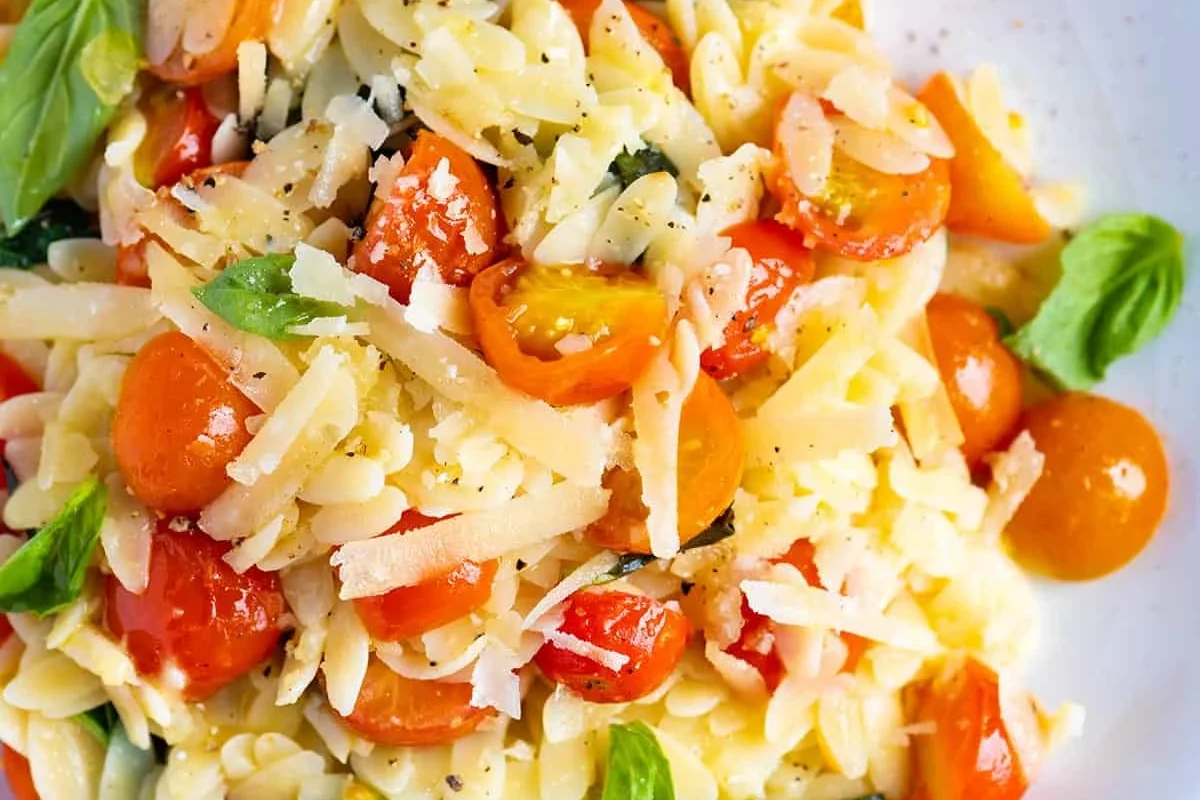
Orzo is a small pasta that looks like rice. Most regular versions use durum wheat semolina, which is common in many pasta products.
That makes it easy to cook and easy to mix into soups, salads, and side dishes. It also means its nutrition is similar to other refined wheat pastas.
Common Ingredients in Regular Orzo
Regular orzo often has a short ingredient list. That can be a good sign if you like simple foods.
Common ingredients include:
- Durum wheat semolina
- Water
- Sometimes enriched vitamins and minerals
Some brands may add salt or other ingredients. Always check the package if you want a plain option.
Whole Wheat, Gluten-Free, and Protein-Rich Orzo Options
Not all orzo is the same. Some versions offer more fiber or fit special diets better.
Here are a few common choices:
- Whole wheat orzo has more fiber than regular orzo.
- Gluten-free orzo may use rice, corn, or legumes.
- Protein-rich orzo may include lentil or chickpea flour.
These options can be more filling. They may also work better for people who want more fiber or less gluten.
Nutrition can vary a lot by brand. Check the label if you want more fiber, more protein, or less sodium.
Nutrition Facts That Matter Most
The most useful nutrition details are the ones that affect fullness and balance. For orzo, that means calories, carbs, fiber, protein, and sodium.
Portion size matters too. A small serving can fit well in a meal. A huge serving can crowd out other healthy foods.
Calories, Carbs, Fiber, and Protein
Orzo is mainly a carb food. That is not a bad thing. Carbs help fuel your body and brain.
Still, regular orzo does not offer much fiber or protein on its own. That means it may not keep you full for long unless you add other foods.
Whole wheat or legume-based orzo usually gives more fiber or protein. That can help with fullness and steadier energy.
Pasta meals often feel more filling when they include fiber, protein, and some fat.
Sodium, Added Ingredients, and Portion Size
Plain dry orzo usually has little sodium. The bigger issue often comes from the recipe, not the pasta itself.
Watch for these common add-ons:
- Salt-heavy broth
- Creamy sauces
- Large amounts of cheese
- Processed meats
Portion size also changes the health picture. A modest bowl can be balanced. A giant bowl can push the meal toward excess calories.
Health Benefits of Orzo Pasta
Orzo has a few clear strengths. It cooks fast, blends well with other foods, and works in many meal styles.
That flexibility makes it easy to use in a healthy kitchen. You can build a better meal without much extra effort.
Easy to Use in Balanced Meals
Orzo works well in soups, grain bowls, and cold salads. It also pairs nicely with vegetables and lean protein.
That makes it easier to make a meal that feels complete. You do not need a fancy recipe to make it work.
Use orzo as the base, then add color and texture with vegetables and beans.
Good Source of Energy for Active Days
Because orzo is rich in carbs, it can be a good energy food. That can help on busy workdays or after exercise.
It may be especially useful before a long afternoon or a family activity. Just keep the rest of the meal balanced.
Limits and Downsides to Watch For
Orzo has some weak spots too. The main issue is that regular orzo is not very nutrient dense.
It can still fit in a healthy diet. You just need to know where it falls short.
When Orzo Can Be Less Healthy
Orzo may be less healthy when it comes in a rich sauce or a large serving. That is where calories can climb fast.
It can also be a weaker choice if you need more fiber or if you want a meal that stays filling longer.
People with celiac disease or gluten sensitivity should avoid regular wheat orzo. They should choose a gluten-free version instead.
If you have celiac disease, always check the package for gluten-free labeling and cross-contact warnings.
Common Mistakes That Make It Less Nutritious
Small habits can turn a decent pasta dish into a heavy one. The biggest mistakes are easy to spot.
- Using too much butter or cream
- Skipping vegetables
- Adding little protein
- Eating a very large portion
- Using salty broth without balance
These choices do not make orzo bad. They just make the meal less balanced.
How to Make Orzo Healthier at Home
You do not need a special recipe to make orzo better for you. A few simple changes can improve the whole bowl.
The goal is not to remove all comfort. It is to build a meal that gives you more value.
Best Cooking Tips for Better Nutrition
Start with a smaller portion of dry orzo than you think you need. It expands as it cooks.
Then use a cooking liquid that fits the dish. Water works for a simple base. Low-sodium broth can add flavor without too much salt.
Finish with herbs, lemon, garlic, or olive oil instead of heavy sauce. Those add taste without overloading the bowl.
- Cook orzo until just tender, not mushy.
- Toss it with vegetables while still warm.
- Use sauce lightly, then taste before adding more.
Smart Add-Ins Like Veggies, Beans, and Lean Protein
This is where orzo really shines. It acts like a blank canvas for better ingredients.
Good add-ins include:
- Spinach, tomatoes, zucchini, or peppers
- Chickpeas, white beans, or lentils
- Chicken, turkey, tuna, or shrimp
- Olive oil, nuts, or seeds
These foods add fiber, protein, and healthy fat. They also make the meal more satisfying.
- Orzo works best as part of a mixed meal.
- Whole wheat and legume versions offer more nutrition.
- Vegetables and protein make it more filling.
How Orzo Compares With Other Pasta and Grain Choices
Orzo is not the only option on the shelf. It helps to compare it with other common foods before you decide how often to use it.
The right choice depends on your goals, your taste, and how much time you want to spend cooking.
Orzo vs. Regular Pasta
Orzo and regular pasta are nutritionally similar when both are made from refined wheat. The main difference is shape and how you use them.
Regular pasta may feel more filling in some dishes because the pieces are larger. Orzo can blend better into soups and salads.
If you want more fiber, whole wheat versions of either choice are usually better than refined versions.
The better choice depends on fiber, fullness, and how you plan to serve the meal.
Orzo vs. Rice, Quinoa, and Couscous
Orzo often plays a role similar to rice or couscous. It gives structure to a dish and carries flavor well.
Compared with rice, orzo is a pasta, so it usually has a different bite and texture. Compared with quinoa, it usually has less fiber and protein unless you choose a special version.
Quinoa often wins on nutrition. Orzo often wins on comfort, price, and ease of use. That is a fair trade for many home cooks.
| Option | Best For | Key Consideration |
|---|---|---|
| Orzo | Quick soups, salads, and simple side dishes | Choose whole wheat or add protein for more balance |
| Rice | Classic bowls and simple meals | Brown rice offers more fiber than white rice |
| Quinoa | Higher-protein grain-style meals | Texture and taste are different from pasta |
| Couscous | Fast side dishes and light meals | Often similar to orzo in speed and feel |
Final Verdict: Should You Eat Orzo Often?
Yes, you can eat orzo often if you keep portions sensible and build balanced meals. It is a useful staple, not a problem food.
The healthiest approach is simple. Choose whole wheat or protein-rich versions when you can. Add vegetables, beans, or lean protein. Keep creamy sauces and extra salt in check.
Best Use Cases and Portion Advice
Orzo works best in soups, veggie bowls, and side dishes. It also works well when you need a fast meal base.
A good rule is to let orzo take up only part of the plate. Fill the rest with vegetables and protein.
Choose orzo and build the meal around it.
Pick whole grain or higher-protein choices more often.
Who Should Be More Careful With Orzo
People with gluten issues should avoid regular wheat orzo. They should check labels closely for gluten-free options.
People watching sodium, calories, or blood sugar should also pay attention to portions and toppings. In those cases, the extras matter more than the pasta shape.
Orzo can be a healthy choice when you treat it like one part of a balanced meal. If you want more fiber or protein, choose whole wheat or legume-based orzo and add plenty of vegetables.
Frequently Asked Questions
Yes, orzo can fit into everyday meals when portions stay reasonable. It works best with vegetables, protein, and lighter sauces.
Whole wheat orzo usually has more fiber than regular orzo. That can help with fullness and make the meal more balanced.
Add beans, chicken, fish, tofu, or extra vegetables. A little healthy fat, like olive oil, can also help the meal feel more satisfying.
It depends on the type and serving size. Orzo is similar to refined pasta, while whole grains or quinoa may offer more fiber and protein.
Regular orzo is usually made from wheat and contains gluten. People who avoid gluten should choose a clearly labeled gluten-free version.
Serve orzo with vegetables, lean protein, and a light sauce. That keeps the meal more balanced and helps limit extra calories and sodium.