Is Pasta Healthy for Diabetics What You Need to Know

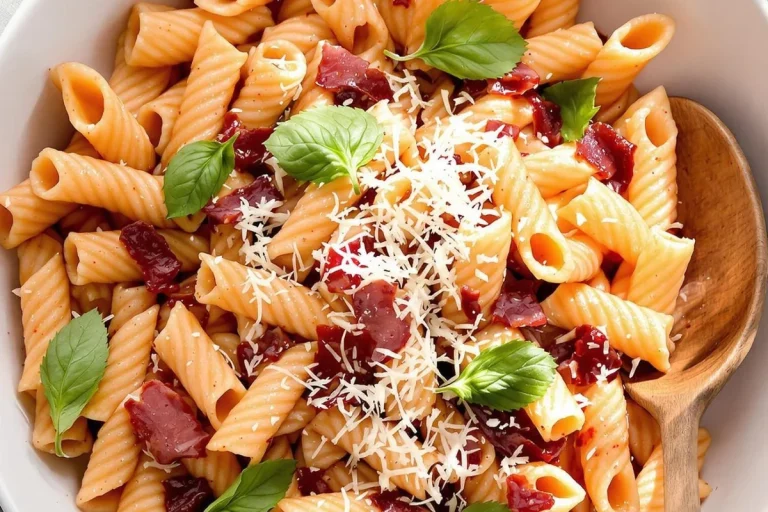
Yes, diabetics can eat pasta in moderation. The best results usually come from smaller portions, higher-fiber pasta, and balanced toppings.
Pasta can fit into a diabetes-friendly eating plan, but the type, portion, and toppings matter a lot. The short answer is yes, diabetics can eat pasta, but it works best when you keep the serving modest and pair it with fiber, protein, and vegetables.
- Portion matters: A smaller serving helps limit blood sugar spikes.
- Choose better pasta: Whole wheat and legume pasta often work better.
- Build a full meal: Add protein and vegetables to slow digestion.
- Watch sauces: Sugar and cream can change the meal fast.
- Check your response: Blood sugar effects vary from person to person.
Is Pasta Healthy for Diabetics? The Short Answer
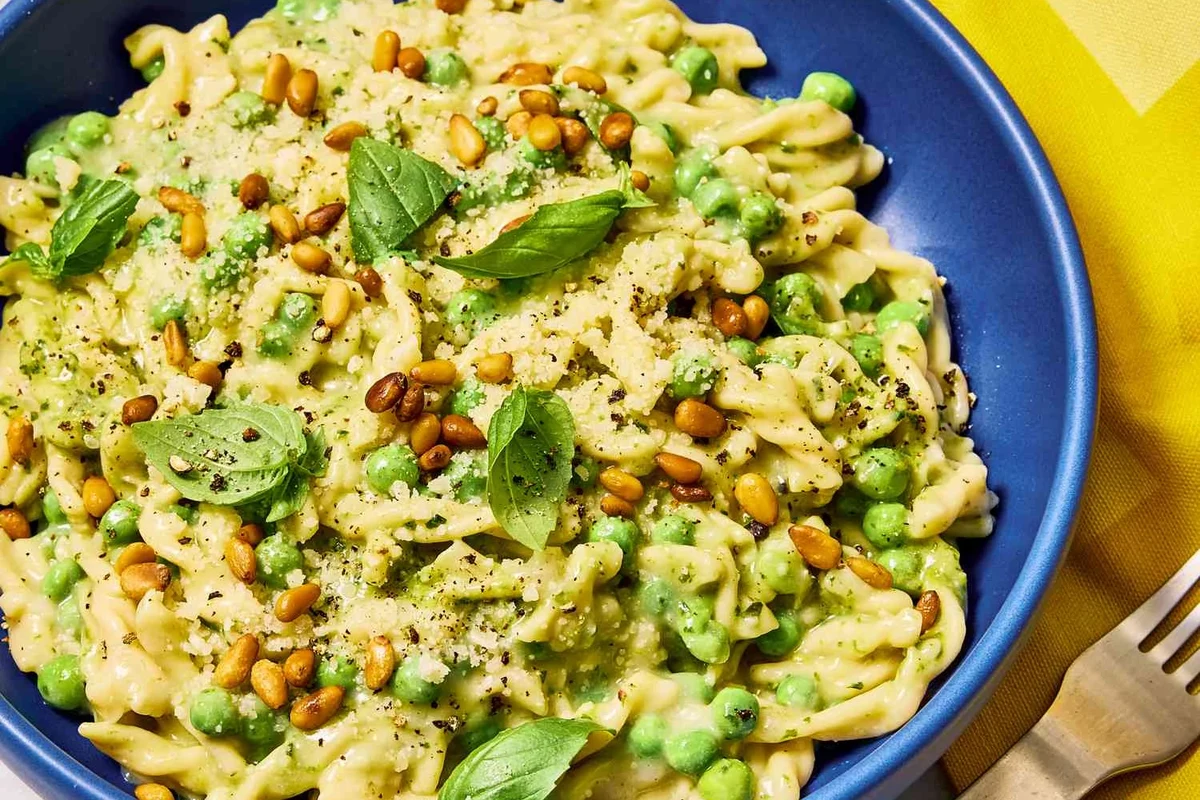
Pasta is not off-limits for people with diabetes. It can raise blood sugar, though, so it needs some planning.
Plain white pasta usually digests faster than higher-fiber options. That means it can cause a bigger blood sugar rise if you eat a large bowl.
In short, pasta is healthiest for diabetics when it is part of a balanced meal. Think smaller pasta portions, more vegetables, and a solid protein source.
How Pasta Affects Blood Sugar
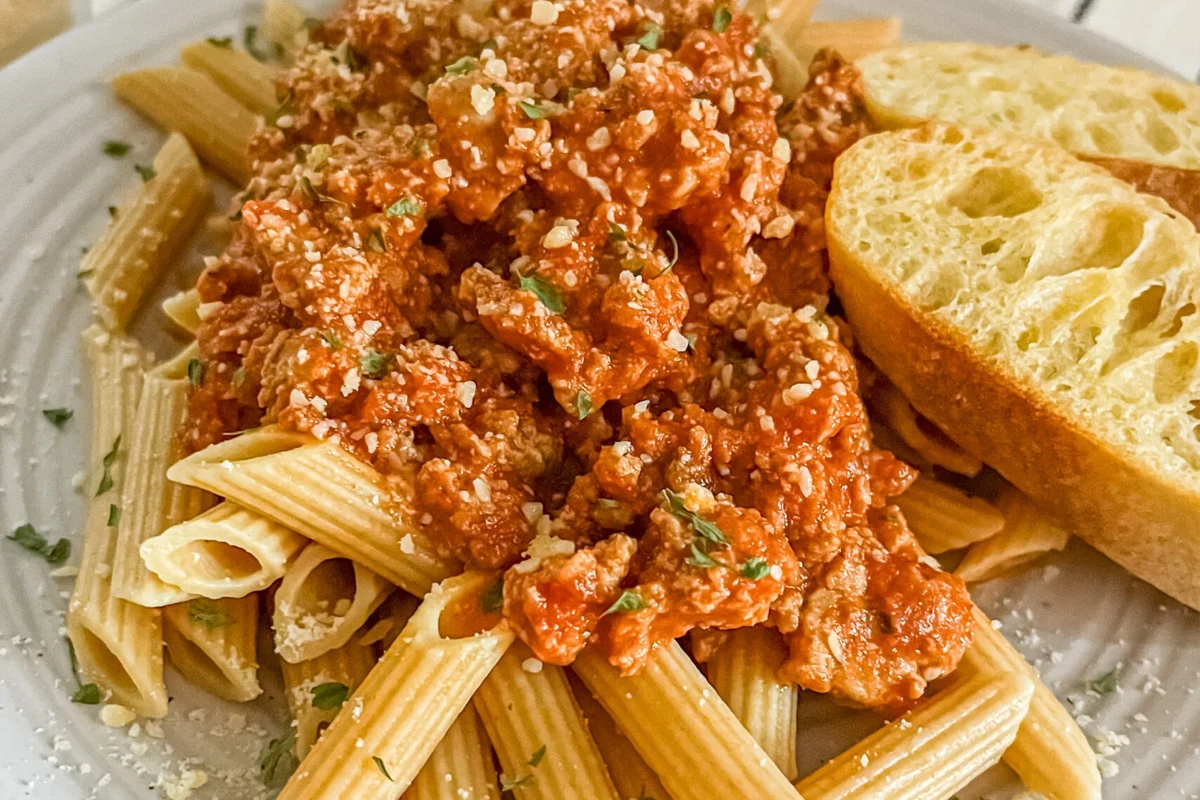
Pasta is mostly carbohydrate. Your body breaks those carbs into glucose, which can raise blood sugar after the meal.
The rise is not the same for every person. It depends on the pasta type, how much you eat, and what else is on the plate.
Why Portion Size Matters
A bigger serving means more carbs. More carbs usually mean a bigger blood sugar response.
Many people feel fine with a small serving, then see a spike after a large one. That is why measuring pasta can help more than guessing.
Use a smaller bowl. It makes a normal portion look more filling and helps prevent over-serving.
For example, a pasta dish that fills half the plate with vegetables often works better than a plate piled high with noodles.
How Cooking Time Changes Glycemic Impact
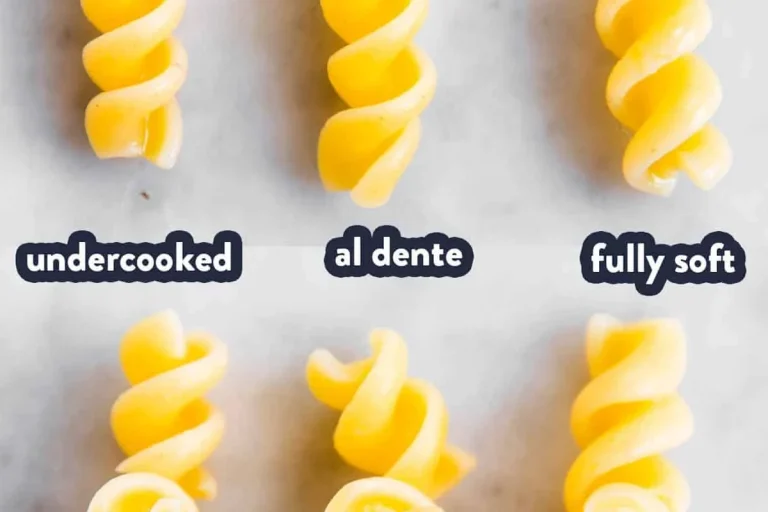
Cooking time changes the texture of pasta. Softer pasta tends to digest faster than pasta cooked until just tender.
That does not mean undercooked pasta is the goal. It means firmer pasta may have a gentler effect on blood sugar for some people.
Blood sugar response can vary by person, meal mix, and cooking method. If you monitor glucose, check your own response.
Some people also find that cooled pasta behaves a little differently because of starch changes. Still, your overall meal matters more than one small trick.
Best Pasta Types for Diabetics
Not all pasta acts the same in the body. Some types give you more fiber or protein, which can help slow digestion.
Here are the options many people with diabetes consider first.
Whole Wheat Pasta
Whole wheat pasta usually has more fiber than regular white pasta. That fiber can help slow the blood sugar rise.
It also has a nuttier taste and a firmer bite. Some people like that. Others need a little time to get used to it.
Legume Pasta
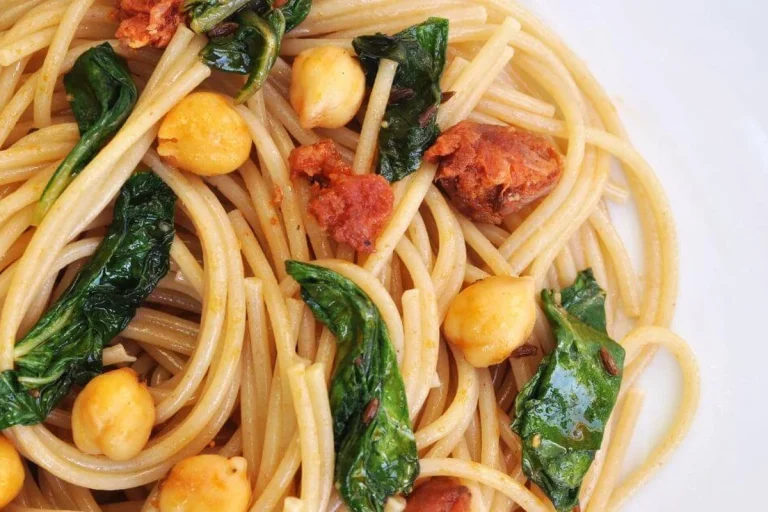
Legume pasta is made from beans, lentils, or chickpeas. It often has more protein and fiber than standard pasta.
That combo can help you feel full longer. It may also support steadier blood sugar after the meal.
Legume pasta often tastes best with bold sauces. The stronger flavor helps balance its earthy taste.
High-Fiber and Low-Carb Options
Some pasta products use added fiber or lower-carb blends. These can be useful for people who want a lighter carb load.
However, label terms can be tricky. Always check the nutrition facts, not just the front of the box.
- May reduce the meal’s carb impact
- Can help with fullness
- Often pairs well with vegetables
- Texture may differ from classic pasta
- Some brands cost more
- Not every low-carb claim means low blood sugar impact
What to Look for on the Label
The label tells you more than the front package claims. It helps you compare pasta in a practical way.
Focus on serving size, total carbs, fiber, and protein first.
Carbs, Fiber, and Protein
Total carbs matter because they affect blood sugar. Fiber helps slow digestion, while protein can help with fullness.
A pasta with more fiber and protein often works better than one with only refined flour.
- Check serving size first
- Compare total carbs per serving
- Look for higher fiber
- Look for some protein
- Watch added sugars in sauces
Ingredients That Help or Hurt
Simple ingredient lists are often easier to understand. Whole grains, legumes, and added fiber can be helpful.
Long lists with refined flour, added sugar, and lots of sodium may work against your goals.
Measuring cup
Food scale if needed
Small serving bowl
How to Build a Diabetic-Friendly Pasta Meal
Pasta works best when it is not the whole meal. The goal is balance.
Use pasta as one part of a plate built around protein, vegetables, and smart sauce choices.
Smart Sauce Choices
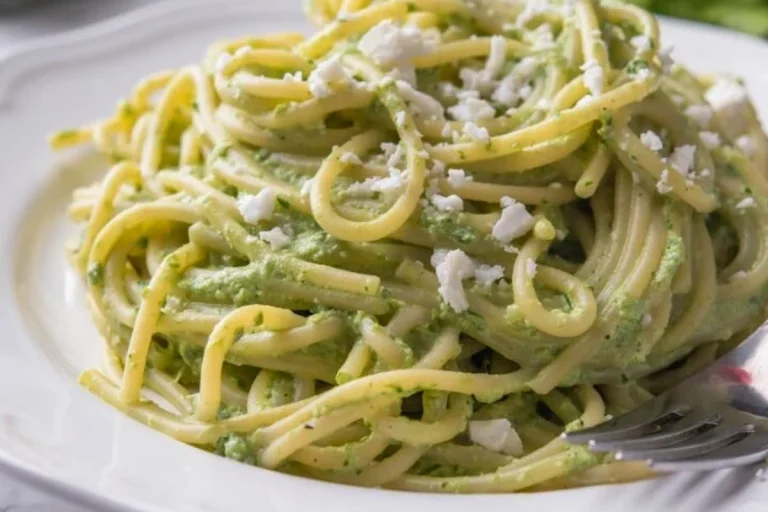
Tomato-based sauces often work well because they are lighter than cream sauces. Still, check for added sugar.
Olive oil, garlic, herbs, and tomatoes can make a simple sauce taste rich without piling on extra carbs.
- Choose sauces with little added sugar
- Use herbs for flavor instead of extra salt
- Keep creamy sauces as an occasional choice
Best Protein and Veggie Add-Ins
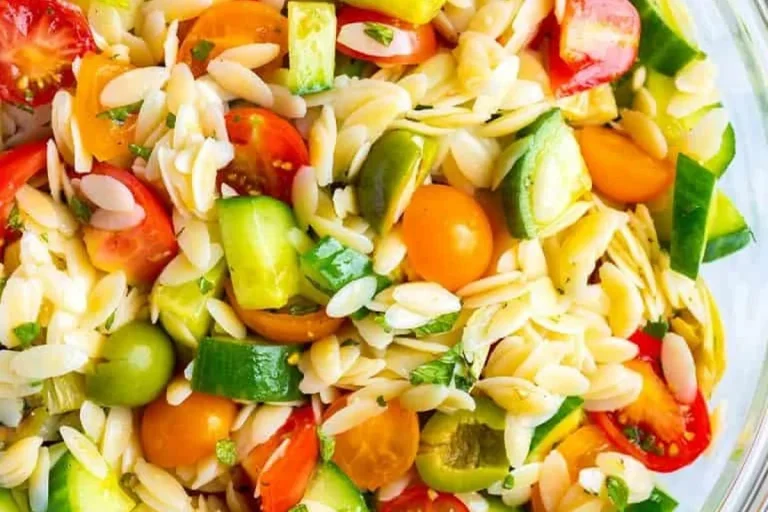
Protein helps slow digestion and makes the meal more filling. Veggies add volume without adding many carbs.
Good choices include chicken, shrimp, tofu, beans, spinach, mushrooms, peppers, and broccoli.
Helps the meal feel satisfying and may slow the blood sugar rise.
Adds fiber, color, and volume without making the dish too heavy.
Easy Portion Control Tips
Portion control is one of the simplest ways to make pasta more diabetes-friendly. You do not need to give it up.
Start with a smaller serving, then add more vegetables if you are still hungry.
- Measure pasta before cooking
- Fill half the plate with vegetables
- Eat slowly and check fullness
- Free-pouring dry pasta into the pot
- Using pasta as the whole meal
- Choosing sweet sauces without checking labels
Common Mistakes Diabetics Make with Pasta
One common mistake is treating all pasta the same. White pasta, whole wheat pasta, and legume pasta do not act alike.
Another mistake is forgetting that sauce can add sugar and calories fast. A heavy cream sauce can change the meal a lot.
People also often skip protein and vegetables. Then the meal becomes mostly carbs, which can make blood sugar harder to manage.
Finally, many people eyeball portions. That usually leads to more pasta than they planned to eat.
Your pasta meal keeps raising blood sugar more than expected.
Try a smaller serving, a firmer cook, and more protein and vegetables next time.
Safety Tips and When to Be Careful
If you use insulin or blood sugar medicine, meal timing matters. Pasta can affect your numbers after the meal, so your plan may need to match your care routine.
People with diabetes who also have kidney disease, celiac disease, or food allergies may need more specific advice. The same goes for anyone with a very different glucose response.
This article gives general food guidance only. If you have diabetes and take medicine, check with your doctor or dietitian for personal advice.
Also, check for packaged sauce labels if sodium matters to you. Some jarred sauces are much saltier than they seem.
If a food causes repeated spikes, stop guessing and track it. A glucose meter or continuous monitor can help you learn your own pattern.
Final Verdict: Can Diabetics Eat Pasta?
Yes, diabetics can eat pasta. The best choice is usually a smaller portion of higher-fiber pasta with protein, vegetables, and a low-sugar sauce.
If you want the simplest rule, remember this: pasta is fine when it plays a supporting role, not the starring one.
For most people with diabetes, pasta can stay on the menu. Whole wheat or legume pasta is often the better pick, but portion size and meal balance matter most.
If you need tighter blood sugar control, test different pasta types and serving sizes with your care team’s guidance. That way, you can enjoy pasta without turning dinner into a guess.
Frequently Asked Questions
Yes, diabetics can eat pasta in moderation. The key is portion size, pasta type, and what you serve with it.
Whole wheat and legume pasta are often better choices than regular white pasta. They usually offer more fiber, and legume pasta may also add more protein.
Often, softer pasta digests faster than firmer pasta. That can lead to a quicker blood sugar rise for some people.
Use a smaller portion, add vegetables, and include protein like chicken, tofu, beans, or shrimp. Choose sauces with little added sugar.
Check serving size, total carbs, fiber, protein, and ingredient list. These details matter more than front-of-package claims.
Ask for personal guidance if your blood sugar spikes often, if you use diabetes medicine, or if you have other health issues like kidney disease or food allergies.