How to Can Homemade Pasta Sauce Step by Step Guide

Use a tested recipe, the right acid, and the right canning method for homemade pasta sauce. Follow the full processing time and store sealed jars in a cool, dark place.
If you want to know how to can homemade pasta sauce, start with safety first. The key is to use a tested recipe, add the right acid, and process the jars for the full time.
That matters because tomato sauce is not always safe to can the same way. Small changes in ingredients can change the acidity and the canning method you need.
- Safety first: Use a tested canning recipe, not a random sauce recipe.
- Acid matters: Bottled lemon juice or citric acid helps keep tomato sauce safer.
- Method matters: Match the canner type to the recipe every time.
- Seal checks: Cool jars fully, then check lids before storing them.
What It Means to Can Homemade Pasta Sauce Safely
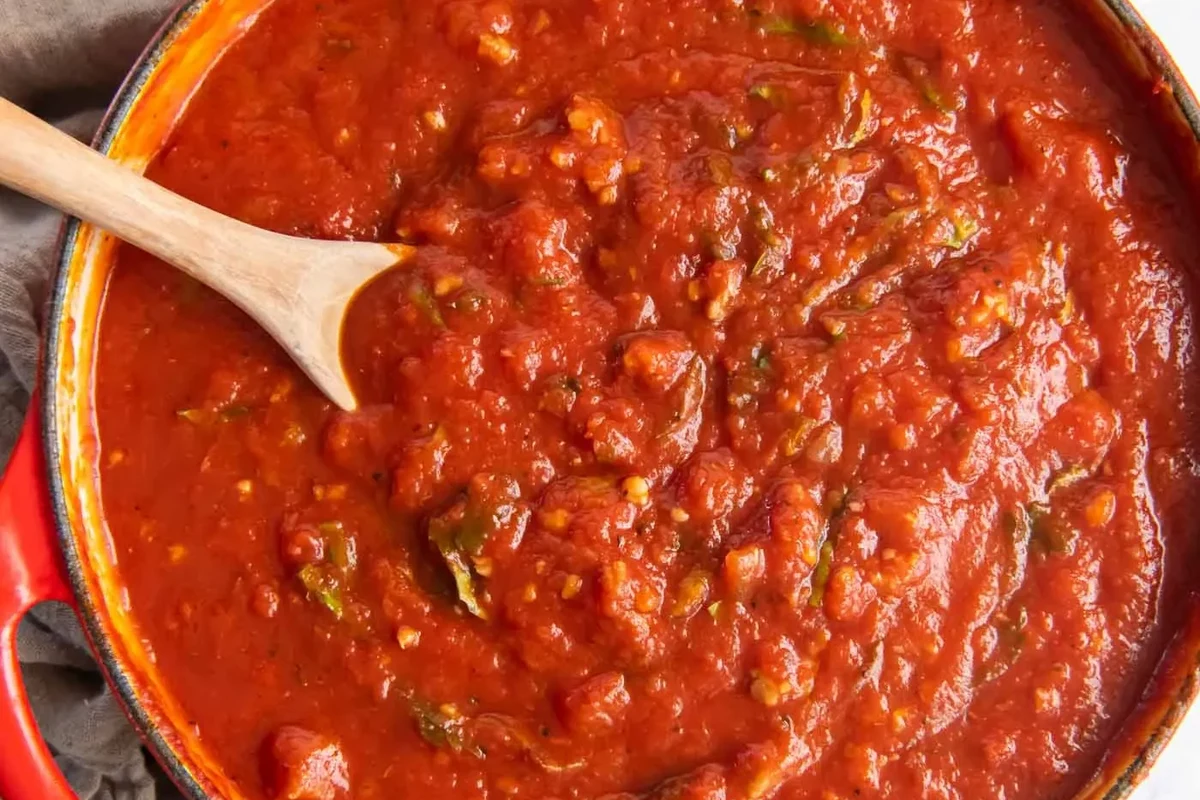
Safe home canning keeps food hot enough for long enough to make a shelf-stable jar. For pasta sauce, that means following a recipe made for canning, not just any stovetop sauce.
Tomatoes can seem simple, but sauce can turn risky fast when you add low-acid foods. Onions, garlic, peppers, mushrooms, meat, cream, and extra oil all change the balance.
Why water bath canning is not enough for every sauce
Water bath canning works for high-acid foods. Many tomato sauces need added acid, and some sauces are still not safe for water bath canning if they include extra ingredients.
Pressure canning may be needed for some tomato-based mixtures with low-acid add-ins. If a recipe says pressure canning, do not switch methods.
How acidity, tomatoes, and added ingredients affect safety
Tomatoes vary in acid level. Ripe, sweet tomatoes often need help to stay in the safe range for canning.
That is why many tested recipes call for bottled lemon juice or citric acid. The acid helps create a safer jar and gives more reliable results.
What this guide will and will not cover
This guide explains the basic process for safe tomato sauce canning. It focuses on plain or lightly seasoned sauce made from tested recipes.
It does not replace a trusted canning recipe from a reliable source. It also does not cover unsafe shortcuts, like skipping acid or guessing at processing time.
Do not can a sauce just because it tastes acidic. Taste is not a safe test for shelf stability.
Ingredients, Tools, and Kitchen Setup You Need
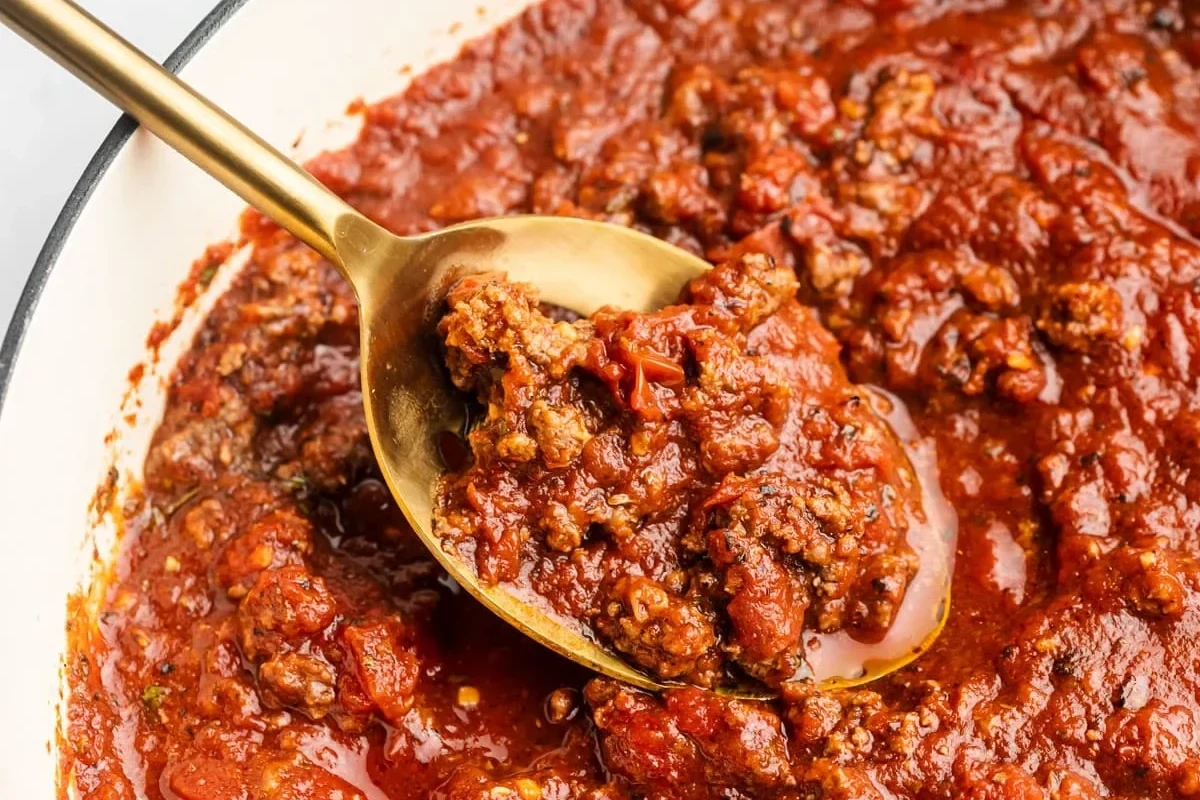
Good setup makes canning calmer and safer. Before you start, clear space, wash your tools, and read the full recipe from start to finish.
Best tomato types for canning sauce
Paste tomatoes often work well because they have more flesh and less water. Roma and plum types are common choices.
You can use other tomatoes too, but they may need longer cooking to thicken. That can change yield, so plan for some loss during simmering.
Safe acid choices like lemon juice and citric acid
Use bottled lemon juice or citric acid when the recipe calls for it. Bottled lemon juice has more steady acid than fresh juice.
Follow the exact amount in the recipe. More is not always better, but less can make the batch unsafe.
Must-have tools for jars, lids, and the canner
You need jars made for home canning, matching lids, and the right canner for the recipe. A large stockpot is not the same thing as a tested canner.
Also check that your jars are free of chips and cracks. Damaged jars can fail during processing.
Optional tools that make the job easier
A jar funnel helps keep rims clean. A bubble remover helps you release trapped air more easily.
A magnetic lid wand can help with hot lids, but it is optional. A timer also helps you stay on schedule.
Many canning failures start with tiny rim crumbs or a rushed lid wipe.
Step-by-Step Guide to Making and Canning Pasta Sauce
Once you have your recipe and tools ready, move in a steady order. Clean work and exact timing matter more than speed.
Wash, prep, and cook the tomatoes
Wash the tomatoes well and remove bad spots. Then core them and cut them as your recipe says.
Cook the tomatoes until they soften and release juice. If you peel them, do that before the sauce goes into jars.
Wash, core, and cut them before cooking.
Simmer until the tomatoes soften and break apart.
Use the exact amounts from a tested recipe.
Simmer the sauce to the right texture
Let the sauce simmer until it reaches the thickness your recipe wants. Stir often so it does not scorch on the bottom.
If you cook it too long, the sauce may become too thick for safe headspace. If it is too thin, it may separate later in the jar.
Fill jars with the correct headspace
Headspace is the empty space between the sauce and the lid. The recipe should tell you the exact amount.
Use a funnel if you have one. Fill each jar carefully and keep the rim clean.
Remove air bubbles, wipe rims, and seal lids
Run a bubble remover or clean spatula around the inside of each jar. This helps release trapped air.
Then wipe the rim with a clean, damp cloth. Set the lid on top and tighten the band to fingertip tight, unless your recipe says otherwise.
Process jars for the right time and cool them safely
Place the jars in the canner and make sure they stay covered or arranged as your recipe says. Start timing only when the water boils or pressure is reached.
When time is up, turn off the heat and let the jars rest as directed. Move them carefully to a towel-lined counter and let them cool untouched.
Processing time can change based on jar size, sauce thickness, altitude, and canner type.
Best Sauce Styles for Home Canning
Not every pasta sauce works the same way in a jar. Some styles are much easier to keep safe and stable.
Simple tomato sauce with safe acid levels
Simple tomato sauce is the easiest place to start. It keeps the ingredient list short and the safety steps clear.
This style also gives you more flexibility later when you open a jar and season it for dinner.
Chunky sauce versus smooth sauce
Smooth sauce heats and packs more evenly. Chunky sauce can be fine too, if the recipe is built for it.
The big issue is density. Very thick or packed sauces may heat differently, so follow a recipe made for that exact style.
Sauce with herbs, onions, and garlic
Small amounts of herbs, onion, and garlic are common in tested recipes. They add flavor without changing the method too much.
However, do not add extra low-acid vegetables unless the recipe allows it. A little change can matter a lot in canning.
Why meat, cream, and oil need extra care
Meat, cream, and heavy oil make sauce more complex. They also raise food-safety concerns and may need a different canning method.
If you want a meat sauce, use a tested recipe made for that exact purpose. Do not turn a plain tomato sauce into a meat sauce on your own.
- Keep one clean towel under jars to reduce slipping.
- Label jars with the recipe name and date.
- Use a timer for each batch, not just your phone memory.
Common Mistakes That Can Ruin a Batch
Most canning problems come from small shortcuts. The good news is that they are easy to avoid once you know where people slip up.
Using too little acid
This is one of the biggest risks. If the recipe calls for bottled lemon juice or citric acid, use it exactly.
Do not guess, and do not reduce the amount because the sauce tastes tangy enough.
Changing the recipe without checking safety
It is tempting to add extra onions, peppers, or herbs. It is also tempting to cut back on salt or acid.
Those changes can affect safety and texture. If you want to change a recipe, find one that already matches your idea.
Overfilling jars or sealing them wrong
Too much sauce can stop proper sealing. Too little room can also push sauce under the lid during processing.
Make sure the rim is clean and the lid goes on straight. A sloppy seal often leads to failure later.
Skipping the full processing time
Do not stop early because the jars look done. The full time is part of the safety step.
Also remember that altitude can change the process time. Check your recipe or canning guide for your location.
If a jar leaks, does not seal, or looks spoiled, do not taste it. Throw it out.
How to Store, Clean, and Check Your Canned Sauce
After the jars cool, the job is not quite over. Storage and cleanup help protect both the food and your kitchen.
How to cool, label, and store jars
Let the jars cool for 12 to 24 hours without moving them. Then check the seals and remove the bands if your recipe recommends it.
Label each jar with the date and contents. Store them in a cool, dark, dry place.
How to clean jars, rings, and the canner
Wash jars, bands, and tools with hot soapy water after use. Dry everything well before putting it away.
Check the canner for residue, dents, or worn parts. Follow the manual for care and storage.
How to spot failed seals or spoilage
A sealed lid should stay curved down in the center. If it pops up and down, the jar did not seal.
Look for mold, bad smells, leaking liquid, or odd color changes. When in doubt, throw it out.
How long canned sauce keeps and what affects quality
Home-canned sauce often keeps best for about one year for top quality. It may still be safe longer if sealed and stored well, but taste and texture can fade.
Heat, light, and moisture all hurt quality. A cool pantry helps jars last better.
Wash jars, bands, tools, and the canner. Dry everything fully.
Check jars for chips, lids for dents, and the canner for wear.
Cost, Value, and When Home Canning Makes Sense
Home canning can be rewarding, but it is not always the cheapest path. The value depends on your tomatoes, time, and how often you cook at home.
How homemade sauce compares with store-bought jars
Store-bought sauce saves time and needs no canning gear. Homemade sauce gives you more control over flavor and ingredients.
If you already grow tomatoes or buy them in bulk, home canning can make more sense. If not, store jars may be simpler.
When canning saves money and when it does not
Canning can save money when tomatoes are plentiful and you use your pantry often. It may cost more if you need to buy jars, lids, and a canner first.
Time matters too. A big batch takes a full kitchen session, not just a quick simmer.
Who this method is best for
This method is best for home cooks who want pantry sauce and are willing to follow rules closely. It also suits people who like batch cooking and food storage.
If you prefer loose, improvised cooking, canning is not the place to wing it.
Final Recommendation for Home Canners
The best choice for beginners is a simple, tested tomato sauce recipe with clear acid amounts and processing steps. Keep the ingredient list short until you feel confident.
When you want to add meat, cream, lots of oil, or extra vegetables, use a tested recipe made for that version. Do not improvise those changes into a basic sauce.
Best choice for beginners
Start with plain tomato sauce or a lightly seasoned version. It is easier to prep, easier to pack, and easier to store well.
When to use a tested recipe instead of improvising
Use a tested recipe any time you change the sauce in a way that could affect acidity or density. That includes herbs in large amounts, extra vegetables, meat, or dairy.
Clear takeaway on how to can homemade pasta sauce
If you remember one thing, make it this. Follow a safe recipe, add the right acid, use the right canning method, and process the jars for the full time.
- Use a tested recipe with the right acid.
- Match the canning method to the sauce style.
- Keep jars clean, filled right, and processed fully.
- Store sealed jars in a cool, dark place.
Frequently Asked Questions
No, not every sauce is safe for canning. Use a tested recipe made for home canning, especially if you add onions, garlic, meat, or oil.
Many tested recipes call for bottled lemon juice or citric acid. Use the exact amount listed in the recipe, not a guess.
No, water bath canning is not right for every sauce. Some recipes need pressure canning, so always follow the method in the tested recipe.
After cooling, the lid should stay curved down and not move when pressed. If the lid pops, leaks, or loosens, treat the jar as unsealed.
For best quality, many home-canned sauces are used within about one year. Store jars in a cool, dark place, and discard any jar with spoilage signs.
Only if you use a tested recipe made for those ingredients. Do not add them to a plain tomato sauce unless the recipe specifically allows it.