Is Veggie Pasta Healthy What You Need to Know

Veggie pasta can be healthy, but the nutrition depends on the ingredients and the sauce. The best choices usually have real vegetables, good fiber, or extra protein.
Yes, veggie pasta can be healthy. But it depends on the type you buy, the sauce you use, and how much of it you eat.
Some veggie pastas add fiber, protein, or extra vegetables. Others are mostly refined starch with a green color and a fancy label. So the real answer is simple. Read the ingredients, compare the nutrition facts, and think about the whole meal.
- Label first: Real ingredients matter more than the word “veggie.”
- Best nutrition: Lentil and chickpea pasta often offer more protein and fiber.
- Watch portions: Heavy sauces and cheese can erase the health edge.
- Texture matters: Fresh veggie noodles and dried pasta need different cooking care.
Is Veggie Pasta Healthy? The Short Answer for Busy Home Cooks
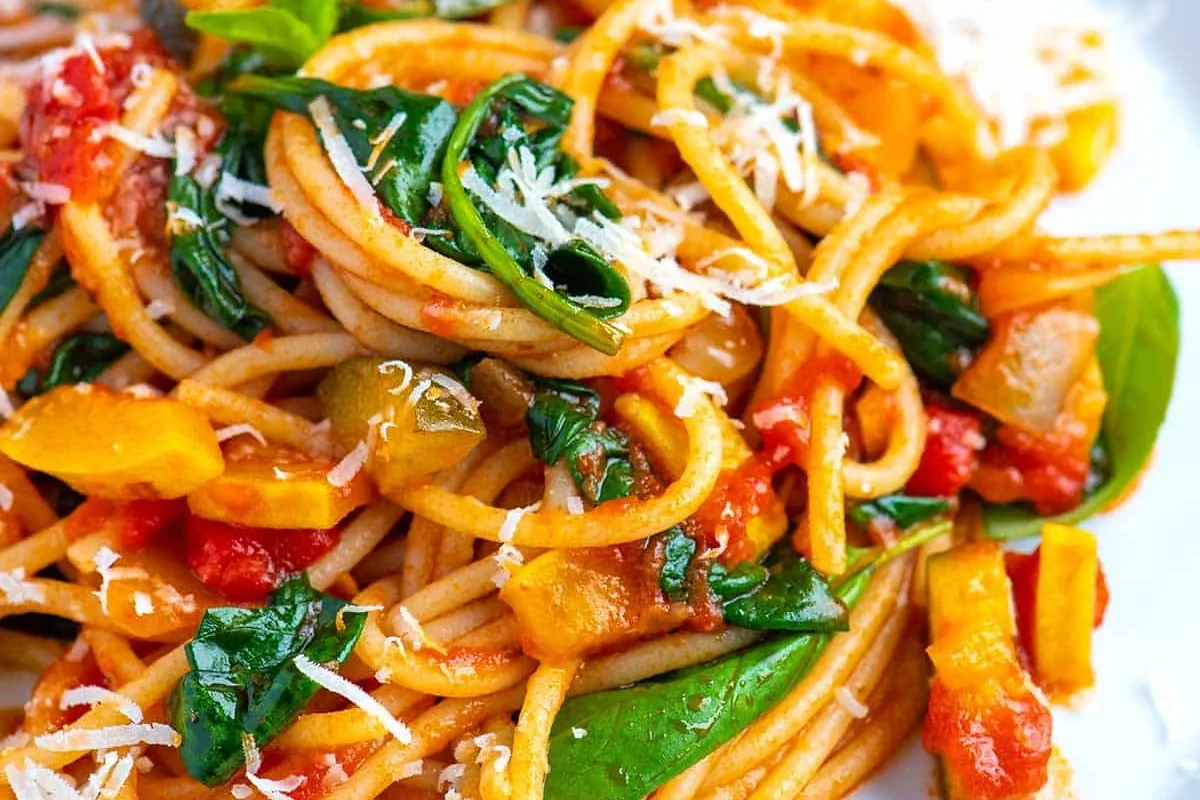
Veggie pasta is healthy when it helps you eat more fiber, more plants, or more protein. It can also be a smart swap if you need gluten-free or higher-protein meals.
It is less helpful when it acts just like regular white pasta, but with extra marketing. In that case, it may not give you much more nutrition.
Veggie pasta can be a healthy choice, but the label matters more than the name. Pick products with real vegetables, good fiber, and a short ingredient list when you can.
In short: veggie pasta is not magic, but it can fit a healthy diet well.
What Veggie Pasta Actually Is and How It Differs From Regular Pasta
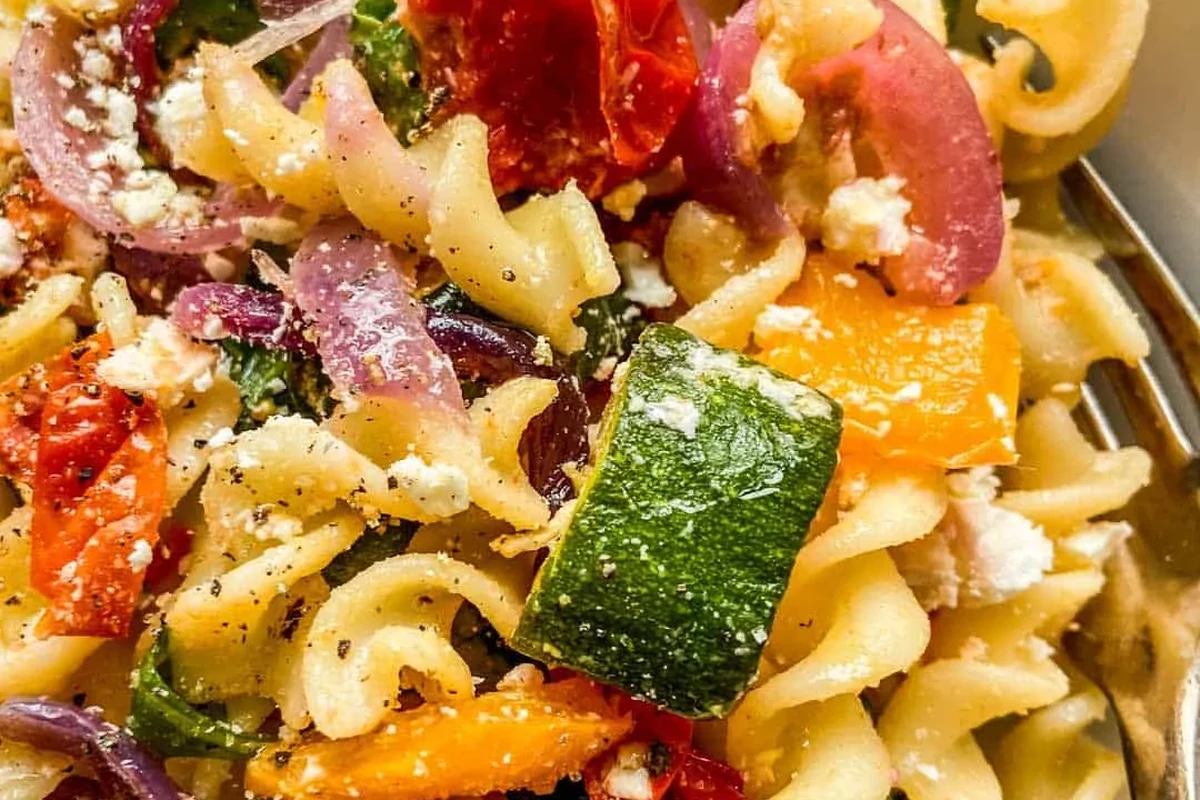
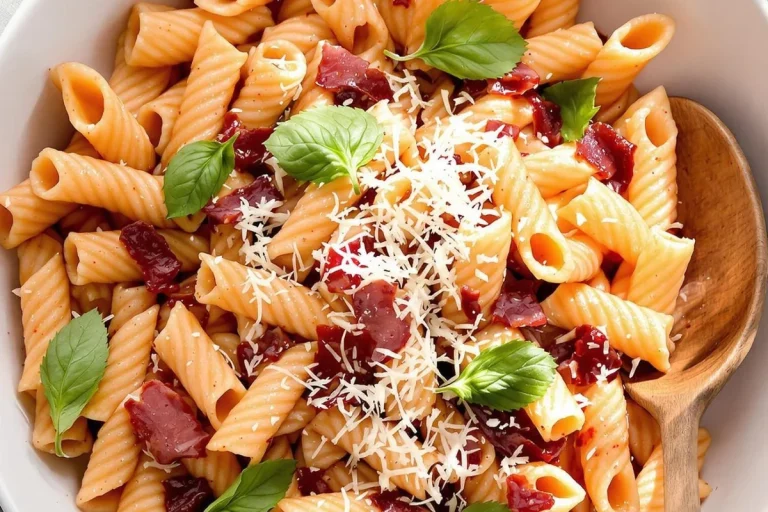
The term “veggie pasta” covers a lot of foods. Some are made with vegetables. Others are made with beans, lentils, or grains and just marketed as veggie-based.
That means the nutrition can vary a lot from one box to the next. A quick label check tells you far more than the front of the package.
Vegetable-based pasta products
Some pasta products include vegetable powders or purees. Common examples include spinach, beet, carrot, pumpkin, or tomato.
These products often look colorful. But the vegetable amount can be small. A bright color does not always mean a big nutrition boost.
In short: vegetable-based pasta may add variety, but it may not add much fiber or protein.
Veggie noodles made from zucchini, lentils, or chickpeas
Fresh veggie noodles often use spiralized zucchini, carrots, or squash. These are usually very low in calories and carbs.
Lentil and chickpea pasta are different. They are not really vegetable noodles, but they are often grouped with veggie pasta because they come from plants and offer more protein.
Fresh vegetable noodles and dried legume pasta behave very differently in the pan. They also bring different nutrition and texture.
In short: zucchini noodles and chickpea pasta can both count as veggie-style meals, but they are not the same food.
Store-bought versus homemade options
Store-bought veggie pasta is convenient. It works well for fast dinners and meal prep.
Homemade versions give you more control. You can use more real vegetables and skip extra starch or salt. But they take more time and can be trickier to cook well.
For example, homemade zucchini noodles need careful draining. If you skip that step, your sauce can turn watery fast.
In short: store-bought saves time, while homemade gives you more control over the final meal.
Nutrition Breakdown: Calories, Fiber, Protein, and Added Ingredients
The healthiest veggie pasta is the one that gives you useful nutrition without a long list of fillers. That usually means checking calories, fiber, protein, sodium, and ingredient quality.
Not every box will look the same. So compare brands by the numbers that matter to you.
What to look for on the label
Start with the ingredient list. Shorter lists are often easier to trust, though not always better by default.
Look for real vegetable ingredients near the top if you want a true veggie product. If it is a legume pasta, check for lentils, chickpeas, or beans as the main ingredient.
- Check whether vegetables are a main ingredient
- Look for fiber and protein on the nutrition panel
- Watch for extra sodium, starch, and fillers
- Match the pasta type to your diet needs
In short: the ingredient list tells you more than the package front.
How veggie pasta compares with wheat pasta
Regular wheat pasta is usually a good source of quick energy. It can also be lower in fiber unless it is whole wheat.
Veggie pasta may offer more fiber or protein, depending on the type. Legume pasta often has the biggest protein boost. Fresh vegetable noodles often have the fewest calories.
That said, some veggie pasta products are very close to standard pasta. They may differ more in color than in nutrition.
In short: veggie pasta can beat wheat pasta in some areas, but not every product does.
When extra sodium, starch, or fillers matter
Some packaged veggie pastas use starches or gums to improve texture. That is not always a problem.
It matters more when the product has a long ingredient list, low fiber, and a lot of sodium. That can turn a “healthy” choice into a less useful one.
If you follow a low-sodium diet or have food allergies, check the label closely. Ingredients and allergen warnings can vary by brand and region.
In short: a little starch can help texture, but too much filler can weaken the nutrition value.
Health Benefits of Veggie Pasta in Real Life Meals
Veggie pasta makes sense when it helps you build a better meal. The best benefits usually show up in everyday dinners, not in one perfect bowl.
Think of it as a tool. It can help you eat more plants and feel full longer.
Better fiber and veggie intake
Many people do not eat enough vegetables or fiber. Veggie pasta can help close that gap.
Legume pasta often adds more fiber than refined wheat pasta. Fresh veggie noodles can also help you pile more produce onto your plate.
Fiber helps slow digestion, which can support steadier fullness after meals.
In short: more fiber and more vegetables can make a pasta meal more balanced.
Helpful for weight control and fuller meals
Veggie noodles made from zucchini or squash can cut calories a lot. That can help if you want a lighter dinner without skipping pasta night.
Higher-fiber pasta may also help you feel full with a smaller portion. That can make it easier to stop at a normal serving.
Still, the sauce matters. A light noodle can become a heavy meal fast if you add a lot of cream or cheese.
In short: veggie pasta can support fullness, but toppings decide the final calorie load.
Good fit for gluten-free or higher-protein eating
Many veggie-style pastas work well for gluten-free diets. Chickpea, lentil, and some vegetable-based options are common choices.
Legume pasta can also help if you want more protein at dinner. That makes it useful for active families, meatless meals, or balanced lunch prep.
If you want a more filling bowl, pair veggie pasta with lean protein and a simple vegetable sauce.
In short: veggie pasta can fit gluten-free and higher-protein eating plans with less effort.
Limits and Common Mistakes That Can Make Veggie Pasta Less Healthy
Veggie pasta only works well when you use it with care. A few common mistakes can cancel out the benefits.
Most of these mistakes are easy to fix once you know what to watch for.
Thinking all veggie pasta is low carb
This is a common mix-up. Some veggie pasta is low carb, but many dried versions are not.
Legume pasta can still contain a fair amount of carbs, even if it has more protein and fiber. Vegetable-enriched wheat pasta can also be close to regular pasta.
In short: don’t assume “veggie” means low carb.
Overloading it with heavy sauces and cheese
A healthy noodle can lose its edge when you drown it in cream sauce, butter, or lots of cheese. That can add a lot of calories, salt, and saturated fat.
A better move is to use a lighter sauce and add vegetables, herbs, or lean protein. That keeps the meal more balanced.
- Use tomato sauce, olive oil, or broth-based sauces
- Add spinach, mushrooms, or peppers for more volume
- Top with a modest amount of cheese, not a heavy layer
In short: the pasta may be light, but the sauce can make it heavy.
Choosing products with little real veggie content
Some products use veggie powder as a small selling point. But the actual vegetable amount may be tiny.
That does not make the product bad. It just means the health boost may be limited.
When possible, choose products where the main ingredients match the nutrition goal. If you want more fiber, pick a pasta that clearly offers it.
In short: the best veggie pasta has real nutrition, not just a green label.
How to Choose the Best Veggie Pasta for Your Needs
The right choice depends on who you are feeding and what you want from the meal. A busy parent may want speed. Someone with gluten issues may want a very different product.
Use your main goal first. Then match the pasta to that goal.
Best options for kids, busy families, and meal prep
For kids and picky eaters, mild flavors often work best. Spinach or carrot pasta can blend in without a strong taste.
For busy families, dried pasta is usually easier. It stores well and cooks fast. Fresh veggie noodles are better when you want a lighter meal and do not mind extra prep.
Best for quick meals with limited time.
Best for larger batches and leftovers.
In short: choose mild, easy-cook options when you need a family-friendly dinner.
Best options for gluten-free and high-protein diets
If you need gluten-free pasta, check the package carefully. Not every veggie-looking pasta is gluten-free.
For more protein, lentil and chickpea pasta are often the best bets. They usually hold up better than many vegetable-only noodles when you want a filling meal.
In short: gluten-free and high-protein goals often point to legume pasta.
What makes one brand a better value than another
Value is not just about price. It also includes taste, texture, nutrition, and how well the pasta works in your recipes.
A cheaper box is not a good deal if it turns mushy or tastes flat. A pricier one may be worth it if it gives you better texture and more protein.
In short: the best value is the pasta you’ll actually want to eat again.
How to Cook Veggie Pasta So It Tastes Good and Keeps Its Texture
Good cooking matters a lot with veggie pasta. Some types get soft fast. Others need a little more care to avoid a gummy texture.
Follow the package directions first. Then adjust based on the pasta type and your sauce.
Cooking tips for fresh veggie noodles
Fresh zucchini or squash noodles need gentle cooking. In many cases, a quick sauté is enough.
Do not crowd the pan. Too much moisture can make the noodles watery. Salt them lightly, then blot excess liquid if needed.
In short: fresh veggie noodles need quick heat and good drainage.
Cooking tips for dried veggie pasta
Dried lentil, chickpea, or vegetable pasta usually needs boiling like regular pasta. Stir early to prevent sticking.
Check it often near the end. Many legume pastas go from firm to soft pretty fast. Stop cooking when it still has a little bite.
- Salt the water lightly if the package allows it
- Taste early for doneness
- Drain well and sauce right away
- Overcooking until mushy
- Leaving cooked pasta sitting in water
- Skipping the package directions
In short: dried veggie pasta needs close attention near the end of cooking.
Easy sauce pairings that keep meals balanced
Simple sauces often work best. Tomato sauce, olive oil with garlic, pesto in a modest amount, or broth-based veggie sauces are good options.
You can also add chicken, tofu, beans, shrimp, or extra vegetables. That makes the meal more balanced without making it too heavy.
If you want a lighter bowl, keep cheese and cream in check. A little goes a long way.
In short: simple sauce choices help veggie pasta stay healthy and taste better.
Final Verdict: Is Veggie Pasta Healthy Enough for Regular Use?
Yes, veggie pasta can be healthy enough for regular use. The best versions add fiber, protein, or more vegetables to your meals.
But the healthiest choice depends on the exact product. Some are better than regular pasta. Others are only a small step up.
Best use cases and smart serving ideas
Veggie pasta works well for weeknight dinners, lunch prep, and family meals with more plants. It is also useful when you want a gluten-free or higher-protein option.
Try it with a simple sauce, a lean protein, and a side salad. That gives you a balanced plate without much extra effort.
- Veggie pasta can be healthy, but the label matters.
- Legume pasta often gives the best fiber and protein.
- Fresh veggie noodles are light, but they need careful cooking.
- Heavy sauces can cancel out the health benefits.
In short: veggie pasta can be a smart regular choice when you build the meal well.
When to choose veggie pasta and when to skip it
Choose veggie pasta when you want more fiber, less gluten, or a better protein boost. It’s also a nice fit when you want to eat more plants without changing dinner too much.
Skip it if the product has little real nutrition, too many fillers, or a texture you don’t enjoy. A healthy food only helps if you’ll actually use it.
So, is veggie pasta healthy? Yes, often. Just make sure the brand, the sauce, and the serving size all make sense for your table.
In short: choose veggie pasta for the nutrition you need, and skip it when the label does not back up the claim.
—
Frequently Asked Questions
Sometimes, yes. It depends on the ingredients, fiber, protein, and sodium in the specific product.
Check the ingredient list, fiber, protein, sodium, and allergen statement. Real vegetables or legumes should be near the top if you want better nutrition.
Not always. Some veggie pasta is lower in carbs, but many dried versions still contain a fair amount of carbs.
Simple tomato sauce, olive oil, broth-based sauces, and lots of vegetables are usually better choices than heavy cream sauces.
Yes, most kids can eat it if the ingredients fit their needs. Mild flavors often work best for picky eaters.
Cook it gently, follow the package directions, and check it early. Drain it well and sauce it right away.