Who Makes the Best Cold Brew Coffee in 2026

The best cold brew coffee maker for most homes is a simple immersion brewer. It gives smooth coffee, easy cleanup, and strong value.
If you want the best cold brew coffee, the short answer is this: the best maker depends on how much you brew, how much cleanup you can handle, and how smooth you want the cup to taste. For most home cooks, a simple immersion brewer gives the best mix of flavor, ease, and value.
- Best overall: Immersion brewers suit most home kitchens and skill levels.
- Flavor matters: Coarse grind, good ratio, and clean filters improve taste.
- Cleanup counts: Wide openings and removable parts save time.
- Match your needs: Pick capacity based on how much coffee you drink.
Who Makes the Best Cold Brew Coffee in 2026? Our Clear Answer
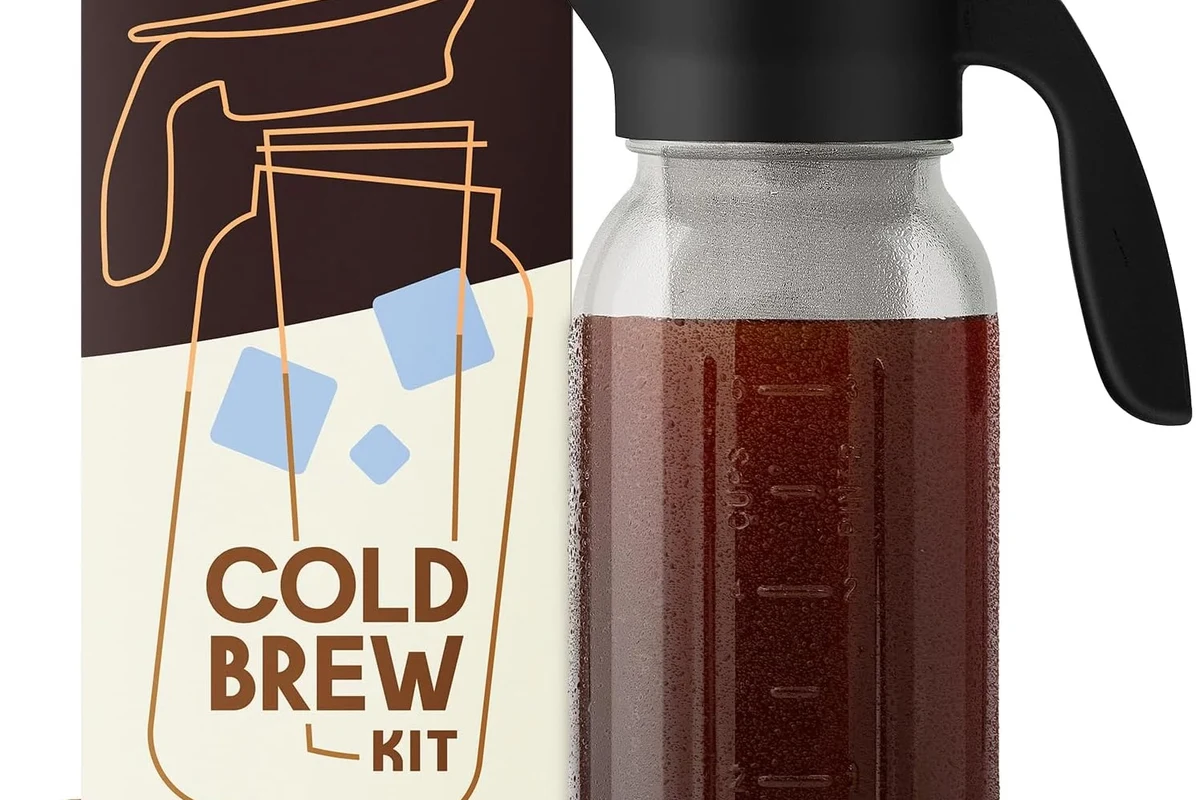
The best cold brew coffee maker in 2026 is usually the one that fits your routine, not the one with the most parts or the fanciest shape. In plain terms, immersion brewers often win for taste and ease, while drip-style systems can appeal to people who want faster brewing or a different flavor profile.
If you want the clearest editorial answer, look for a brewer that is easy to fill, easy to strain, and easy to clean. That combo matters more than a long feature list.
For most homes, an immersion cold brew maker offers the best value because it keeps the process simple and the flavor smooth. Choose drip-style only if you want a different brew style and do not mind a more hands-on setup.
Cold brew is forgiving, but the brewer still shapes the result. A good design helps you avoid grit, leaks, and messy cleanup.
How Cold Brew Coffee Makers Work and Why They Matter
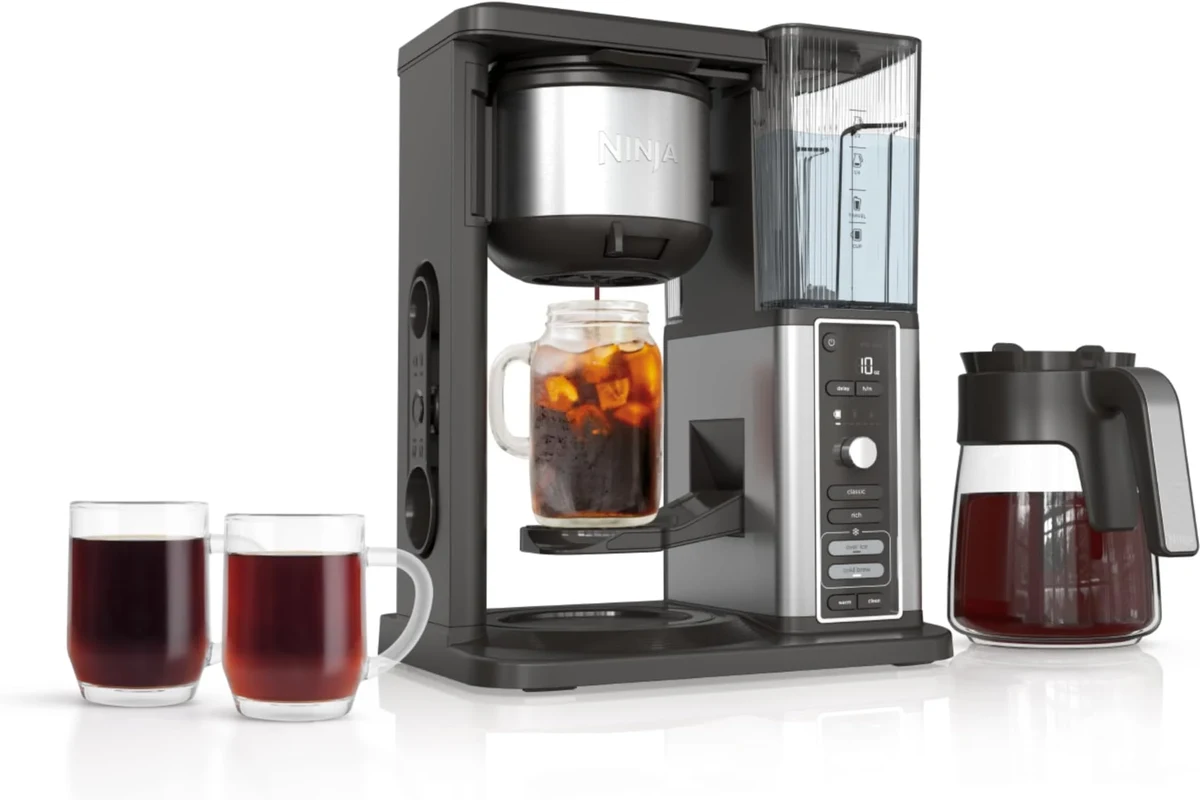
Cold brew makers steep coffee in cool or room-temperature water for hours, then filter the liquid. That slow process pulls out flavors in a different way than hot brewing.
The maker matters because it controls contact time, filter quality, and how easy it is to pour the finished coffee. Those details can change both taste and cleanup.
Immersion vs. drip-style cold brew systems
Immersion systems soak coffee grounds in water the whole time. They are simple, common, and easy to understand.
Drip-style systems add water slowly over the grounds. They can make a brighter cup, but they often need more setup and attention.
The main difference is how water meets the grounds. Immersion is simpler, while drip-style gives you more control but less convenience.
Simple steeping
Best for smooth flavor, easy use, and most home kitchens.
VS
Slow water flow
Best for control, but it usually asks for more patience.
What changes the flavor, strength, and smoothness
A few things shape the final cup. Grind size, steep time, ratio, water quality, and filter type all play a role.
More time and more grounds usually mean stronger coffee. Better filtration usually means a smoother cup.
What to Look for When Choosing the Best Cold Brew Coffee Maker
Before you buy, think about how you drink coffee at home. A brewer that looks nice on a page may still be awkward in a real kitchen.
Brew time, batch size, and ease of use
Most cold brew makers need several hours. That is normal, so speed should not be your only focus.
Batch size matters more. If you brew for one or two people, a compact model may be enough.
- Check batch size and counter footprint.
- Look for a simple fill and strain process.
- Confirm the parts fit your sink and fridge.
- Review warranty terms and cleaning steps.
Filter quality, cleanup, and durability
A strong filter keeps fine grounds out of the cup. It also helps the coffee pour more cleanly.
Cleanup should be simple. Removable filters, wide openings, and dishwasher-safe parts can save a lot of time.
- Choose wide-mouth containers when possible.
- Look for filters that rinse clean fast.
- Avoid tiny seals that trap grounds and smell.
Price, value, and long-term cost
Value is not just the sticker price. It also includes how long the brewer lasts and how much hassle it creates.
A cheaper brewer can cost more in time if it leaks, clogs, or breaks early. A solid midrange model often makes more sense for daily use.
Best Cold Brew Coffee Maker Types for Different Users
The best option depends on how you live. One person may want a tiny brewer for a studio apartment, while another needs a big batch for a full household.
Best for beginners
Beginners usually do best with a basic immersion brewer. It gives a clear process and fewer chances to make a mess.
You fill it, steep it, and strain it. That is a lot easier than managing a more complex drip setup.
Simple immersion cold brew brewer
This type is the easiest place to start. It usually offers smooth flavor, simple steps, and fewer cleanup problems, though results still depend on grind size and steep time.
Best for large households
Large households need bigger batch capacity and a sturdy filter. If several people drink coffee, a small brewer can feel annoying fast.
A larger system can save time because you brew once and pour for days. Just make sure it still fits your fridge.
Best for small kitchens and travel
Small kitchens need compact gear with a low footprint. Travel users often want a brewer that packs down well and does not need many loose parts.
Look for a shape that fits in a fridge door or a tight shelf. Easy storage matters more than fancy looks here.
Best for tight counters, small fridges, and lighter use.
Best for bigger batches and fewer brew cycles.
Key Ingredients, Ratios, and Brew Specs for Better Cold Brew
Even the best maker cannot fix weak coffee beans or a bad ratio. The recipe still matters.
If your coffee tastes flat, the issue may be the grind, the steep time, or the water amount.
Best coffee grind size and bean style
A coarse grind usually works best for cold brew. It helps the water move through the grounds and makes filtering easier.
Fresh beans often taste better, but the roast style is up to you. Medium and dark roasts are common because they give a rich, smooth cup.
Cold brew often tastes less sharp than hot coffee because it extracts flavors more slowly.
Water ratio, steep time, and temperature
Ratios vary by brewer and taste. A stronger batch uses more coffee, while a lighter batch uses more water.
Most cold brew is steeped for many hours in the fridge or at room temperature, depending on the recipe and the brewer manual. Follow the maker’s directions first.
Cold or room-temperature water
A clean cold brew brewer
A fine filter or strainer
Common Cold Brew Mistakes and How to Avoid Them
Most cold brew problems come from small setup errors. The good news is that they are easy to fix.
Oversteeping, weak batches, and bitter taste
Oversteeping can make coffee taste harsh or muddy. Weak batches usually mean the ratio was too light or the grind was too coarse.
If the flavor is off, change one thing at a time. That makes it easier to see what helped.
The coffee tastes weak or watery.
Use more coffee, a finer coarse grind, or a longer steep within the maker’s guide.
The coffee tastes bitter or heavy.
Shorten steep time and check whether the grind is too fine.
Poor filtration and cloudy results
Cloudy coffee often means the filter lets too much fine sediment through. It can also happen when the grounds are too fine.
Rinse filters well and avoid overfilling the brew basket. If the maker has a weak filter, you may need a second strain.
Follow the appliance manual and stop using damaged equipment.
Cleaning, Safety, and Maintenance Tips
Cold brew makers are simple, but they still need care. Coffee oils and fine grounds can build up fast.
How to clean filters, jars, and seals
Rinse parts right after use. That keeps residue from drying and sticking.
Check seals, lids, and filters for trapped grounds. A soft brush can help, but follow the manual for safe cleaning.
Rinse all removable parts and let them dry fully.
Inspect seals, strainers, and lids for wear or odor.
Food safety and storage basics
Cold brew should be stored safely in a clean container in the fridge, unless your recipe or brewer says otherwise. When in doubt, follow the maker’s storage guidance.
If a part cracks, leaks, or smells sour after cleaning, stop using it until you replace or inspect it. Safety matters more than convenience.
Do not use a brewer with damaged glass, cracked plastic, or worn seals. Replace broken parts based on the manufacturer’s guidance.
Final Verdict: Which Cold Brew Coffee Maker Offers the Best Value in 2026
The best cold brew coffee maker in 2026 is the one that makes good coffee with the least friction. For most people, that means a simple immersion brewer with a strong filter and easy cleanup.
If you brew for a crowd, choose a larger model. If your kitchen is small, pick a compact design that stores easily.
Immersion cold brew makers offer the best overall value for most homes because they are simple, forgiving, and easy to clean. Drip-style systems can still be a smart choice for users who want more control, but they usually ask for more effort.
In the end, the best cold brew coffee maker is the one you will actually use. If it fits your space, your batch size, and your cleanup habits, it will make better coffee in real life.
Frequently Asked Questions
A coarse grind usually works best. It helps the coffee steep evenly and makes filtration easier.
Most cold brew steeps for several hours, but the exact time depends on the brewer and recipe. Follow the maker’s guide first, then adjust for taste.
A stronger batch uses more coffee and less water. The best ratio depends on your brewer and how you plan to serve it.
It may be oversteeped or ground too fine. Try a shorter steep time and a coarser grind.
Rinse removable parts after each use and let them dry fully. Check filters, lids, and seals for trapped grounds or wear.
Check capacity, footprint, filter quality, cleanup, and warranty terms. Also confirm that the brewer fits your fridge, sink, and storage space.