Why Coffee Mugs Are Made of Glass and What It Means

Glass coffee mugs are made for clean taste, clear style, and easy serving. They look great, but they need more care than ceramic or steel.
Glass coffee mugs are made for people who want a clean taste, a clear view of the drink, and a simple, modern look. They do a good job with hot coffee, iced drinks, and layered drinks, but they also need more care than ceramic or steel mugs.
In short: glass mugs look great and keep flavors neutral, but they can break more easily. That trade-off is the main reason shoppers either love them or skip them.
- Neutral taste: Glass does not hold coffee smells or flavors easily.
- Strong visuals: Clear mugs show foam, layers, and drink color well.
- Main drawback: Glass can chip, crack, or shatter if mishandled.
- Buy smart: Check heat safety, handle comfort, and cleaning labels.
- Best fit: Great for home use, serving, and cold drinks.
Why Coffee Mugs Are Made of Glass: The Direct Answer
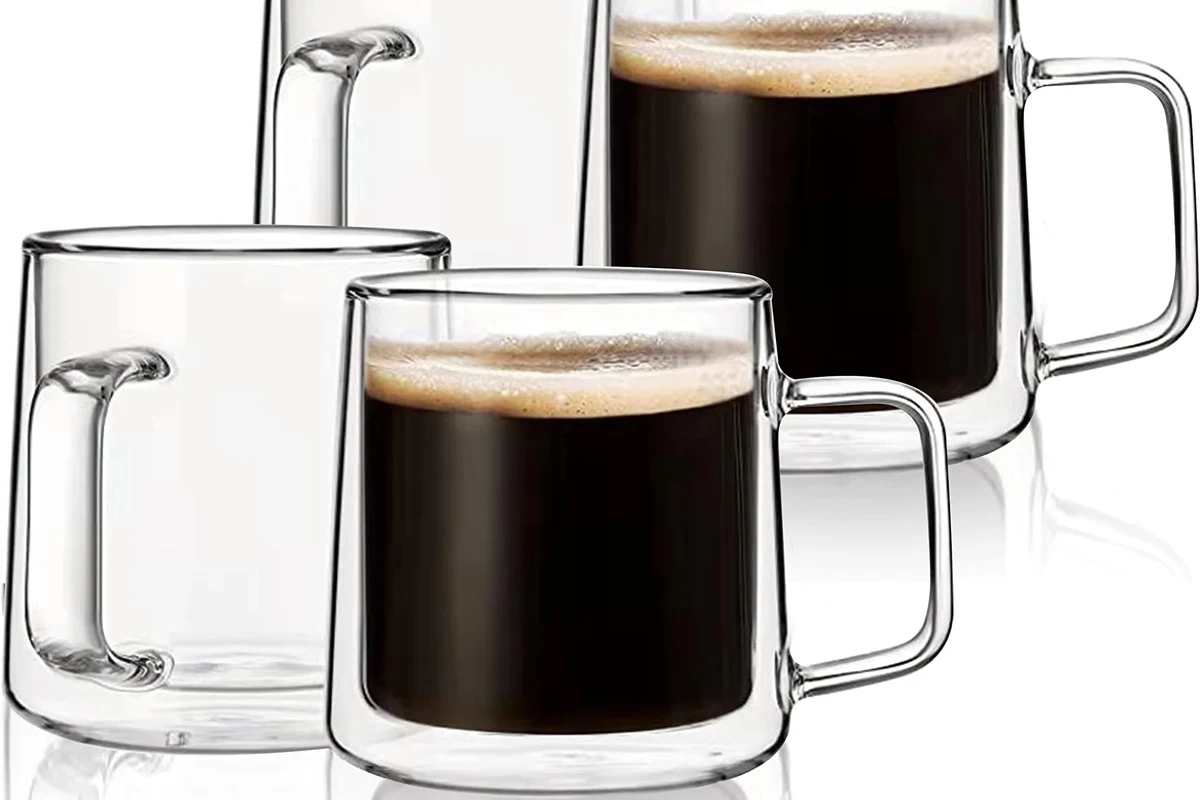
The short answer is that glass gives you taste neutrality, visual appeal, and easy serving. It does not hold flavors the way some other materials can, so your coffee tastes like coffee.
Glass also lets you see the drink. That matters more than people think. A latte, an Americano, or a cold brew with ice just looks better in a clear mug.
Manufacturers also use glass because it works well for both hot and cold drinks. Many glass mugs suit everyday home use, especially when style matters as much as function.
In short: glass is chosen for clean taste, clear looks, and flexible use. It is not the toughest choice, but it is often the prettiest one.
Not every glass mug is the same. Heat-safe glass, double-wall glass, and basic glass all behave differently.
How Glass Coffee Mugs Work in Daily Use
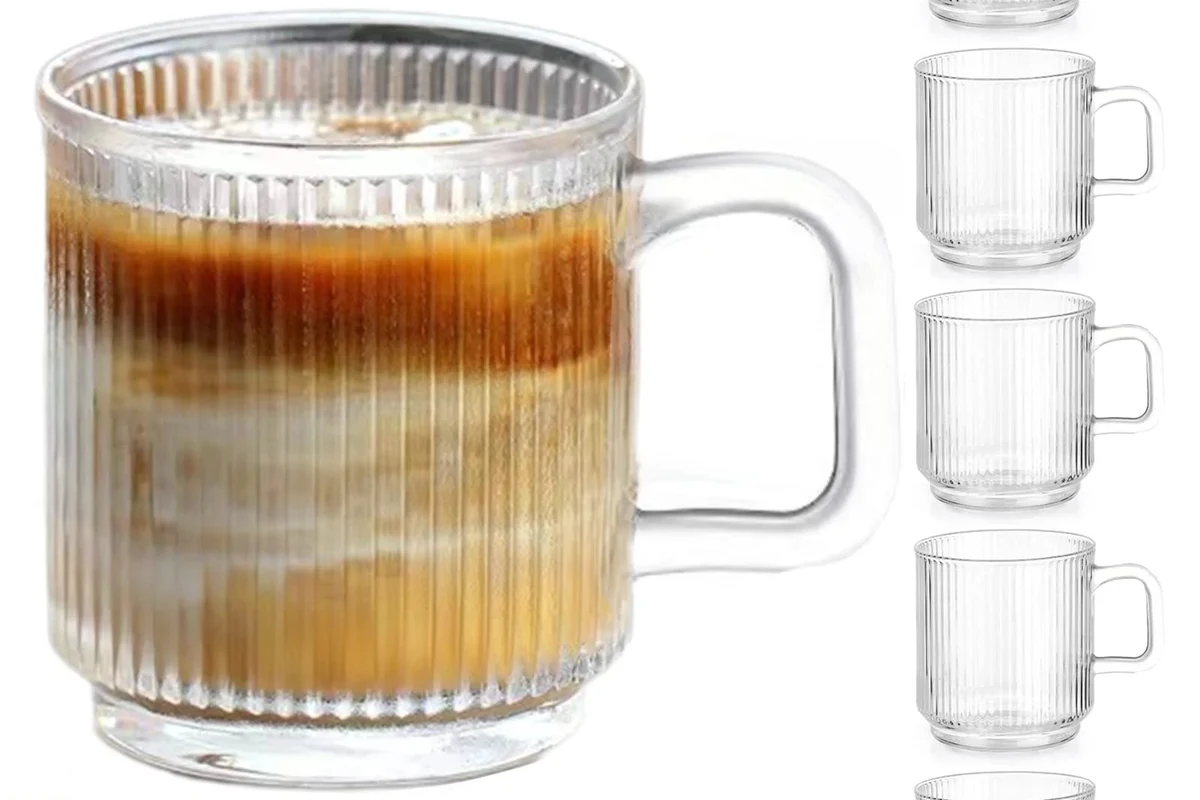
Glass mugs fit into daily routines in a simple way. You fill them, sip from them, and wash them without much fuss.
They are popular for home coffee bars because they make the drink feel a little more special. Even plain drip coffee can look nicer in a clear mug.
Heat Retention and Temperature Control
Glass does not trap heat as well as insulated steel. That means your coffee may cool faster in a thin glass mug.
Still, many people like that. It gives them more control over sipping temperature. If you want coffee that stays hot for a long time, glass may not be your best pick.
Double-wall glass mugs help more than single-wall ones. They slow heat loss and keep the outside cooler to hold.
Double-wall glass can make a hot drink look like it floats inside the mug.
Visibility, Style, and Presentation
This is where glass really shines. You can see crema, foam, layers, and color right away.
That makes glass mugs a favorite for cappuccinos, iced coffee, tea, and dessert drinks. If you enjoy serving guests, the presentation often feels more polished.
In short: glass mugs turn a normal drink into a visual moment. That is a big part of their appeal.
Key Benefits of Glass Coffee Mugs
Glass mugs bring a few clear wins to the table. They are not for every kitchen, but they solve some common problems well.
- Neutral taste with no lingering smell
- Clear view of coffee, tea, and cold drinks
- Good for serving drinks with layers or foam
- Often easy to rinse and keep looking clean
Non-Porous Surface and Taste Neutrality
Glass is non-porous, so it does not soak up coffee oils the way some materials can. That helps keep flavors clean over time.
If you switch between coffee, tea, and hot chocolate, this matters. You are less likely to get an old flavor hanging around.
That is one reason many people trust glass for delicate drinks. The mug stays out of the way, so the drink stays the focus.
Easy Serving for Hot and Cold Drinks
Glass works well for more than just hot coffee. It also suits iced coffee, cold brew, chai, and even layered milk drinks.
Because you can see inside, it helps with serving and portion checks. For example, you can spot foam level or milk mix at a glance.
Some glass mugs also move easily from kitchen to table. That makes them handy when you want one vessel for prep and serving.
Limits and Drawbacks You Should Know
Glass mugs have real downsides too. If you know them early, you can avoid a lot of frustration.
Use heat-safe glass only for hot drinks. If a mug is chipped, cracked, or badly scratched, stop using it.
Fragility and Break Risk
The biggest drawback is simple. Glass can crack, chip, or shatter if it takes a hard hit.
That makes it less forgiving than ceramic or metal. It is not the best choice for a busy office, a clumsy shelf, or a home with rough handling.
If you stack mugs tightly, store them with care. A small bump can become a bigger problem later.
Heat Transfer and Comfort in Hand
Thin glass can get hot fast. That may make it less comfortable to hold with no handle.
Some mugs solve this with thicker walls or double-wall design. Others use a handle that stays cooler than the cup body.
If you often drink very hot coffee, check how the mug feels in hand. Comfort matters just as much as looks.
- Choose double-wall glass for better comfort and slower heat loss.
- Pick a handle that fits your fingers without squeezing.
- Store mugs with space between them to reduce chip risk.
Important Specs to Check Before You Buy
Not all glass mugs are built the same. A few simple checks can save you from buying the wrong set.
- Glass type and wall thickness
- Handle shape, size, and grip comfort
- Microwave and dishwasher safety
- Capacity and overall balance
Glass Type and Thickness
Look for heat-safe glass if you plan to use hot drinks. Borosilicate glass is often used for thermal resistance, but model details vary.
Thicker glass usually feels sturdier. It may also hold heat a bit better than thin glass.
That said, thicker does not always mean better. A very thick mug can feel heavy and bulky in daily use.
Handle Design, Size, and Capacity
A good handle should feel easy to grip, even when the mug is full. If the handle is too small, the mug can feel awkward or unsafe.
Capacity matters too. A mug that looks large may still hold less than you expect.
Think about your usual drink. A small espresso drink needs less space than a big morning pour of drip coffee.
Microwave and Dishwasher Safety
Always check the label or product page. Some glass mugs are microwave safe, but not all of them are.
The same goes for dishwashers. A mug may be safe in the dishwasher, yet still need top-rack placement or gentle cycles.
Important: follow the maker’s care rules. Those rules matter more than guesswork.
Follow the mug’s care label and stop using any glass that shows cracks or chips.
Common Mistakes with Glass Coffee Mugs
Most problems come from misuse, not from the mug itself. A little care goes a long way.
Using the Wrong Temperature Changes
One common mistake is sudden temperature shock. For example, pouring boiling liquid into cold glass can stress the mug.
The same risk can happen in reverse. A cold rinse right after a very hot drink may also cause damage in some cases.
Let the mug adjust slowly when you can. That small habit helps reduce cracks.
- Let very cold mugs warm up before hot drinks
- Check for heat-safe labeling before use
- Pouring boiling liquid into a chilled mug
- Using damaged glass for any hot drink
Skipping Care Labels and Safety Checks
Another mistake is treating all glass mugs the same. They are not all built for the same use.
Some are fine for coffee but not for the microwave. Others may be dishwasher safe but still need gentle handling.
Before use, read the care label and inspect the mug. That takes less than a minute and can prevent a broken mug later.
Cleaning, Care, and Long-Term Maintenance
Glass mugs are usually easy to clean, but they still need basic care. Good habits help them stay clear and safe.
Best Washing Methods for Clear Glass
Warm water, mild soap, and a soft sponge work well for most mugs. That keeps the surface clear without scratching it.
If the mug is dishwasher safe, place it where the maker recommends. A secure spot helps prevent bumping and chips.
Drying with a soft cloth can also reduce water spots. That matters if you like a spotless, clear finish.
Rinse soon, wash gently, and dry with a soft cloth.
Check for chips, clouding, and tiny cracks before continued use.
How to Prevent Clouding, Chips, and Stains
Clouding can happen from hard water, strong detergents, or long use. It does not always mean the mug is unsafe, but it can hurt the look.
To reduce chips, avoid crowding mugs in the sink or cabinet. Give each one a little space.
For stains, wash soon after use. Coffee residue is easier to remove before it dries.
White film, dull spots, or light clouding on the glass.
Wash with mild soap first, then check your water and drying habits.
Final Recommendation: Is a Glass Coffee Mug Worth It?
Yes, a glass coffee mug is worth it if you value taste neutrality, clean looks, and good presentation. It is a smart choice for home coffee drinkers who want style without strong flavor carryover.
On the other hand, if you need maximum toughness or long heat retention, ceramic or insulated steel may fit better.
In short: choose glass when appearance and clean flavor matter most. Choose another material when durability and heat hold matter more.
Glass coffee mugs are a great pick for clear taste and a polished look, but they need gentle handling. If you want a mug for everyday rough use, a tougher material may be the better fit.
Frequently Asked Questions
Glass mugs are popular because they keep flavors neutral and show the drink clearly. They also work well for hot and cold drinks.
They can keep coffee warm for a short time, but they do not insulate as well as steel. Double-wall glass usually holds heat better than thin glass.
Some are microwave safe, but not all. Check the label or product details before heating any glass mug.
Use warm water, mild soap, and a soft sponge for most mugs. If the mug is dishwasher safe, follow the maker’s placement and care instructions.
Check the glass type, thickness, handle comfort, capacity, and safety labels. Also confirm dishwasher and microwave guidance from the maker.
Stop using it if you see cracks, chips, or serious scratches. Damaged glass can break more easily and should be replaced.