

Because it uses full immersion and a metal filter for a rich, full-bodied cup with vivid oils.
If you care about texture, aroma, and a true coffee flavor, this guide on why french press coffee matters will help. I write about coffee from years of tasting, brewing, and testing gear. I explain why french press coffee gives different results than other methods. Read on for clear steps, honest pros and cons, useful tips, and answers to common questions.

What does "why french press coffee" really mean?
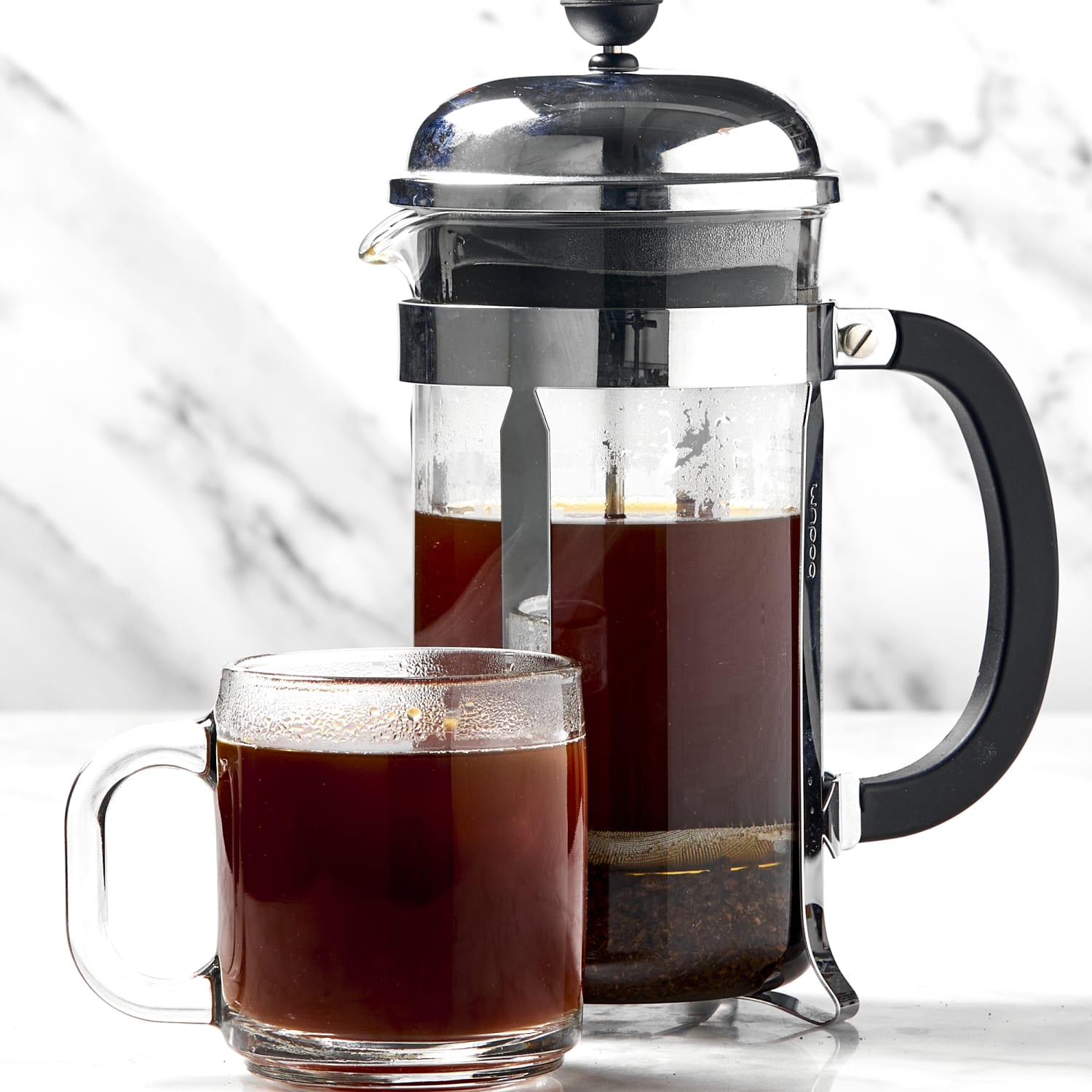
Many people ask why french press coffee is special. The short answer is simple: the method changes how coffee extracts. A French press steeps grounds in hot water for several minutes. Then a metal mesh filter presses the grounds down. This lets oils and fine particles stay in the brew and shape the final cup.
Why french press coffee often yields stronger taste is easy to explain. Full immersion extracts flavors evenly. The metal filter does not trap coffee oils. That gives you a rounder body and a thicker mouthfeel than paper-filtered methods.
Here are two common quick questions people search for:
"What is full immersion?" Full immersion means the coffee grounds soak in water for the whole brew time. This gives broad flavor extraction.
"Does metal filter make coffee oily?" Yes. The mesh allows natural oils and micro-fines through. These add texture and a bolder profile.
:max_bytes(150000):strip_icc()/Simply-Recipes-French-Press-Coffee-METHOD-07-e61f9c9136b94f3389522ec2f52892a5.jpg)
Flavor and texture: What sets French press apart
French press coffee stands out for body and clarity. The brew has more texture than drip coffee. The metal filter keeps oils that paper filters remove. That means a heavier mouthfeel and deeper taste.
You will notice:
- More body and oils that add roundness.
- Stronger aroma because volatile compounds stay in the cup.
- Slightly more sediment if the grind is fine or brew time is long.
Because of its profile, french press is best for medium to dark roasts and single-origin beans you want to taste fully. If you like bright, delicate notes, pour-over may suit you more. But if you want rich, bold, and full, this answers why french press coffee appeals to many.

How to make great French press coffee — step-by-step
A clean, repeatable method makes a great cup. Follow these steps to get consistent results and truly understand why french press coffee works for you.
- Grind
- Use a coarse, even grind. Think of sea salt texture.
- Measure
- Use a 1:15 to 1:17 coffee-to-water ratio. For example, 20 g coffee to 300 g water.
- Heat water
- Heat to about 200°F (just off boil). Let boil then sit 30 seconds.
- Bloom and stir
- Pour a little water to wet grounds for 30 seconds. Stir gently.
- Steep
- Pour remaining water and let steep 4 minutes. Adjust time to taste.
- Press and serve
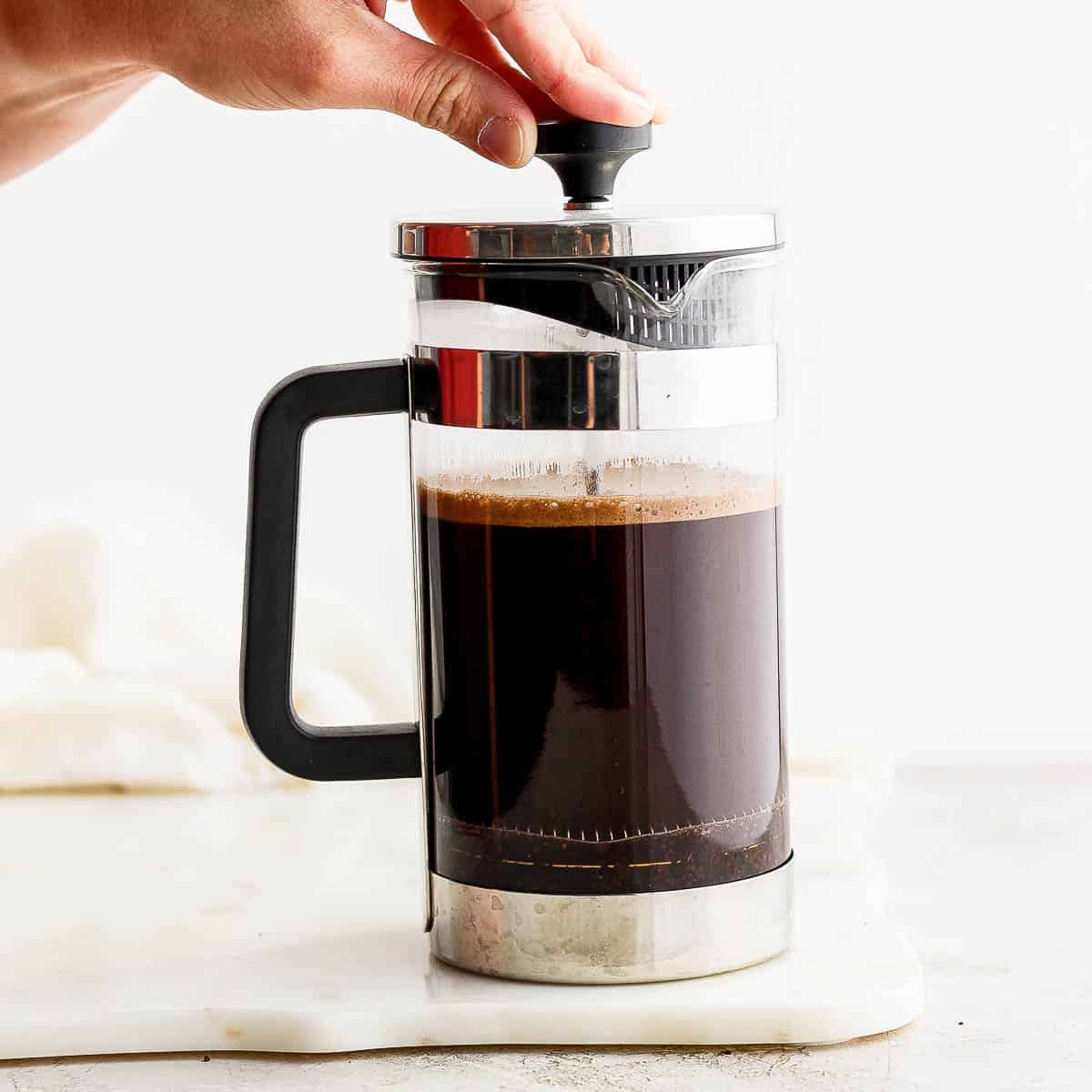
- Press slowly and serve right away to avoid over-extraction.
Why french press coffee benefits from this routine is clear. Coarse grind reduces fines that cause grit. Proper ratios and timing control strength and clarity. Clean equipment avoids off-flavors.

Benefits of using a French press
Choosing the french press can fit many lifestyles and tastes. Here are practical benefits I’ve seen from daily use.
- Full flavor extraction and oils for a rich cup.
- Simple, no electricity needed. Good for travel and camping.
- Easy to control brew time and strength.
- Durable and inexpensive compared to some espresso machines.
- Versatile: you can brew small or large batches easily.
These points explain why french press coffee remains popular with home brewers and coffee lovers who value taste and control.
Limitations and what to watch for
No method is perfect. Here are limits to know before you commit to a french press.
- Sediment and fines can end up in the cup if the grind is too fine.
- Coffee can become over-extracted if left in the press after plunging.
- Metal filters allow more oils and potential cholesterol-raising compounds, though evidence is mixed and context matters.
- Not ideal if you prefer very bright, crisp acidity.
Being aware of these challenges tells you why french press coffee may not be best for every taste or situation. Adjust techniques to reduce downsides.

Common mistakes and how to avoid them
I used to make a few repeatable mistakes. Fixing them improved my coffee a lot. Here’s a checklist to avoid common traps.
- Using too-fine grind — leads to grit and over-extraction. Use coarse grind.
- Letting coffee sit after pressing — results in bitterness. Pour immediately.
- Not preheating the press — causes temp drop and dull flavors. Warm the pot with hot water first.
- Skipping a proper stir during bloom — causes uneven extraction. Stir gently after bloom.
- Poor water quality — bad-tasting water makes bad coffee. Use filtered water.
Fix these and you’ll see why french press coffee rewards small improvements. My own cups went from flat to lively once I adjusted grind and timing.
Comparisons: French press vs drip, pour-over, and espresso
People often ask how french press stacks up. Here are simple comparisons to help you choose.
- French press vs drip
- French press gives fuller body and more oils. Drip is cleaner and less heavy.
- French press vs pour-over
- Pour-over highlights acidity and clarity. French press highlights body and depth.
- French press vs espresso
- Espresso is high pressure, concentrated, and crema-rich. French press is lower pressure, fuller body, and less concentrated.
Knowing these differences explains why french press coffee fits certain flavor goals. Pick the method that matches the mood or beans.
Maintenance and equipment tips
Good care keeps your French press working and tasting great. Simple habits make a big difference.
- Clean after each use to avoid stale oils. Rinse and wash parts with warm water.
- Replace the mesh filter if bent or clogged. A worn filter increases sediment.
- Try glass for easy cleaning and visibility. Use stainless steel for insulation.
- Use a scale and timer for consistent results.
Small upkeep explains why french press coffee can stay reliable over years. Treat your press well and it will reward you.
Personal experience and lessons learned
I brewed my first french press in college. I learned by tasting side-by-side with drip coffee. Over time I refined my grind and timing. Here are honest lessons that helped me.
- Changing grind size improved clarity dramatically. Coarser ground reduced sludge.
- Fresh beans mattered most for brightness and aroma. Buy whole bean and grind before brewing.
- Small recipe tweaks can majorly shift flavor. I adjusted ratio from 1:15 to 1:16 for balance.
- I once left coffee in the press for 20 minutes and it tasted harsh. Pour right away now.
These experiences show why french press coffee rewards care and curiosity. It is forgiving yet expressive.
Frequently Asked Questions of why french press coffee
What grind size is best for French press?
A coarse grind is best. It reduces sediment and prevents over-extraction.
How long should I steep coffee in a French press?
Steep for about 4 minutes as a starting point. Adjust by 30-second steps to match taste.
Does French press coffee have more caffeine?
Not necessarily. Caffeine depends on ratio and brew time, not just method. Similar recipes give similar caffeine.
Can I use the French press for tea?
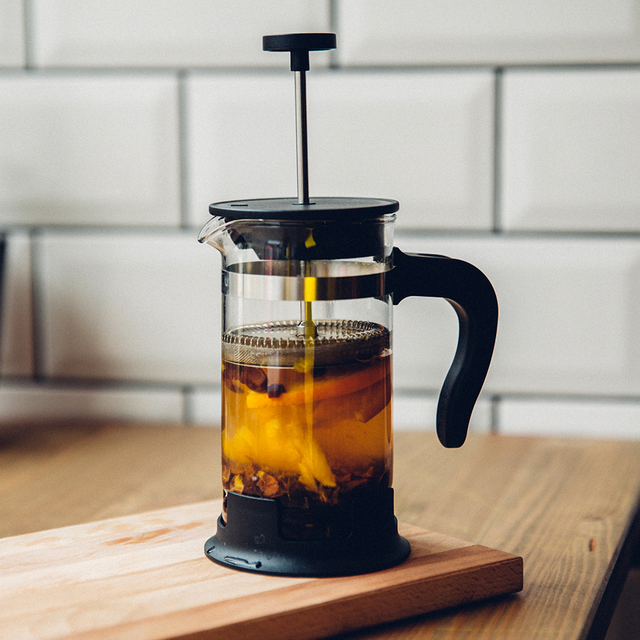
Yes. The press can brew loose-leaf tea. Clean the press well between uses to avoid flavor transfer.
Is French press coffee healthier than drip?
They differ. Metal filters let oils through that paper filters trap. Some compounds in oils may affect cholesterol, but overall diet matters more.
How do I reduce sediment in my cup?
Use a coarser grind and press slowly. Pour through a fine sieve if you want extra clarity.
Conclusion
If you want a rich, textured cup that highlights oils and body, try a French press. This method rewards simple care: the right grind, proper ratio, and clean gear. Practice a few times and taste the difference to truly learn why french press coffee fits your routine.
Try one recipe this week. Note what you like and tweak grind or time. Leave a comment with your results, subscribe for more tips, or share your favorite bean.