3 Cups of Rice How Much Water Rice Cooker Guide

For 3 cups of rice in a rice cooker, start with about 3 3/4 to 4 1/2 cups of water for white rice. Brown rice usually needs more water, while jasmine and basmati often need a little less.
If you’re asking “3 cups of rice how much water rice cooker,” the safest starting point is usually about 3 1/2 to 4 1/2 cups of water, depending on the rice type and the cooker. The exact amount changes with white rice, brown rice, jasmine, basmati, rinsing, and even the measuring method you use.
- Start here: Use 3 3/4 to 4 1/2 cups water for 3 cups white rice.
- Rice type matters: Brown rice needs more water than jasmine or basmati.
- Measure correctly: Dry cups and rice cooker cups are not always the same.
- Rinse adjustment: Rinsed rice may need a small water tweak.
3 Cups of Rice How Much Water Rice Cooker: What Readers Actually Want to Know
Most people do not want a theory lesson here. They want a dependable starting number that works in a rice cooker, plus a simple way to adjust if the rice comes out too dry or too soft.
For 3 cups of uncooked white rice, many rice cookers do well with roughly 3 3/4 to 4 1/2 cups of water. Brown rice usually needs more, while jasmine and basmati often need a little less than standard medium-grain rice.
Search intent: the exact water amount for 3 cups of rice in a rice cooker
The direct answer depends on the rice and the cooker, but the most practical starting point is this: use the rice cooker’s measuring lines if available, or begin with a ratio around 1:1.25 to 1:1.5 for white rice. That means 3 cups of rice usually needs about 3 3/4 to 4 1/2 cups of water.
If you want firmer rice, stay closer to the lower end. If you want softer rice, go toward the higher end, especially if the rice was rinsed well.
Why the answer changes by rice type, cooker model, and measuring method
Different rice varieties absorb water differently. Short-grain rice tends to need a little more water for a sticky texture, while long-grain rice often cooks best with slightly less.
Rice cooker models also vary. Basic one-touch cookers may need a more manual approach, while fuzzy logic cookers often adjust heat and timing more precisely, which can change how much water feels right in 2026 kitchens.
3-Cup Rice Cooker Water Ratio Chart for White, Brown, Jasmine, and Basmati Rice
Use the chart below as a starting guide, not a rigid rule. Altitude, rice age, rinsing, and cooker style can all shift the result.
Standard water ratios for 3 cups of rice in a rice cooker
| Rice Type | Starting Water for 3 Cups Rice | Texture Result |
|---|---|---|
| White rice | 3 3/4 to 4 1/2 cups | Fluffy to slightly soft |
| Brown rice | 4 1/2 to 5 1/4 cups | Chewier, fully cooked grains |
| Jasmine rice | 3 1/2 to 4 cups | Soft, fragrant, lightly sticky |
| Basmati rice | 3 1/2 to 4 cups | Separate, light grains |
These amounts assume standard dry measuring cups. If your rice cooker came with its own cup, the numbers may not match a US measuring cup exactly.
How to adjust for short-grain, long-grain, and parboiled rice
Short-grain rice usually benefits from a little more water if you want a tender, cohesive texture. Long-grain rice often needs slightly less because the grains are meant to stay more separate.
Parboiled rice can be less forgiving. Start near the lower end of the range, then adjust after one batch if the texture comes out too firm or too dry.
When to add a little extra water for softer or stickier results
Add 2 to 4 tablespoons of extra water if you rinsed the rice thoroughly, prefer softer rice, or your cooker tends to run hot. That small adjustment is often enough to fix dry results without making the batch mushy.
If you want stickier rice for serving with sauces or bowls, use a touch more water and let the rice rest after cooking. For fluffy rice, keep the water closer to the lower end and avoid stirring too early.
How to Measure 3 Cups of Rice Correctly Before Adding Water
Getting the rice measurement right matters just as much as the water. A small measuring mistake can change the texture more than people expect.
Dry cup vs rice cooker cup: why the measurements are not always the same
A standard dry measuring cup is not always the same as the cup that comes with a rice cooker. Many rice cooker cups are smaller, so “3 cups” on the cooker may not equal 3 US cups.
Before cooking, check which cup your model expects. If you mix measuring systems, the rice may turn out too wet or too dry even if the water looks correct.
Rinsing rice and how leftover water affects the final ratio
Rinsed rice carries a little surface moisture into the pot. That does not replace the cooking water, but it can slightly affect the final texture.
If you rinse until the water runs mostly clear, consider reducing the added water by a small amount for white rice. For brown rice, the difference is usually less noticeable, but it still matters.
Leveling, scooping, and using the rice cooker inner pot markings
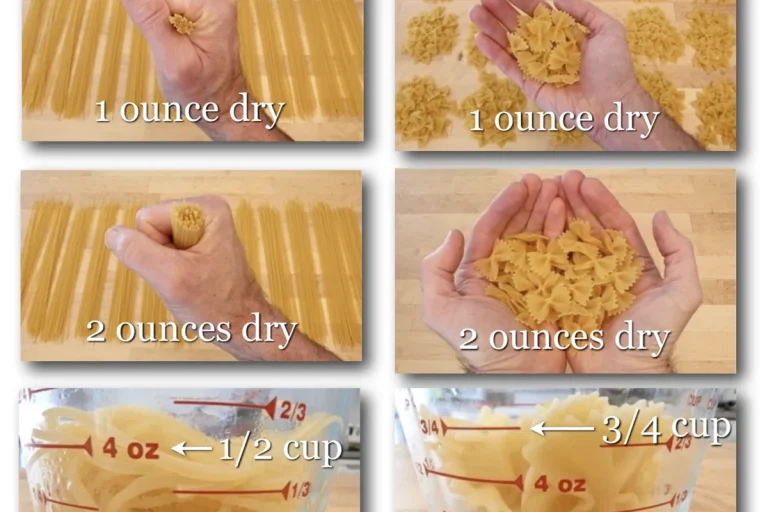
Scoop rice loosely into the cup, then level it off. Do not pack it down, because compressed rice gives you more than a true cup and throws off the ratio.
The inner pot markings are often the easiest method for everyday cooking. Fill the rice to the correct line, then add water to the matching line for that same rice amount.
Step-by-Step Rice Cooker Instructions for 3 Cups of Rice
Once you know the right ratio, the cooking process is simple. The main goal is to keep the measurements consistent and avoid releasing steam too early.
Rinse, drain, and load the rice
Rinse the rice in a bowl or directly in the inner pot if your cooker allows it. Drain well so you are not adding a large amount of extra rinse water by accident.
Then add the measured rice to the cooker pot and spread it evenly. This helps the grains cook at a more even rate.
Add the correct water amount for your rice type
Add water based on the rice type and the texture you want. For white rice, start around 3 3/4 to 4 1/2 cups of water for 3 cups of rice, then fine-tune later if needed.
If your cooker has marked lines, trust those first. Manufacturer markings are usually designed for that specific pot shape and heating pattern.
Choose the right setting: white rice, brown rice, quick cook, or mixed
Use the white rice setting for standard white rice, jasmine, or basmati unless your manual says otherwise. Brown rice needs a longer cycle, so use the brown setting when available.
Quick cook can save time, but it may produce slightly firmer rice or a less even texture. Mixed settings are useful when you cook rice with grains or other ingredients, but they can change the water needs.
Letting the rice rest after cooking for better texture
After the cooker switches to warm, let the rice rest for 10 to 15 minutes before opening the lid. This gives steam time to finish distributing through the pot.
Fluff gently with a rice paddle or spoon after resting. Stirring too aggressively can break the grains and make the batch feel gummy.
Common Mistakes That Cause Mushy, Dry, or Undercooked Rice
Most rice problems come from measurement errors, not the cooker itself. A few small habits can make a big difference in the final bowl.
Using the wrong cup size or ignoring the cooker’s measuring lines
The most common issue is mixing cup systems. If you use a standard cup when the cooker expects its own cup, the ratio may be off right away.
Always check the manual or the inner pot markings before cooking a 3-cup batch. That simple step prevents a lot of trial and error.
Overfilling the pot or cooking too much at once
Rice needs room to expand as it cooks. If you overfill the pot, the cooker may heat unevenly and the rice can come out wet on top and dry on the bottom.
For a 3-cup batch, make sure the cooker is comfortably within its recommended capacity. A small cooker may handle it, but only if 3 cups is within the model’s safe range.
Opening the lid too early and releasing steam
Opening the lid during cooking lets steam escape and can interrupt the final stage of absorption. That often leads to undercooked rice, especially in the center.
Wait until the cycle ends and the rice has rested. If you must check it, do so quickly and only near the end of the cooking time.
Not adjusting for rinsed rice, altitude, or older rice
Rinsed rice, dry pantry-stored rice, and high-altitude cooking can all change how much water is needed. Older rice may need a little more water because it has had more time to dry out.
If you live at higher elevation, expect to test and adjust. Rice cookers are convenient, but they still respond to local conditions.
Rice Cooker Compatibility: Which Models Handle 3 Cups Best
Not every rice cooker behaves the same way with a 3-cup batch. Some models are excellent for small family meals, while others are better suited to larger portions.
Basic one-touch cookers vs fuzzy logic rice cookers
Simple and affordable, but they rely more on standard ratios and may need manual adjustment after a few tries.
More adaptable to rice type and moisture changes, though results still vary by brand, model, and settings.
Basic cookers are fine if you cook the same rice often. Fuzzy logic models are helpful if you switch between white, brown, jasmine, and basmati rice regularly.
Small, medium, and family-size rice cooker capacity limits
Small cookers can handle 3 cups if that amount falls within their rated capacity, but they may perform best at the lower end of their range. Medium and family-size cookers usually handle 3 cups more comfortably.
If the pot is too large for the batch, rice may spread thinly and cook less evenly. If the pot is too small, the cooker may boil over or struggle to maintain consistent heat.
When a 3-cup batch is ideal and when a larger cooker performs better
A 3-cup batch is ideal for meal prep, side dishes, and small households. It is also a good test batch when you are learning a new cooker.
A larger cooker may perform better if you often cook for guests or want extra room for steam circulation. Capacity matters more than many buyers expect in 2026 kitchens.
Time, Energy, and Cost Considerations for Cooking 3 Cups of Rice
Rice cookers are usually convenient and energy-conscious for small batches. The exact time and cost depend on the model and the type of rice you use.
Typical cook time by rice type and cooker setting
White rice usually finishes faster than brown rice. Quick cook settings can shorten the process, while brown rice settings often take longer because the grain needs more time to soften.
Exact timing varies by appliance, but a 3-cup batch is often practical because it cooks in one cycle without much monitoring.
How batch size affects electricity use and meal prep efficiency
Cooking 3 cups at once can be more efficient than making several small batches. You use one heating cycle, one cleanup, and one rest period.
That said, energy use still depends on cooker wattage, cycle length, and how often you keep the unit on warm. A cooker that matches your usual meal size is usually the most efficient choice.
Cost comparison: rice cooker convenience vs stovetop cooking
A rice cooker saves attention more than money in many kitchens. You avoid constant checking, stirring, and heat adjustment, which is valuable if you are cooking other parts of the meal.
Stovetop rice can be just as good, but it requires more monitoring. For busy households, the convenience of a rice cooker often outweighs the small difference in operating cost.
Final Recap: The Best Water Amount for 3 Cups of Rice in a Rice Cooker
If you want the simplest answer, start with about 3 3/4 to 4 1/2 cups of water for 3 cups of white rice in a rice cooker. Then adjust slightly based on the rice type, cooker model, and whether you prefer firmer or softer grains.
Quick summary of the safest starting ratio
For white rice, begin near 1 part rice to 1.25–1.5 parts water. For brown rice, use more water, and for jasmine or basmati, stay a bit lower if you want separate grains.
Best next-step adjustments based on texture preference and rice type
If the rice is too firm, add a little more water next time. If it is too soft or mushy, reduce the water slightly or shorten the resting time after cooking.
The best method is to keep notes after each batch. Small adjustments are usually all it takes to get consistent results from your rice cooker in 2026.
Frequently Asked Questions
A practical starting point is about 3 3/4 to 4 1/2 cups of water for 3 cups of white rice. Brown rice usually needs more water, while jasmine and basmati often need slightly less.
Yes, rinsing can leave a little surface moisture on the grains. You usually only need a small adjustment, such as a few tablespoons less or more depending on texture and rice type.
Many rice cookers use a cup that is smaller than a standard US measuring cup. Always check the cooker manual or inner pot markings before measuring.
Use the white rice setting for most white, jasmine, or basmati rice, and the brown rice setting for brown rice. Quick cook can work, but it may produce a firmer texture.
Use the correct cup size, follow the cooker markings, and let the rice rest after cooking. Small water adjustments of a few tablespoons usually solve texture problems.
If the rice cooker has electrical damage, overheating, a burning smell, or a faulty power cord, stop using it and seek qualified repair help. For built-in or hardwired appliances, contact a qualified technician.