How to Cook Zucchini as Pasta for a Tasty Healthy Meal

Cook zucchini as pasta by cutting it into noodles, drying it well, and using only brief heat. Serve it right away with a bold sauce for the best texture.
If you want a lighter pasta swap, zucchini is a smart pick. The best way to cook it is fast, dry, and with a sauce that adds flavor.
- Dry first: Salt and blot zucchini to cut down on extra water.
- Cook fast: A short sauté keeps the noodles from turning mushy.
- Pick the right shape: Spiral noodles, ribbons, and strips suit different sauces.
- Finish strong: Cheese, herbs, lemon, or garlic boost mild zucchini flavor.
What Zucchini Pasta Is and Why It Works
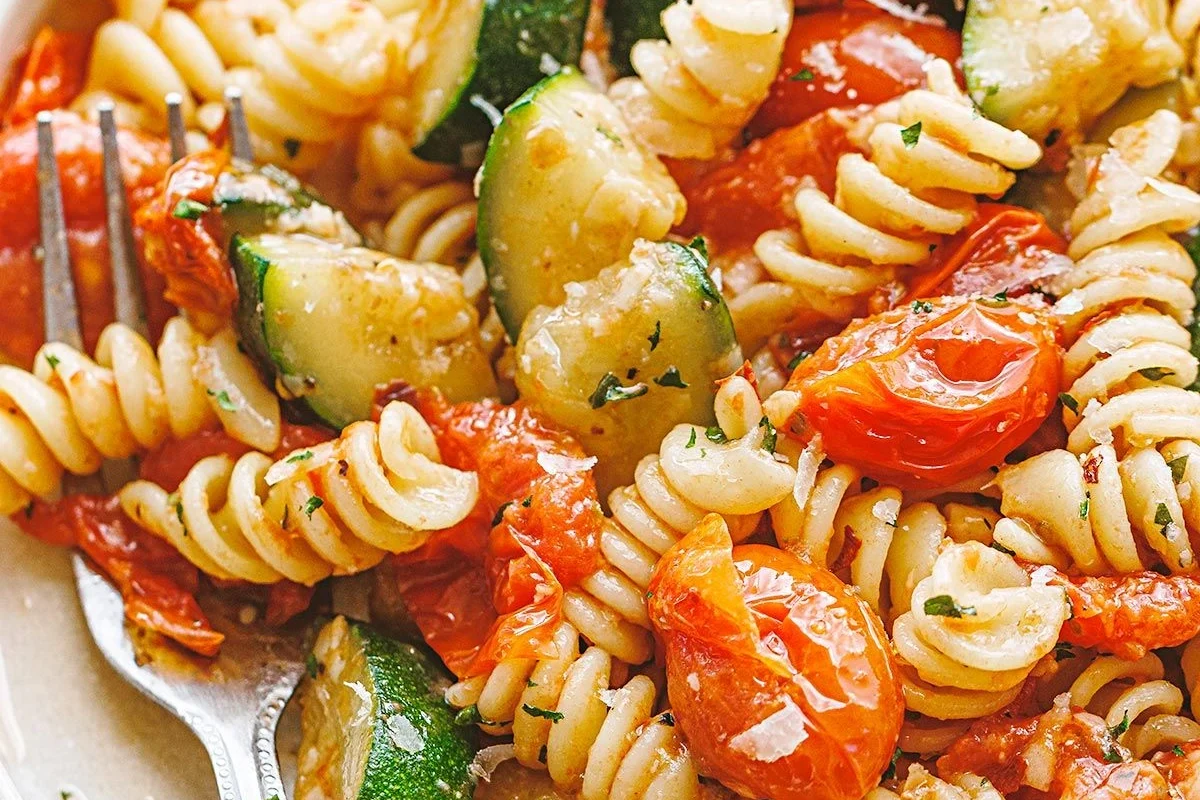
Zucchini pasta is just zucchini cut into noodle-like shapes and used in place of wheat pasta. It gives you a fresh, tender base for sauce without much effort.
It works because zucchini cooks fast and has a mild taste. That makes it easy to pair with garlic, tomato, pesto, cream, or olive oil.
The simple answer to how to cook zucchini as pasta
The short answer is this. Cut the zucchini into noodles, salt them lightly, drain off extra water, then cook them for a very short time or not at all.
That’s the heart of how to cook zucchini as pasta. If you cook it too long, it turns soft and watery.
Why zucchini makes a light pasta swap
Zucchini has a fresh bite and a mild flavor. It can carry sauce well without feeling heavy.
That makes it a good choice when you want a lower-carb meal or a dinner that feels less rich. It’s also handy when you have extra zucchini to use up.
What texture to expect in a real meal
Don’t expect zucchini to act like wheat pasta. It stays softer and has more moisture.
Think of it as a vegetable base with noodle shape. In short, it tastes best when you treat it like a quick-cooked veggie, not a dry pasta clone.
Zucchini is mostly water, so prep matters more than long cooking time.
Best Ways to Cut and Shape Zucchini for Pasta
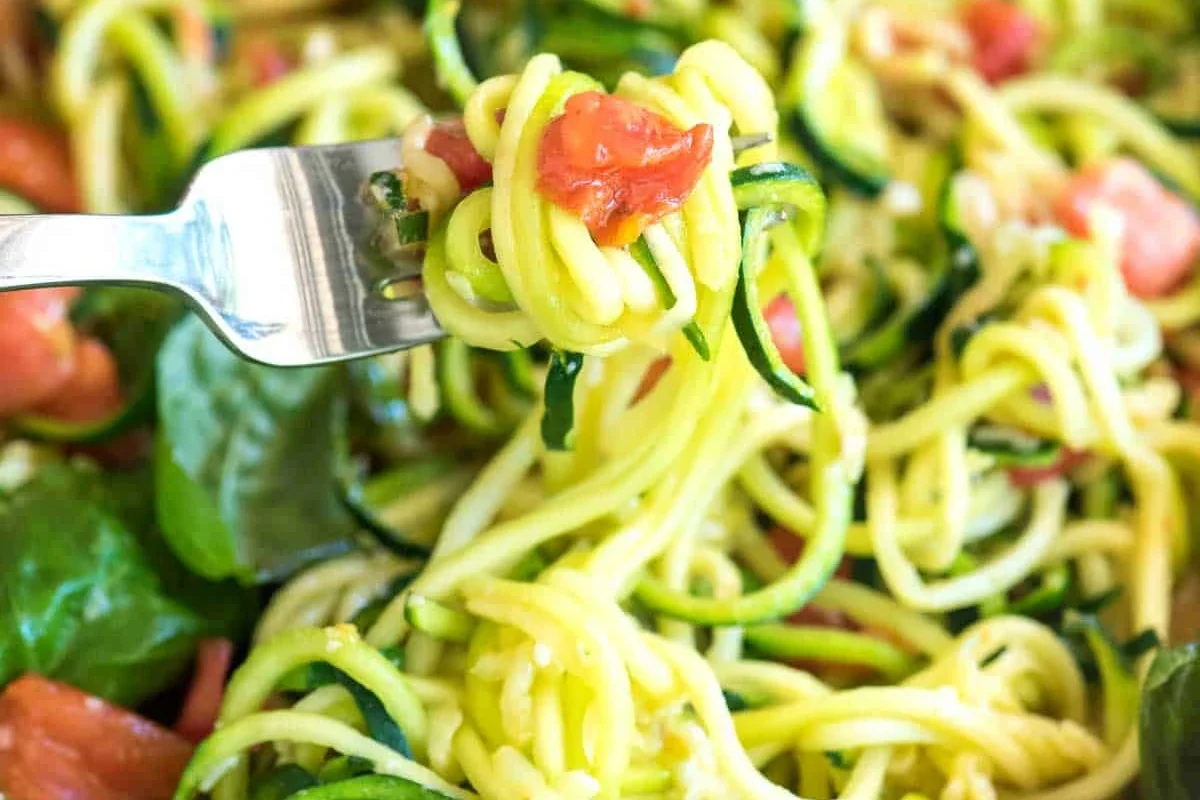
The shape you choose changes the final feel of the dish. Some cuts hold sauce better, while others cook faster and look more like classic noodles.
Using a spiralizer for long noodles
A spiralizer makes long, curly strands that look like spaghetti. It’s the easiest way to get a true pasta feel.
This shape works well for light sauces and quick skillet meals. It also helps the zucchini cook evenly.
Making ribbons with a peeler
A wide peeler can make flat ribbons. These look nice and feel a little more delicate on the plate.
Ribbons are good when you want a softer bite. They work well with olive oil, lemon, or thin tomato sauce.
Cutting julienne strips by hand
If you don’t have a spiralizer, a knife can still do the job. Cut the zucchini into thin matchsticks.
This takes more time, but it works in a pinch. Keep the strips even so they cook at the same pace.
Which shape works best for each sauce
Long spiral noodles suit thicker sauces best. They give the sauce more surface to cling to.
Ribbons work well with light sauces. Julienne strips are a solid choice for stir-fry style meals or quick garlic oil dishes.
| Shape | Best For | Key Consideration |
|---|---|---|
| Spiral noodles | Tomato, pesto, meat sauce | Looks most like pasta |
| Ribbons | Light oil or lemon sauces | Very tender texture |
| Julienne strips | Quick skillet meals | Best when cut evenly |
How to Cook Zucchini as Pasta Without Getting It Watery
Water is the main challenge with zucchini noodles. The fix is simple. Remove extra moisture before and during cooking.
Salt and drain the zucchini first
Lightly salt the noodles and let them sit for a few minutes. Then blot them dry with paper towels or a clean kitchen towel.
This step pulls out extra water. It helps the zucchini keep a better texture in the pan.
Use quick heat, not long cooking
Zucchini needs very little time on heat. A short sauté is usually enough.
Long cooking breaks down the vegetable and makes the dish soggy. If you want a firmer bite, keep the heat brief.
Pan sauté, steam, or serve raw
Pan sautéing gives the most control. Use a hot skillet and move the noodles around fast.
You can also serve zucchini noodles raw, especially in cold dishes. Steaming is possible, but it can soften them fast, so use care.
How long to cook zucchini noodles
Most zucchini noodles only need about 1 to 3 minutes in a skillet. Some meals need even less.
Cook just until warm and slightly tender. If the noodles look limp, they’ve likely gone too far.
Hot oil and steam can splatter when zucchini releases water. Use a dry skillet, keep your hands clear, and follow your cookware’s safety guidance.
Ingredients and Tools You Need for the Best Results
You don’t need much to make a good zucchini pasta meal. A few smart tools and flavor add-ins make the biggest difference.
Fresh zucchini and simple pantry add-ins
Choose firm zucchini with smooth skin and no soft spots. Medium zucchini usually work best because they have fewer seeds.
Basic pantry items help build flavor fast. Garlic, olive oil, salt, pepper, and cheese all work well.
Helpful tools like spiralizers and skillets
A spiralizer saves time and gives you even noodles. A sharp knife or peeler can also do the job.
You’ll also want a large skillet, a colander, and paper towels. These help with draining and quick cooking.
Spiralizer or peeler
Sharp knife
Large skillet
Colander
Paper towels
Best sauces, proteins, and toppings
Zucchini noodles taste best with sauces that bring bold flavor. Tomato sauce, pesto, garlic butter, and lemon olive oil all fit well.
You can add chicken, shrimp, beans, or tofu for a fuller meal. Finish with parmesan, basil, chili flakes, or toasted nuts.
Step-by-Step Method for a Tasty Zucchini Pasta Meal
Here’s a simple way to put the meal together. The trick is to cook the sauce first and the zucchini last.
Wash the zucchini, trim the ends, and cut it into noodles, ribbons, or strips.
Lightly salt them, wait a few minutes, then blot away extra moisture.
Make your sauce or topping before the zucchini goes in. That keeps timing easy.
Toss the noodles into the sauce for just a short time, or serve them underneath.
Add cheese, herbs, lemon, or pepper right before serving.
Prep the zucchini the right way
Prep matters more than fancy cooking here. If the noodles are wet before they hit the pan, the meal can turn soupy.
For best results, keep the noodles in a single layer when possible. That helps them dry faster.
Cook the sauce first for better timing
Make the sauce ready before the zucchini goes in. That way, the noodles don’t sit and soften while you wait.
This matters most with hot skillet meals. Zucchini can go from crisp to soft in a hurry.
Add zucchini at the end
Stir the zucchini into the sauce only at the last minute. Or spoon the sauce over the noodles after cooking.
Either way, the goal is the same. Keep the zucchini warm, not mushy.
Finish with cheese, herbs, or lemon
A bright finish makes zucchini pasta taste more complete. Fresh basil, parsley, parmesan, or lemon zest all help.
These toppings add contrast and keep the dish from tasting flat.
- Cook zucchini in batches if your pan is crowded.
- Keep sauces thick so they don’t water down the noodles.
- Taste and season at the end, not only at the start.
Benefits, Limits, and When Zucchini Pasta Works Best
Zucchini pasta can be a great dinner move. Still, it works best when you know what it does well and where it falls short.
Why it fits low-carb and lighter meals
Zucchini pasta is a nice choice when you want fewer starch-heavy noodles. It also brings more vegetables to the plate.
That makes it useful for lighter lunches and weeknight dinners. It’s easy to build around protein and sauce.
Where it falls short of wheat pasta
It won’t give you the same chew as wheat pasta. It also won’t hold up as long once cooked.
If you want a hearty bowl that sits for a while, regular pasta may be the better pick. Zucchini is best when served fresh.
Best use cases for lunch and dinner
Zucchini pasta works well for quick lunches, simple dinners, and meals with extra vegetables. It’s also a good fit for warm weather cooking.
For example, it’s great with cherry tomatoes, grilled chicken, or a fast pesto sauce. In short, it shines in meals that stay light and fresh.
Use zucchini when you want speed, freshness, and less starch.
Common Mistakes, Safety Tips, and Cleanup Advice
Most zucchini pasta problems are easy to avoid. A few small habits make the dish much better.
What causes soggy zucchini noodles
Soggy noodles usually come from too much moisture or too much heat. Crowding the pan can also trap steam.
To fix that, dry the zucchini well and cook in small batches. A hot pan helps too.
How to avoid overcooking and bland flavor
Do not leave zucchini in the pan too long. It only needs a short toss.
Also, season the sauce well. Zucchini itself is mild, so the dish needs salt, acid, herbs, or cheese.
The noodles look wet, soft, or pool liquid on the plate.
Salt, drain, and blot them first. Then cook them briefly in a hot skillet.
Safe knife and spiralizer handling
Use a stable cutting board and keep your fingers clear of the blade. If you use a spiralizer, follow the manual and lock the zucchini in place.
Stop using any tool that feels loose, cracked, or damaged. Safety always comes first in a busy kitchen.
Follow the appliance manual and stop using damaged equipment.
Easy cleaning and storage tips
Wash spiralizers, peelers, and knives soon after use so food does not dry on them. Dry metal parts fully before storage.
Store raw zucchini in the fridge and use it soon for the best texture. Cooked zucchini noodles are best eaten right away.
Wash tools, dry them well, and clear moisture from the counter.
Check blades, handles, and moving parts for wear or looseness.
Final Recommendation: Is Zucchini Pasta Worth Making in 2026?
Yes, zucchini pasta is worth making if you want a fresh, quick, and lighter meal. It’s simple, flexible, and easy to pair with strong sauces.
The key is to keep it dry and cook it fast. If you do that, the result can be very satisfying.
Who should try it and who should skip it
Try it if you like fast dinners, low-carb meals, or extra vegetables on your plate. It’s also great if you want a lighter swap for regular pasta.
Skip it if you need a chewy noodle or a dish that holds well for hours. In that case, wheat pasta may suit you better.
Best final serving ideas from Red Kitchen Project
For the best result, pair zucchini noodles with a thick sauce and a bold finish. Garlic, parmesan, lemon, basil, and chili flakes all work well.
If you want the simplest version, sauté the noodles for a minute, then top them with warm tomato sauce and cheese. That’s an easy, tasty place to start.
Zucchini pasta is a smart choice for quick, light meals, as long as you dry it well and cook it briefly.
- Salt and dry zucchini before cooking.
- Use short heat to avoid soggy noodles.
- Choose sauces with strong flavor and some thickness.
- Serve right away for the best texture.
Frequently Asked Questions
Most zucchini noodles only need 1 to 3 minutes in a hot skillet. Some can be served raw if you want a firmer bite.
Salt the noodles, let them drain, and blot them dry before cooking. Also, use quick heat and avoid crowding the pan.
Thicker sauces work best because they cling to the noodles and add flavor. Tomato sauce, pesto, garlic oil, and lemon-based sauces all work well.
Cooked zucchini pasta is best eaten right away because it softens fast. If you store it, keep it in the fridge and reheat gently, but the texture will change.
No, you can use a peeler for ribbons or a knife for thin strips. A spiralizer just makes the most pasta-like shape.
It works well as a lighter swap, but it does not taste or feel the same as wheat pasta. It is best when you want a fresh vegetable base rather than a chewy noodle.