How Much Pesto for a Pound of Pasta Perfect Guide

Use about 1 to 1 1/2 cups of pesto for a pound of pasta. Start with less, then add pasta water and more pesto until the noodles look glossy and coated.
If you’re cooking a pound of pasta, start with about 1 to 1 1/2 cups of pesto. That usually gives you a well-coated, flavorful bowl without making it too heavy or dry.
The best amount still depends on the pasta shape, the pesto type, and how saucy you like it. A little pasta water also helps the pesto cling better, so you may need less than you think.
- Best starting point: Use 1 cup of pesto, then add more if needed.
- Texture matters: Pasta water helps pesto cling and spread evenly.
- Shape matters: Ridged pasta usually needs less sauce than smooth pasta.
- Heat matters: Add pesto off the heat to keep the flavor fresh.
How Much Pesto for a Pound of Pasta: The Quick Answer
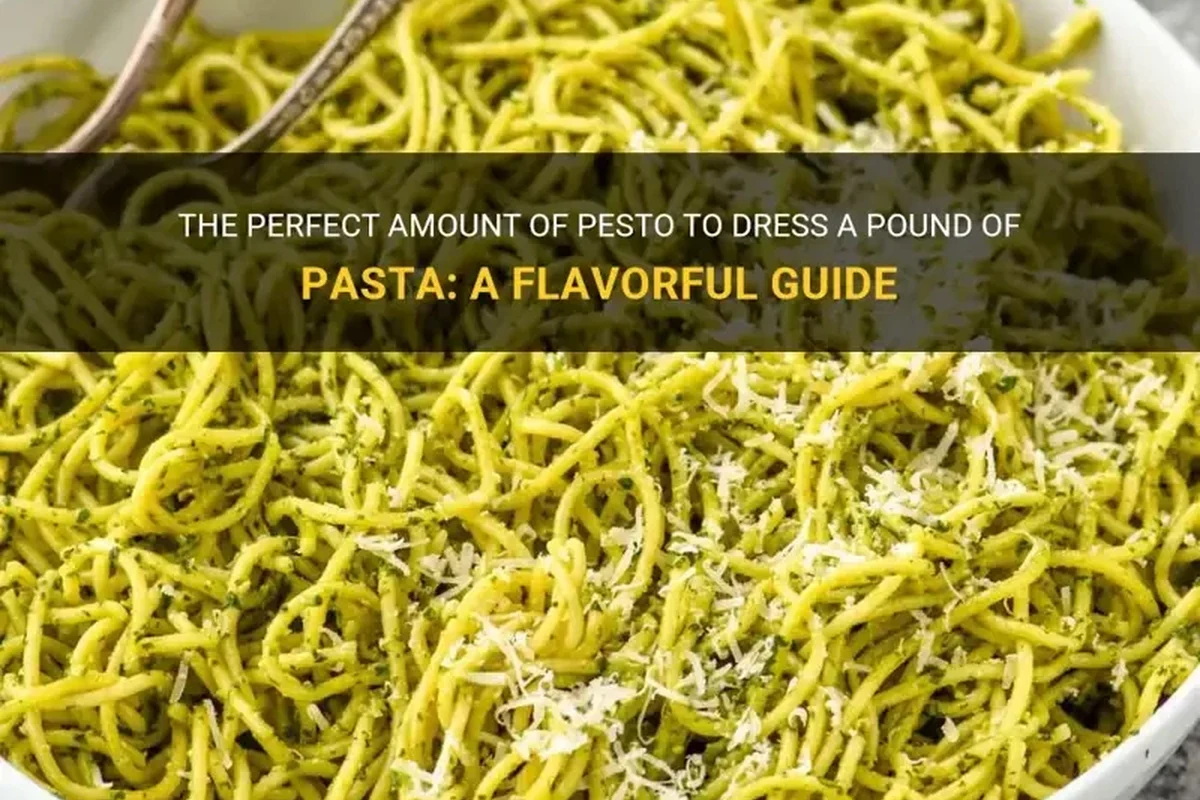
For most home cooks, 1 to 1 1/2 cups of pesto works well for 1 pound of pasta. If you like a lighter coat, start with 1 cup. If you want a richer, saucier finish, move closer to 1 1/2 cups.
Standard pesto ratio for one pound of pasta
A pound of pasta usually serves four to six people. For that amount, 1 cup of pesto gives a light coating. 1 1/4 cups gives a more balanced result. 1 1/2 cups gives a fuller pesto flavor.
If you are serving pesto as the main sauce, lean toward the higher end. If you are adding vegetables, chicken, or shrimp, you may want a bit less.
When to use more or less pesto
Use more pesto when the pasta has a lot of surface area. Use less when the pasta is smooth or when the pesto is very rich.
Best for short shapes, dry pasta, and bold flavor.
Best for fresh pasta, rich pesto, or lighter meals.
Jarred pesto can also taste stronger or saltier than homemade. That means the same amount may go farther.
What Affects the Right Amount of Pesto
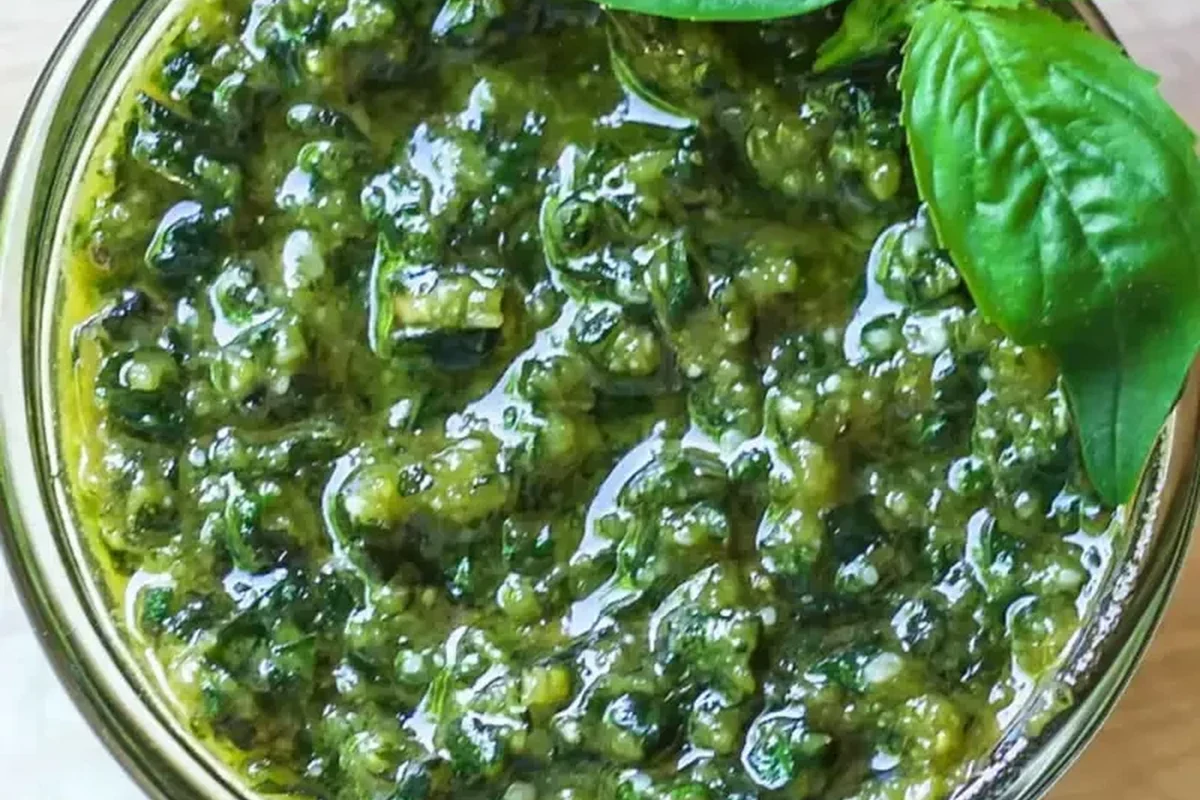
There is no single perfect ratio for every pasta dish. A few simple factors change how much sauce you need.
Pasta shape and surface area
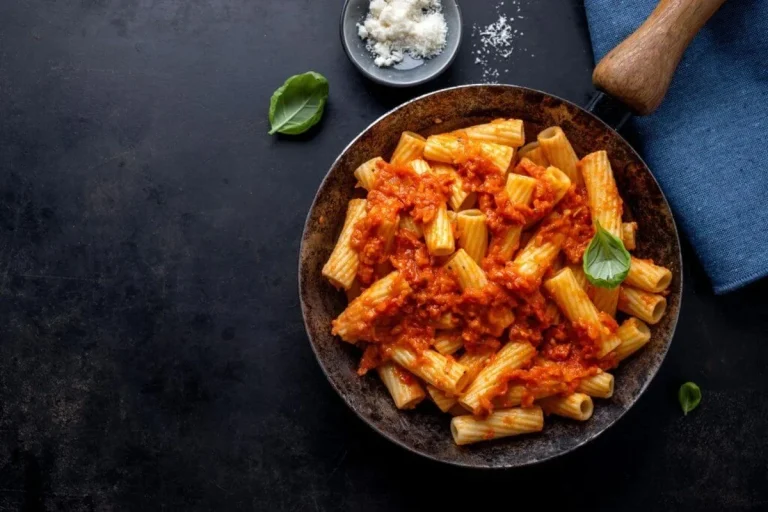
Short pasta with ridges grabs pesto well. Think fusilli, rotini, farfalle, or penne. Long, smooth noodles can need a little more sauce because less of it sticks.
Ridged pasta holds onto thick sauces better than smooth pasta shapes.
For example, rotini can carry pesto in the twists. Spaghetti can taste great too, but it may need more tossing and more sauce.
Fresh pesto versus jarred pesto
Fresh pesto often tastes brighter and more vivid. Jarred pesto can be thicker, saltier, or more oily, depending on the brand.
Because of that, jarred pesto may need a little more pasta water to loosen it. Fresh pesto may need less, especially if it already has plenty of oil.
Dry pasta versus fresh pasta
Dry pasta usually needs more sauce than fresh pasta. Fresh pasta is softer and more delicate, so it can feel heavy if you add too much pesto.
If you use fresh pasta, start with less sauce. Then add more only if the noodles still look bare after tossing.
How to Mix Pesto with Pasta the Right Way
The mixing step matters just as much as the amount. Good technique helps the pesto coat the pasta instead of sitting in clumps.
Use pasta water to help the sauce cling
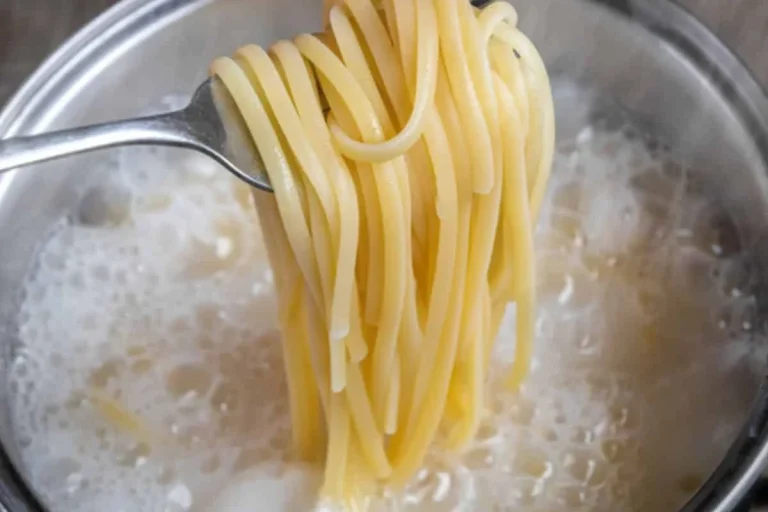
Save a little pasta water before draining. The starch in that water helps pesto coat the noodles more evenly.
Add a splash at a time. You want the sauce to look glossy, not watery.
Start with a small splash of pasta water. You can always add more, but you can’t take it back.
Add pesto off the heat
Toss pesto with hot pasta after you turn off the heat. High heat can dull the fresh flavor and can make the sauce separate.
This is especially important if your pesto has cheese. Gentle heat keeps the texture smoother.
Toss, taste, and adjust before serving
Mix the pasta well, then taste it. If it seems dry, add more pesto or a little more pasta water.
If it tastes flat, add a pinch of salt, more cheese, or a squeeze of lemon. Small changes can make a big difference.
Save some pasta water before draining the pot.
Mix pesto into hot pasta after the burner is off.
Add more pesto, water, or seasoning as needed.
Ingredient Guide for Better Pesto Pasta
Great pesto pasta depends on more than the sauce amount. The ingredient balance changes the final taste and texture.
Core pesto ingredients that matter most
Classic pesto usually includes basil, garlic, pine nuts, cheese, olive oil, and salt. Each ingredient changes the final flavor.
If the basil tastes strong, the dish may feel fresh and bright. If the garlic is bold, the sauce may seem sharper. If the oil is heavy, the pasta may feel richer.
Salt, cheese, nuts, and oil balance
Cheese adds salt and body. Nuts add depth and help thicken the sauce. Oil helps everything blend and coat the pasta.
Different pesto recipes can vary a lot. Some use walnuts, almonds, or no cheese at all.
If your pesto already tastes salty, go easy on extra salt. If it tastes flat, a little cheese or salt may help more than extra pesto.
Optional add-ins for a fuller meal
Pesto pasta can stay simple, but add-ins make it more filling. Good options include cherry tomatoes, grilled chicken, white beans, spinach, peas, or roasted vegetables.
These add-ins can also stretch one pound of pasta for more servings. That can help when you want a weeknight meal that feels complete.
Common Pesto Pasta Mistakes to Avoid
Most pesto pasta problems come from using too little sauce or too much heat. A few easy fixes can save the dish.
Using too little sauce
The pasta may look coated in the bowl, then seem dry after a minute. That usually means it needs more pesto or a bit more pasta water.
The pasta looks pale or dry after tossing.
Add pesto one spoonful at a time, then loosen with pasta water.
Overheating the pesto
Pesto can lose its fresh taste if it cooks too long. It can also turn oily or grainy if it gets too hot.
Do not boil pesto with the pasta. Add it after cooking, while the pasta is still hot.
Keep the heat low or off when you mix. That helps the basil flavor stay bright.
Skipping pasta water or seasoning
Without pasta water, pesto may sit on top instead of coating the noodles. Without enough seasoning, the dish can taste dull even with plenty of sauce.
Taste before serving. A small pinch of salt, black pepper, or lemon zest can wake up the whole bowl.
Safety, Storage, and Leftover Tips
Pesto pasta is easy to save, but you should cool and store it the right way. That matters even more if the pesto has cheese or nuts.
How to store leftover pesto pasta
Let leftovers cool a little, then place them in a sealed container. Put them in the fridge within two hours of cooking.
If the pasta seems dry later, add a tiny splash of water or olive oil when reheating.
How long pesto keeps in the fridge
Storage time depends on the recipe and the brand. Homemade pesto and opened jarred pesto can have different fridge lives, so check the label or recipe notes.
When in doubt, use smell, look, and common sense. If it smells off, looks moldy, or tastes strange, throw it out.
Food safety tips for dairy and nuts
Pesto often contains cheese and nuts, which can spoil or trigger allergies. Keep it chilled and use clean utensils each time you scoop it.
Follow food safety rules for cooling, storing, and reheating leftovers. Stop eating food that shows spoilage.
If anyone at the table has a nut allergy, check the pesto ingredients carefully. Many pesto sauces contain pine nuts or other nuts.
Cost, Value, and Buying Tips for Pesto
The best pesto is not always the most expensive one. Value depends on taste, size, and how you plan to use it.
Store-bought pesto versus homemade pesto
Store-bought pesto is fast and easy. Homemade pesto gives you more control over garlic, salt, cheese, and texture.
If you cook pasta often, homemade pesto can be a smart choice. If you need dinner fast, a good jar can save time.
How to stretch pesto without losing flavor
You can stretch pesto with pasta water, a little olive oil, or extra vegetables. White beans and peas also help make the meal more filling.
- Add pasta water before adding more pesto.
- Mix in vegetables to stretch each serving.
- Use a strong pasta shape for better sauce grip.
Try not to dilute the flavor too much. The goal is a balanced bowl, not a watery sauce.
Best value choices for weeknight pasta
For weeknight cooking, look for pesto that tastes good on its own and works in more than one dish. It should also store well after opening.
A versatile pesto can dress pasta, sandwiches, roasted vegetables, and grain bowls. That gives you more value from one jar.
Final Recommendation for the Best Pesto Amount
If you want the simplest answer, use 1 to 1 1/2 cups of pesto for a pound of pasta. Start with 1 cup, then add more only if the pasta still needs it.
That range works because pasta shape, pesto type, and personal taste all matter. The best bowl is coated, glossy, and full of flavor without feeling greasy.
Simple serving guide for different appetites
For a light coating, use about 1 cup. For a standard family dinner, use about 1 1/4 cups. For a bold pesto flavor, use about 1 1/2 cups.
If you add lots of vegetables or protein, you may want to stay near the middle. If pesto is the main sauce, the higher end usually works better.
Best approach for flavor, texture, and value
The best method is simple. Toss hot pasta with pesto off the heat, use pasta water to help it cling, and taste before serving.
For most cooks, 1 to 1 1/2 cups of pesto for a pound of pasta is the sweet spot. Start low, add slowly, and let pasta water do part of the work.
In short, the right amount is the one that coats the pasta well and still tastes fresh. That’s the bowl people usually go back for.
—
Frequently Asked Questions
Start with about 1 to 1 1/2 cups of pesto for 1 pound of pasta. Begin with less, then add more after tossing with pasta water.
Yes. Ridged and short pasta shapes hold pesto better, so they often need less sauce than smooth long noodles.
Mix pesto into hot pasta off the heat. That helps the sauce coat the noodles without dulling the fresh flavor.
Yes. Use pasta water, a little olive oil, or vegetables like peas, spinach, or cherry tomatoes to stretch it.
Cool leftovers soon after cooking, then store them in a sealed container in the fridge. Reheat gently and discard any food that smells or looks off.
Homemade pesto gives you more control over flavor and salt. Jarred pesto is faster and can be a good weeknight choice if you like the taste.